
 Переглянути в інтер'єрі
 Надіслати як листівку
 Поділитися
 Деталі витвору
 Посібник

 Завантажити
 Схожі екземпляри
 Рентгенівське дослідження
 Слайд-шоу
 Питання та відповіді
 Статистика
The twelfth


 Розгорнути текст
Мистецький твір, представлений на цій сторінці, захищений законом про авторське право, що унеможливлює легальне створення або продаж його ідентичної репродукції. Цей захист забезпечується відповідно до міжнародних угод, таких як Бернська конвенція та національним законодавством, зокрема положеннями, що викладені в Законодавство США про авторське право — Розділ 17. Всі права захищені. Будь-яке використання без дозволу заборонено.
Цей метод повністю відповідає нормам авторського права, оскільки він не передбачає копіювання чи дублювання захищеного твору мистецтва. Натомість це творче переосмислення — створення нового малюнка під впливом оригіналу, який не є його точним відтворенням.
Гікле / Художній принт
Друк جيкле або на полотні музейної якості з оперативним виготовленням та різноманітними варіантами фінішної обробки. ( Замовити картину ручної роботи Перейти до цифрових зображень)




P118B ₴10

P118H ₴10

P118W ₴10

P438Z ₴10

P508JH ₴12

P508YH ₴12

P805H ₴10

P805Z ₴10

P919BZ ₴10

P919G ₴10

P919XJ ₴10

P959ZH ₴10

P968JZ ₴12

W106C ₴8

W218G ₴10

W218JH ₴8

W218Y ₴10

W307PJ ₴10

W316G ₴10

W316PJ ₴8

W316Y ₴10

W398PJ ₴8

W4111J ₴10

W500HY ₴15

W500JH ₴15

W692G ₴12

W849H ₴8

W940BG ₴15

W953PJ ₴8




Обирайте з наших стандартних розмірів, що відповідають оригінальним пропорціям твору мистецтва.

Введіть необхідну ширину та висоту, щоб принт ідеально підійшов до вашої рами або стіни. Принт можна лише обрізати, але не можна зробити більшим за оригінал, тому при зміні пропорцій частина зображення буде втрачена. Перед друком ми надсилаємо вам цифровий макет для затвердження. Зображення на цій сторінці не відображає реальну обрізку — її можна побачити лише на макеті.
Доставка по всьому світу () за 2 тижні замість стандартних 4/5 тижнів. (14 Листопад)

Безкоштовна експрес-доставка по всьому світу

Високоякісне лляне полотно

Повне страхове покриття доставки

Гарантія повернення митних зборів

Гарантія точного відтворення кольорів

Політика повернення протягом 100 днів (лише у разі виявлення дефектів)

Гарантія повернення 100% коштів

Пропозиція на оптові замовлення
 Скляний варіант доступний лише для розмірів до 110 см

The twelfth
Гікле / Художній принт
Розмір репродукції
-


Підсумкова вартість
₴ 3639
A Symphony of Color and Perception
In the vibrant tapestry of twentieth-century art, few works capture the sheer joy of visual discovery quite like David Hockney’s “The Twelfth.” Painted in 1973, this masterpiece serves as a profound testament to the artist's lifelong commitment to capturing the essence of experience through a lens of brilliant color and simplified form. To gaze upon this composition is to enter a world where the boundaries between reality and abstraction dissolve into a rhythmic dance of shapes. Hockney does not merely seek to replicate the world; he seeks to translate the very feeling of sight itself, inviting the viewer to participate in a sensory celebration that mirrors the immediacy of human perception.
The painting presents an enchanting arrangement of geometric elements, where large, sweeping circles and smaller, scattered discs create a sense of celestial movement across the canvas. A central, vase-like silhouette anchors the composition, providing a structural heartbeat amidst the swirling blues and energetic accents of orange and yellow. This deliberate reduction of detail—a technique Hockney famously referred to as “joinery”—allows the viewer to focus on the pure emotional resonance of color. By stripping away the clutter of meticulous realism, Hockney achieves an uncanny sense of presence, evoking the warmth of sunlight filtering through a garden or the tranquil stillness of a summer afternoon.
The Legacy of British Pop and Modern Vision
Emerging from the burgeoning energy of the British Pop Art movement, “The Twelfth” embodies a pivotal moment in art history when creators began to reject the heavy intellectualism of Abstract Expressionism in favor of something more democratic and accessible. Drawing inspiration from the visual language of popular culture—from advertising to the bold graphics of comic books—Hockney infused his work with a vitality that felt both modern and deeply personal. This piece stands as a bridge between the structured traditions of his training at the Royal College of Art and the liberated, experimental spirit of the 1970s.
For the discerning collector or interior designer, this artwork offers much more than mere decoration; it provides a focal point of intellectual and aesthetic depth. The painting’s ability to harmonize cool, tranquil blues with sudden bursts of warmth makes it an incredibly versatile piece for sophisticated modern interiors. Whether placed in a sun-drenched gallery or a contemporary living space, “The Twelfth” radiates an aura of optimism and clarity. It is a work that does not demand attention through complexity, but rather commands it through its profound ability to inspire wonder and a renewed appreciation for the beauty found in simple, observed truths.
Питання та відповіді
Який основний відтінок пронизує «The twelfth» роботи Девід Гокні?
«The twelfth» має відтінок, що схиляється до Warm Sunset Tones.
У якій кімнаті рекомендується розмістити «The twelfth», враховуючи її палітру?
Кольорова палітра Dark у творі «The twelfth» роботи Девід Гокні ідеально підходить для рекомендованого інтер'єру: це Living Room.
Які кольори переважають у творі «The twelfth» роботи Девід Гокні?
У творі «The twelfth» роботи Девід Гокні використана палітра Dark, де домінуючим кольором є Mahogany (#ae5817).
Біографія митця
Життя та ранні роки Девіда Гокні
Девід Гокні народився 9 липня 1937 року в Бредфорді, Західний Йоркшир, Англія. Він ріс у родині з п'яти дітей, будучи четвертою дитиною в сім'ї. Його батько, Кеннет Гокні, працював офісним службовцем у бухгалтерії та був відмовником за солідарними переконаннями під час Другої світової війни. Мати, Лора, була методисткою та суворою вегетаріанкою. Ці ранні роки пройшли серед промислового ландшафту Йоркширу — краю цегляних заводів та гамірних ринків.
Його шкільна освіта розпочалася у початковій школі Веллінгтон і тривала в граматичній школі Бредфорда. Саме в цей період оточення Бредфорда почало формувати його особливий погляд на світ. Суворість промислового серця країни та специфічне світло цього регіону стали фоном для його становлення. Він виріс у родині, де цінували незалежність мислення, що було результатом глибоких переконань його батька, сформованих під час війни.
Художня підготовка та освіта у Британії
Фундамент його творчої практики вибудовувався роками прискіпливого споглядання світу. З 1953 по 1957 рік він навчався в Художній школі Бредфорда. Цей період був присвячений самій механіці зору. Він присвячував свій час практиці малювання з натури та портрету, відточуючи традиційні навички спостереження, які залишатимуться центральними в його роботах протягом десятиліть. Особливий акцент робився на точності лінії та тому, як об'єкт розміщується у просторі.
Переїхавши з індустріального ландшафту Йоркширу до Лондона, він вступив до Королівського коледжу мистецтв. Це був час інтенсивного технічного розвитку. Він опановував навчальну програму, зосереджуючись на основах форми та нюансах світла. До 1962 року він закінчив Королівський коледж мистецтв із відзнакою — Золотою медаллю. Це визнання ознаменувало завершення його формальної освіти в Британії та початок кар'єри, визначеної постійною, невгамовною цікавістю до того, як саме можна представити побачене ним.
Рух поп-арту та Лос-Анджелес
Шістдесяті роки стали часом, коли Девід Гокні перетворився на ключову постать у русі поп-арту. У той час як інші представники цього напряму схилялися до комерційної естетики американської масової культури, його підхід залишався глибоко особистим. Переїзд із Лондона до Лос-Анджелеса у 1964 році став поворотним моментом, що докорінно змінив його сприйняття кольору та світла. Інтенсивне каліфорнійське світло стало невід’ємною частиною його творчості, витісняючи приглушені тони ранніх років. Він почав фіксувати чарівність міста з погляду аутсайдера, зосереджуючи увагу на тому, як світло падає на поверхні, та на специфічних, насичених синіх відтінках басейну.
Цей період визначається його захопленням темою дозвілля та геометрією приміського життя. Значну частину часу він присвячував спостереженню за рухом та відображенням води — виклик, з яким він вправно впорався у своїй знаменитій серії картин із басейнами. Ці полотна з чіткими лініями захоплювали гедоністичну безтурботність життя біля води. Відмовившись від абстрактних трендів того часу, він обрав шлях зображення людей та впізнаваних об'єктів. Його роботи цієї епохи часто досліджували тиху інтимність людських стосунків та те, як простір сприймається крізь призму яскравого, прямого світла.
- A Bigger Splash (1967)
- Beverly Hills Housewife (1966)
- Portrait of an Artist (Pool with Two Figures) (1972)
Техніка та еволюція візуальної мови
Творча практика Девід Гокні — це безперервний рух між різними способами сприйняття світу. Він ніколи не обмежувався межами одного медіуму, вільно переходячи від живопису та графіки до офорту та фотографії. Його підхід часто починається з безпосереднього спостереження та малювання з натури; він використовує портрет, щоб дослідити, як обличчя зберігає свої риси, але водночас експериментує зі структурою простору. Застосовуючи реверсивну перспективу, він порушує традиційні правила того, як ми дивимося на сцену, створюючи відчуття глибини, яке відрізняється від звичного кадру фотографії. Фотографія часто слугувала для нього підготовчим етапом — він використовував камеру, щоб зафіксувати мить, перш ніж перенести її на полотно живопису.
Те, як він працює з кольором і світлом, змінювалося разом із його інструментарієм. У ранні роки він віддавав перевагу акриловим фарбам, щоб досягти насичених відтінків, особливо коли зображав рух води в басейнах. Згодом він звернувся до цифрових медіа: використовуючи iPad, він почав переосмислювати пейзажі, знаходячи нові способи передачі мінливого світла та кольорів природного світу. Цей перехід від фізичної фарби до цифрових екранів свідчить про незмінний інтерес до того, як технології можуть змінювати наше сприйняття місця. Його роботи є хронікою цих технічних трансформацій — від точної лінії малюнка до багатошарових композицій цифрового пейзажу.
- A bigger splash (1967)
- Portrait of an Artist (Pool with Two Figures) (1972)
- The Arrival of Spring in Woldgate (без дати)
Ключові твори та іконічні полотна
Те, як світло падає на поверхню, часто визначає вектор художнього пошуку та напрямок цілого полотна. У 1961 році We Two Boys Together Clinging досліджував інтимність людського зв'язку через призму символізму та тексту. Ця рання робота демонструє глибокий фокус на стосунках між людьми та на тих слідах, які залидає їхня присутність. Згодом перехід до яскравих, насичених кольорів Каліфорнії докорінно змінив підхід до зображення води на полотні. Шедевр A Bigger Splash, створений у 1967 році, закарбовує миттєвість руху в басейні, використовуючи чіткі лінії, щоб визначити складну взаємодію світла та рідини.
У творчості художника фокус часто зміщується від пейзажу до людей, що в ньому перебувають. У 1971 році Mr and Mrs Clark and Percy поєднав у собі відчуття товариськості та індивідуальності персонажів. Цей підхід до портрета продовжився у роботі Portrait of an Artist (Pool with Two Figures) у 1972 році, де використання фотографії як підготовчого матеріалу допомогло вибудувати особливу просторову композицію. Ці твори свідчать про незмінний інтерес художника до того, як ми сприймаємо простір і як люди наповнюють його своєю присутністю.
- We Two Boys Together Clinging (1961)
- A Bigger Splash (1967)
- Mr and Mrs Clark and Percy (1971)
- Portrait of an Artist (Pool with Two Figures) (1972)
Сценографія та оперні замовлення
Візуальна мова, яку Девід Гокні відточував на полотні, часто знаходила зовсім інший ритм у межах театрального простору. Його робота над сценографією вимагала тривалих періодів глибокої концентрації, коли підготовка до однієї постановки могла тривати понад рік. Він переходив від пласкої поверхні картини до тривимірного простору сцени, створюючи декорації для «Магічної флейти» Моцарта. Цей перехід вимагав докорінного переосмислення роботи зі світлом та рухом, перетворюючи його інтерес до перспективи на середовища, здатні охопити та підтримати живу театральну дію.
Його творчий шлях у світі опери охоплював постановку «Прогрес негідника» Ігоря Стравинського у 1975 році. Пізніше, у 1990 році, він створив дизайн для «Турандот» Джакомо Пуччіні. Такі проєкти змушували художника мислити категоріями того, як персонаж переміщується крізь простір і як декорації можуть трансформуватися разом із музичними змінами. Своє витончене відчуття композиції він також переніс у світ моди, розробивши обкладинку та оформлення сторінок для грудневого випуску французького видання Vogue за 1985 рік. У всіх цих випадках головним залишалося те, як саме обраний об'єкт вписаний у кадр і як колір взаємодіє із зором глядача.
Спадщина та світове визнання
Вага тривалої творчої кар'єри часто вимірюється почесними нагородами, які присуджують провідні інституції. У 2000 році він став лауреатом премії Praemium Imperiale у галузі живопису. Згодом, у 2003 році, він був обраний членом Королівського товариства. Ці визнання супроводжували його невпинний рух у публічному просторі: від ранніх днів поп-арту до статусу одного з найвпливовіших британських художників XX та XXI століть.
Його місце в культурному ландшафті було ще раз підтверджено у 2018 році, коли він був нагороджений орденом Компаньйона за заслуги (Order of the Companion of Honour). Це визнання стало підсумком десятиліть праці, що пролягли шляхом від суворого пейзажу Йоркширу до яскравого світла Каліфорнії і, зрештою, у цифровий простір малюнків на iPad. Вплив Девіда Гокні відчувається не лише в галереях, а й у тому, як він змінив наше сприйняття простору та перспективи через свої різноманітні медіа.
- A bigger splash (1967)
- American Collectors (Fred and Marcia Weisman) (1968)
- Portrait of an artist pool with two figures (1971)
- A bigger grand canyon (1998)
Де сьогодні можна побачити його роботи
Щоб побачити його творіння на власні очі, можна вирушити до галереї 1853 у Salts Mill у Солтер. Цей простір зберігає багато його полотен, підтримуючи нерозривний зв'язок із промисловим ландшафтом його юності. Також Фонд Девіда Гокні володіє значною колекцією його робіт, зберігаючи значну частину його творчої спадщини для подальшого вивчення та споглядання.
Його картини та малюнки розкидані по провідних інституціях на різних континентах. У Сполученому Королівстві його витвори представлені в колекції Тейт. По той бік Атлантики його присутність відчувається в Метрополітен-музеї та Музеї сучасного мистецтва. Ці колекції охоплюють різні етапи його кар'єри: від ранніх фігуративних робіт до пізніших експериментів зі світлом та кольором.
- A bigger splash
- American Collectors (Fred and Marcia Weisman)
- Portrait of an artist pool with two figures
- A bigger grand canyon
- Place furstenberg, paris
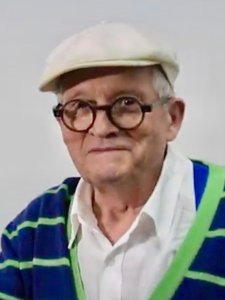
Девід Гокні
1937 - , Сполучене Королівство
Короткі факти
- Artists Who Influenced This Artist: ['Френк Лісл']
- Date Of Birth: 1937
- Full Name: Девід Гокні
- Nationality: Британська
- Notable Artworks:
- Більший розлив
- Американські колекціонери
- Ми двоє хлопців, що тримаємося разом
- Портрет художника
- Прихід весни у Волдгейті
- Place Of Birth: Бредфорд, Великобританія
Пов'язані статті

Топ-10 шедеврів абстрактного експресіонізму: мистецтво, яке змінила епоху | OriginalUniqueArt.com
Відкрийте для себе 10 шедеврів абстрактного експресіонізму! Дізнайтесь історію Поллока, Ротко та інших геніїв. Репродукції картин преміум-якості для вашого дому від OriginalUniqueArt.com. Дослідіть колекцію онлайн!

Топ-10 шедеврів геометричної абстракції: мистецтво для вашого інтер'єру від OriginalUniqueArt.com
Відкрийте для себе 10 шедеврів геометричної абстракції від Кандинського, Малевича та Мондріана! Історія мистецтва, кольори та форми. Репродукції картин преміум-класу на OriginalUniqueArt.com – ідеальний декор для вашого дому.

Serene Blue Backgrounds: Discover Soulful Art to Transform Your Space with Timeless Elegance
Transform your home with soulful blue art. From serene Monet impressions to modern textured sculptures, discover curated masterpieces designed to inspire calm. Explore expert art consultations and bespoke hand-painted reproductions to create your personal sanctuary.

Топ-10 знаменитих картин у відтінках сіро-блакитного: мистецтво для вашого дому
Пориньте у світ сіро-блакитного кольору! Від Моне до Ренуара – топ-10 знаменитих картин, що зачаровують глибиною відтінків. Історія мистецтва, техніки та натхнення для вашого дому. Знайдіть репродукцію мрії на OriginalUniqueArt.com!

Топ-25 шедеврів Василя Кандинського: подорож у світ абстрактного мистецтва | OriginalUniqueArt.com
Відкрийте для себе 25 найвідоміших шедеврів Василя Кандинського! Пориньте у світ абстрактного мистецтва, експресіонізму та кольорових композицій. Репродукції картин Кандинського преміум-якості на OriginalUniqueArt.com – для вашого інтер'єру з душею. Дослідіть повну колекцію онлайн!


