

 Переглянути в інтер'єрі
 Надіслати
 Поділитися
 Деталі
 Посібник

 Завантажити
 Схожі предмети колекціонування
 Рентгенівське дослідження
 Слайд-шоу
 Статистика переглядів
The Night Train
 Acrylic On Canvas
- WallArt
- Romanticism
 1849
1849 280.0 x 380.0 cm
 City Art Gallery
 Читати далі
Придбайте цифрову копію високої роздільної здатності з покращеною якістю, що значно перевершує онлайн-перегляд.
Кожен файл ретельно підготовлений нашими фахівцями за допомогою сучасних інструментів та професійної ручної ретуші. Ми гарантуємо виняткову чіткість, точну передачу кольору та високу деталізацію кожного зображення.
Фінальний файл надсилається електронною поштою протягом 72 годин і оптимізований для негайного використання у професійних виданнях та друкованих матеріалах. Таку якість обирають провідні дизайнерські студії, видавництва та галереї.
Цифрове зображення
Завантажте файл високої роздільної здатності для особистого використання, друку та творчих проєктів. ( Перейти до друку Купити картину ручної роботи)
Що входить у кожне замовлення цифрових зображень
Експертна цифрова доставка з гарантією якості
Обираючи OriginalUniqueArt.com, ви отримуєте не просто зображення — ви отримуєте професійно вдосконалений цифровий витвір мистецтва, створений з надзвичайною точністю та підкріплений гарантією задоволення. Ось усе, що автоматично додається до вашого замовлення:

Швидка доставка на email
Ваш цифровий файл із зображенням високої роздільної здатності буде надісланий вам електронною поштою протягом 72 годин після оформлення замовлення — він буде готовий до негайного використання.

Цифровий файл із покращенням ШІ
Ваш витвір мистецтва професійно оптимізовано за допомогою передових інструментів штучного інтелекту та ручної корекції, що забезпечує максимальну деталізацію, чіткість і точність передачі кольорів.

Безкоштовне повторне завантаження назавжди
Випадково видалили або втратили файл? Не хвилюйтеся — ми надішлемо його вам повторно в будь-який час безкоштовно.

Без митних зборів — завжди
Насолоджуйтесь вашим витвором мистецтва миттєво без жодних мит, зборів або плати за доставку — цифрові завантаження завжди не оподатковуються.

Гарантія точності кольорів
Ми гарантуємо максимально точне відтворення оригінальних кольорів на вашому цифровому зображенні завдяки використанню професійних інструментів та систем управління кольором.

100-денна гарантія задоволення клієнта
Якщо ви не задоволені придбаним цифровим зображенням, ми внесемо правки або повернемо 100% вартості протягом 100 днів — без зайвих запитань.

Гарантія повернення 100% коштів
Незадоволені покупкою? Отримайте повне повернення коштів протягом 100 днів після отримання цифрового файлу — без зайвих запитань.

Знижки на оптові замовлення
Купуйте 3 зображення — заощаджуйте 10% — Купуйте 5 — заощаджуйте 15% — Купуйте 10+ — заощаджуйте 20%. Чудово підходить для творчих проєктів, галерей та агентств.
The Night Train: A Watercolor’s Evocative Journey
David Cox's "The Night Train," painted in 1849, isn’t merely a depiction of a locomotive traversing the countryside; it’s a profound meditation on movement, atmosphere, and the sublime power of nature. Created during a pivotal period of artistic evolution – bridging the Romantic era with nascent influences of Impressionism – this watercolor captures a fleeting moment imbued with both drama and tranquility. Cox, a key figure in the Birmingham School of painting, masterfully employed loose brushstrokes and a muted color palette to evoke not just what he saw, but how he *felt* observing the scene.
The composition immediately draws the eye into a dynamic landscape dominated by a swirling, almost turbulent sky. Dark, brooding clouds – rendered with remarkable sensitivity to light and shadow – press down upon the viewer, hinting at an impending storm while simultaneously illuminating the distant horizon. Below this dramatic expanse unfolds a rolling countryside, painted in washes of deep greens, browns, and blues. The artist’s technique is deliberately loose; individual brushstrokes are visible, contributing to the sense of movement and immediacy. This approach was revolutionary for its time, moving away from the rigid detail favored by earlier landscape painters.
A Glimpse into a Romantic Vision
“The Night Train” firmly resides within the Romantic tradition, a movement that prioritized emotion, imagination, and the awe-inspiring power of nature. Unlike the Neoclassical emphasis on reason and order, Romantic artists sought to capture subjective experiences – feelings of wonder, terror, and spiritual connection – in their work. Cox’s painting embodies this spirit perfectly. The train itself, a symbol of progress and industrialization, is presented not as a triumph but as an element within a larger, more ancient landscape. It's a reminder of humanity’s place within the vastness of nature.
The inclusion of figures on the train – two individuals observing the scene – adds another layer of interpretation. Are they travelers seeking adventure? Or perhaps simply observers contemplating the beauty and power of the natural world? Their presence invites the viewer to project their own experiences and emotions onto the scene, transforming it into a shared moment of contemplation.
Symbolism and Emotional Resonance
Beyond its immediate visual appeal, “The Night Train” is rich in symbolism. The train, as mentioned, represents progress but also carries an element of displacement – a journey away from familiar surroundings. The turbulent sky suggests both the potential for destruction and renewal, while the horses galloping across the foreground embody untamed energy and instinct. Cox’s masterful use of light and shadow creates a powerful emotional atmosphere, evoking feelings of mystery, anticipation, and perhaps even a touch of melancholy.
The painting's overall effect is one of profound beauty and quiet drama. It’s not simply a landscape; it’s an experience – a journey into the heart of nature’s power and the human spirit’s capacity for wonder. “The Night Train” remains a testament to David Cox’s artistic vision and his ability to capture the essence of a fleeting moment with remarkable skill and sensitivity.
Reproductions & Artistic Legacy
High-quality reproductions of “The Night Train” are available, offering art enthusiasts a chance to bring this evocative masterpiece into their homes. Considerations for framing should complement the painting’s atmospheric qualities – a simple, natural wood frame would best enhance its romantic feel. The watercolor's delicate washes and subtle details benefit from archival-quality paper and printing techniques to preserve its original beauty.
Cox’s influence extends beyond this single work; he is considered a precursor to Impressionism, paving the way for artists who sought to capture fleeting moments of light and color. Studying “The Night Train” provides valuable insight into the development of landscape painting and the enduring power of Romantic art.
Запитання та відповіді
Який реальний розмір має «The Night Train» Девід Кокс?
«The Night Train» має розмір 280 x 380 cm в оригіналі. Оригінальні розміри є корисним орієнтиром під час вибору розміру репродукції.
Який розмір та орієнтацію рекомендується для друку «The Night Train» Девід Кокс?
Для «The Night Train» рекомендовані параметри друку: розмір Medium та орієнтація Square.
Яку атмосферу передає "The Night Train"?
«The Night Train» Девід Кокс описують як твір із Romantic настроєм. Така класифікація допоможе підібрати відповідний інтер'єр для цієї роботи.
Біографія митця
Девід Кокс: Життя у пейзажі
Ранні роки та навчання
- Народився: 29 квітня 1783 року, Дерітенд, Бірмінгем, Великобританія.
- Батько Девіда Кокса був ковалем і металістом, що постачав деталі для знаменитої бірмінгемської збройової промисловості. Його мати, яка походила з фермерської родини, мала чудову освіту та сильний характер.
- Спочатку він вступив до академії Джозефа Барбера на Грейт-Чарльз-стріт, де познайомився зі своїми однокурсниками Чарльзом Барбером та Вільямом Радкліффом.
- У віці 15 років Кокс став учнем Альберта Філдера, бірмінгемського художника, що спеціалізувався на портретних мініатюрах та декоративному розписі таких предметів, як табакерки. Це раннє навчання заклало фундамент його майстерності.
Розвиток кар'єри та мистецький шлях
- У 1804 році Кокс переїхав до Лондона та одружився з донькою свого домовласника, Мері Рагг.
- Доленосна подорож до Уельсу у 1805 році разом із Чарльзом Барбером поклала початок численним етюдам та творчим експедиціям протягом усього його життя. Ці мандрівки глибоко вплинули на його художній стиль.
- З 1805 року він регулярно виставлявся в Королівській академії, спочатку заробляючи на життя як вчитель малювання. Одним із його перших учнів у 1808 році став полковник почесний капітан Г. Віндзор.
- Ранні роботи Кокса були зосереджені на деталізованих акварельних пейзажах, що часто зображували сільські сцени та архітектурні об'єкти.
Художній стиль та впливи
- Стиль Кокса еволюціонував з часом: він пройшов шлях від точних топографічних зображень до більш експресивного та атмосферного підходу.
- Впливи: Хоча питання конкретних впливів залишається предметом дискусій, його творчість демонструє спорідненість із голландськими пейзажистами XVII століття та гостре спостереження за природою, що нагадує манеру Констебла.
- Він здобув славу завдяки вільному мазку, яскравим кольорам та здатності вловлювати ефекти світла й погоди. Його пізніші полотна олією були особливо інноваційними.
Головні досягнення та спадщина
- Наприкінці своєї кар'єри Кокс написав понад 300 робіт олією, які сьогодні визнаються «одним із найбільших, але найменш визнаних досягнень будь-якого британського художника».
- Його вважають одним із найвидатніших англійських пейзажистів та ключовою постаттю Золотого віку англійської акварелі.
- Його творчість суттєво вплинула на наступні покоління художників-пейзажистів.
- Визначні роботи: Вітер на пустоші, Котедж у Герефордширі, Стик Северну та Уай з Чепстоу вдалині та Місячний пейзаж є серед його найбільш прославлених картин.
Історичне значення
- Девід Кокс визнаний раннім попередником імпресіонізму. Його прагнення зафіксувати миттєві атмосферні явища та вільна техніка мазка передбачили багато прийомів, які згодом перейняли імпресіоністи.
- Він відіграв вирішальну роль у становленні британського пейзажу як окремого жанру, відійшовши від суто топографічних репрезентацій до більш експресивних та емоційних інтерпретацій природи.
- Його роботи продовжують викликати захоплення своєю красою, чутливістю та незмінною привабливістю.
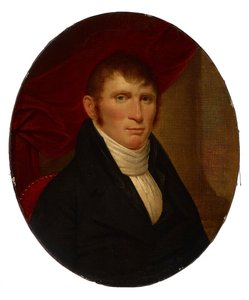
Девід Кокс
1783 - 1859 , Великобританія
Коротко про автора
- Artistic Movement Or Style: Англійський ландшафт, Преімпресіонізм
- Artists Or Movements Influenced By This Artist: ['Імпресіонізм']
- Artists Who Influenced This Artist:
- Дж. Барбер
- А. Фільдер
- Date Of Birth: 29 квiвтня 1783
- Date Of Death: 7 квiвтня 1859
- Full Name: David Cox
- Nationality: Британський
- Notable Artworks:
- Вітер на луках
- Котедж у Хірефорді
- Зустріч річок Севен та Вай з Чепстоу
- Place Of Birth: Бірмінгем, Великобританія