
 Переглянути в інтер'єрі
 Надіслати як листівку
 Поділитися
 Деталі витвору
 Посібник

 Завантажити
 Схожі екземпляри
 Рентгенівське дослідження
 Слайд-шоу
 Питання та відповіді
 Статистика
Rhyl Sands


 Розгорнути текст
Гікле / Художній принт
Друк جيкле або на полотні музейної якості з оперативним виготовленням та різноманітними варіантами фінішної обробки. ( Замовити картину ручної роботи Перейти до цифрових зображень)




P118B ₴10

P118H ₴10

P118W ₴10

P438Z ₴10

P508JH ₴12

P508YH ₴12

P805H ₴10

P805Z ₴10

P919BZ ₴10

P919G ₴10

P919XJ ₴10

P959ZH ₴10

P968JZ ₴12

W106C ₴8

W218G ₴10

W218JH ₴8

W218Y ₴10

W307PJ ₴10

W316G ₴10

W316PJ ₴8

W316Y ₴10

W398PJ ₴8

W4111J ₴10

W500HY ₴15

W500JH ₴15

W692G ₴12

W849H ₴8

W940BG ₴15

W953PJ ₴8




Обирайте з наших стандартних розмірів, що відповідають оригінальним пропорціям твору мистецтва.

Введіть необхідну ширину та висоту, щоб принт ідеально підійшов до вашої рами або стіни. Принт можна лише обрізати, але не можна зробити більшим за оригінал, тому при зміні пропорцій частина зображення буде втрачена. Перед друком ми надсилаємо вам цифровий макет для затвердження. Зображення на цій сторінці не відображає реальну обрізку — її можна побачити лише на макеті.
Доставка по всьому світу () за 2 тижні замість стандартних 4/5 тижнів. (5 Листопад)

Безкоштовна експрес-доставка по всьому світу

Високоякісне лляне полотно

Повне страхове покриття доставки

Гарантія повернення митних зборів

Гарантія точного відтворення кольорів

Політика повернення протягом 100 днів (лише у разі виявлення дефектів)

Гарантія повернення 100% коштів

Пропозиція на оптові замовлення
 Скляний варіант доступний лише для розмірів до 110 см

Rhyl Sands
Гікле / Художній принт
Розмір репродукції
-


Підсумкова вартість
₴ 3644
A Moment Frozen in Time: The Majesty of Rhyl Sands
David Cox’s “Rhyl Sands,” painted in 1854, isn't merely a depiction of a beach; it’s a carefully constructed evocation of the Romantic spirit – a yearning for the sublime beauty and untamed power of nature. Cox, a pivotal figure within the Birmingham School of watercolourists, masterfully captures a fleeting moment along the Welsh coast, imbuing the scene with an atmosphere of both tranquility and dramatic intensity. The painting transports us to a specific time and place, yet its emotional resonance transcends the purely representational.
The composition immediately draws the eye towards the expansive sky, occupying nearly two-thirds of the canvas. This vastness isn’t simply decorative; it serves as a crucial element in establishing the painting's overall mood – one of atmospheric depth and subtle shifts in light. Below, the sandy beach stretches out, receding into a hazy horizon line, creating an illusion of immense distance. A small cluster of figures and horses, rendered with a delicate touch, adds a human scale to the scene, grounding us within this wild landscape while simultaneously emphasizing its overwhelming grandeur.
The Language of Watercolor: Technique and Atmosphere
Cox’s signature technique is immediately apparent in the loose, expressive brushstrokes that define “Rhyl Sands.” He eschews precise detail in favor of capturing the *impression* of light and atmosphere. The watercolor medium itself lends a remarkable fluidity to the work; washes of color blend seamlessly, creating a sense of shimmering transparency. Notice how he builds up layers of pigment – subtle blues and greys for the sky, muted browns and tans for the sand – gradually revealing form through delicate glazing. The impasto technique, particularly evident in the texture of the dunes, adds a tactile quality to the painting, inviting us to almost feel the grit beneath our feet.
The artist’s use of atmospheric perspective is particularly noteworthy. Distant elements are rendered paler and less distinct, creating an illusion of depth that extends far into the background. This technique, characteristic of Romanticism, emphasizes the vastness and mystery of nature, suggesting a world beyond human comprehension. The diffused lighting, consistent with an overcast day, further enhances this sense of distance and contributes to the painting’s overall melancholic beauty.
Symbolism and Emotional Resonance
“Rhyl Sands” is more than just a landscape; it's imbued with symbolic meaning. The vastness of the sky evokes feelings of awe and humility, reminding us of our place within the natural world. The turbulent sea, hinted at by the shifting clouds, represents both beauty and danger – a potent symbol of the forces that shape our lives. The figures in the foreground, seemingly oblivious to the grandeur surrounding them, suggest a moment of quiet contemplation, inviting the viewer to share their sense of peace and solitude.
The painting’s emotional impact is profound. It evokes feelings of tranquility, nostalgia, and perhaps even a touch of melancholy. Cox masterfully captures the fleeting beauty of a coastal scene, reminding us of the importance of appreciating the simple pleasures of nature – a skill increasingly valuable in our modern world. “Rhyl Sands” remains a testament to the power of watercolor to capture not just what we see, but also what we *feel*.
Питання та відповіді
«Rhyl Sands» роботи Девід Кокс — це світлий чи темний твір мистецтва?
Загальна яскравість твору "Rhyl Sands" становить brilliant, а його світловий показник — Luminous.
Хто є автором "Rhyl Sands" і до якого художнього напряму він належить?
Автором твору "Rhyl Sands" є Девід Кокс, що належить до течії Romanticism.
Який настрій та емоцію передає «Rhyl Sands» роботи Девід Кокс?
У творі "Rhyl Sands" Romantic настрій супроводжується Nostalgic емоцією.
Біографія митця
Девід Кокс: Життя у пейзажі
Ранні роки та навчання
- Народився: 29 квітня 1783 року, Дерітенд, Бірмінгем, Великобританія.
- Батько Девіда Кокса був ковалем і металістом, що постачав деталі для знаменитої бірмінгемської збройової промисловості. Його мати, яка походила з фермерської родини, мала чудову освіту та сильний характер.
- Спочатку він вступив до академії Джозефа Барбера на Грейт-Чарльз-стріт, де познайомився зі своїми однокурсниками Чарльзом Барбером та Вільямом Радкліффом.
- У віці 15 років Кокс став учнем Альберта Філдера, бірмінгемського художника, що спеціалізувався на портретних мініатюрах та декоративному розписі таких предметів, як табакерки. Це раннє навчання заклало фундамент його майстерності.
Розвиток кар'єри та мистецький шлях
- У 1804 році Кокс переїхав до Лондона та одружився з донькою свого домовласника, Мері Рагг.
- Доленосна подорож до Уельсу у 1805 році разом із Чарльзом Барбером поклала початок численним етюдам та творчим експедиціям протягом усього його життя. Ці мандрівки глибоко вплинули на його художній стиль.
- З 1805 року він регулярно виставлявся в Королівській академії, спочатку заробляючи на життя як вчитель малювання. Одним із його перших учнів у 1808 році став полковник почесний капітан Г. Віндзор.
- Ранні роботи Кокса були зосереджені на деталізованих акварельних пейзажах, що часто зображували сільські сцени та архітектурні об'єкти.
Художній стиль та впливи
- Стиль Кокса еволюціонував з часом: він пройшов шлях від точних топографічних зображень до більш експресивного та атмосферного підходу.
- Впливи: Хоча питання конкретних впливів залишається предметом дискусій, його творчість демонструє спорідненість із голландськими пейзажистами XVII століття та гостре спостереження за природою, що нагадує манеру Констебла.
- Він здобув славу завдяки вільному мазку, яскравим кольорам та здатності вловлювати ефекти світла й погоди. Його пізніші полотна олією були особливо інноваційними.
Головні досягнення та спадщина
- Наприкінці своєї кар'єри Кокс написав понад 300 робіт олією, які сьогодні визнаються «одним із найбільших, але найменш визнаних досягнень будь-якого британського художника».
- Його вважають одним із найвидатніших англійських пейзажистів та ключовою постаттю Золотого віку англійської акварелі.
- Його творчість суттєво вплинула на наступні покоління художників-пейзажистів.
- Визначні роботи: Вітер на пустоші, Котедж у Герефордширі, Стик Северну та Уай з Чепстоу вдалині та Місячний пейзаж є серед його найбільш прославлених картин.
Історичне значення
- Девід Кокс визнаний раннім попередником імпресіонізму. Його прагнення зафіксувати миттєві атмосферні явища та вільна техніка мазка передбачили багато прийомів, які згодом перейняли імпресіоністи.
- Він відіграв вирішальну роль у становленні британського пейзажу як окремого жанру, відійшовши від суто топографічних репрезентацій до більш експресивних та емоційних інтерпретацій природи.
- Його роботи продовжують викликати захоплення своєю красою, чутливістю та незмінною привабливістю.
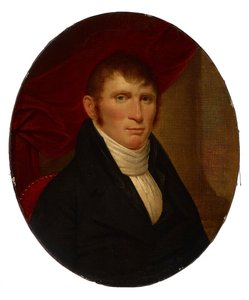
Девід Кокс
1783 - 1859 , Великобританія
Короткі факти
- Artistic Movement Or Style: Англійський ландшафт, Преімпресіонізм
- Artists Or Movements Influenced By This Artist: ['Імпресіонізм']
- Artists Who Influenced This Artist:
- Дж. Барбер
- А. Фільдер
- Date Of Birth: 29 квiвтня 1783
- Date Of Death: 7 квiвтня 1859
- Full Name: David Cox
- Nationality: Британський
- Notable Artworks:
- Вітер на луках
- Котедж у Хірефорді
- Зустріч річок Севен та Вай з Чепстоу
- Place Of Birth: Бірмінгем, Великобританія
Пов'язані статті

Ephemeral Visions: Exploring the Artistic Legacy & Contemporary Practice of Watercolor Painting
Explore the captivating world of watercolor painting! Discover its rich history, essential techniques, influential artists & collecting tips. A comprehensive guide for art enthusiasts from OriginalUniqueArt.

Ephemeral Visions: Exploring the Artistic Legacy & Nuances of Watercolor Painting
Explore the captivating world of watercolor painting! Discover its rich history, essential techniques, influential artists & collecting tips from art experts. A comprehensive guide for enthusiasts.

Ephemeral Visions: Exploring the History & Emotional Resonance of Watercolor Painting
Explore the captivating history of watercolor painting, from ancient techniques to modern masters like Kandinsky & Blake. Discover essential artists, collecting tips & the emotional power of this luminous medium. Expert insights for art enthusiasts.

David Cox the Elder: Landscape, Light & the Romantic Vision of Rural England
Explore the captivating landscapes of David Cox the Elder, a pivotal figure in British Romanticism. Discover his masterful watercolour techniques, enduring legacy & find timeless art for your home at OriginalUniqueArt.

Топ-10 легендарних акварелей, що змінили світ мистецтва | OriginalUniqueArt
Відкрийте для себе 10 легендарних акварелей від Turner, Monet та інших майстрів! Історія мистецтва, техніки живопису та натхнення для декору вашого дому. Купуйте репродукції картин аквареллю преміум-якості на OriginalUniqueArt.com.