

 Переглянути в інтер'єрі
 Надіслати
 Поділитися
 Деталі
 Посібник

 Завантажити
 Схожі предмети колекціонування
 Рентгенівське дослідження
 Слайд-шоу
 Статистика переглядів
Intérieur de cabaret Le danseur au pichet


 Читати далі
Придбайте цифрову копію високої роздільної здатності з покращеною якістю, що значно перевершує онлайн-перегляд.
Кожен файл ретельно підготовлений нашими фахівцями за допомогою сучасних інструментів та професійної ручної ретуші. Ми гарантуємо виняткову чіткість, точну передачу кольору та високу деталізацію кожного зображення.
Фінальний файл надсилається електронною поштою протягом 72 годин і оптимізований для негайного використання у професійних виданнях та друкованих матеріалах. Таку якість обирають провідні дизайнерські студії, видавництва та галереї.
Цифрове зображення
Завантажте файл високої роздільної здатності для особистого використання, друку та творчих проєктів. ( Перейти до друку Купити картину ручної роботи)
Що входить у кожне замовлення цифрових зображень
Експертна цифрова доставка з гарантією якості
Обираючи OriginalUniqueArt.com, ви отримуєте не просто зображення — ви отримуєте професійно вдосконалений цифровий витвір мистецтва, створений з надзвичайною точністю та підкріплений гарантією задоволення. Ось усе, що автоматично додається до вашого замовлення:

Швидка доставка на email
Ваш цифровий файл із зображенням високої роздільної здатності буде надісланий вам електронною поштою протягом 72 годин після оформлення замовлення — він буде готовий до негайного використання.

Цифровий файл із покращенням ШІ
Ваш витвір мистецтва професійно оптимізовано за допомогою передових інструментів штучного інтелекту та ручної корекції, що забезпечує максимальну деталізацію, чіткість і точність передачі кольорів.

Безкоштовне повторне завантаження назавжди
Випадково видалили або втратили файл? Не хвилюйтеся — ми надішлемо його вам повторно в будь-який час безкоштовно.

Без митних зборів — завжди
Насолоджуйтесь вашим витвором мистецтва миттєво без жодних мит, зборів або плати за доставку — цифрові завантаження завжди не оподатковуються.

Гарантія точності кольорів
Ми гарантуємо максимально точне відтворення оригінальних кольорів на вашому цифровому зображенні завдяки використанню професійних інструментів та систем управління кольором.

100-денна гарантія задоволення клієнта
Якщо ви не задоволені придбаним цифровим зображенням, ми внесемо правки або повернемо 100% вартості протягом 100 днів — без зайвих запитань.

Гарантія повернення 100% коштів
Незадоволені покупкою? Отримайте повне повернення коштів протягом 100 днів після отримання цифрового файлу — без зайвих запитань.

Знижки на оптові замовлення
Купуйте 3 зображення — заощаджуйте 10% — Купуйте 5 — заощаджуйте 15% — Купуйте 10+ — заощаджуйте 20%. Чудово підходить для творчих проєктів, галерей та агентств.
A Glimpse into Bohemian Nights: The Cabaret Scene
To stand before "Intérieur de cabaret Le danseur au pichet" is to be instantly transported across the centuries, deep into the smoky, convivial heart of a 17th-century Dutch cabaret. This painting does not merely depict a room; it captures an atmosphere—a moment suspended between laughter and quiet contemplation. The scene is richly populated, a tapestry woven from human interaction, the gleam of polished wood, and the shared ritual of drink. One can almost hear the murmur of conversation, the clinking of glass, and the low, rhythmic pulse of music emanating from unseen corners. It speaks to that universal human need for community, for gathering under the warm, imperfect glow of artificial light.
Mastery in Genre Painting: Dusart's Everyday Drama
The hand that painted this work belonged to Cornelis Dusart, an artist whose genius lay not in myth or grand history, but in the profound poetry of the everyday. Trained under the shadow of Rembrandt, Dusart absorbed the master’s gift for psychological depth while carving out a niche as a supreme chronicler of Dutch life. His dedication to genre scenes—the tavern, the marketplace, the intimate gathering—elevated the mundane to the monumental. Here, in this cabaret interior, we see that influence manifest: the figures are not mere mannequins; they possess palpable souls. The composition is dense, yet never chaotic, guiding the eye through layers of humanity and architectural detail with an almost effortless grace.
Technique and Atmosphere: The Palette of Memory
Observe the masterful handling of light. It is a diffused, interior luminescence that seems to emanate from within the scene itself, catching highlights on the pitcher and softening the edges of weary smiles. Dusart employed the rich, earthy tones characteristic of the period—muted browns, deep blues, and somber greys—a palette that lends the entire tableau a beautiful, melancholic patina. The technique suggests meticulous layering; pigments were built up slowly, allowing for subtle gradations of shadow and light that give the figures an almost three-dimensional presence on the canvas. It is a testament to oil paint’s ability to capture both the solidity of form and the ephemeral quality of emotion.
Symbolism of Leisure and Connection
The central motif, the pitcher and the act of sharing drink, carries weight beyond mere refreshment. In art history, such gatherings often symbolize camaraderie, the temporary suspension of societal strictures, and the vital necessity of human connection. Yet, beneath the surface gaiety, there lingers a subtle undercurrent—a hint of weariness or perhaps the bittersweet acknowledgment of time passing. This duality is what makes the piece so enduringly resonant; it speaks to both the joy of the moment and the quiet passage toward reflection.
Bringing the Salon Home: Reproduction for Modern Spaces
For those seeking to infuse a space with the sophisticated narrative weight of Dutch Golden Age art, this reproduction offers an unparalleled opportunity. It is more than decoration; it is a conversation starter, a piece that demands closer looking. Whether placed above a mantelpiece or anchoring a gallery wall, its intimate scale and rich tonality allow it to harmonize beautifully within both grand drawing rooms and cozy, thoughtfully curated interiors. Owning this work means inviting the sophisticated drama of 17th-century life into your modern sanctuary.
Біографія митця
Cornelis Dusart: A Window into Dutch Everyday Life
Cornelis Dusart (1660-1704) stands as a fascinating figure within the Haarlem School of painting, offering viewers a glimpse into the vibrant tapestry of 17th-century Dutch society. Unlike many artists of his era focused on grand historical narratives or mythological subjects, Dusart dedicated himself to capturing the commonplace – itinerant peddlers haggling in bustling marketplaces and intimate scenes unfolding within taverns. This deliberate choice reveals a profound interest in portraying the realities of daily life, reflecting a humanist sensibility that was gaining momentum during the Golden Age. His artistic training began under the tutelage of Rembrandt Harmenszoon van Rijn, arguably the most influential painter of his time, cementing Dusart’s connection to the stylistic innovations emerging from Leiden and Amsterdam. Rembrandt's emphasis on dramatic lighting and psychological realism undoubtedly shaped Dusart’s approach, fostering a meticulous attention to detail that distinguishes his oeuvre. However, Dusart developed a unique style—characterized by soft brushstrokes and subtle tonal gradations—that subtly diverged from Rembrandt’s bolder palette. This distinctive technique allowed him to convey atmosphere and emotion with remarkable sensitivity. Dusart's prolific output spanned numerous commissions, primarily focusing on genre scenes. He skillfully rendered the textures of fabrics, the expressions of faces, and the nuances of light and shadow, creating images that feel remarkably authentic. Consider “The Street Seller,” a captivating depiction of a peddler engaging in trade—the artist’s meticulous observation captures not only the physical appearance of the scene but also the palpable energy of the marketplace. Similarly, "The Quack" portrays a physician examining a patient with quiet dignity and precision, highlighting Dusart's ability to convey psychological depth within seemingly simple compositions. Furthermore, Dusart’s work exemplifies the burgeoning fascination with realism that permeated Dutch art circles during his lifetime. He wasn’t merely documenting what he saw; he was striving to evoke feeling and understanding in the viewer. This ambition aligns perfectly with the broader cultural context of the period—a time marked by intellectual curiosity and a desire to represent human experience accurately. Dusart's contribution to Haarlem School painting is significant not only for its stylistic merits but also for its enduring portrayal of ordinary life, securing his place as an artist who captured the spirit of his era with remarkable artistry.- Notable Commissions: Dusart undertook numerous commissions for wealthy patrons and civic institutions, showcasing his versatility and artistic skill.
- Influences: Rembrandt van Rijn’s masterful use of light and psychological realism profoundly impacted Dusart's artistic development.
- Technique: Dusart employed soft brushstrokes and tonal gradations to create atmospheric paintings imbued with emotion and subtlety.
Major Achievements & Legacy
Dusart’s enduring legacy resides in his ability to distill the essence of everyday life into powerfully evocative images. His genre scenes continue to resonate with audiences today, offering insights into the social customs and psychological complexities of 17th-century Holland. While Dusart may not command the same level of fame as Rembrandt or Vermeer, his meticulous style and humanist vision solidify his position as a pivotal artist within the Haarlem School—a testament to the transformative power of observing and representing the human condition with unwavering dedication.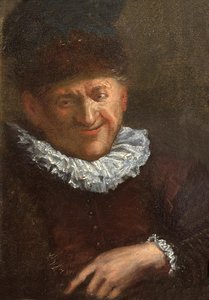
cornelis dusart
1660 - 1704 , Netherlands
Коротко про автора
- Artistic Movement Or Style: Haarlem School
- Artists Or Movements Influenced By This Artist: ['Baroque']
- Artists Who Influenced This Artist: ['Johannes Vermeer']
- Date Of Birth: 1660
- Full Name: Cornelis Dusart
- Nationality: Dutch
- Notable Artworks:
- The Street Seller
- The Quack
- Place Of Birth: Haarlem, Netherlands