
 Переглянути в інтер'єрі
 Надіслати як листівку
 Поділитися
 Деталі витвору
 Посібник

 Завантажити
 Схожі екземпляри
 Рентгенівське дослідження
 Слайд-шоу
 Питання та відповіді
 Статистика
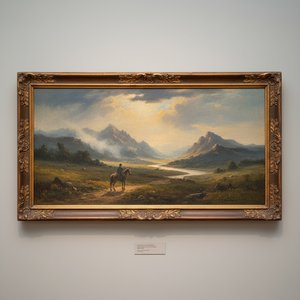
Cows in the Field

- 93.0 x 75.0 cm


 Розгорнути текст
Гікле / Художній принт
Друк جيкле або на полотні музейної якості з оперативним виготовленням та різноманітними варіантами фінішної обробки. ( Замовити картину ручної роботи Перейти до цифрових зображень)




P118B ₴10

P118H ₴10

P118W ₴10

P438Z ₴10

P508JH ₴12

P508YH ₴12

P805H ₴10

P805Z ₴10

P919BZ ₴10

P919G ₴10

P919XJ ₴10

P959ZH ₴10

P968JZ ₴12

W106C ₴8

W218G ₴10

W218JH ₴8

W218Y ₴10

W307PJ ₴10

W316G ₴10

W316PJ ₴8

W316Y ₴10

W398PJ ₴8

W4111J ₴10

W500HY ₴15

W500JH ₴15

W692G ₴12

W849H ₴8

W940BG ₴15

W953PJ ₴8




Обирайте з наших стандартних розмірів, що відповідають оригінальним пропорціям твору мистецтва.

Введіть необхідну ширину та висоту, щоб принт ідеально підійшов до вашої рами або стіни. Принт можна лише обрізати, але не можна зробити більшим за оригінал, тому при зміні пропорцій частина зображення буде втрачена. Перед друком ми надсилаємо вам цифровий макет для затвердження. Зображення на цій сторінці не відображає реальну обрізку — її можна побачити лише на макеті.
Доставка по всьому світу () за 2 тижні замість стандартних 4/5 тижнів. (11 Листопад)

Безкоштовна експрес-доставка по всьому світу

Високоякісне лляне полотно

Повне страхове покриття доставки

Гарантія повернення митних зборів

Гарантія точного відтворення кольорів

Політика повернення протягом 100 днів (лише у разі виявлення дефектів)

Гарантія повернення 100% коштів

Пропозиція на оптові замовлення
 Скляний варіант доступний лише для розмірів до 110 см

Cows in the Field
Гікле / Художній принт
Розмір репродукції
-


Підсумкова вартість
₴ 3642
A Pastoral Vision: Constant Troyon’s “Cows in the Field”
Constant Troyon's "Cows in the Field," painted in 1852, isn’t merely a depiction of livestock grazing; it’s a carefully constructed tableau of rural tranquility imbued with the spirit of the Barbizon school. This oil on canvas transports us to a sun-drenched meadow, where three cows – one prominent on the left, another centrally positioned, and a third gracefully occupying the right side – engage in the simple act of being. The scene unfolds against a backdrop of gently rolling hills and a scattering of mature trees, their branches reaching skyward like benevolent guardians. The painting’s power lies not just in its subject matter but in Troyon's masterful handling of light and color, creating an atmosphere of profound peace and connection to the natural world.
Troyon, born in Seville, Spain, and trained initially as a decorator at the prestigious Sèvres porcelain manufactory, embarked on a journey that ultimately led him away from meticulous ornamentation towards the expansive landscapes he so brilliantly captured. His early years instilled within him an appreciation for detail and precision, yet it was his travels throughout France – particularly his exposure to the Dutch masters like Cuyp and Potter – that truly shaped his artistic vision. He sought to emulate their ability to render light and atmosphere with remarkable immediacy, moving away from academic formality towards a more direct and emotionally resonant approach.
The Barbizon School: A Return to Nature
“Cows in the Field” is a quintessential example of the Barbizon school’s philosophy. Rejecting the studio-bound techniques favored by earlier generations, Barbizon artists like Troyon sought inspiration directly from nature, often painting *en plein air* – outdoors. This commitment resulted in paintings characterized by loose brushwork, vibrant colors, and an emphasis on capturing the fleeting effects of light and weather. The Barbizon movement represented a deliberate rebellion against the rigid conventions of the Salon system, prioritizing authenticity and emotional expression over technical perfection.
Troyon’s technique is particularly evident in his use of color. He employs a palette of warm ochres, greens, and blues to evoke the golden light of late afternoon. The cows themselves are rendered with a remarkable sense of volume and texture, their coats appearing almost tactile as they blend seamlessly into the surrounding landscape. Notice how he uses subtle gradations of tone to create depth and perspective, drawing the viewer’s eye effortlessly across the scene.
Symbolism and Emotional Resonance
Beyond its technical merits, “Cows in the Field” resonates with a quiet sense of symbolism. The cows themselves represent abundance, fertility, and the cyclical rhythms of rural life. Their peaceful grazing suggests a harmony between humanity and nature – a theme that was particularly important to the Barbizon artists. The painting’s overall mood is one of serenity and contentment, inviting the viewer to pause and appreciate the simple beauty of the natural world.
Furthermore, Troyon's choice of subject matter—a commonplace scene of rural life—elevates it through his artistic skill. He transforms a familiar image into something profoundly moving, capturing not just what he sees but also the feeling of being immersed in this tranquil landscape. The painting speaks to a longing for connection with nature and a recognition of its enduring value.
A Timeless Reproduction
Today, “Cows in the Field” continues to captivate audiences with its timeless beauty and emotional resonance. Reproductions like those offered by Oceansbridge allow us to experience this masterpiece firsthand, bringing its serene atmosphere into our homes and offices. Whether you’re an art enthusiast, a collector seeking to enrich your collection, or simply someone looking for a piece of art that evokes feelings of peace and tranquility, Troyon's "Cows in the Field" is a truly exceptional choice.
Питання та відповіді
Який емоційний тон притаманний стилю Barbizon School у творі "Cows in the Field"?
У межах течії Barbizon School, «Cows in the Field» передано в Tranquil тональності.
Де я можу завантажити «Cows in the Field» роботи Констант Туйон?
Цифрове зображення твору «Cows in the Field» роботи Констант Туйон доступне для завантаження на сторінці Завантажити цифрове зображення: завантаження цифрового зображення високої роздільної здатності.
Яка техніка та стиль притаманні «Cows in the Field» роботи Констант Туйон?
«Cows in the Field» роботи Констант Туйон поєднує в собі техніку Acrylic On Canvas зі стилем Barbizon School. Техніка та художній напрям визначають спосіб створення та стилістику твору.
Біографія митця
Early Life and Training
Constant Troyon (1810–1865) was born in Seville, Spain, into a family deeply rooted in the prestigious Sèvres porcelain manufactory. His father and mother diligently worked there, fostering an environment where artistic skill wasn’t merely appreciated but actively cultivated—a formative influence that would permeate his entire artistic journey. From a young age, Troyon absorbed the meticulous techniques of porcelain ornamentation, honing his precision under watchful eyes and developing an innate understanding of detail – skills he would later translate into breathtaking landscapes and captivating animal portraits. By 21, fueled by ambition and a desire to broaden his horizons, Troyon embarked on extensive travels across France, dedicating himself wholeheartedly to landscape painting whenever possible. These expeditions weren’t simply vacations; they were invaluable experiences that exposed him to the diverse tapestry of rural life and instilled in him an unparalleled sensitivity to natural beauty. Recognizing the limitations of finances during this period, Troyon returned to his family's craft, demonstrating a pragmatic spirit and unwavering commitment to sustaining his artistic aspirations. Notably, he benefited from the mentorship of Camille Roqueplan, who introduced him to luminaries of the Barbizon School – Émile van Marcke, Rousseau, and Jules Dupré – fostering connections that would shape his artistic sensibilities. While initially absorbing their stylistic approaches, Troyon swiftly forged his own distinctive voice, prioritizing authenticity and capturing the soul of his subjects.Artistic Development and Dutch Influence
A pivotal moment arrived during Troyon’s visit to the Netherlands in 1846 – a journey that irrevocably altered the trajectory of his artistic career. Inspired by Paulus Potter's iconic "Young Bull" and the monumental canvases of Cuyp and Rembrandt, Troyon experienced a profound revelation: he discovered his true vocation within animal painting. This encounter with Dutch masters wasn’t merely superficial admiration; it represented a fundamental shift in perspective—a rejection of purely idealized landscapes for depictions that honored the raw beauty and inherent drama of animals inhabiting their natural habitats. The Dutch tradition's unwavering commitment to realism, its meticulous attention to texture and light, resonated deeply within Troyon’s artistic vision, propelling him toward a style characterized by unparalleled sensitivity and capturing the essence of animal behavior with breathtaking accuracy.Artistic Style and Legacy
Troyon’s oeuvre is defined by an uncompromising dedication to portraying animals in their untamed splendor—a stylistic hallmark that distinguishes him from many of his contemporaries. He eschewed sentimental embellishment, prioritizing instead a visceral connection to nature and striving to convey not just the physical appearance of his subjects but also their inner character and instinctive movements. Albert Wolff eloquently captured Troyon’s transformative style, praising his ability to breathe life into canvases and imbue them with palpable emotion. Despite facing considerable hardship during his lifetime—including periods of debilitating illness—Troyon persevered in his artistic pursuits, earning recognition from influential figures like Napoleon III and securing prestigious commissions that solidified his reputation as a leading artist of the era. He received numerous accolades, including five Paris Salon medals and the Legion of Honor – symbols of widespread admiration for his talent and unwavering dedication to his craft.Notable Works and Lasting Impact
Most of Troyon’s masterpieces emerged between 1850 and 1864—a period marked by intense artistic fervor and fueled by a newfound passion for animal painting. Prior to this transformative experience, Troyon's earlier works were considered less impactful due to their adherence to more conventional landscape styles. However, his magnum opus – “Vallée de la Toucque, Normandy” – stands as an enduring testament to his genius, demonstrating his mastery of capturing both the grandeur of the landscape and the dynamism of its animal inhabitants. This painting exemplifies Troyon’s ability to fuse observation with emotion—a hallmark of Barbizon artistry that continues to inspire artists today. His legacy extends beyond individual artworks; it resides in the establishment of the Troyon Prize for animal paintings at the École des Beaux Arts – a testament to his enduring influence and a beacon for aspiring painters seeking to honor his memory. Major canvases reside in renowned institutions worldwide, including the Wallace Gallery (Glasgow), Louvre, and Metropolitan Museum of Art—confirming Troyon’s place as one of the most celebrated artists of his time. He profoundly impacted subsequent generations of painters, notably Émile van Marcke, cementing his position as a cornerstone of Barbizon School tradition.
Констант Туйон
1810 - 1865 , Франція
Короткі факти
- Artistic Movement Or Style: Барбізонська школа
- Artists Or Movements Influenced By This Artist: ['Эмиль ван Марке']
- Artists Who Influenced This Artist:
- Паулюс Поттер
- Эльберт Куйп
- Рембрандт
- Date Of Birth: 28 серпня 1810 р.
- Date Of Death: 21 лютого 1865 р.
- Full Name: Constant Troyon
- Nationality: Француз
- Notable Artworks:
- Долина Тукке, Нормандія
- Водопоющая скота
- Коровы в бурю
- Осли на работе
- Place Of Birth: Севр, Франція
Пов'язані статті

Evocations of Place: A Historical Journey Through Landscape Art
Explore the rich history of landscape art with OriginalUniqueArt. Discover renowned artists, movements like Impressionism & Romanticism, and expert guidance for collecting timeless pieces. Find your perfect serene escape today!

Топ-25 шедеврів Джона Констебла: пейзажі Англії для вашого дому | OriginalUniqueArt
Відкрийте для себе 25 найкращих шедеврів Джона Констебла! Англійські пейзажі, романтизм та емоційне світло в живописі. Репродукції картин високої якості для вашого дому від OriginalUniqueArt.com. Дослідіть повну колекцію онлайн!

Evocations of Place: A Historical Journey Through Landscape Art
Explore the rich history of landscape art with OriginalUniqueArt. Discover renowned artists, movements like Impressionism & tonalism, and expert guidance for collecting timeless pieces. Find your perfect serene escape today!
Anthony Vandyke Copley Fielding: Rediscovering a Master of Romantic Landscape
Discover the captivating landscapes of Anthony Vandyke Copley Fielding, a master of Romantic watercolour painting. Explore his life, technique, and legacy with OriginalUniqueArt – your source for museum-quality art reproductions & expert appraisal.

Топ-10 шедеврів романтичного пейзажу: мистецтво, що захоплює дух | OriginalUniqueArt
Відкрийте для себе 10 шедеврів романтичного пейзажу! Каспар Давид Фрідріх, Тернер та інші майстри. Історія мистецтва, емоційні кольори природи та ідеї декору з OriginalUniqueArt.com. Дослідіть колекцію онлайн!