Переглянути в інтер'єрі
 Надіслати як листівку
 Поділитися
 Деталі витвору
 Посібник

 Завантажити
 Схожі екземпляри
 Рентгенівське дослідження
 Слайд-шоу
 Питання та відповіді
 Статистика
The Moulin Rouge


 Розгорнути текст
Гікле / Художній принт
Друк جيкле або на полотні музейної якості з оперативним виготовленням та різноманітними варіантами фінішної обробки. ( Замовити картину ручної роботи Перейти до цифрових зображень)




P118B ₴10

P118H ₴10

P118W ₴10

P438Z ₴10

P508JH ₴12

P508YH ₴12

P805H ₴10

P805Z ₴10

P919BZ ₴10

P919G ₴10

P919XJ ₴10

P959ZH ₴10

P968JZ ₴12

W106C ₴8

W218G ₴10

W218JH ₴8

W218Y ₴10

W307PJ ₴10

W316G ₴10

W316PJ ₴8

W316Y ₴10

W398PJ ₴8

W4111J ₴10

W500HY ₴15

W500JH ₴15

W692G ₴12

W849H ₴8

W940BG ₴15

W953PJ ₴8




Обирайте з наших стандартних розмірів, що відповідають оригінальним пропорціям твору мистецтва.

Введіть необхідну ширину та висоту, щоб принт ідеально підійшов до вашої рами або стіни. Принт можна лише обрізати, але не можна зробити більшим за оригінал, тому при зміні пропорцій частина зображення буде втрачена. Перед друком ми надсилаємо вам цифровий макет для затвердження. Зображення на цій сторінці не відображає реальну обрізку — її можна побачити лише на макеті.
Доставка по всьому світу () за 2 тижні замість стандартних 4/5 тижнів. (9 Листопад)

Безкоштовна експрес-доставка по всьому світу

Високоякісне лляне полотно

Повне страхове покриття доставки

Гарантія повернення митних зборів

Гарантія точного відтворення кольорів

Політика повернення протягом 100 днів (лише у разі виявлення дефектів)

Гарантія повернення 100% коштів

Пропозиція на оптові замовлення
 Скляний варіант доступний лише для розмірів до 110 см

The Moulin Rouge
Гікле / Художній принт
Розмір репродукції
-


Підсумкова вартість
₴ 3637
A Nighttime Waltz in Pigalle
In the heart of late Victorian Paris, amidst the bohemian pulse of the Pigalle district, Charles Edward Conder captured a fleeting moment of pure, unadulterated joy. The Moulin Rouge is not merely a painting of a cabaret; it is an immersive descent into the vibrant energy of the Belle Époque. Through his masterful lens, the canvas breathes with the spirit of a society indulging in its most exuberant pleasures. The scene unfolds within the legendary ballroom, where the air seems thick with the scent of perfume and the sound of distant music. Conder avoids the sterile precision of photographic realism, choosing instead to distill the very essence of the night—the movement of dancers, the shimmer of light, and the collective heartbeat of a crowd caught in a whirlwind of celebration.
The composition is a dynamic tapestry of human interaction, where figures are densely packed to create a palpable sense of motion. At the center of this swirling universe, a single dancer commands the viewer's attention, illuminated by the warm, golden glow emanating from overhead chandeliers. This central figure serves as an anchor amidst the surrounding chaos, her form emphasized by thick, textured layers of paint that suggest the rustle of silk and the grace of a spinning skirt. As the eye wanders through the crowd, glimpses of faces and scattered confetti emerge like fragments of a dream, contributing to a sense of spontaneous, lived experience.
The Impressionistic Symphony of Light and Color
Technically, The Moulin Rouge stands as a triumph of the Impressionist movement. Conder employs loose, expressive brushstrokes that prioritize the sensory experience over rigid outlines. There is a deliberate, visible quality to his application of paint, particularly through the use of impasto, which lends a tactile richness to the highlights. This technique allows light to dance across the surface of the canvas, mimicking the flickering effect of candlelight and gaslight within a crowded hall. The artist skillfully blends deep, shadowy tones in the background with brilliant, luminous strokes in the foreground, creating a profound sense of depth and atmosphere.
The color palette is a sophisticated interplay of warmth and shadow. While darker hues suggest the mysterious corners of the cabaret, the sudden bursts of light create pools of brilliance that guide the viewer's emotional journey. This mastery of light does more than just define shape; it evokes the ephemeral nature of beauty and the fleetingness of a single night. For the collector or interior designer, this piece offers more than decoration; it provides a window into a lost era of glamour. It is an evocative work that brings a sense of historical romance and sophisticated energy to any space, inviting onlookers to lose themselves in the timeless magic of the Parisian night.
Питання та відповіді
Як мені знайти твори мистецтва, схожі на «The Moulin Rouge» роботи Чарльз Едвард Кондер?
Сторінка Схожі твори для твору «The Moulin Rouge» роботи Чарльз Едвард Кондер містить схожі витвори мистецтва.
До якого художнього напряму належить «The Moulin Rouge» роботи Чарльз Едвард Кондер?
Мистецький напрям, до якого належить «The Moulin Rouge» роботи Чарльз Едвард Кондер, — це Impressionism. Така класифікація дозволяє розмістити цей твір у контексті суміжних митців та творів мистецтва.
Де рекомендується розміщувати роботу у форматі Landscape під назвою "The Moulin Rouge"?
Завдяки своїй формі Landscape, репродукція «The Moulin Rouge» чудово підійде для Living Room.
Біографія митця
Early Life and Artistic Journey
Charles Edward Conder (1868 – 1909) was an English-born painter, lithographer and designer who left an indelible mark on the art world. Born in Tottenham, Middlesex, the second son of six children, of James Conder, civil engineer and Mary Ann Ayres, he spent several years as a young child in India before the death of his mother on 14 May 1873 in Bombay, aged 31 years; he was then sent back to England and attended a number of schools including a boarding school at Eastbourne, which he attended from 1877. He left school at 15, and his very religious, non-artistic father, against Charles’s natural artistic inclinations, decided that he should follow in his footsteps as a civil engineer. He was a direct descendant, on his father's side, of the well-known sculptor Louis-François Roubiliac. He had a profound appreciation for classical art and sculpture from an early age, which would later inform his stylistic choices. Despite his father’s reservations about artistic pursuits, Conder possessed an innate talent for drawing and painting—a passion that defied conventional expectations.Artistic Career in Australia
In 1884, at the age of 16, he emigrated to Sydney, Australia, where he worked for his uncle, a land surveyor for the New South Wales government. However he disliked the work, much preferring to draw the landscape rather than surveying it. This formative experience ignited his lifelong fascination with capturing the beauty and grandeur of the Australian wilderness—a passion that would define his artistic output for decades to come. By 1886, he had become an artist for the Illustrated Sydney News alongside notable artists such as Albert Henry Fullwood and Frank Mahony. He attended the painting classes of Alfred James Daplyn and joined the Art Society of New South Wales.The Heidelberg School and Notable Works
Conder’s masterpiece, Departure of the Orient – Circular Quay (1888), showcased his newfound mastery of form and brushwork. This dockside scene, depicting the bustling harbour at Sydney Cove at the moment when the *has cast off for her voyage to England*, was quickly purchased by the Art Gallery of New South Wales, making it Conder’s first work to enter a public collection. It exemplifies the Heidelberg School's distinctive style—characterized by loose brushstrokes, vibrant colours, and an emphasis on capturing fleeting moments of light and atmosphere. The painting is considered one of Australia’s most iconic artworks. Alongside Tom Roberts and Arthur Streeton, Conder embraced the plein air technique—painting outdoors directly from nature—a cornerstone of Heidelberg School aesthetics. He produced numerous landscapes that celebrate the Australian bush, infused with a sense of romantic idealism and emotional intensity. His work also included genre paintings depicting everyday life in Melbourne and Sydney, reflecting the social realities of the era.Legacy and Later Life
Conder’s later years were plagued by poor health, including paralysis and a bout of delirium tremens. Despite these debilitating afflictions, he continued to paint—a testament to his unwavering dedication to art—producing several significant works during his final decade. His art was better received in England than in Paris, where critics often dismissed it as overly sentimental or lacking in technical sophistication. Henri de Toulouse-Lautrec painted his portrait in 1892, capturing Conder’s melancholic gaze and conveying a sense of inner turmoil—a reflection of the artist's personal struggles. He remained an active member of the art world until his death in London in 1909, leaving behind a legacy as one of Australia’s foremost Impressionist painters and a pivotal figure in establishing a uniquely Australian artistic tradition.
Чарльз Едвард Кондер
1868 - 1909 , Великобританія
Короткі факти
- Artistic Movement Or Style: Гейдельбергская школа
- Artists Who Influenced This Artist:
- Альберт Генрі Фулвуд
- Том Робертс
- Франк Махони
- Date Of Birth: 24 жовтня 1868 р.
- Date Of Death: 9 лютого 1909 р.
- Full Name: Charles Edward Conder
- Nationality: Британський
- Notable Artworks:
- Відхід Оріента – Круговий док (1888)
- Канікули в Ментоне (1888)
- Під югами
- Place Of Birth: Тоттенхем, Великобританія
Пов'язані статті

Топ-25 шедеврів П’єра-Огюста Ренуара: мистецтво, краса та декор для вашого дому
Відкрийте для себе 25 найкращих шедеврів П’єра-Огюста Ренуара! Імпресіонізм, балерини, портрети – історія мистецтва та натхнення для вашого дому. Репродукції картин високої якості на OriginalUniqueArt.com.

Топ-10 шедеврів імпресіонізму: пейзажі, що змінили мистецтво | OriginalUniqueArt
Відкрийте для себе 10 шедеврів імпресіонізму, що змінили пейзажне мистецтво! Дізнайтесь історії Моне, Ренуара та інших майстрів. Купіть репродукції картин імпресіоністів преміум-якості на OriginalUniqueArt.com і додайте елегантності вашому інтер'єру. Дослідіть колекцію онлайн!

Capturing Light: A Masterclass in the Ethereal Beauty of Impressionistic Landscapes
Explore the ethereal beauty of Impressionist landscapes. Discover how masters like Monet captured fleeting light through color and texture, and learn to curate these timeless, luminous masterpieces for your home collection.

Impressionistic Realism's Finest: 10 Masterpieces for Your Home | OriginalUniqueArt
Journey through Impressionistic Realism with 10 iconic masterpieces by Monet, Renoir & Van Gogh. Explore art history, techniques & find museum-quality reproductions for your home at OriginalUniqueArt.com. Discover all masterpieces online!
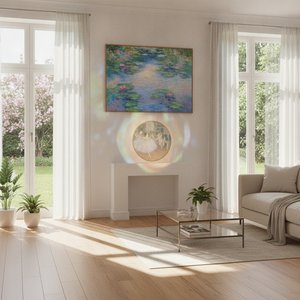
Painting with Light: How Impressionist Masterpieces Transform Your Home's Mood
Discover how Impressionist masterpieces transform your home's mood. Explore the luminous beauty of Monet and Renoir through our exquisite, hand-painted oil reproductions designed to bring light, warmth, and timeless elegance to your living space.