

 Переглянути в інтер'єрі
 Надіслати
 Поділитися
 Деталі
 Посібник

 Завантажити
 Схожі предмети колекціонування
 Рентгенівське дослідження
 Слайд-шоу
 Статистика переглядів
ENEE PORTANT ANCHISE


 Читати далі
Гікле / Художній принт
Музейна якість друку جيкле або на полотні з оперативним виготовленням та різноманітними варіантами фінішної обробки. ( Купити картину ручної роботи Перейти до цифрових зображень)




P118B ₴10

P118H ₴10

P118W ₴10

P438Z ₴10

P508JH ₴12

P508YH ₴12

P805H ₴10

P805Z ₴10

P919BZ ₴10

P919G ₴10

P919XJ ₴10

P959ZH ₴10

P968JZ ₴12

W106C ₴8

W218G ₴10

W218JH ₴8

W218Y ₴10

W307PJ ₴10

W316G ₴10

W316PJ ₴8

W316Y ₴10

W398PJ ₴8

W4111J ₴10

W500HY ₴15

W500JH ₴15

W692G ₴12

W849H ₴8

W940BG ₴15

W953PJ ₴8




Обирайте з наших стандартних розмірів, що відповідають оригінальним пропорціям твору мистецтва.

Введіть необхідну ширину та висоту, щоб принт ідеально підійшов до вашої рами або стіни. Принт можна лише обрізати, але не можна зробити більшим за оригінал, тому при зміні пропорцій частина зображення буде втрачена. Перед друком ми надсилаємо вам цифровий макет для затвердження. Зображення на цій сторінці не відображає реальну обрізку — її можна побачити лише на макеті.
Доставка по всьому світу () за 2 тижні замість стандартних 4/5 тижнів. (21 Жовтень)

Безкоштовна експрес-доставка по всьому світу

Високоякісне лляне полотно

Повне страхове покриття доставки

Гарантія повернення митних зборів

Гарантія точного відтворення кольорів

Політика повернення протягом 100 днів (лише у разі виявлення дефектів)

Гарантія повернення 100% коштів

Знижка на оптові замовлення
 Скляний варіант доступний лише для розмірів до 110 см

ENEE PORTANT ANCHISE
Гікле / Художній принт
Розмір репродукції
-


Загальна вартість
₴ 3585
A Moment of Heroic Devotion
In the sweeping, dramatic tradition of the Rococo era, Charles-André van Loo captures a scene of profound human connection and physical exertion in Enee portant Anchise. The painting presents a breathtaking tableau of movement, centered on the powerful figure of Aeneas as he carries his aged father, Anchises, upon his back. This is not merely a depiction of strength, but a poignant study of duty and the heavy weight of lineage. As the protagonist navigates through a crowd of onlookers, the composition vibrates with an urgent energy, pulling the viewer into the midst of a fleeing or arriving procession. The interplay of hands—one gripping tightly to ensure stability, the other reaching out in a gesture of guidance—creates a rhythmic tension that anchors the entire narrative.
The artistry of Van Loo shines through his masterful command of light and texture, hallmarks of a painter trained in the prestigious Académie royale. The scene is bathed in a luminous quality that softens the edges of the surrounding figures, allowing the central duo to emerge with sculptural clarity. One can almost feel the strain in the muscles of the bearer and the delicate, weathered grace of the elder. Subtle details, such as the bright white of a hat or the humble presence of a bowl resting on the earth, serve to ground this mythological moment in a tangible, human reality. The brushwork, though refined, possesses a fluid vitality that breathes life into the fabric of their garments and the atmospheric depth of the background.
The Elegance of Rococo Narrative
Beyond its immediate physical drama, the work serves as a window into the 18th-century fascination with classical antiquity and the virtues of heroism. Van Loo, a master of the Rococo style, avoids the heavy, somber tones of the preceding Baroque period, opting instead for an elegance that finds beauty in struggle. The painting functions as an allegory of resilience; it is a visual poem about the preservation of history and the sacred bond between generations. For the discerning collector or interior designer, this piece offers more than just a historical reference—it provides a sophisticated focal point that commands attention through its emotional depth and classical prestige.
Integrating such a masterpiece into a contemporary space allows for a striking dialogue between the past and the present. Whether placed in a grand salon to evoke a sense of timeless nobility or used as a conversation piece in a modern study, the painting’s rich palette and dynamic composition lend an air of cultured sophistication. It invites the observer to pause and reflect on the enduring themes of sacrifice and devotion, making it an exquisite choice for those who seek art that resonates with both aesthetic splendor and profound human truth.
Запитання та відповіді
З яким почуттям асоціюється "ENEE PORTANT ANCHISE"?
Емоційний тон, зафіксований для «ENEE PORTANT ANCHISE» Чарльз Андре ван Луу, — Romantic. Він узагальнює почуття, які виражає цей твір.
До якого періоду належить «ENEE PORTANT ANCHISE» Чарльз Андре ван Луу?
«ENEE PORTANT ANCHISE» належить до епохи Early Modern.
Який настрій передає «ENEE PORTANT ANCHISE» Чарльз Андре ван Луу у межах Rococo?
Romantic емоційність твору "ENEE PORTANT ANCHISE" супроводжує його стиль Rococo.
Біографія митця
Раннє життя та навчання
- Народився: 15 лютого 1705 року, Ніцца, Франція
- Сімейне походження: Син Луї-Абрахама ван Луу та молодший брат Жана-Батиста ван Луу. Представник успішної династії голландських художників.
- Початкова освіта: Перше навчання проходило в Турині, після чого він продовжив навчання в Римі (1712) під керівництвом Бенедетто Луті та П'єра Легро.
- Паризькі навчання: Навчався в Королівській академії (Académie royale), де здобув першу премію за малюнок у 1723 році та за історичне живопис у 1727 році.
Творчий шлях та видатні твори
- Стиль: Передусім відомий як майстер стилю рококо, що характеризується елегантністю, граціозністю та витонченою деталізацією.
- Тематика: Величезний спектр сюжетів, включаючи портрети, міфологічні сцени, історичні полотна, алелігорії та жанрові сцени.
- Знакові роботи:
- Венера та Амур (Кунстхалле Бремен) — демонструє досконале володіння стилем рококо.
- Зупинка на полюванні (Метрополітен-музей мистецтв) — передає атмосферу аристократичного дозвілля.
- Портрет Марії Лещинської, королеви Франції — видатний королівський портрет.
- Юпітер та Антіопа — розкриває міфологічні теми.
- Автопортрет — дає можливість зазирнути у внутрішній світ самого художника.
- Персей та Андромеда (кілька версій) — ілюструє майстерність у зображенні класичної міфології.
- Мадемуазель Клярон у образі Медеї (мала версія) — захопливий портрет епохи рококо 1760 року.
Меценатство та королівське визнання
- Королівська підтримка: Користувався покровительством мадам де Помпадур та французького двору.
- Призначення при дворі: У 1762 році обійняв престижну посаду Першого художника короля Людовика XV.
- Орден Святого Михаїла: Був нагороджений орденом Святого Михаїла, що свідчило про високу королівську прихильність.
Вплив та спадщина
- Сімейний вплив: Відчував глибокий вплив свого батька та брата, обох яких були видатними живописцями.
- Суперництво: Змагався з Франсуа Буше, ще одним провідним митцем епохи рококо.
- Сучасна французька школа: Його «простота стилю та точність малюнка» суттєво вплинули на розвиток сучасної французької школи живопису.
- Критичне визнання: Хоча ставлення критиків до нього змінювалося з часом, його майстерність і масштаб творчої спадщини заслуговують на глибоку повагу.
Музейні колекції та подальші дослідження
- Присутність у музеях: Його роботи представлені у провідних музеях світу, зокрема в Луврі (Весілля Діви), Кунстхалле Бремен та Метрополітен-музеї мистецтв.
- Додаткові ресурси:
- Сторінка Чарльза-Андре ван Луу на OriginalUniqueArt: https://www.OriginalUniqueArt.com/artists/charles-andre-van-loo/
- Сторінка Найвеличніших митців усіх часів на OriginalUniqueArt: https://www.OriginalUniqueArt.com/greatest-artists
- Віртуальний музей OriginalUniqueArt: https://www.OriginalUniqueArt.com/
- Стаття у Вікіпедії: https://en.wikipedia.org/wiki/Charles-Andr%C3%A9_van_Loo
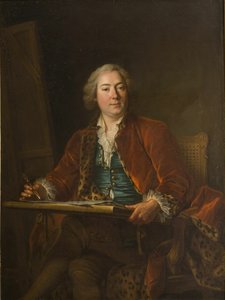
Чарльз Андре ван Луу
1705 - 1765 , Франція
Довідкова інформація
- Artistic Movement Or Style: Рококо живопис
- Artists Or Movements Influenced By This Artist: ['Сучасний французький стиль']
- Artists Who Influenced This Artist:
- Бендетто Луті
- Пієре Ле Грос
- Date Of Birth: 17 лютого 1705 р.
- Date Of Death: 15 липня 1765 р.
- Full Name: Charles-André van Loo
- Nationality: Франція
- Notable Artworks:
- Венера та Аммор
- Полювання
- Портрет Марії Лещинської
- Юпітер і Антопія
- Автопортрет
- Персей та Андромеда
- Place Of Birth: Ніцца, Франція
Схожі статті

The Enduring Legacy of Fine Art Prints: Technique, History & Aesthetic Impact
Explore the rich history & techniques of fine art prints. Discover investment potential, assess authenticity, and learn how to preserve your collection with expert guidance. Trusted insights for discerning collectors.
Топ-10 шедеврів неокласицизму: мистецтво, що визначало епоху | OriginalUniqueArt.com
Відкрийте для себе 10 шедеврів неокласицизму від Давида, Енгр та Канови! Історія мистецтва, техніка живопису та скульптури. Купіть репродукції картин неокласицизму преміум-якості на OriginalUniqueArt.com. Натхнення для вашого інтер'єру.

Charles-André van Loo: A Study in Rococo Portraiture & the French Court's Artistic Dynamics
Explore the elegant world of Charles-André van Loo, a master of Rococo portraiture at the French court. Discover his life, techniques, and enduring influence on 18th-century art. Hand-painted reproductions available.

Giclée Prints: Archival Quality & Aesthetic Nuances for the Discerning Collector
Explore the world of giclée prints with OriginalUniqueArt. Learn about archival quality, aesthetic nuances & investment potential. Expert guidance for discerning art collectors seeking museum-quality reproductions and lasting value.

Рембрандт ван Рейн: Топ-25 шедеврів для вашого дому | OriginalUniqueArt
Пориньте у світ Рембрандта ван Рейна! 25 культових шедеврів бароко, портретів та біблійних сцен. Купіть високоякісні репродукції картин Рембрандта для вашого дому на OriginalUniqueArt.com – музейне мистецтво онлайн!


