Rococo · 1736
Bear Hunt (Шарль-Андре ван Лоо, 1736)
Шарль-Андре ван Лоо (1705–1765) створив Bear Hunt. Дата створення — 1736. Він належить до напряму Rococo. Виконано в Oil On Canvas. Екземпляр зберігається в Музей Пікардії у Ам'єн, Франція. Розмір: 184 × 129 cm
- 1736
- Oil On Canvas
- 184 × 129 cm
- Музей Пікардії, Ам'єн

 Переглянути в інтер'єрі

 Картина олією ручної роботи
 Надіслати як листівку
 Поділитися
 Інформаційна картка


 Завантажити
 Схожі екземпляри
 Рентгенівське дослідження
 Слайд-шоу
 Питання та відповіді

 Статистика
Bear Hunt коротко
- Назва
- Bear Hunt
- Художник
- Шарль-Андре ван Лоо (1705–1765)
- Рік народження митця
- Ніцца, Франція
- Дата
- 1736
- Матеріал
- Oil On Canvas
- Розміри
- 184 × 129 cm
- Де подивитися
- Музей Пікардії, Ам'єн, Франція
- Рух
- Rococo
- Період
- Early Modern
- Сюжет
- people, bears, dogs, horses, guns, rocks
Що зображено на Bear Hunt?
Identification of the Artwork and Artist
The oil on canvas titled Bear Hunt was painted by Charles-André van Loo in 1736. This work emerged from the hand of an artist born in Nice, France, in 1705. He belonged to a successful dynasty of Dutch painters, a lineage of creators who shaped the visual language of their era. His life spanned the decades between his birth and his death in 1765.
Charles-André van Loo brought a specific precision to this scene. The canvas captures a moment of movement within the wilderness. It is a piece from a period of significant activity for the artist. His brushwork defines the tension of the chase. The light falls upon the figures and the animals in the landscape.
The work remains a specific record of a hunt. It carries the weight of the artist's early career. A quiet stillness exists beneath the action of the hunt. The shadows of the trees stretch across the ground.
Visual Composition and Subject Matter
This large oil on canvas captures a moment of sudden movement in the wild. Near a cluster of jagged rocks, the landscape opens into a rugged wilderness. Several men grip guns, their bodies poised for the chase. Dogs weave through the brush, their instincts driving them toward the scent of the prey. Horses stand nearby, silent witnesses to the exertion, ready to carry the hunters across the uneven ground.
The bears are scattered throughout the scene, some looming in the foreground and others fading into the distant greenery. The composition relies on this distribution of weight to create a sense of scale. There is a palpable tension in the air, a rush of adrenaline that defines the hunt. The great outdoors provides a chaotic, unscripted stage for this encounter. The hunt moves with a sudden, sharp energy.
Related Works by the Same Artist
The artist’s hand moved through many realms, from the quietude of a Self Portrait to the grand scale of mythological drama. In Venus and Amor, held at the Kunsthalle Bremen, the brush captures a different kind of grace. He explored the tension of legend in Jupiter and Antiope and rendered the myth of Perseus and Andromeda in multiple versions. These figures exist alongside the courtly presence of the Portrait of Marie Leszczynska, Queen of France. A smaller, focused study of Mademoiselle Clairon as Medea appeared in 1760.
The hunt remains a recurring pulse in his oeuvre. He captured aristocratic leisure in Halt of the Hunt, a work now held at The Metropolitan Museum of Art. This interest in the chase extends to the overdoor paintings created for the petits appartements of Louis XV at Versailles. Such works reflect a life spent navigating the precise requirements of royal patronage and the fluid movement of the Rococo style. The paint dries on the canvas, leaving only the shadow of the chase.
У якому музеї зберігається Bear Hunt?
Музей Пікардії
Ам'єн, Франція
Музей Пікардії – скарб мистецтва та історії Місто Ам'єн, занурене в серце регіону О-де-Франс у Франції, приховує в собі надзвичайну культурну спадщину, пропонуючи відвідувачам захопливу подорож крізь століття історії мистецтва. Особливе враження справляє Музей Пікардії, чиї витоки сягають 1802 року; він був заснований на базі Товариства антикваріату Пікардії — піонерської установи з консервації та експонування творів мистецтва. Сьогодні музей постає як архітектурний та художній шедевр, що щороку приваблює понад 300 000 відвідувачів.


Зображення високої роздільної здатності Bear Hunt
Суспільне надбання: художник помер у 1765 році.
Шарль-Андре ван Лоо, Bear Hunt (1736), Музей Пікардії. Суспільне надбання
Відповіді на запитання про Bear Hunt
У якому музеї зберігається оригінал «Bear Hunt»?
Оригінал твору «Bear Hunt» можна побачити в Музей Пікардії, Ам'єн, Франція.
У якому році було створено «Bear Hunt» роботи Шарль-Андре ван Лоо?
«Bear Hunt» роботи Шарль-Андре ван Лоо було створено у 1736 році.
Яка техніка була використана для створення «Bear Hunt» роботи Шарль-Андре ван Лоо?
«Bear Hunt» виконано в техніці Oil On Canvas.
Які реальні розміри має «Bear Hunt» роботи Шарль-Андре ван Лоо?
Розмір оригіналу «Bear Hunt» роботи Шарль-Андре ван Лоо становить 184 x 129 cm.
Що зображено на творі «Bear Hunt» роботи Шарль-Андре ван Лоо?
Сюжетами твору "Bear Hunt" є people, bears, dogs, horses, guns, rocks, wilderness.
Чи є «Bear Hunt» роботи Шарль-Андре ван Лоо суспільним надбанням?
Статус авторського права для «Bear Hunt» роботи Шарль-Андре ван Лоо: цей твір є є суспільним надбанням — термін дії авторського права закінчився. Це визначає, чи можна вільно створювати репродукції зображення.
Хто є автором "Bear Hunt"?
«Bear Hunt» приписують Шарль-Андре ван Лоо.
До якого художнього напряму належить «Bear Hunt» роботи Шарль-Андре ван Лоо?
Мистецький напрям, до якого належить «Bear Hunt» роботи Шарль-Андре ван Лоо, — це Rococo. Така класифікація дозволяє розмістити цей твір у контексті суміжних митців та творів мистецтва.
Який етап творчого розвитку Шарль-Андре ван Лоо представляє твір "Bear Hunt"?
«Bear Hunt» належить до Mature Period творчого шляху Шарль-Андре ван Лоо. Ця класифікація пов’язує твір із етапом становлення митця.
Про художника Шарль-Андре ван Лоо
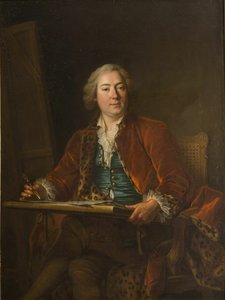
1705–1765, Франція
Шарль-Андре ван Лоо
Раннє життя та навчання Народився: 15 лютого 1705 року, Ніцца, Франція Сімейне походження: Син Луї-Абрахама ван Луу та молодший брат Жана-Батиста ван Луу. Представник успішної династії голландських художників. Початкова освіта: Перше навчання проходило в Турині, після чого він продовжив навчання в Римі (1712) під керівництвом Бенедетто Луті та П'єра Легро. Паризькі навчання: Навчався в Королівській академії (Académie royale), де здобув першу премію за малюнок у 1723 році та за історичне живопис у 1727 році.
Також за участю Шарль-Андре ван Лоо
 Spanish Concert (Spanish Сonversation)1754
 Aeneas Carrying Anchises1729
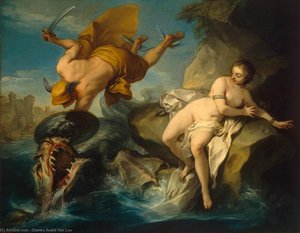 Perseus and Andromeda1735
 The sultana1747
Есе до твору Bear Hunt
 Charles-André van Loo: A Study in Rococo Portraiture & the French Court's Artistic DynamicsExplore the elegant world of Charles-André van Loo, a master of Rococo portraiture at the French court. Discover his life, techniques, and …
 16th century Flemish paintersMasterpieces by Bruegel and Jan Brueghel define 16th century Flemish art. Explore the full collection online at OriginalUniqueArt.com.
 17th century Flemish paintersMasterpieces by Van Dyck and Teniers define Flemish Baroque. Explore museum-quality reproductions on OriginalUniqueArt.com.