

 Переглянути в інтер'єрі
 Надіслати
 Поділитися
 Деталі
 Посібник

 Завантажити
 Схожі предмети колекціонування
 Рентгенівське дослідження
 Слайд-шоу
 Статистика переглядів
Aeneas Carrying Anchises
 Oil On Canvas
- WallArt
- Rococo
 1729
1729 110.0 x 105.0 cm
 Лувр
Лувр
 Читати далі
Гікле / Художній принт
Музейна якість друку جيкле або на полотні з оперативним виготовленням та різноманітними варіантами фінішної обробки. ( Купити картину ручної роботи Перейти до цифрових зображень)




P118B ₴10

P118H ₴10

P118W ₴10

P438Z ₴10

P508JH ₴12

P508YH ₴12

P805H ₴10

P805Z ₴10

P919BZ ₴10

P919G ₴10

P919XJ ₴10

P959ZH ₴10

P968JZ ₴12

W106C ₴8

W218G ₴10

W218JH ₴8

W218Y ₴10

W307PJ ₴10

W316G ₴10

W316PJ ₴8

W316Y ₴10

W398PJ ₴8

W4111J ₴10

W500HY ₴15

W500JH ₴15

W692G ₴12

W849H ₴8

W940BG ₴15

W953PJ ₴8




Обирайте з наших стандартних розмірів, що відповідають оригінальним пропорціям твору мистецтва.

Введіть необхідну ширину та висоту, щоб принт ідеально підійшов до вашої рами або стіни. Принт можна лише обрізати, але не можна зробити більшим за оригінал, тому при зміні пропорцій частина зображення буде втрачена. Перед друком ми надсилаємо вам цифровий макет для затвердження. Зображення на цій сторінці не відображає реальну обрізку — її можна побачити лише на макеті.
Доставка по всьому світу () за 2 тижні замість стандартних 4/5 тижнів. (21 Жовтень)

Безкоштовна експрес-доставка по всьому світу

Високоякісне лляне полотно

Повне страхове покриття доставки

Гарантія повернення митних зборів

Гарантія точного відтворення кольорів

Політика повернення протягом 100 днів (лише у разі виявлення дефектів)

Гарантія повернення 100% коштів

Знижка на оптові замовлення
 Скляний варіант доступний лише для розмірів до 110 см

Aeneas Carrying Anchises
Гікле / Художній принт
Розмір репродукції
-


Загальна вартість
₴ 3577
Aeneas Carrying Anchises: A Testament to Roman Heroism and Rococo Elegance
Charles-André van Loo’s “Aeneas Carrying Anchises,” painted in 1729, is more than just a depiction of a pivotal moment from Virgil's *Aeneid*; it’s a masterful distillation of the Rococo style, imbued with a profound sense of drama and classical gravitas. This artwork, now meticulously reproduced on hand-painted canvas by OriginalUniqueArt, offers a captivating glimpse into 18th-century French artistic sensibilities – a world where mythological narratives intertwined seamlessly with aristocratic life and an exquisite attention to detail reigned supreme.
The scene unfolds within a classically inspired architectural setting, reminiscent of the Temple of Venus or perhaps even the Parthenon, lending an air of timeless grandeur. Van Loo skillfully employs atmospheric perspective – the subtle blurring of details in the background – to draw the viewer’s eye towards the central figures: Aeneas, the Trojan hero, and his aged father, Anchises. The composition is carefully balanced, utilizing a pyramidal structure that reinforces the importance of these two patriarchs. Note the deliberate use of light; it illuminates Aeneas's determined face and the weight of responsibility he carries, while casting a softer glow upon Anchises, suggesting both vulnerability and profound wisdom.
The Rococo Palette: Color, Texture, and Ornamentation
As a leading figure in the Rococo movement, Van Loo’s signature style is immediately recognizable. The painting bursts with rich, layered colors – deep reds, blues, and golds dominate the palette, creating an opulent and luxurious atmosphere. The artist's meticulous brushwork reveals a remarkable attention to texture; from the folds of Aeneas’s cloak to the weathered skin of Anchises, every surface is rendered with incredible realism. Observe how he uses shimmering highlights to capture the light reflecting off polished marble columns and the fabric of their garments – a hallmark of Rococo technique.
The decorative elements are equally noteworthy. The architectural details, while rooted in classical forms, are embellished with intricate moldings, garlands, and subtle flourishes characteristic of the era. Van Loo’s mastery extends to portraying the human form; Aeneas and Anchises are depicted with a graceful elegance that reflects the ideals of beauty prevalent during the Rococo period. The inclusion of other figures in the background – soldiers, attendants, and perhaps even a veiled woman – adds depth and narrative complexity to the scene, hinting at the broader context of the Trojan War and its aftermath.
Symbolism and Narrative Resonance
Beyond its aesthetic beauty, “Aeneas Carrying Anchises” is rich in symbolic meaning. The act of Aeneas carrying his father represents not only filial devotion but also the burden of leadership and the transmission of legacy. Anchises, a descendant of Aeneas and the rightful heir to Troy, embodies the continuity of Roman civilization. The setting itself – a temple or monumental structure – elevates the scene to a realm of mythic importance, suggesting that Aeneas’s journey is not merely a personal quest but a destiny ordained by the gods.
Furthermore, the presence of the woman in the background has been interpreted as representing Fides (Faith) or perhaps even Venus herself, subtly reinforcing the themes of duty, honor, and divine guidance. The painting's overall mood is one of solemn determination tempered with a poignant sense of loss – a reminder of the sacrifices required to fulfill a noble purpose. OriginalUniqueArt’s faithful reproduction captures this nuanced emotional depth, allowing viewers to fully appreciate the artistry and storytelling embedded within Van Loo’s masterpiece.
Bringing “Aeneas Carrying Anchises” Home
Whether you're an art enthusiast, a collector seeking to enrich your collection, or simply someone looking for a stunning addition to your interior décor, OriginalUniqueArt’s hand-painted reproduction of “Aeneas Carrying Anchises” offers the perfect opportunity to own a piece of 18th-century artistic history. The meticulous detail and vibrant colors faithfully recreate Van Loo's original vision, while the canvas medium provides a timeless quality that will endure for generations to come. Explore our selection of sizes and framing options to find the ideal representation for your space – and experience the enduring power of this iconic artwork.
Запитання та відповіді
Де я можу знайти твори мистецтва, схожі на «Aeneas Carrying Anchises» Чарльз Андре ван Луу?
Сторінка Схожі твори для твору «Aeneas Carrying Anchises» Чарльз Андре ван Луу містить схожі витвори мистецтва.
Як «Aeneas Carrying Anchises» вписується в тематику та стиль Чарльз Андре ван Луу?
«Aeneas Carrying Anchises» належить до Rococo творчості Чарльз Андре ван Луу, чиї характерні теми включають italian baroque influence, mythological, roman themes, courtly patronage, luxury, dynasty’s artistic legacy, classical narrative depiction.
Який емоційний тон супроводжує стиль Rococo у творі "Aeneas Carrying Anchises"?
«Aeneas Carrying Anchises» передає Melancholic емоційний тон у межах стилю Rococo.
Біографія митця
Раннє життя та навчання
- Народився: 15 лютого 1705 року, Ніцца, Франція
- Сімейне походження: Син Луї-Абрахама ван Луу та молодший брат Жана-Батиста ван Луу. Представник успішної династії голландських художників.
- Початкова освіта: Перше навчання проходило в Турині, після чого він продовжив навчання в Римі (1712) під керівництвом Бенедетто Луті та П'єра Легро.
- Паризькі навчання: Навчався в Королівській академії (Académie royale), де здобув першу премію за малюнок у 1723 році та за історичне живопис у 1727 році.
Творчий шлях та видатні твори
- Стиль: Передусім відомий як майстер стилю рококо, що характеризується елегантністю, граціозністю та витонченою деталізацією.
- Тематика: Величезний спектр сюжетів, включаючи портрети, міфологічні сцени, історичні полотна, алелігорії та жанрові сцени.
- Знакові роботи:
- Венера та Амур (Кунстхалле Бремен) — демонструє досконале володіння стилем рококо.
- Зупинка на полюванні (Метрополітен-музей мистецтв) — передає атмосферу аристократичного дозвілля.
- Портрет Марії Лещинської, королеви Франції — видатний королівський портрет.
- Юпітер та Антіопа — розкриває міфологічні теми.
- Автопортрет — дає можливість зазирнути у внутрішній світ самого художника.
- Персей та Андромеда (кілька версій) — ілюструє майстерність у зображенні класичної міфології.
- Мадемуазель Клярон у образі Медеї (мала версія) — захопливий портрет епохи рококо 1760 року.
Меценатство та королівське визнання
- Королівська підтримка: Користувався покровительством мадам де Помпадур та французького двору.
- Призначення при дворі: У 1762 році обійняв престижну посаду Першого художника короля Людовика XV.
- Орден Святого Михаїла: Був нагороджений орденом Святого Михаїла, що свідчило про високу королівську прихильність.
Вплив та спадщина
- Сімейний вплив: Відчував глибокий вплив свого батька та брата, обох яких були видатними живописцями.
- Суперництво: Змагався з Франсуа Буше, ще одним провідним митцем епохи рококо.
- Сучасна французька школа: Його «простота стилю та точність малюнка» суттєво вплинули на розвиток сучасної французької школи живопису.
- Критичне визнання: Хоча ставлення критиків до нього змінювалося з часом, його майстерність і масштаб творчої спадщини заслуговують на глибоку повагу.
Музейні колекції та подальші дослідження
- Присутність у музеях: Його роботи представлені у провідних музеях світу, зокрема в Луврі (Весілля Діви), Кунстхалле Бремен та Метрополітен-музеї мистецтв.
- Додаткові ресурси:
- Сторінка Чарльза-Андре ван Луу на OriginalUniqueArt: https://www.OriginalUniqueArt.com/artists/charles-andre-van-loo/
- Сторінка Найвеличніших митців усіх часів на OriginalUniqueArt: https://www.OriginalUniqueArt.com/greatest-artists
- Віртуальний музей OriginalUniqueArt: https://www.OriginalUniqueArt.com/
- Стаття у Вікіпедії: https://en.wikipedia.org/wiki/Charles-Andr%C3%A9_van_Loo
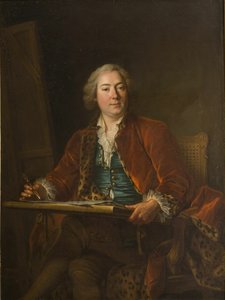
Чарльз Андре ван Луу
1705 - 1765 , Франція
Довідкова інформація
- Artistic Movement Or Style: Рококо живопис
- Artists Or Movements Influenced By This Artist: ['Сучасний французький стиль']
- Artists Who Influenced This Artist:
- Бендетто Луті
- Пієре Ле Грос
- Date Of Birth: 17 лютого 1705 р.
- Date Of Death: 15 липня 1765 р.
- Full Name: Charles-André van Loo
- Nationality: Франція
- Notable Artworks:
- Венера та Аммор
- Полювання
- Портрет Марії Лещинської
- Юпітер і Антопія
- Автопортрет
- Персей та Андромеда
- Place Of Birth: Ніцца, Франція
Схожі статті

Топ-10 шедеврів рококо: мистецтво для вашого інтер'єру від OriginalUniqueArt.com
Відкрийте для себе 10 шедеврів рококо від Буше, Фрагонара та Ватто! Історія мистецтва, вишукані техніки та натхнення для декору вашого дому. Репродукції картин високої якості – OriginalUniqueArt.com.

Топ-10 шедеврів Раннього Нідерландського Відродження: мистецтво для вашого дому | OriginalUniqueArt
Відкрийте для себе 10 шедеврів Раннього Нідерландського Відродження! Історія ван Ейка, Рогіра ван дер Вейдена та інших майстрів. Картини епохи Ренесансу для вашого дому – придбайте розкішні репродукції на OriginalUniqueArt.com.

Charles-André van Loo: A Study in Rococo Portraiture & the French Court's Artistic Dynamics
Explore the elegant world of Charles-André van Loo, a master of Rococo portraiture at the French court. Discover his life, techniques, and enduring influence on 18th-century art. Hand-painted reproductions available.

Топ-10 шедеврів раннього нідерландського живопису: мистецтво для вашого дому від OriginalUniqueArt
Відкрийте для себе 10 шедеврів раннього нідерландського живопису! Дізнайтесь історії ван Ейка, ван дер Вейдена та інших майстрів. Купіть високоякісні репродукції картин на OriginalUniqueArt.com і додайте елегантності вашому дому.

Рембрандт ван Рейн: Топ-25 шедеврів для вашого дому | OriginalUniqueArt
Пориньте у світ Рембрандта ван Рейна! 25 культових шедеврів бароко, портретів та біблійних сцен. Купіть високоякісні репродукції картин Рембрандта для вашого дому на OriginalUniqueArt.com – музейне мистецтво онлайн!


