Переглянути в інтер'єрі
 Надіслати
 Поділитися
 Деталі
 Посібник

 Завантажити
 Схожі предмети колекціонування
 Рентгенівське дослідження
 Слайд-шоу
 Статистика переглядів
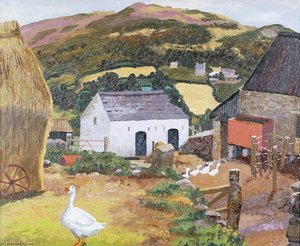
Halcyon
 Олія на полотні
- Настінне мистецтво
- Symbolism
 1927
1927 51.0 x 66.0 cm
 Norwich Castle Museum And Art Gallery
 Читати далі
Олійная репродукція ручної роботи
Написана вручну олією на полотні у вашому розмірі та рамі, виготовлена на замовлення нашими художниками. ( Перейти до друку Перейти до цифрових зображень)




P118B $10

P118H $10

P118W $10

P438Z $10

P508JH $12

P508YH $12

P805H $10

P805Z $10

P919BZ $10

P919G $10

P919XJ $10

P959ZH $10

P968JZ $12

W106C $8

W218G $10

W218JH $8

W218Y $10

W307PJ $10

W316G $10

W316PJ $8

W316Y $10

W398PJ $8

W4111J $10

W500HY $15

W500JH $15

W692G $12

W849H $8

W940BG $15

W953PJ $8




Обирайте з наших стандартних розмірів, що відповідають оригінальним пропорціям твору мистецтва.

Ви можете вказати власні розміри, щоб репродукція ідеально підійшла до конкретної рами або інтер'єру. Якщо вибраний вами розмір не відповідає пропорціям оригіналу, ми або обріжемо полотно, або доповнимо картину додатковими елементами, промальованими вручну. Цифровий макет буде надіслано вам на затвердження перед початком виробництва.
Зверніть увагу, що попередній перегляд на екрані не відображає фактичне обрізання або розширення зображення. Тільки макет точно покаже остаточну композицію.
Хоча ми можемо виготовити виріб у нестандартному розмірі, для збереження оригінальних пропорцій рекомендуємо обирати варіанти зі встановленого списку.
Після оформлення замовлення команда OriginalUniqueArt.com зв'яжеться з клієнтом електронною поштою для отримання інструкцій та надасть попередній макет
Доставка по всьому світу () за 3–4 тижні замість стандартних 5 тижнів. (27 Вересень). Без жодних компромісів у якості.

Безкоштовна експрес-доставка по всьому світу

Високоякісне лляне полотно

Повне страхове покриття доставки

Гарантія повернення митних зборів

Гарантія точного відтворення кольорів

Політика повернення протягом 100 днів (лише у разі виявлення дефектів)

Гарантія повернення 100% коштів

Знижка на оптові замовлення
 Скляний варіант доступний лише для розмірів до 110 см

Halcyon
Техніка репродукції
Розмір репродукції
-


Загальна вартість
$ 300
The Enigmatic Beauty of Cedric Lockwood Morris’s Halcyon
Cedric Lockwood Morris's Halcyon, painted in 1927, isn’t merely a depiction of a beach scene; it’s an arresting meditation on the delicate balance between beauty and danger, tranquility and predation. This oil-on-canvas masterpiece, currently residing within the Norwich Castle Museum & Art Gallery, immediately draws the viewer into its dreamlike atmosphere – a hazy expanse of sand, sea, and sky rendered with a remarkable sensitivity to light and texture. The painting’s power lies not in photographic realism but in Morris's masterful manipulation of color and form to evoke a profound emotional response.
At first glance, the composition appears deceptively simple: a woman reclining gracefully on the beach, her limbs spread languidly, seemingly lost in blissful repose. However, a closer examination reveals a subtle tension beneath this surface serenity. The central figure, bathed in soft, diffused light, possesses an almost ethereal quality, yet her posture—a slight tilt of the head, a barely perceptible curve of the lips—suggests a quiet awareness, a hint of vulnerability. Above her, poised and predatory, is a magnificent kingfisher, its vibrant blue plumage contrasting sharply with the muted tones of the sand and sea. This bird isn’t merely an accessory; it's a potent symbol – a representation of both beauty and threat, innocence and impending danger.
Decoding Symbolism: Nature, Humanity, and Mortality
Morris, a British artist known for his unique blend of realism and fantasy, frequently explored themes of nature, landscapes, and the human condition. Halcyon exemplifies this approach, layering symbolic meaning within a seemingly straightforward scene. The beach itself represents a liminal space – a transition zone between land and sea, reality and dream. The woman’s reclining pose can be interpreted as an invitation to contemplation, a surrender to the allure of nature's beauty. Yet, the kingfisher’s presence introduces a darker element, hinting at the precariousness of this idyllic state. The bird is often associated with transformation, but in this context, it carries a more ominous connotation – a reminder of mortality and the inevitability of predation.
Furthermore, the painting's style—rooted in early 20th-century Symbolism and Expressionism—contributes to its evocative power. The flattened perspective, loose brushstrokes, and emphasis on emotional expression rather than precise representation create a dreamlike quality, inviting viewers to project their own interpretations onto the scene. Morris’s use of oil paint allows for rich textures and subtle gradations of color, adding depth and luminosity to the canvas. The rough texture suggests an immediacy, as if the artist captured a fleeting moment in time.
Technique and Artistic Context
Morris's technical skill is evident in every detail of Halcyon. The careful rendering of light and shadow creates a sense of atmosphere, while the vibrant colors—particularly the striking blue of the kingfisher—draw the eye to the focal point of the composition. The painting’s dimensions – 51 x 66 cm – are perfectly suited to capture the intimacy and drama of the scene. It's important to note that Morris was a prominent figure in the British art world, known for his exhibitions and teaching roles. His work reflects a broader artistic movement that sought to explore subjective experience and emotional truth.
Considering its creation in 1927, during a period of significant social and cultural change, Halcyon offers a poignant reflection on the relationship between humanity and nature. It’s a captivating artwork that continues to resonate with viewers today, prompting questions about beauty, danger, and the enduring mysteries of the human psyche.
Біографія митця
A Life Rooted in Colour: The World of Cedric Lockwood Morris
Sir Cedric Lockwood Morris, born December 11, 1889, in Sketty, a charming seaside village near Swansea, was an artist whose life defied easy categorization. He wasn’t merely a painter; he was a man deeply connected to the land, a passionate plantsman, and a pivotal figure in shaping the landscape of British art during the early 20th century. His lineage held a surprising depth – descended from the founders of the Dulwich Picture Gallery, a testament to an artistic heritage that subtly informed his own creative journey. Yet, he forged his own path, one marked by wanderlust, experimentation, and ultimately, a profound dedication to capturing the essence of the natural world. The son of George Lockwood Morris, a celebrated rugby international and industrialist, and Wilhelmina Cory, Cedric’s upbringing was imbued with both physical strength and an early appreciation for beauty – a unique combination that would profoundly influence his artistic sensibilities.Early Years and Artistic Beginnings
Cedric's childhood in South Wales was far from conventional for a young boy of his standing. While he enjoyed the typical pursuits of a privileged youth, including attending St Cyprian’s School in Eastbourne, it was his connection to nature that truly captivated him. His father, George, shared a deep love of the outdoors, and together they spent countless hours exploring the Gower Peninsula, observing animals, collecting shells, and simply absorbing the beauty of their surroundings. This early exposure to the natural world would become a cornerstone of Cedric’s artistic vision. His sister, Nancy, recalled his innate freedom – a spirit that seemed to set him apart from his peers. Despite initial attempts at joining the army, deemed unsuitable due to a childhood operation, he sought adventure and experience abroad, beginning with a stint working on a farm in Canada. This period of itinerant work exposed him to different ways of life and broadened his perspective, ultimately leading him to pursue his artistic ambitions in Paris.Parisian Influences and Artistic Training
In 1914, Cedric arrived in the vibrant heart of Parisian art – Montparnasse. He enrolled at the Académie Delécluse, immersing himself in the burgeoning artistic scene and studying under renowned instructors. The outbreak of World War I abruptly interrupted his formal training, but it also shaped his experiences. He served with the Artists’ Rifles, a unit comprised of artists who fought alongside regular soldiers, before being assigned to train horses – an unexpected role that honed his observational skills and deepened his understanding of animal movement. This period, though not glamorous, provided valuable insight into the rhythms of nature and the discipline required for mastery. It was in 1918 that a defining partnership began: his collaboration with Arthur Lett-Haines. This artistic and personal alliance would prove to be one of the most significant relationships of his life, fostering a collaborative spirit that extended far beyond their individual canvases.The Benton End School and a New Generation
The relationship with Lett-Haines led Cedric and Arthur to move to Higham in Suffolk, where they established the Benton End School of Painting and Drawing in 1937. This wasn’t merely an art school; it was a sanctuary—a place where artists could explore their own unique voices and develop their individual styles without being constrained by rigid academic rules. The school's philosophy emphasized feeling, intuition, and direct observation of the natural world – a radical departure from the prevailing artistic norms of the time. Students like Lucian Freud and Maggi Hambling flourished under their guidance, developing a distinctive style that celebrated colour, texture, and emotional resonance. Cedric’s influence extended beyond teaching; he actively promoted contemporary Welsh art through exhibitions, fostering a sense of national pride and encouraging dialogue between artists and the public.A Celebration of Flora and a Lasting Legacy
Cedric Lockwood Morris is perhaps best known for his captivating flower paintings. These weren't botanical illustrations in the traditional sense—rather, they were intensely personal interpretations of blooms – explosions of colour and texture that captured their fleeting beauty with remarkable vitality. Critics often likened his work to that of Van Gogh or Utrillo, but accessible to a wider audience— “a Van Gogh or Utrillo for those of modest means,” as one commentator noted. He wasn’t simply depicting what he saw; he was conveying its *feeling*, its essence. His paintings weren't about precise representation; they were about capturing the spirit of the flower, its mood, and its relationship to light and shadow. Beyond flowers, Morris produced numerous portraits, revealing a talent for capturing the character and personality of his sitters, and landscapes imbued with an expressive energy. His later years saw him involved in local politics, demonstrating a commitment to social engagement alongside his artistic pursuits. Cedric Lockwood Morris died on February 8, 1982, in Hadleigh, Suffolk, leaving behind a body of work that continues to captivate and inspire. His legacy extends beyond the beauty of his paintings; it’s about a philosophy of art-making that prioritized personal expression and connection to nature – a reminder that true artistry lies not just in technical skill but also in seeing the world with an open heart and a keen eye.
Серєд Локвуд Морріс
1889 - 1982 , Великобританія
Довідкова інформація
- Artistic Movement Or Style: Сучасне британське мистецтво
- Artists Or Movements Influenced By This Artist:
- Лучіан Фрейд
- Маггі Хемблінг
- Artists Who Influenced This Artist:
- Імпресіонізм
- Пост-імпресіонізм
- Date Of Birth: 11 груд., 1889
- Date Of Death: 8 лют., 1982
- Full Name: Cedric Lockwood Morris
- Nationality: Британський
- Notable Artworks:
- Near Cagnes
- Halcyon
- Monchique Foothills
- Place Of Birth: Ськети, Велика Британія
Схожі статті

The Enduring Power of Painting: A Historical & Contemporary Exploration of Form and Emotion
Explore the rich history & enduring techniques of oil painting with OriginalUniqueArt. Discover masterpieces, learn about art collecting, and find authentic handmade reproductions crafted by skilled artists.

Oil on Canvas: A Historical & Technical Exploration of a Timeless Artistic Medium
Explore the rich history & enduring techniques of oil painting on canvas. Discover the science behind its longevity, conservation practices, and contemporary relevance. Expert insights for art enthusiasts.

The Enduring Legacy of Oil on Canvas: Technique, History & Aesthetic Impact
Explore the rich history & techniques of oil painting – from Renaissance masters to Impressionism. Discover pigments, layering methods, and why this timeless medium endures. Expert insights for artists & art enthusiasts.

The Timeless Charm of Oil on Board: Reimagining Texture and Light through the Impressionist Lens
Discover the profound intimacy of oil on panel. Explore how Impressionist masters used rigid supports to capture light, texture, and impasto depth through exquisite, handmade oil reproductions for discerning collectors.

Вікові традиції олійного живопису: техніка, історія та сучасна практика
Дізнайтеся про вікову історію олійного живопису, техніки майстрів та сучасні тенденції. Відкрийте світ класичного мистецтва та натхнення для власної творчості!