

 Переглянути в інтер'єрі
 Надіслати як листівку
 Поділитися
 Детальніше

 Завантажити
 Схожі експонати
 Рентгенівське дослідження
 Слайд-шоу
 Статистика
Mother and Son
 Acrylic On Canvas
- WallArt
- Metaphysical Painting
 110.0 x 80.0 cm
 Fondazione Cariplo
 Читати далі
Гікле / Художній принт
Музейна якість друку جيкле або на полотні з оперативним виготовленням та різноманітними варіантами фінішної обробки. ( Замовити репродукцію ручної роботи Перейти до цифрових зображень)




P118B $10

P118H $10

P118W $10

P438Z $10

P508JH $12

P508YH $12

P805H $10

P805Z $10

P919BZ $10

P919G $10

P919XJ $10

P959ZH $10

P968JZ $12

W106C $8

W218G $10

W218JH $8

W218Y $10

W307PJ $10

W316G $10

W316PJ $8

W316Y $10

W398PJ $8

W4111J $10

W500HY $15

W500JH $15

W692G $12

W849H $8

W940BG $15

W953PJ $8




Обирайте з наших стандартних розмірів, що відповідають оригінальним пропорціям твору мистецтва.

Ви можете вказати власні розміри, щоб репродукція ідеально підійшла до конкретної рами або інтер'єру. Якщо обраний вами розмір не відповідає пропорціям оригіналу, ми або обріжемо полотно, або розширимо зображення за допомогою дзеркального відображення чи суцільної заливки країв. Перед початком виробництва вам буде надіслано цифровий макет для затвердження.
Будь ласка, зверніть увагу, що попередній перегляд на екрані не відображає фактичне обрізання або розширення. Тільки макет точно покаже фінальну композицію.
Хоча можливість замовлення індивідуальних розмірів доступна, ми рекомендуємо обирати формат із попередньо визначеного списку, щоб зберегти оригінальні пропорції.
Доставка по всьому світу () за 2 тижні замість стандартних 4/5 тижнів. (16 Вересень)

Безкоштовна експрес-доставка по всьому світу

Високоякісне лляне полотно

Повне страхове покриття доставки

Гарантія відшкодування митних зборів

Гарантія точного відтворення кольорів

Політика повернення протягом 100 днів (тільки у разі виявлення дефектів)

Гарантія повернення 100% коштів

Пропозиція на оптові замовлення
 Скляний варіант доступний лише для розмірів до 110 см

Mother and Son
Гікле / Художній принт
Розмір репродукції
-


Підсумкова вартість
$ 80
The Canvas as a Stage – Carlo Carrà’s ‘Mother and Son’
Carlo Carrà's “Mother and Son,” painted in 1934, isn’t merely a portrait; it’s a carefully constructed tableau vivant, a frozen moment of familial intimacy imbued with an undercurrent of poignant melancholy. Measuring a substantial 110 x 80 cm, the painting immediately commands attention with its intimate scale – inviting the viewer to step into this domestic scene and observe the quiet drama unfolding within. The composition is deliberately restrained, prioritizing geometric clarity over overt emotional expression, yet it’s precisely this control that amplifies the subtle tension at the heart of the work.
Carrà, a pivotal figure in the transition from Futurist dynamism to the more contemplative realms of Metaphysical painting, masterfully employs flattened planes and muted color palettes. The background, rendered in shades of grey and brown, recedes into a hazy distance, suggesting an open window and hinting at the bustling city beyond – a world both accessible and distant from this enclosed domestic space. This spatial ambiguity is crucial; it’s not simply a room, but a stage upon which a silent narrative plays out.
Metaphysical Echoes: Picasso and the Return to Order
“Mother and Son” resides firmly within the lineage of Metaphysical painting, a movement deeply influenced by the work of Giorgio de Chirico. Like de Chirico’s unsettling dreamscapes, Carrà presents a scene that feels both familiar and profoundly strange. The arrangement of objects – the simple still life with jug and bowl, the scattered ball, the cane – is deliberately illogical, creating a sense of unease and disorientation. This echoes Picasso's own explorations in the 1920s, particularly his “Still Life with Skull” and “Glass and Fruit,” where he similarly juxtaposed disparate elements to create a disconcerting visual effect.
Carrà’s deliberate choice to reference Neoclassical painting, as noted by critics of the era, is also significant. He consciously draws upon the volumetric solidity and balanced compositions of classical sculpture, grounding the surreal atmosphere in a sense of established form. This creates a fascinating tension between the familiar and the unsettling – a hallmark of Carrà’s artistic approach.
Symbolism and Emotional Resonance
The central figures—the mother and son—are rendered with remarkable restraint. The woman, partially nude, is not overtly sensual but rather embodies a quiet dignity and a subtle vulnerability. Her gaze is directed towards her child, suggesting a protective tenderness that transcends mere maternal affection. The boy, seated at her feet, appears lost in his own world, perhaps contemplating the complexities of their shared existence.
The inclusion of the ball and still life objects adds layers of symbolic meaning. These everyday items—representing play, sustenance, and domesticity—are presented with a detached coolness, suggesting a subtle critique of bourgeois values and the artificiality of social conventions. The cane, a recurring motif in Carrà’s work, may symbolize both protection and constraint – a reminder of the limitations imposed by age and circumstance.
A Legacy of Quiet Contemplation
“Mother and Son” is more than just a painting; it's a meditation on family, memory, and the passage of time. Carrà’s masterful use of color, composition, and symbolism creates an enduring image of quiet contemplation—a poignant reminder of the complexities of human relationships and the bittersweet beauty of everyday life. Reproductions of this work capture not only its visual richness but also the profound emotional depth that lies beneath its surface, making it a compelling addition to any discerning collection or a thoughtful choice for interior design.
Біографія митця
Early Life and the Seeds of Artistic Rebellion
Carlo Carrà, born in Quargnento near Alessandria, Italy, on February 11, 1881, embarked on a path diverging sharply from academic tradition. His youth was marked by necessity; at twelve years old, he left his family to apprentice as a mural decorator. This formative experience, steeped in the physicality of art-making and craftsmanship, indelibly shaped his artistic sensibilities. It wasn't merely applying paint—it was immersion into color, form, and visual communication. A sojourn to Paris at the turn of the century, decorating pavilions for the Exposition Universelle, exposed him to burgeoning currents of contemporary French art, a crucial awakening that broadened his horizons beyond Italian provincialism. This exposure was followed by a brief period in London, where he encountered exiled Italian anarchists—a political undercurrent subtly informing his early work with themes of social unrest and rebellion. Returning to Milan in 1901, Carrà honed his skills, eventually enrolling at the Brera Academy in 1906, studying under Cesare Tallone. Yet, even within the academy’s structure, a restless spirit persisted, yearning for artistic innovation.Embracing Dynamism: The Futurist Years
The year 1910 proved pivotal. Carrà joined Umberto Boccioni, Luigi Russolo, and Giacomo Balla, signing the manifesto of the Futurist painters—a declaration irrevocably altering Italian art’s course. Futurism was a radical ideology, an explosive celebration of modernity, speed, technology, youth, and the machine age's relentless energy. It rejected the past, embracing dynamism and anticipating a future defined by progress. Carrà’s early Futurist works, such as The Funeral of Galli (1911) and Rhythms of Objects (1911), vividly embody these principles. The Funeral of Galli, a chaotic yet compelling depiction of grief and protest, isn't merely representation but a visceral experience of movement and emotion. The fractured forms and jarring colors convey the raw energy of the crowd and disruptive political force. Rhythms of Objects further demonstrates his exploration of dynamism, breaking down everyday objects into fragmented shapes suggesting motion and transformation. These paintings weren’t about *what* was depicted but *how* it was perceived—a revolutionary approach to representation. Carrà wasn’t just painting scenes; he attempted to capture the very essence of modern life in all its frenetic glory.Influences and Artistic Development
Carrà's artistic development was profoundly shaped by his encounters with influential figures and movements. His apprenticeship as a mural decorator instilled a foundational understanding of craftsmanship and visual storytelling—skills that would permeate his subsequent work. The Parisian avant-garde, particularly De Chirico’s metaphysical explorations, ignited his imagination and propelled him toward a more psychologically driven aesthetic. He absorbed the dynamism of Futurism, translating its principles into powerful compositions characterized by fractured perspectives and bold color palettes. Simultaneously, he wrestled with the legacy of Cubism, integrating geometric abstraction into his landscapes and still lifes—a testament to his intellectual curiosity and willingness to challenge artistic conventions.Notable Works: A Synthesis of Styles
Carrà’s oeuvre encompasses a remarkable range of styles reflecting his evolving artistic vision. His Futurist masterpieces like The Funeral of Galli and Rhythms of Objects exemplify the movement's obsession with speed, energy, and fragmentation. However, he achieved enduring renown for his Metaphysical paintings—particularly Daughters of Lot (1919)—where mannequins and unsettling juxtapositions create dreamlike landscapes imbued with existential anxieties. His later landscapes, characterized by flattened perspectives and textured brushwork, reveal a contemplative side alongside his earlier experimental fervor. Works such as Morning by the Sea (1928) demonstrate his mastery of atmospheric painting—a harmonious blend of observation and artistic imagination.Legacy and Historical Significance
Carlo Carrà’s contribution to Italian art is undeniable. He was pivotal in both Futurism and Metaphysical Painting, pushing boundaries and challenging norms. His willingness to experiment throughout his career demonstrates remarkable intellectual curiosity and artistic courage. His influence extends beyond painting, impacting sculpture, literature, and design through the Futurist movement’s interdisciplinary approach. Carrà's work continues to resonate with artists and critics today—a testament to its enduring power and relevance. He passed away in Milan on April 13, 1966, leaving behind a body of art that embodies the spirit of a transformative era in modern Italian culture.
Карло Карра
1881 - 1966 , Італія
Короткі факти
- Artistic Movement Or Style: Футуризм, Метафізичне мистецтво
- Artists Or Movements Influenced By This Artist: ['Супрематизм']
- Artists Who Influenced This Artist:
- Джорджіо де Черіко
- Якомо Балла
- Date Of Birth: 1881 рік
- Date Of Death: 1966 рік
- Full Name: Carlo Carrà
- Nationality: Італійський
- Notable Artworks:
- Донтери Лоти
- Рахунки об'єктів
- Смерть Галлі
- Place Of Birth: Александрія, Італія
Пов'язані статті

Umberto Boccioni: Dynamism, Futurist Ideals & the Evolution of Modern Sculpture
Explore the revolutionary art of Umberto Boccioni, a leading figure of Futurism. Discover his iconic sculptures & paintings, and delve into the movement's impact on modern art history with OriginalUniqueArt.
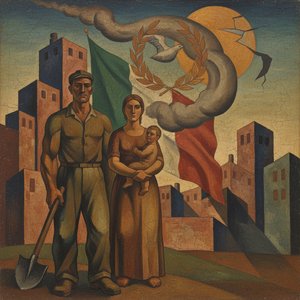
Mario Sironi: A Poetic of Modern Italian Identity Through Symbolism & Social Commentary
Explore the profound works of Mario Sironi, a key figure in Italian Modernism. Discover his evolution from Futurism to Metaphysical painting and his powerful social commentary. Learn about his legacy at OriginalUniqueArt.

Carlo Carrà: Futurist Visions & Metaphysical Transformations in Early 20th-Century Italian Painting
Explore the artistic journey of Carlo Carrà, a pivotal figure in Italian Futurism & Metaphysical painting. Discover his dynamic compositions, collaborations with de Chirico, and lasting influence on modern art history.

Speed, Power, and Motion: A Definitive Guide to the Italian Futurist Art Movement
Explore the dynamic world of Italian Futurism. Discover how masters like Umberto Boccioni captured speed, power, and modernity through revolutionary techniques. A definitive guide for art historians and collectors seeking to understand the movement that redefined the machine age.
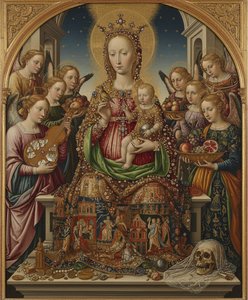
Carlo Crivelli: Mysticism & Materiality in Renaissance Venice
Explore the captivating world of Carlo Crivelli, a Renaissance master blending Gothic detail with profound symbolism. Discover his unique style & lasting influence on Venetian art history.
