
 Переглянути в інтер'єрі
 Надіслати як листівку
 Поділитися
 Детальніше

 Завантажити
 Схожі експонати
 Рентгенівське дослідження
 Слайд-шоу
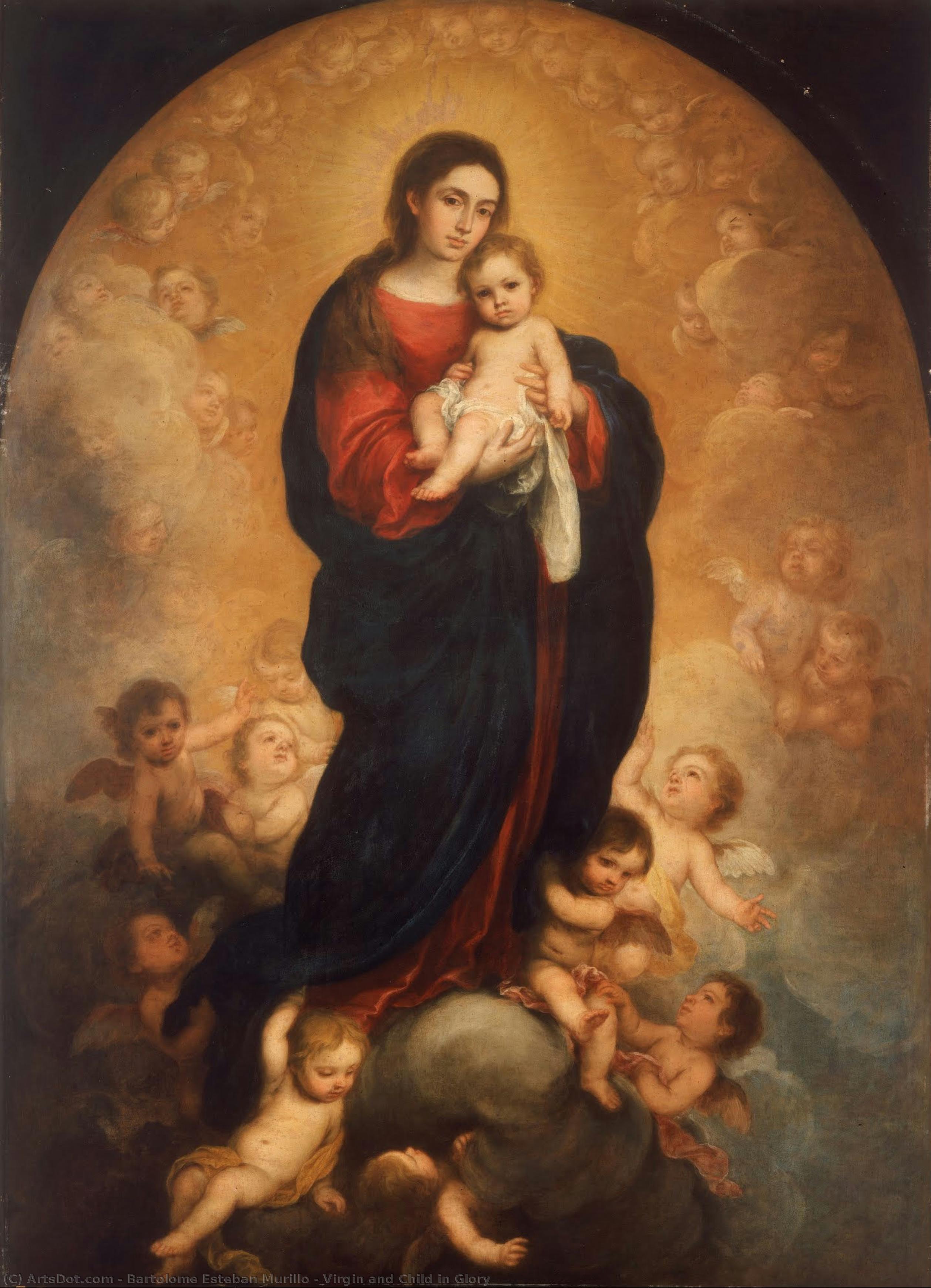
Virgin and Child in Glory
 Acrylic On Canvas
- WallArt
- Spanish Baroque
 1673
1673 1690.0 x 2360.0 cm
 Walker Art Gallery
 Читати далі
Гікле / Художній принт
Музейна якість друку جيкле або на полотні з оперативним виготовленням та різноманітними варіантами фінішної обробки. ( Замовити репродукцію ручної роботи Купити цифрове зображення)




P118B $10

P118H $10

P118W $10

P438Z $10

P508JH $12

P508YH $12

P805H $10

P805Z $10

P919BZ $10

P919G $10

P919XJ $10

P959ZH $10

P968JZ $12

W106C $8

W218G $10

W218JH $8

W218Y $10

W307PJ $10

W316G $10

W316PJ $8

W316Y $10

W398PJ $8

W4111J $10

W500HY $15

W500JH $15

W692G $12

W849H $8

W940BG $15

W953PJ $8




Обирайте з наших стандартних розмірів, що відповідають оригінальним пропорціям твору мистецтва.

Ви можете вказати власні розміри, щоб репродукція ідеально підійшла до конкретної рами або інтер'єру. Якщо обраний вами розмір не відповідає пропорціям оригіналу, ми або обріжемо полотно, або розширимо зображення за допомогою дзеркального відображення чи суцільної заливки країв. Перед початком виробництва вам буде надіслано цифровий макет для затвердження.
Будь ласка, зверніть увагу, що попередній перегляд на екрані не відображає фактичне обрізання або розширення. Тільки макет точно покаже фінальну композицію.
Хоча можливість замовлення індивідуальних розмірів доступна, ми рекомендуємо обирати формат із попередньо визначеного списку, щоб зберегти оригінальні пропорції.
Доставка по всьому світу () за 2 тижні замість стандартних 4/5 тижнів. (20 Серпень)

Безкоштовна експрес-доставка по всьому світу

Високоякісне лляне полотно

Повне страхове покриття доставки

Гарантія відшкодування митних зборів

Гарантія точного відтворення кольорів

Політика повернення протягом 60 днів (лише у разі виявлення дефектів)

Гарантія повернення 100% коштів

Пропозиція на оптові замовлення
 Скляний варіант доступний лише для розмірів до 110 см

Virgin and Child in Glory
Гікле / Художній принт
Розмір репродукції
-


Підсумкова вартість
$ 80
Опис експоната
A Vision Illuminated: Murillo’s Virgin and Child
Bartolomé Esteban Murillo's “Virgin and Child in Glory,” completed in 1673, stands as a cornerstone of Baroque art—a testament to Seville’s artistic prowess during its zenith. More than merely depicting religious iconography, the painting embodies a profound spiritual contemplation, capturing the essence of Andalusian piety and foreshadowing stylistic developments that would resonate throughout Europe.
- Subject Matter: The artwork portrays Mary cradling Jesus Christ in her arms, an image deeply rooted in Christian tradition representing purity, compassion, and divine grace.
- Style & Technique: Murillo’s signature style is characterized by its serene stillness and luminous palette—a deliberate departure from the dramatic chiaroscuro favored by Caravaggio. He employs a soft, diffused light that bathes the figures in an ethereal glow, creating an atmosphere of tranquility and reverence.
- Material & Medium: Executed primarily in oil paint on canvas, Murillo utilized meticulous layering techniques to achieve remarkable textural detail—particularly evident in the drapery folds and the delicate features of the Virgin Mary and Child Jesus.
Historical Context: Seville’s Artistic Renaissance
The painting emerged during a period of significant cultural transformation in Spain, fueled by papal patronage and burgeoning mercantile activity. Seville, as the wealthiest port city in Europe, served as a crucible for artistic innovation—drawing inspiration from Italian Baroque masters while maintaining its own distinctive Andalusian sensibility. Murillo’s work reflects this dynamic interplay between tradition and experimentation.
- Religious Influence: The Habsburg monarchy actively promoted Catholicism throughout its dominions, commissioning monumental artworks intended to inspire piety and reinforce royal authority.
- Patronage & Commission: “Virgin and Child in Glory” was commissioned for the Archbishop of Seville’s palace chapel—a prestigious honor that underscored Murillo's reputation as one of Spain’s foremost artists.
Symbolism & Emotional Resonance
Beyond its formal beauty, the painting is laden with symbolic significance. The Virgin Mary’s posture exudes maternal tenderness and unwavering devotion—a visual embodiment of Christian virtues. The cherubs flanking the figures convey angelic guardianship and symbolize divine grace. Murillo skillfully captures not only the outward appearance but also the inner emotional state of his subjects, conveying a sense of profound serenity and spiritual contemplation.
- Light & Shadow: Murillo’s masterful use of light—particularly the subtle luminescence emanating from the left-hand corner—creates an illusionistic depth that draws viewers into the scene.
- Color Palette: Predominantly shades of brown, red, and gold contribute to the painting's aged patina—suggesting a timeless quality and evoking associations with royal splendor and spiritual devotion.
Legacy & Influence
"Virgin and Child in Glory" profoundly impacted subsequent artistic movements—anticipating the stylistic refinements of Rococo art and establishing Murillo as an enduring icon of Baroque idealism. Its serene beauty continues to inspire collectors and interior designers alike, offering a glimpse into the spiritual heart of seventeenth-century Spain.
Біографія митця
A Life Bathed in Andalusian Light
Bartolomé Esteban Murillo, a name synonymous with the golden age of Spanish Baroque painting, emerged from the vibrant heart of Seville in 1618. His life, though marked by personal tragedy and societal shifts, blossomed into an artistic career that captured the spirit of his time—a period of religious fervor, social change, and burgeoning artistic innovation. Born to Gaspar Esteban, a barber-surgeon, and María Pérez Murillo, within a large family of fourteen children, young Bartolomé experienced early loss with the passing of both parents in quick succession during his childhood. This hardship led him into the guardianship of his sister’s husband, Juan Agustín Lagares, a pivotal figure who would indirectly guide his artistic path. Murillo's initial training began under Juan del Castillo, a local artist and relative through his mother, laying the foundation for a style that would eventually become uniquely his own. The early years were steeped in the realist traditions prevalent in Seville, absorbing influences from masters like Zurbarán, Ribera, and Cano—artists who prioritized stark realism and dramatic intensity. However, Murillo’s genius lay not in mere imitation but in transforming these foundations into something softer, more luminous, and profoundly human.From Realism to Radiant Grace
Murillo's artistic journey wasn’t a sudden leap to fame but rather an evolution marked by distinct phases. His early works, heavily influenced by the austere realism of his contemporaries, showcased a meticulous attention to detail and a somber palette. Young Man with a Basket of Fruit (Personification of Summer), created around 1640-50, exemplifies this period—a grounded depiction of everyday life rendered with remarkable precision. The figures are depicted in natural light, capturing the essence of a summer’s day. Yet, even in these early pieces, hints of the tenderness and emotional depth that would define his mature style began to emerge. The Young Beggar, painted circa 1645, demonstrates a growing sensitivity towards human suffering, echoing the influence of Velázquez’s masterful portrayals of everyday people. The painting captures the vulnerability and quiet dignity of a young child in poverty, a stark contrast to the often-grim depictions of beggars prevalent at the time. As Murillo matured, his style underwent a remarkable transformation. He moved away from the stark realism of his predecessors, embracing a more polished and refined aesthetic that resonated with the tastes of Seville’s burgeoning bourgeois and aristocratic classes. This shift was particularly evident in his religious works, where he infused traditional iconography with an unprecedented sense of warmth, grace, and emotional accessibility. St. Jerome, painted between 1650-52, stands as a testament to this mature style—a softly luminous depiction that radiates serenity and devotion. The figure is bathed in golden light, conveying a profound sense of contemplation and spiritual connection.A Master of Religious Sentiment and Genre Scenes
Murillo’s artistic output was remarkably diverse, encompassing religious paintings, genre scenes, portraits, and mythological subjects. However, he is most celebrated for his depictions of the Immaculate Conception—a subject that captivated him throughout his career and resulted in numerous variations, each imbued with a unique sense of ethereal beauty. These works, characterized by their delicate brushwork, luminous colors, and graceful compositions, became immensely popular and established Murillo as the preeminent painter of religious imagery in Spain. He skillfully blended traditional iconography with an emotional depth that resonated deeply with his audience. Beyond his sacred subjects, Murillo also excelled at capturing the everyday lives of ordinary people. His genre scenes—depictions of flower girls, street urchins, and beggars—offer a poignant glimpse into the social realities of 17th-century Seville. These paintings are not merely observational studies; they are imbued with a deep sense of empathy and compassion, elevating the humble subjects to a level of dignity and grace. He possessed an extraordinary ability to capture the innocence of childhood, portraying young children with remarkable realism and tenderness. The figures in these scenes often appear to be caught in moments of quiet contemplation or playful interaction, revealing Murillo’s keen eye for capturing human emotion.Influences and Artistic Development
Murillo's artistic development was shaped by a confluence of influences. Initially, he absorbed the realist traditions of Seville, drawing inspiration from masters like Zurbarán, known for his dramatic use of light and shadow, and Ribera, famed for his intense color palettes and emotionally charged scenes. However, Murillo’s genius lay in synthesizing these influences into a distinctly personal style. His time in Madrid proved pivotal, exposing him to the works of Titian, Rubens, and Van Dyck—artists who championed a more luminous and idealized aesthetic. The influence of these Venetian and Flemish masters is evident in Murillo's later works, particularly his depictions of religious subjects, where he employed soft colors, delicate brushwork, and a focus on capturing the beauty and grace of the figures. He skillfully blended the emotional intensity of Spanish Baroque painting with the elegance and refinement of Northern European art.Legacy and Enduring Influence
Bartolomé Esteban Murillo’s impact on the course of Spanish art—and indeed, European painting—is undeniable. He established a distinctive style that blended religious devotion with humanistic sentiment, creating works that resonated deeply with audiences across social strata. His influence extended far beyond his native Spain, inspiring generations of artists throughout Europe. Gainsborough and Greuze, among others, acknowledged their debt to Murillo’s luminous style and sensitive portrayals of human emotion. He trained numerous pupils in his Seville workshop, ensuring the continuation of his artistic legacy. His paintings can be found in prestigious museums worldwide, including the Museo del Prado in Madrid, the Hermitage Museum in Saint Petersburg, the Wallace Collection in London, and the Timken Museum of Art in San Diego—testaments to his enduring appeal and historical significance. Murillo’s art continues to captivate viewers with its beauty, grace, and profound humanity, solidifying his place as one of the most beloved and influential painters of the Spanish Baroque period. His ability to infuse religious imagery with emotional depth and portray everyday life with empathy ensures that his work remains relevant and inspiring centuries after his death in 1682.
Бартоломе Esteban Murillo
1618 - 1682 , Іспанія
Короткі факти
- Artistic Movement Or Style: Бароко
- Artists Or Movements Influenced By This Artist:
- Ганс Гайнсборх
- Жузе Жюльєн Грезу
- Artists Who Influenced This Artist:
- Дієго Веласкес
- Дієго Рібері
- Date Of Birth: 1 січня 1618
- Date Of Death: 3 квітня 1682
- Full Name: Bartolomé Esteban Murillo
- Nationality: Іспанець
- Notable Artworks:
- Мадонна з гілками розмарин
- Молодий бідняк
- Святий Єремія
- Place Of Birth: Севілья, Іспанія
Пов'язані статті

Bartolomé Esteban Murillo: Divine Light & Social Commentary in Golden Age Seville
Explore the captivating world of Bartolomé Esteban Murillo, a master of Spanish Baroque painting. Discover his luminous religious scenes, tender genre paintings & lasting legacy in Golden Age Seville. Learn more at OriginalUniqueArt.

Барокова драма: мистецтво, що привносить велич у дім
Відкрийте для себе велич бароко! Дізнайтесь про історію стилю, особливості українського бароко та як створити розкішний інтер'єр. Ексклюзивні репродукції картин від .

The Dramatic Flourish: Exploring the Baroque Movement's Enduring Legacy in Art History
Explore the dramatic world of Baroque art! Discover iconic artists like Caravaggio & Rubens, defining techniques, and its lasting impact on art history. Expert insights for collectors & enthusiasts at OriginalUniqueArt.

Топ-10 шедеврів бароко: картини, що змінили мистецтво | OriginalUniqueArt.com
Відкрийте для себе 10 шедеврів бароко від Караваджо, Рембрандта та Рубенса! Історія мистецтва, техніки живопису та натхнення для вашого інтер'єру. Репродукції картин високої якості – OriginalUniqueArt.com

The Visceral Stage: Exploring Dramatic Narratives & Emotional Intensity in Baroque Art
Explore the dramatic world of Baroque art! Discover iconic masters like Caravaggio & Rembrandt, their techniques, and the movement's lasting impact. Expert insights for collectors & enthusiasts at OriginalUniqueArt.

