
 Переглянути в інтер'єрі
 Надіслати як листівку
 Поділитися
 Детальніше

 Завантажити
 Схожі експонати
 Рентгенівське дослідження
 Слайд-шоу
 Статистика
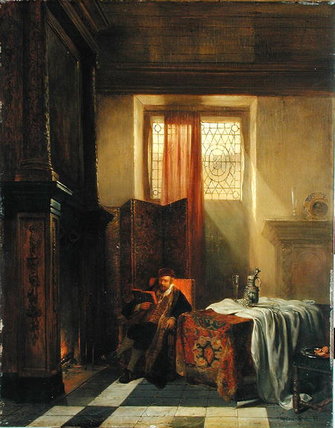
The Philosopher
 Читати далі
Придбайте цифрову копію високої роздільної здатності з покращеною якістю, що значно перевершує онлайн-перегляд.
Кожен файл ретельно підготовлений нашими фахівцями за допомогою сучасних інструментів та професійної ручної ретуші. Ми гарантуємо виняткову чіткість, точну передачу кольору та високу деталізацію кожного зображення.
Фінальний файл надсилається електронною поштою протягом 72 годин і оптимізований для негайного використання у професійних виданнях та друкованих матеріалах. Таку якість обирають провідні дизайнерські студії, видавництва та галереї.
Цифрове зображення
Завантажте файл високої роздільної здатності для особистого використання, друку та творчих проєктів. ( Перейти до друку Замовити репродукцію ручної роботи)
Переваги кожного замовлення цифрових зображень
Експертна цифрова доставка з гарантією якості
Обираючи OriginalUniqueArt.com, ви отримуєте не просто зображення — ви отримуєте професійно вдосконалений цифровий витвір мистецтва, створений з надзвичайною точністю та підкріплений гарантією задоволення. Ось усе, що автоматично додається до вашого замовлення:

Швидка доставка на email
Ваш цифровий файл із зображенням високої роздільної здатності буде надісланий вам електронною поштою протягом 72 годин після оформлення замовлення — він буде готовий до негайного використання.

Цифровий файл із покращенням ШІ
Ваш витвір мистецтва професійно оптимізовано за допомогою передових інструментів штучного інтелекту та ручної корекції, що забезпечує максимальну деталізацію, чіткість і точність передачі кольорів.

Безкоштовне повторне завантаження назавжди
Випадково видалили або втратили файл? Не хвилюйтеся — ми надішлемо його вам повторно в будь-який час безкоштовно.

Без митних зборів — ніколи
Насолоджуйтесь вашим витвором мистецтва миттєво без жодних мит, зборів або плати за доставку — цифрові завантаження завжди не оподатковуються.

Гарантія точності кольорів
Ми гарантуємо максимально точне відтворення оригінальних кольорів на вашому цифровому зображенні завдяки використанню професійних інструментів та систем управління кольором.

100-денна гарантія задоволення
Якщо ви не задоволені придбаним цифровим зображенням, ми внесемо правки або повернемо 100% вартості протягом 100 днів — без зайвих запитань.

Гарантія повернення 100% коштів
Незадоволені покупкою? Отримайте повне повернення коштів протягом 100 днів після отримання цифрового файлу — без зайвих запитань.

Знижки на оптові замовлення
Купуйте 3 зображення — заощаджуйте 10% — Купуйте 5 — заощаджуйте 15% — Купуйте 10+ — заощаджуйте 20%. Чудово підходить для творчих проєктів, галерей та агентств.
Біографія митця
The Crucible of Revolution: The Art of William Henry Hunt
William Henry Hunt, a name perhaps less familiar than those of his contemporaries like Turner or David, stands as a pivotal figure in the evolution of British watercolor painting during the tumultuous decades following the American Revolution. Born in Long Acre, London, in 1790, Hunt’s artistic journey was deeply intertwined with the burgeoning Romantic movement and the fervent desire to capture the spirit – and the memory – of a nation forged in revolution. His life, spanning from 1790 to 1864, witnessed a dramatic shift in artistic sensibilities, moving away from the rigid formality of Neoclassicism towards a more expressive and emotionally charged approach.
Hunt’s early training under John Varley, a landscape painter known for his atmospheric effects, provided him with a solid foundation. However, it was his association with the Society of Painters in Watercolors, founded in 1804, that truly shaped his artistic identity. This group, dedicated to elevating watercolor as a serious medium, offered Hunt a platform to develop his unique style – characterized by a remarkable sensitivity to light and color, coupled with an intimate understanding of human emotion. Unlike the grand historical paintings favored by some of his peers, Hunt primarily focused on scenes of rural life, domestic interiors, bird’s nests, and portraits, often imbued with a quiet melancholy or poignant beauty.
Hunt's artistic development was profoundly influenced by the legacy of William Blake, whose radical ideas about art, spirituality, and social justice resonated deeply with the young painter. Blake’s emphasis on symbolism and his exploration of the subconscious profoundly impacted Hunt’s work, particularly in his later paintings where he frequently employed allegorical imagery and explored themes of mortality, innocence, and experience. The influence is evident in works like “Pity” (1825), a haunting depiction of a young woman mourning her deceased child, which evokes a profound sense of sorrow and vulnerability – qualities characteristic of Blake’s art.
The Painter of Quiet Moments
While Hunt didn't participate in the grand historical commissions that defined many of his contemporaries, he nonetheless played a crucial role in shaping the visual culture of his time. His paintings weren’t epic narratives of battle or political upheaval; instead, they offered intimate glimpses into everyday life – the simple pleasures and sorrows of rural existence. He possessed an extraordinary ability to capture the fleeting beauty of nature, the tenderness of human relationships, and the subtle nuances of emotion. His watercolors of bird's nests, for example, are not merely botanical studies but rather delicate meditations on creation, fragility, and the interconnectedness of life.
Hunt’s subjects often reflected a growing interest in the natural world and the beauty of the English countryside – a trend that mirrored broader cultural shifts during the early 19th century. He was particularly drawn to scenes of rural poverty and hardship, depicting the lives of farmers, laborers, and other marginalized members of society with empathy and compassion. His paintings weren’t intended to offer moral judgments or didactic lessons; rather, they invited viewers to contemplate the human condition and to appreciate the dignity of ordinary people.
A Legacy in Watercolor
Hunt's contribution to watercolor painting extends beyond his individual works. He was a key figure in the development of the English school of watercolor, advocating for its acceptance as a legitimate art form alongside oil painting. He actively participated in artistic associations, such as the Royal Watercolour Society, which played a vital role in promoting and supporting watercolor artists. His dedication to the medium helped establish watercolor as a respected and versatile tool for artistic expression.
His later years were marked by a shift towards more introspective and symbolic works, reflecting his growing interest in spiritual themes. Works like “The Storming of the Bastille” (1830), while not entirely accurate historically, capture the spirit of revolutionary fervor and the yearning for freedom – themes that resonated deeply with contemporary audiences. Despite facing financial difficulties later in life, Hunt remained a prolific artist until his death in 1864, leaving behind a substantial body of work that continues to captivate viewers today.
Key Works & Characteristics
- Pity (1825): A poignant depiction of a young woman mourning her child, showcasing Hunt’s ability to convey profound emotion through subtle gestures and color.
- Bird's Nest (various dates): Delicate studies of bird nests, reflecting Hunt’s fascination with nature and his meticulous observation skills.
- The Storming of the Bastille (1830): A symbolic representation of revolutionary fervor, capturing the energy and chaos of the event while prioritizing emotional impact over historical accuracy.
- Portrait of a Young Woman (various dates): Demonstrates Hunt’s skill in capturing individual character and personality through subtle details and expressive brushwork.
Historical Significance
William Henry Hunt's work is significant not only for its artistic merit but also for its reflection of the social and cultural currents of his time. He was a keen observer of human nature, capturing the complexities of rural life and expressing empathy for those marginalized by society. His paintings offer valuable insights into the evolving attitudes towards art, nature, and the role of the artist in shaping public opinion. Hunt’s legacy lies in his ability to transform everyday moments into works of profound beauty and emotional resonance – a testament to the power of watercolor as an expressive medium.

bartholomeus johannes van hove
1790 - 1880