Contemporary Realism
Alice (Балтаз)
Балтаз (1908–2001) створив Alice. Він належить до напряму Contemporary Realism.

 Переглянути в інтер'єрі

 Картина олією ручної роботи
 Надіслати як листівку
 Поділитися
 Інформаційна картка


 Завантажити
 Схожі екземпляри
 Рентгенівське дослідження
 Слайд-шоу
 Питання та відповіді

 Статистика
Alice коротко
- Назва
- Alice
- Художник
- Балтаз (1908–2001)
- Рік народження митця
- Париж, Франція
- Сюжет
- nude figure, interior scene, contemplation, isolation, melancholy, portraiture
Зображення високої роздільної здатності Alice
Protected by copyright: these files are for personal reference, not a licence to republish.
Балтаз, Alice.
Відповіді на запитання про Alice
Які сюжети зображені у «Alice» роботи Балтаз?
Чи не захищений твір "Alice" авторським правом?
Хто є автором "Alice"?
До якого художнього напряму належить «Alice» роботи Балтаз?
Чи є твір «Alice» авторства Балтаз суспільним надбанням, і чому?
Яким чином твір "Alice" перегукується з іншими роботами Балтаз?
Яке місце посідає "Alice" серед постійних тем Балтаз?
Повторювані теми Балтаз включають recurring themes of solitude, refined, dreamlike imagery, classical painting tradition, european realism, 19th century, psychological portraiture; «Alice» зосереджується на nude figure, interior scene, contemplation, isolation, melancholy, portraiture, classical art, domesticity.
Про художника Балтаз

1908–2001, Франція
Балтаз
A World Apart: The Enigmatic Vision of Balthus Balthasar Klossowski de Rola, universally known as Balthus, remains one of the most compelling and persistently debated figures in 20th-century art. Born in Paris on February 29, 1908, into a family steeped in intellectual and artistic circles—his father, Erich Klossowski, was a respected art historian, while his mother, Baladine Klossowska, possessed a remarkable artistic sensibility herself—his life unfolded as a deliberate rejection of prevailing artistic trends. He wasn’t driven by a desire to break with tradition; rather, he sought to revitalize classical forms with a distinctly modern sensibility, crafting a world uniquely his own – a realm often unsettling, perpetually captivating. From the outset, Balthus cultivated an aura of mystery, resisting biographical interpretations and insisting that his paintings should be experienced directly, without the mediation of external commentary.
Також за участю Балтаз
 Вулиця1933
 Дівчина з кішкою1937
 The Guitar Lesson1934
 La Patience (Solitaire)
Есе до твору Alice
 Balthus: Exploring the Enigmatic World of Childhood, Myth & Modernist DisquietExplore the captivating world of Balthus – a master of figurative art renowned for dreamlike compositions & psychologically charged portrai…
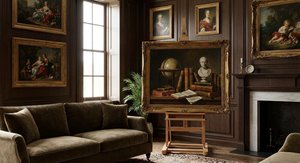 Топ-10 шедеврів академічного реалізму: мистецтво правдивості та краси для вашого домуПориньте у світ академічного реалізму! Відкрийте 10 шедеврів Бугро, Кабанеля та інших майстрів. Історія мистецтва, техніки живопису та ідеа…
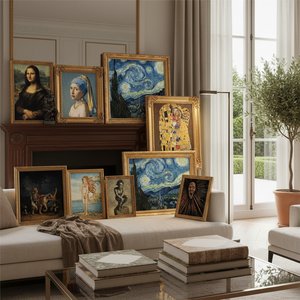 Топ-10 класичних творів мистецтва для вишуканого інтер'єру | OriginalUniqueArt.comВідкрийте для себе 10 класичних творів мистецтва від Леонардо да Вінчі, Ван Гога та інших геніїв! Історія, техніка та натхнення для вашого …