
 Переглянути в інтер'єрі
 Надіслати
 Поділитися
 Деталі
 Посібник

 Завантажити
 Схожі предмети колекціонування
 Рентгенівське дослідження
 Слайд-шоу
 Статистика переглядів
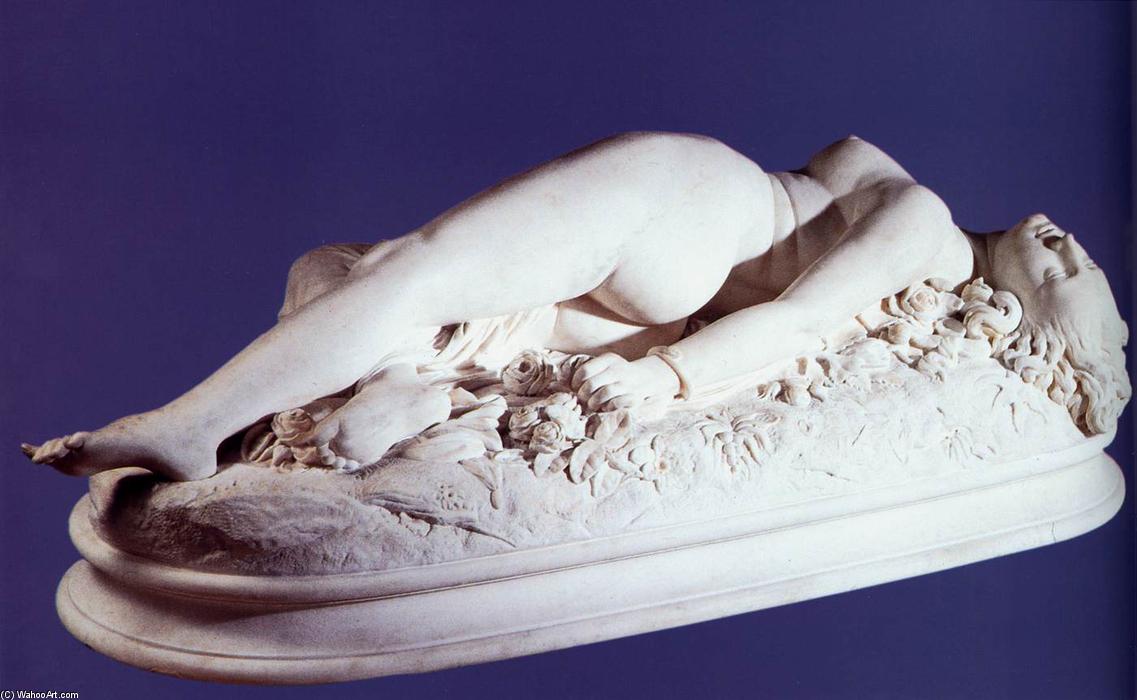
Woman Bitten by a Snake
 Neoclassicism
 1847
1847 56.0 x 180.0 cm
 Музей д’Орсе
 Читати далі
Гікле / Художній принт
Музейна якість друку جيкле або на полотні з оперативним виготовленням та різноманітними варіантами фінішної обробки. ( Купити картину ручної роботи Перейти до цифрових зображень)




P118B ₴10

P118H ₴10

P118W ₴10

P438Z ₴10

P508JH ₴12

P508YH ₴12

P805H ₴10

P805Z ₴10

P919BZ ₴10

P919G ₴10

P919XJ ₴10

P959ZH ₴10

P968JZ ₴12

W106C ₴8

W218G ₴10

W218JH ₴8

W218Y ₴10

W307PJ ₴10

W316G ₴10

W316PJ ₴8

W316Y ₴10

W398PJ ₴8

W4111J ₴10

W500HY ₴15

W500JH ₴15

W692G ₴12

W849H ₴8

W940BG ₴15

W953PJ ₴8




Обирайте з наших стандартних розмірів, що відповідають оригінальним пропорціям твору мистецтва.

Введіть необхідну ширину та висоту, щоб принт ідеально підійшов до вашої рами або стіни. Принт можна лише обрізати, але не можна зробити більшим за оригінал, тому при зміні пропорцій частина зображення буде втрачена. Перед друком ми надсилаємо вам цифровий макет для затвердження. Зображення на цій сторінці не відображає реальну обрізку — її можна побачити лише на макеті.
Доставка по всьому світу () за 2 тижні замість стандартних 4/5 тижнів. (24 Жовтень)

Безкоштовна експрес-доставка по всьому світу

Високоякісне лляне полотно

Повне страхове покриття доставки

Гарантія повернення митних зборів

Гарантія точного відтворення кольорів

Політика повернення протягом 100 днів (лише у разі виявлення дефектів)

Гарантія повернення 100% коштів

Знижка на оптові замовлення
 Скляний варіант доступний лише для розмірів до 110 см

Woman Bitten by a Snake
Гікле / Художній принт
Розмір репродукції
-


Загальна вартість
₴ 3596
A Serpent’s Embrace: Auguste Clésinger's *Woman Bitten by a Snake*
Auguste Clésinger’s 1847 marble sculpture, *Woman Bitten by a Snake*, is far more than a depiction of a dramatic, even unsettling, scene. It’s a potent distillation of Neoclassical ideals colliding with the burgeoning currents of Realism and Romanticism, a work that ignited controversy upon its debut at the Paris Salon and continues to hold an undeniable allure. The sculpture captures a moment of exquisite torment – a reclining nude female figure, her left arm entwined around a small serpent poised to deliver its venomous bite. The pose itself is crucial; it’s not one of passive suffering but of intense, almost ecstatic, vulnerability. Her body curves with a languid grace, yet every muscle seems taut with the sudden shock and pain of the attack. The drapery, meticulously carved to mimic the folds of luxurious fabric, cascades around her like a storm cloud, intensifying the drama and obscuring details while simultaneously emphasizing the contours of her form.
Neoclassical Roots, Romantic Intensity
Clésinger’s style firmly anchors *Woman Bitten by a Snake* within the Neoclassical tradition. The idealized beauty of the figure—a deliberate echo of classical sculpture—is evident in her balanced proportions and serene expression (despite the obvious distress). However, beneath this surface lies a distinctly Romantic sensibility. The heightened emotion, the dramatic lighting that casts deep shadows across her face and body, and the unsettling subject matter – a venomous bite – all point to an exploration of intense feeling and psychological depth, qualities often associated with the Romantic movement. The sculpture wasn’t simply about depicting a beautiful woman; it was about conveying a powerful emotional experience.
The Scandal and the Secret: A Life-Cast Revelation
The initial reception of *Woman Bitten by a Snake* at the 1847 Salon was explosive, not for its artistic merit alone, but due to a scandalous revelation. Theophile Gautier, a prominent literary critic and staunch defender of artistic integrity, exposed a secret behind Clésinger’s creation: the sculpture was based on a life-cast taken from Apollonie Sabatier, a celebrated *demi-mondaine* (a fashionable courtesan) who was also the muse of Charles Baudelaire. This practice of using actual models—particularly those with imperfections like cellulite – was considered highly unorthodox and even vulgar at the time. The revelation fueled public outrage, accusing Clésinger of exploiting his model’s physical flaws for artistic gain. The controversy surrounding the life-cast underscored a broader debate about the role of realism in art and the ethical considerations of representing the human body.
Symbolism and Interpretation: Venom, Beauty, and Desire
Beyond the scandal, *Woman Bitten by a Snake* is rich with symbolic meaning. The serpent itself is an ancient symbol of temptation, danger, and transformation – often associated with both death and rebirth. The bite represents not just physical pain but also a profound psychological wound, a loss of innocence or a confrontation with forbidden desires. The reclining pose suggests vulnerability and surrender, while the figure’s expression hints at a complex mixture of fear, pleasure, and resignation. Some scholars interpret the sculpture as an allegory for the perils of beauty and the seductive power of desire, suggesting that even in its idealized form, the female body remains susceptible to harm and corruption. The choice of marble, known for its durability and timelessness, further elevates the image, imbuing it with a sense of permanence and enduring fascination.
This reproduction captures the essence of Clésinger’s masterpiece, offering a stunning addition to any art collection or interior space. Its dramatic composition and evocative symbolism will undoubtedly spark conversation and admiration for years to come.
Запитання та відповіді
Що спільного у творі "Woman Bitten by a Snake" з рештою творчої спадщини Auguste Clésinger?
«Woman Bitten by a Snake» поділяє з іншими творами Auguste Clésinger характерний стиль Neoclassicism та притаманні йому теми: neoclassical mastery, monumental figures, salon success, classical antiquity, roman sculpture, renaissance ideals, idealized beauty, mythological allusion.
Яка дата створення та стиль твору «Woman Bitten by a Snake» Auguste Clésinger?
«Woman Bitten by a Snake» було створено у 1847 році в межах течії Neoclassicism.
Чи можу я побачити «Woman Bitten by a Snake» Auguste Clésinger на власній стіні перед покупкою?
Для твору "Woman Bitten by a Snake" доступна функція попереднього перегляду в доповненій реальності: на сторінці AR-перегляд ви можете побачити його у власному інтер'єрі за допомогою сумісного пристрою.
Біографія митця
Auguste Clésinger: Life and Legacy
Early Life and Training
- Born: October 22, 1814, in Besançon, France.
- Auguste Clésinger came from an artistic family; his father, Georges-Philippe Clésinger, was a sculptor who provided Auguste with his initial training.
- This early exposure instilled in him a foundational understanding of sculptural techniques and aesthetics.
Artistic Development and Style
- Clésinger’s artistic style evolved through the 19th century, initially embracing Neoclassical principles but gradually incorporating elements of Realism and Romanticism.
- He skillfully blended technical precision with emotional intensity in his works.
- His sculptures often depict dramatic narratives and sensuous figures, showcasing a mastery of anatomy and form.
Major Works and Achievements
- Woman Bitten by a Serpent (1847): This sculpture caused a sensation at the Paris Salon due to its dramatic realism and erotic undertones. It was modeled from life casts of Apollonie Sabatier.
- Madame Sabatier (1847): A marble portrait of his model, Apollonie Sabatier, further establishing Clésinger’s reputation for capturing beauty and sensuality.
- Chopin's Funerary Monument (1850): Commissioned after the composer Frédéric Chopin’s death, this white marble monument at Père Lachaise Cemetery is a poignant tribute to the musician.
- Angel of Grief: A deeply moving sculpture embodying Baroque drama and pathos.
- He also created busts of prominent figures like Rachel Félix and Théophile Gautier, and a statue of Louise of Savoy.
Influences and Relationships
- Influenced by: His father, Georges-Philippe Clésinger, provided his initial artistic foundation.
- Clésinger’s association with Apollonie Sabatier, a salonnière and mistress of several prominent artists including Charles Baudelaire, exposed him to intellectual and artistic circles.
- His marriage in 1847 to Solange Dudevant, daughter of George Sand, further connected him to literary society.
Historical Significance and Legacy
- Clésinger’s work reflects the artistic currents of 19th-century France, bridging Neoclassicism with emerging Realist tendencies.
- Recognition: He received the Knight's Cross of the Légion d'honneur in 1849 and was promoted to Officer in 1864.
- His sculptures continue to be admired for their technical skill, emotional depth, and dramatic impact. His works are displayed at prominent museums such as the Musée d’Orsay.
- Death: He died on January 5, 1883, in Paris, and is buried in Père Lachaise Cemetery.

Auguste Clésinger
1814 - 1883 , France
Довідкова інформація
- Birth Date: 1814-10-22
- Death Date: 1883-01-05
- Influenced: None, 'influenced by': 'Georges-Philippe Clésinger (father)', 'movement': ['Realism', 'Romanticism'], 'name': 'Auguste Clésinger', 'nationality': 'French', 'notable works': ['Woman Bitten by a Serpent', 'Angel of Grief', 'Madame Sabatier',
- Birth Place: Besançon, France
- Date Of Birth: 1814
- Date Of Death: 1883
- Place Of Birth: Besançon, France
Схожі статті

10 легендарних бронзових скульптур, що змінили мистецтво | OriginalUniqueArt
Відкрийте 10 легендарних бронзових скульптур, що змінили хід мистецтва! Дізнайтесь історії Мікеланджело, Родена та інших геніїв. Репродукції картин преміум-класу для вашого дому – на OriginalUniqueArt.com
Топ-25 шедеврів П’єра-Огюста Ренуара: мистецтво, краса та декор для вашого дому
Відкрийте для себе 25 найкращих шедеврів П’єра-Огюста Ренуара! Імпресіонізм, балерини, портрети – історія мистецтва та натхнення для вашого дому. Репродукції картин високої якості на OriginalUniqueArt.com.

10 Легендарних Бронзових Шедеврів, Які Змінили Мистецтво | OriginalUniqueArt
Відкрийте для себе 10 легендарних бронзових шедеврів, що змінили мистецтво! Історія створення, художні техніки та вплив скульпторів Ренесансу й Античності. Купуйте репродукції картин на OriginalUniqueArt.com – музейна якість для вашого дому.

Timeless Elegance: A Complete Guide to the Sublime Beauty and Artistry of Marble Sculpture
Discover the sublime beauty of marble art through an expert exploration of Renaissance and Neoclassical masterpieces. From the delicate textures of Carpeaux to the grandeur of Sansovino, immerse yourself in a guide to timeless elegance and sculptural perfection.

The Enduring Allure of Marble in Art History: From Classical Sculpture to Modern Abstraction
Explore the captivating history of marble sculpture from ancient Greece to modern art. Discover renowned artists like Canova & Michelangelo, carving techniques, and investment insights at OriginalUniqueArt.