
 Переглянути в інтер'єрі
 Надіслати
 Поділитися
 Деталі
 Посібник

 Завантажити
 Схожі предмети колекціонування
 Рентгенівське дослідження
 Слайд-шоу
 Статистика переглядів
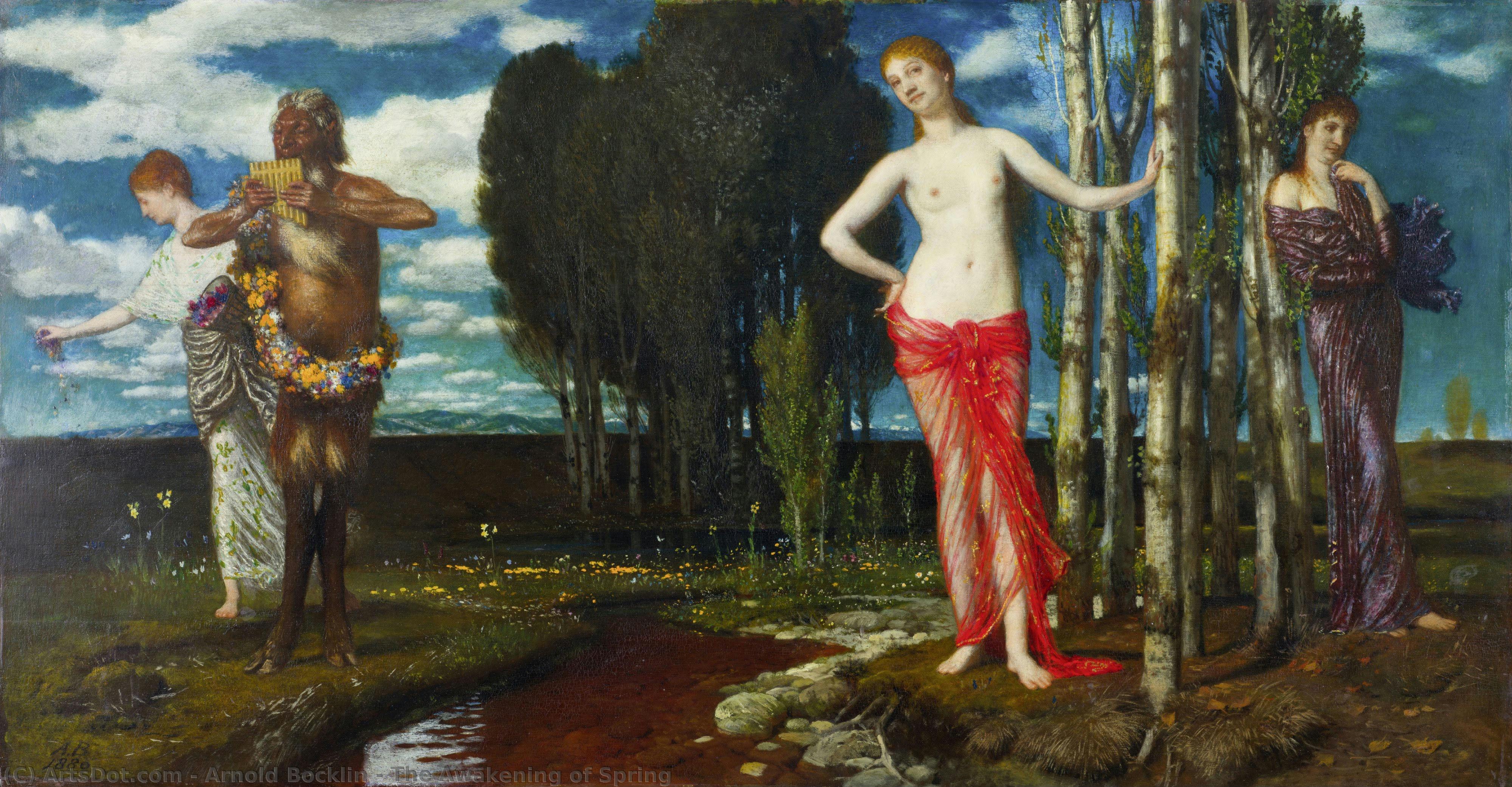
The Awakening of Spring


 Читати далі
Гікле / Художній принт
Музейна якість друку جيкле або на полотні з оперативним виготовленням та різноманітними варіантами фінішної обробки. ( Купити картину ручної роботи Перейти до цифрових зображень)




P118B $10

P118H $10

P118W $10

P438Z $10

P508JH $12

P508YH $12

P805H $10

P805Z $10

P919BZ $10

P919G $10

P919XJ $10

P959ZH $10

P968JZ $12

W106C $8

W218G $10

W218JH $8

W218Y $10

W307PJ $10

W316G $10

W316PJ $8

W316Y $10

W398PJ $8

W4111J $10

W500HY $15

W500JH $15

W692G $12

W849H $8

W940BG $15

W953PJ $8




Обирайте з наших стандартних розмірів, що відповідають оригінальним пропорціям твору мистецтва.

Ви можете вказати власні розміри, щоб репродукція ідеально підійшла до конкретної рами або інтер'єру. Якщо обраний вами розмір не відповідає пропорціям оригіналу, ми або обріжемо полотно, або розширимо зображення за допомогою дзеркального відображення чи суцільної заливки країв. Перед початком виробництва вам буде надіслано цифровий макет для затвердження.
Будь ласка, зверніть увагу, що попередній перегляд на екрані не відображає фактичне обрізання або розширення. Тільки макет точно покаже фінальну композицію.
Хоча можливість замовлення індивідуальних розмірів доступна, ми рекомендуємо обирати формат із попередньо визначеного списку, щоб зберегти оригінальні пропорції.
Доставка по всьому світу () за 2 тижні замість стандартних 4/5 тижнів. (25 Вересень)

Безкоштовна експрес-доставка по всьому світу

Високоякісне лляне полотно

Повне страхове покриття доставки

Гарантія повернення митних зборів

Гарантія точного відтворення кольорів

Політика повернення протягом 100 днів (лише у разі виявлення дефектів)

Гарантія повернення 100% коштів

Знижка на оптові замовлення
 Скляний варіант доступний лише для розмірів до 110 см

The Awakening of Spring
Гікле / Художній принт
Розмір репродукції
-


Загальна вартість
$ 80
A Dreamscape of Renewal: Arnold Böcklin’s “The Awakening of Spring”
Arnold Böcklin's "The Awakening of Spring" (Frühlingserwachen), painted in 1880, isn’t merely a depiction of springtime; it’s an immersion into a realm of potent symbolism and haunting beauty. This oil-on-wood panel, currently residing within the Kunsthaus Zürich’s collection, immediately draws the viewer into a world where the boundaries between reality and dream blur, inviting contemplation on themes of rebirth, mortality, and the ephemeral nature of existence. Böcklin, a pivotal figure in the Symbolist movement, masterfully employs muted colors—primarily blues, greens, and browns—to create an atmosphere of serene melancholy, a characteristic deeply rooted in his exploration of death and the subconscious.
The scene unfolds with a group of nude women, their forms graceful yet subtly melancholic, gathered around a cluster of blossoming trees. They are not engaged in boisterous revelry but rather seem lost in quiet contemplation, embodying a sense of serene detachment from the world. Their poses—one holding her hands to her hips, another gazing into the distance—suggest a profound connection with nature and an awareness of their own vulnerability within it. The figures aren’t presented as idealized beauties; instead, they possess a certain fragility and timelessness, reflecting Böcklin's fascination with archetypal imagery and the enduring power of myth.
The Roots of Symbolism: Context and Influences
To fully appreciate “The Awakening of Spring,” it’s crucial to understand the artistic currents that shaped Böcklin’s vision. The late 19th century witnessed a growing disillusionment with rationalism and industrialization, leading artists and intellectuals alike to seek solace in the realms of myth, folklore, and the subconscious. Symbolism, emerging from this context, rejected realism in favor of evocative imagery designed to stimulate emotional and spiritual responses. Böcklin’s work is profoundly influenced by Pre-Raphaelitism, particularly the romantic landscapes and allegorical figures of artists like William Holman Hunt and Dante Gabriel Rossetti. Furthermore, he drew inspiration from the writings of Edgar Allan Poe and the philosophies of Friedrich Nietzsche, incorporating elements of darkness, decay, and psychological intensity into his compositions.
The painting’s genesis is intertwined with a personal tragedy – Böcklin's daughter, Maria, died at a young age. This loss undoubtedly fueled his preoccupation with themes of mortality and the cyclical nature of life and death. The image of the “Isle of the Dead,” which he revisited repeatedly throughout his career, served as a visual anchor for these explorations, providing a framework for depicting the transition between worlds.
Decoding the Symbolism: Figures and Flora
Each element within "The Awakening of Spring" carries symbolic weight. The nude figures represent not just physical beauty but also vulnerability, innocence, and a connection to the natural world. Their lack of adornment emphasizes their essential nature, stripped bare of societal constraints. The trees themselves are laden with blossoms—a potent symbol of rebirth, fertility, and the promise of new beginnings. However, the muted palette and the figures’ somber expressions suggest that this renewal is not without its melancholy undertones. The presence of a single bird in the upper left corner adds another layer of meaning, representing hope and freedom amidst the prevailing atmosphere of quiet contemplation.
Notably, the painting echoes Botticelli's "Primavera," a work that itself embodies the themes of spring and renewal. Böcklin’s interpretation, however, is far more introspective and psychologically complex, reflecting his Symbolist sensibilities. The figures are not celebrating the arrival of spring; they are engaged in a silent dialogue with its mysteries—a meditation on life's fleeting beauty and inevitable decay.
A Timeless Resonance: Emotional Impact and Legacy
“The Awakening of Spring” continues to resonate deeply with viewers today, largely due to its evocative atmosphere and profound exploration of universal themes. It’s a painting that invites introspection, prompting us to consider our own relationship with nature, mortality, and the enduring power of dreams. The work's haunting beauty and subtle symbolism have cemented Böcklin’s place as one of the most important figures in Symbolist art, influencing generations of artists and inspiring countless interpretations. Reproductions of this masterpiece offer a window into a world of profound emotional depth—a testament to Böcklin’s extraordinary artistic vision.
Біографія митця
Early Life and Training
Арнольд Бёклін, швейцарський символіст-художник, народився 16 жовтня 1827 року в Базелі. Його батько, Крістіан Фредерік Бёклін, походив з давнього роду Шамфуазену та займався торгівлею шовком. Мати Арнольда, Урсула Ліппе, народилася в тому ж місті. Він навчався у Дюссельдоркській академії під керівництвом Шірмера, ставши другом Ансельма Фейербаха. Бёклін пов’язаний з Дюссельдорфською школою живопису.Artistic Career and Symbolism
Мистецький шлях Арнольда Бёкліна привів його до різних міст, зокрема Парижа, де він працював у Луврі, та Риму, де був під впливом його краєвидів. Його роботи часто зображали алегоричних і міфологічних фігур на тлі класичної архітектури, досліджуючи теми смерті та неминучості. Однією з найраніших робіт стала *Велика Оранжерея*, яка демонструвала давню міфологію. *Німфа та сатир* (1858) та *Сапфо* (1859) були знаковими творами цього періоду. Портрет "Я, з смертю на скрипці" (1872) Бёкліна окреслював його унікальний стиль.Legacy and Influence
Найбільш відомий Арнольд Бёклін за свої п’ять версій *Острова мертвих* (1880-1886), які викликали асоціації з англійським цвинтарем у Флоренції, де була похована його дочка. Його роботи вплинули на молодих художників, таких як Ганс Тома, і надихнули кілька пізньоромантичних композиторів. Клемент Грінберг стверджував, що робота Бёкліна є "одним з найбільш досконалих виразів" свого часу. Стиль Бёкліна перетинався зі стилем прерафаелітців, підкреслюючи світ мрій і містики.Museums and Collections
Роботи Бёкліна знаходяться в різних музеях, зокрема:- Публічна мистецька колекція (Базель, Швейцарія)
- Музей Базеля (Швейцарія)
- Музей мистецтв Цюріха (Цюріх, Швейцарія)
- Арнольд Бёклін – мистецтво
- Символізм в живописі
- Музей Базеля (Швейцарія): всеосяжний посібник
Арнольд Бёклін
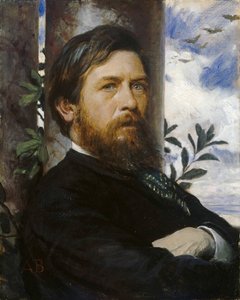
1827 - 1901 , Швейцарія
Довідкова інформація
- Artistic Movement Or Style: Символізм
- Artists Or Movements Influenced By This Artist:
- Ганс Тома
- Прерафаеліти
- Artists Who Influenced This Artist:
- Шірмер
- Фейербах
- Date Of Birth: 16 жовтня 1827
- Date Of Death: 16 січня 1901
- Full Name: Arnold Böcklin
- Nationality: Швейцарський
- Notable Artworks:
- Острів мертвих
- Німфа і сатир
- Сапфо
- Портрет себе з смертю на скрипці
- Place Of Birth: Бейсель, Швейцарія
Схожі статті

Arboreal Echoes: A Historical & Artistic Exploration of Trees in Painting
Explore the rich history of trees in painting! Discover symbolism, Romantic masterpieces by Caspar David Friedrich & beyond. A curated journey for art enthusiasts.
Portrayals of Power & Perception: A Historical Survey of Women in Art
Explore the rich history of women in art – from iconic muses to groundbreaking artists. Discover feminist movements & reclaim female narratives with OriginalUniqueArt. Expert insights for discerning collectors.

The Enduring Allure of the Nude: A Historical & Artistic Exploration of the Human Form
Explore the captivating history of nude art! Discover iconic paintings & artists from classical to modern eras. Uncover symbolism, techniques & find museum-quality reproductions at OriginalUniqueArt.
Arboreal Echoes: A Historical & Artistic Exploration of Trees in Painting
Explore the rich history of trees in painting! Discover symbolism, Romantic masterpieces by Caspar David Friedrich & beyond. A curated journey for art enthusiasts.

The Enduring Muse: Women as Subject & Symbol in Art History
Explore the rich history of women in art – from iconic muses to groundbreaking artists. Discover feminist movements, global perspectives & reclaim female narratives with OriginalUniqueArt.
