

 Переглянути в інтер'єрі
 Надіслати
 Поділитися
 Деталі
 Посібник

 Завантажити
 Схожі предмети колекціонування
 Рентгенівське дослідження
 Слайд-шоу
 Статистика переглядів
Shield with Gorgon


 Читати далі
Гікле / Художній принт
Музейна якість друку جيкле або на полотні з оперативним виготовленням та різноманітними варіантами фінішної обробки. ( Купити картину ручної роботи Перейти до цифрових зображень)




P118B ₴10

P118H ₴10

P118W ₴10

P438Z ₴10

P508JH ₴12

P508YH ₴12

P805H ₴10

P805Z ₴10

P919BZ ₴10

P919G ₴10

P919XJ ₴10

P959ZH ₴10

P968JZ ₴12

W106C ₴8

W218G ₴10

W218JH ₴8

W218Y ₴10

W307PJ ₴10

W316G ₴10

W316PJ ₴8

W316Y ₴10

W398PJ ₴8

W4111J ₴10

W500HY ₴15

W500JH ₴15

W692G ₴12

W849H ₴8

W940BG ₴15

W953PJ ₴8




Обирайте з наших стандартних розмірів, що відповідають оригінальним пропорціям твору мистецтва.

Введіть необхідну ширину та висоту, щоб принт ідеально підійшов до вашої рами або стіни. Принт можна лише обрізати, але не можна зробити більшим за оригінал, тому при зміні пропорцій частина зображення буде втрачена. Перед друком ми надсилаємо вам цифровий макет для затвердження. Зображення на цій сторінці не відображає реальну обрізку — її можна побачити лише на макеті.
Доставка по всьому світу () за 2 тижні замість стандартних 4/5 тижнів. (23 Жовтень)

Безкоштовна експрес-доставка по всьому світу

Високоякісне лляне полотно

Повне страхове покриття доставки

Гарантія повернення митних зборів

Гарантія точного відтворення кольорів

Політика повернення протягом 100 днів (лише у разі виявлення дефектів)

Гарантія повернення 100% коштів

Знижка на оптові замовлення
 Скляний варіант доступний лише для розмірів до 110 см

Shield with Gorgon
Гікле / Художній принт
Розмір репродукції
-


Загальна вартість
₴ 3589
Shield with Gorgon – A Meditation on Mortality and Ancient Myth
The sculpture “Shield with Gorgon’s Head,” created by Arnold Böcklin in 1897, stands as a haunting testament to the artist's fascination with Greco-Roman mythology and his profound contemplation of death. Exhibited prominently at the Musée d’Orsay in Paris, this piece transcends mere representation; it invites viewers into a realm of psychological exploration where beauty intertwines with unsettling truths. Böcklin, deeply influenced by Nietzschean philosophy – specifically the concept of eternal recurrence – sought to capture not just an image but an experience, mirroring the cyclical nature of existence and confronting us with our inevitable demise.Style and Technique: Symbolist Precision
Böcklin’s style aligns perfectly with the tenets of Symbolism, a movement that rejected realism in favor of conveying emotions and ideas through suggestive imagery rather than literal depiction. Unlike Impressionists who aimed to capture fleeting moments of light and color, Böcklin meticulously crafted his sculpture using a technique rooted in meticulous observation and symbolic distillation. The artist employed a combination of modeling clay and bronze casting – a process demanding considerable skill and patience – to achieve an astonishing level of detail. Notice the subtle gradations of tone within the Gorgon’s head; these aren't merely aesthetic choices but deliberate efforts to convey texture and depth, mirroring the complexities of human emotion. The smooth surface contrasts sharply with the rough contours of the snake’s coils, creating a visual dialogue that underscores the sculpture’s thematic concerns.Historical Context: Nietzschean Echoes and Late Romantic Sentiment
Böcklin's artistic output flourished during the waning years of the Romantic era, a period characterized by an obsession with emotion, imagination, and the sublime—experiences perceived as exceeding human comprehension yet simultaneously elevating the soul. However, Böcklin’s vision extended beyond traditional Romantic tropes; he actively engaged with the burgeoning intellectual currents of his time, particularly Nietzsche's proclamation that “God is dead.” This existential crisis fueled Böcklin’s exploration of themes like nihilism and mortality—concepts central to both Nietzschean thought and Symbolist art. The sculpture reflects a broader cultural preoccupation with confronting death not as an end but as a transformative stage in the cosmic cycle, mirroring Nietzsche's assertion that life itself is an affirmation of eternal recurrence.Symbolism Unleashed: Gorgon’s Head – Terror and Transformation
The Gorgon Medusa represents more than just monstrous horror; she embodies the terrifying power of transformation—a concept inextricably linked to Böcklin’s Symbolist worldview. According to Greek mythology, Medusa possessed snakes for hair that turned anyone who gazed upon them into stone. This image served as a potent symbol of inescapable fate and the destructive force of repressed emotions. The sculptor skillfully captures this duality: the Gorgon's gaze exudes palpable terror, yet simultaneously hints at an underlying process of metamorphosis—a suggestion that confronting death can lead to profound spiritual renewal. Böcklin’s deliberate use of serpentine coils reinforces this symbolism, representing both constriction and liberation – mirroring the artist’s own preoccupation with reconciling beauty and darkness.Emotional Impact: A Confrontation With Eternity
Ultimately, “Shield with Gorgon’s Head” compels viewers to confront their own mortality—to grapple with the inescapable reality that life is finite yet perpetually reborn. The sculpture's unsettling stillness invites contemplation, prompting us to consider our place within the grand scheme of cosmic time. Böcklin doesn’t offer comfort or reassurance; instead, he presents a stark portrait of existence stripped bare – confronting us with the beauty and terror inherent in accepting death as an inevitable component of life’s eternal dance. It is precisely this unflinching gaze—this refusal to shy away from uncomfortable truths—that secures “Shield with Gorgon’s Head”'s enduring power as a masterpiece of Symbolist art and a timeless meditation on the human condition.Запитання та відповіді
Яке розміщення найкраще підходить для формату «Shield with Gorgon» Арнольд Бёклін?
Формат Square для твору «Shield with Gorgon» Арнольд Бёклін рекомендовано розміщувати у Living Room. Формат та простір разом допомагають визначитися з розташуванням репродукції.
Як сюжет твору "Shield with Gorgon" перегукується із звичними темами Арнольд Бёклін?
Серед зафіксованих тем Арнольд Бёклін — greek mythology, symbolism, death, mortality themes, romantic idealism vision, classical forms beauty, medieval gothic style — «Shield with Gorgon» приділяє особливу увагу mythology, gorgon, snake, sculpture, classical, death, symbolism, medieval.
З яких матеріалів створено "Shield with Gorgon"?
Для створення «Shield with Gorgon» Арнольд Бёклін використав(ла) техніку Acrylic On Canvas. Саме ця техніка визначає матеріальну природу оригінального твору.
Біографія митця
Early Life and Training
Арнольд Бёклін, швейцарський символіст-художник, народився 16 жовтня 1827 року в Базелі. Його батько, Крістіан Фредерік Бёклін, походив з давнього роду Шамфуазену та займався торгівлею шовком. Мати Арнольда, Урсула Ліппе, народилася в тому ж місті. Він навчався у Дюссельдоркській академії під керівництвом Шірмера, ставши другом Ансельма Фейербаха. Бёклін пов’язаний з Дюссельдорфською школою живопису.Artistic Career and Symbolism
Мистецький шлях Арнольда Бёкліна привів його до різних міст, зокрема Парижа, де він працював у Луврі, та Риму, де був під впливом його краєвидів. Його роботи часто зображали алегоричних і міфологічних фігур на тлі класичної архітектури, досліджуючи теми смерті та неминучості. Однією з найраніших робіт стала *Велика Оранжерея*, яка демонструвала давню міфологію. *Німфа та сатир* (1858) та *Сапфо* (1859) були знаковими творами цього періоду. Портрет "Я, з смертю на скрипці" (1872) Бёкліна окреслював його унікальний стиль.Legacy and Influence
Найбільш відомий Арнольд Бёклін за свої п’ять версій *Острова мертвих* (1880-1886), які викликали асоціації з англійським цвинтарем у Флоренції, де була похована його дочка. Його роботи вплинули на молодих художників, таких як Ганс Тома, і надихнули кілька пізньоромантичних композиторів. Клемент Грінберг стверджував, що робота Бёкліна є "одним з найбільш досконалих виразів" свого часу. Стиль Бёкліна перетинався зі стилем прерафаелітців, підкреслюючи світ мрій і містики.Museums and Collections
Роботи Бёкліна знаходяться в різних музеях, зокрема:- Публічна мистецька колекція (Базель, Швейцарія)
- Музей Базеля (Швейцарія)
- Музей мистецтв Цюріха (Цюріх, Швейцарія)
- Арнольд Бёклін – мистецтво
- Символізм в живописі
- Музей Базеля (Швейцарія): всеосяжний посібник
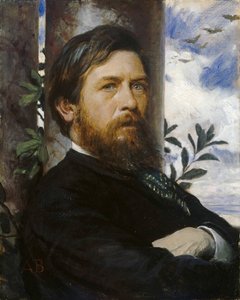
Арнольд Бёклін
1827 - 1901 , Швейцарія
Довідкова інформація
- Artistic Movement Or Style: Символізм
- Artists Or Movements Influenced By This Artist:
- Ганс Тома
- Прерафаеліти
- Artists Who Influenced This Artist:
- Шірмер
- Фейербах
- Date Of Birth: 16 жовтня 1827
- Date Of Death: 16 січня 1901
- Full Name: Arnold Böcklin
- Nationality: Швейцарський
- Notable Artworks:
- Острів мертвих
- Німфа і сатир
- Сапфо
- Портрет себе з смертю на скрипці
- Place Of Birth: Бейсель, Швейцарія
Схожі статті

Theatricality & Triumph: Baroque Drama in Painting & Sculpture
Explore the dramatic world of Baroque art! Discover its history, defining characteristics, & lasting influence on painting & sculpture. Expert insights into Caravaggio, Zurbarán, and Bernini – plus high-quality reproductions at OriginalUniqueArt.

The Enduring Form: Exploring Themes & Techniques in Sculpture Across Historical Periods
Explore the rich history of sculpture from ancient masterpieces to contemporary innovations. Discover key techniques, influential artists & investment potential for discerning art collectors.

10 легендарних бронзових скульптур, що змінили мистецтво | OriginalUniqueArt
Відкрийте 10 легендарних бронзових скульптур, що змінили хід мистецтва! Дізнайтесь історії Мікеланджело, Родена та інших геніїв. Репродукції картин преміум-класу для вашого дому – на OriginalUniqueArt.com

The Enduring Form: Sculpture Across History, Technique & Emotional Resonance
Explore the rich history of sculpture with OriginalUniqueArt. Discover key techniques, influential artists & investment potential for discerning collectors. Expert insights into valuing and collecting timeless masterpieces.

10 Легендарних Бронзових Шедеврів, Які Змінили Мистецтво | OriginalUniqueArt
Відкрийте для себе 10 легендарних бронзових шедеврів, що змінили мистецтво! Історія створення, художні техніки та вплив скульпторів Ренесансу й Античності. Купуйте репродукції картин на OriginalUniqueArt.com – музейна якість для вашого дому.
