
 Переглянути в інтер'єрі
 Надіслати як листівку
 Поділитися
 Деталі витвору
 Посібник

 Завантажити
 Схожі екземпляри
 Рентгенівське дослідження
 Слайд-шоу
 Q&A
Q&A Статистика
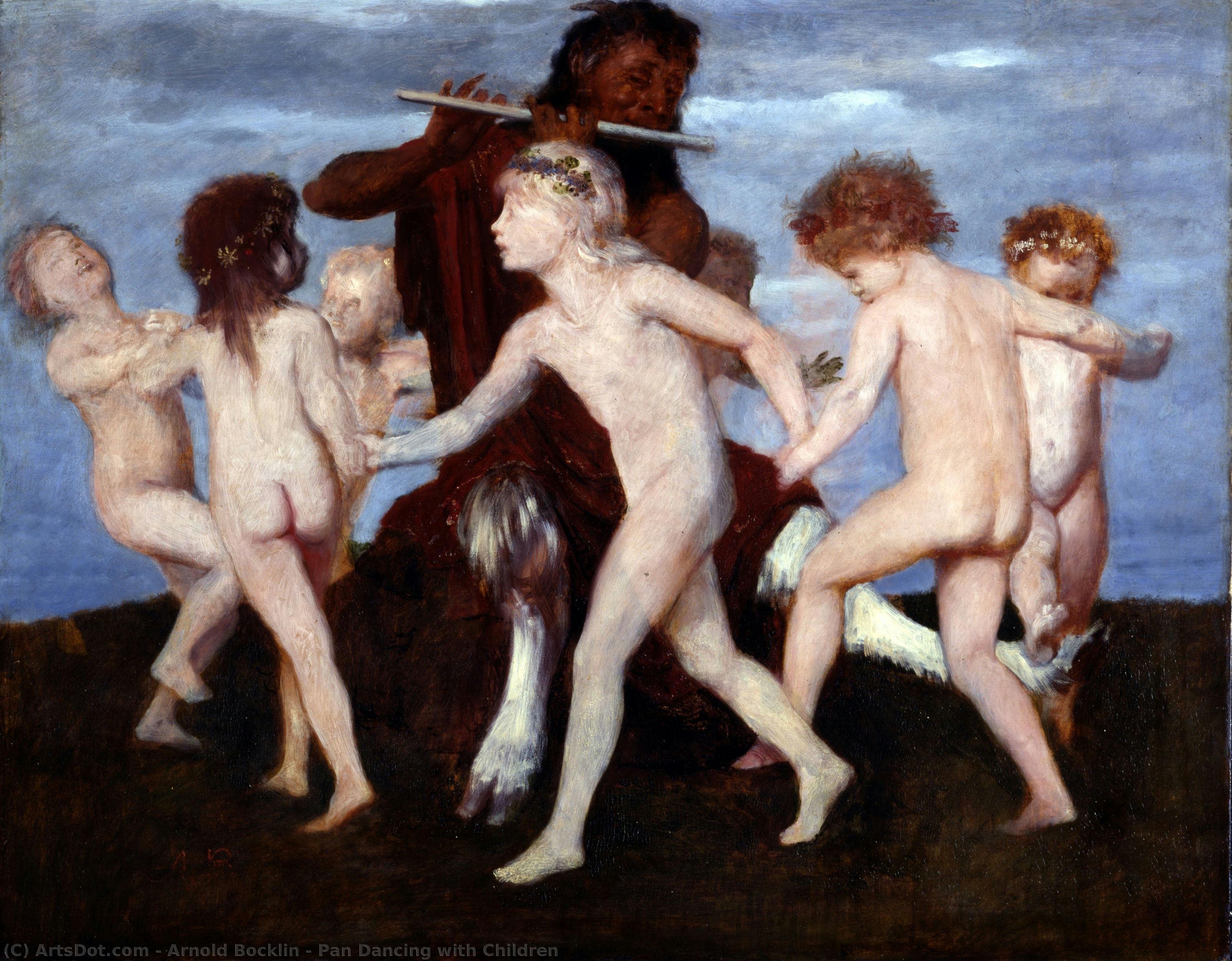
Pan Dancing with Children


 Розгорнути текст
Гікле / Художній принт
Друк جيкле або на полотні музейної якості з оперативним виготовленням та різноманітними варіантами фінішної обробки. ( Замовити картину ручної роботи Перейти до цифрових зображень)




P118B ₴10

P118H ₴10

P118W ₴10

P438Z ₴10

P508JH ₴12

P508YH ₴12

P805H ₴10

P805Z ₴10

P919BZ ₴10

P919G ₴10

P919XJ ₴10

P959ZH ₴10

P968JZ ₴12

W106C ₴8

W218G ₴10

W218JH ₴8

W218Y ₴10

W307PJ ₴10

W316G ₴10

W316PJ ₴8

W316Y ₴10

W398PJ ₴8

W4111J ₴10

W500HY ₴15

W500JH ₴15

W692G ₴12

W849H ₴8

W940BG ₴15

W953PJ ₴8




Обирайте з наших стандартних розмірів, що відповідають оригінальним пропорціям твору мистецтва.

Введіть необхідну ширину та висоту, щоб принт ідеально підійшов до вашої рами або стіни. Принт можна лише обрізати, але не можна зробити більшим за оригінал, тому при зміні пропорцій частина зображення буде втрачена. Перед друком ми надсилаємо вам цифровий макет для затвердження. Зображення на цій сторінці не відображає реальну обрізку — її можна побачити лише на макеті.
Доставка по всьому світу () за 2 тижні замість стандартних 4/5 тижнів. (31 Жовтень)

Безкоштовна експрес-доставка по всьому світу

Високоякісне лляне полотно

Повне страхове покриття доставки

Гарантія повернення митних зборів

Гарантія точного відтворення кольорів

Політика повернення протягом 100 днів (лише у разі виявлення дефектів)

Гарантія повернення 100% коштів

Пропозиція на оптові замовлення
 Скляний варіант доступний лише для розмірів до 110 см

Pan Dancing with Children
Гікле / Художній принт
Розмір репродукції
-


Підсумкова вартість
₴ 3586
The Enigmatic Dance: Arnold Böcklin’s “Pan Dancing with Children”
Arnold Böcklin's "Pan Dancing with Children," painted around 1884, isn’t merely a depiction of a pastoral scene; it’s an immersion into a realm of mythic beauty and unsettling serenity. This captivating work, currently residing within the Museum Folkwang in Essen, Germany, transcends simple representation, offering instead a profound meditation on childhood innocence, primal connection to nature, and the lingering presence of ancient spirits. Böcklin, a key figure in the Symbolist movement, masterfully employed a muted palette—primarily ochres, browns, and deep greens—to create an atmosphere thick with twilight and dreamlike suggestion. The figures themselves are rendered with a remarkable degree of detail, yet possess an almost ethereal quality, as if caught between worlds.
The painting’s composition is deliberately ambiguous. A central group of nude children, seemingly unburdened by adult concerns, frolic around Pan, the god of the wild, shepherds, and flocks. They are engaged in a variety of activities: playing musical instruments crafted from branches, holding hands in playful circles, and gazing upwards with an expression that blends curiosity and contentment. The inclusion of putti—small winged infants—further enhances the sense of otherworldly grace and innocence. Notice how Böcklin subtly integrates elements of classical mythology – the flute Pan holds is a direct reference to the god’s traditional instrument – alongside the rustic setting, creating a harmonious blend of ancient lore and contemporary observation.
A Glimpse into Symbolist Aesthetics
Böcklin's work firmly establishes him as a pivotal figure in the Symbolist movement, which sought to evoke emotions and ideas rather than simply depict reality. Rejecting the naturalism prevalent in earlier art movements, Symbolists like Böcklin prioritized subjective experience and explored themes of death, memory, and the subconscious. “Pan Dancing with Children” exemplifies this approach through its evocative atmosphere and symbolic imagery. The painting’s muted colors, soft lighting, and dreamlike quality contribute to a sense of melancholy and longing—a feeling that resonates deeply within the viewer.
The choice of nudity is particularly significant. It isn't presented in a provocative manner but rather as an embodiment of primal innocence and connection to nature. The children’s vulnerability underscores their purity, while their joyful dance suggests a liberation from worldly concerns. Böcklin’s meticulous attention to detail—from the texture of the children’s skin to the delicate folds of their clothing—further emphasizes their tangible presence within the scene.
Technique and Materials: A Masterful Blend
While often categorized as a painting, “Pan Dancing with Children” incorporates elements of mixed media. Böcklin skillfully combined oil paints with photographic techniques, creating a unique visual texture that blends the immediacy of photography with the depth and richness of traditional painting. This hybrid approach allowed him to capture fleeting moments of light and shadow, imbuing the scene with an unparalleled sense of realism. The use of layering and glazing—applying thin washes of paint over previous layers—contributes to the work’s luminous quality and creates a subtle interplay of colors.
The artist's background in Düsseldorf, associated with the school known for its emphasis on realistic depiction, is evident in the meticulous rendering of the figures and their surroundings. However, Böcklin departs from traditional academic techniques by prioritizing atmosphere and emotional impact over precise representation. This deliberate shift reflects his commitment to Symbolist principles and his desire to create a work that transcends mere visual observation.
Symbolism and Interpretation: Echoes of Ancient Myths
Beyond its aesthetic qualities, “Pan Dancing with Children” is rich in symbolic meaning. Pan himself represents the untamed spirit of nature—a force both benevolent and potentially dangerous. The children’s dance can be interpreted as a celebration of life, joy, and connection to the natural world. However, there's also an undercurrent of melancholy—a sense that this idyllic scene is fleeting and destined to fade away. The painting subtly evokes themes of mortality and the cyclical nature of time.
The inclusion of ancient myths – Pan’s role as a shepherd god, the presence of putti – connects the work to a broader cultural heritage, suggesting a timeless resonance between humanity and the natural world. Böcklin's masterful use of symbolism invites viewers to engage in their own interpretations, creating a deeply personal and emotionally resonant experience. Reproductions of this iconic artwork continue to captivate audiences with its haunting beauty and profound sense of mystery.
Питання та відповіді
«Pan Dancing with Children» роботи Арнольд Бёклін — це світлий чи темний твір мистецтва?
За рівнем сприйнятої яскравості, «Pan Dancing with Children» роботи Арнольд Бёклін є balanced.
Яке місце посідає «Pan Dancing with Children» роботи Арнольд Бёклін в історії мистецтва?
Історично «Pan Dancing with Children» є твором у стилі Symbolist Painting, що належить до ширшої епохи 19th Century.
Який рекомендований розмір та орієнтація для друку твору "Pan Dancing with Children"?
Розмір Medium, орієнтація Landscape: рекомендовані параметри друку для «Pan Dancing with Children» роботи Арнольд Бёклін.
Біографія митця
Early Life and Training
Арнольд Бёклін, швейцарський символіст-художник, народився 16 жовтня 1827 року в Базелі. Його батько, Крістіан Фредерік Бёклін, походив з давнього роду Шамфуазену та займався торгівлею шовком. Мати Арнольда, Урсула Ліппе, народилася в тому ж місті. Він навчався у Дюссельдоркській академії під керівництвом Шірмера, ставши другом Ансельма Фейербаха. Бёклін пов’язаний з Дюссельдорфською школою живопису.Artistic Career and Symbolism
Мистецький шлях Арнольда Бёкліна привів його до різних міст, зокрема Парижа, де він працював у Луврі, та Риму, де був під впливом його краєвидів. Його роботи часто зображали алегоричних і міфологічних фігур на тлі класичної архітектури, досліджуючи теми смерті та неминучості. Однією з найраніших робіт стала *Велика Оранжерея*, яка демонструвала давню міфологію. *Німфа та сатир* (1858) та *Сапфо* (1859) були знаковими творами цього періоду. Портрет "Я, з смертю на скрипці" (1872) Бёкліна окреслював його унікальний стиль.Legacy and Influence
Найбільш відомий Арнольд Бёклін за свої п’ять версій *Острова мертвих* (1880-1886), які викликали асоціації з англійським цвинтарем у Флоренції, де була похована його дочка. Його роботи вплинули на молодих художників, таких як Ганс Тома, і надихнули кілька пізньоромантичних композиторів. Клемент Грінберг стверджував, що робота Бёкліна є "одним з найбільш досконалих виразів" свого часу. Стиль Бёкліна перетинався зі стилем прерафаелітців, підкреслюючи світ мрій і містики.Museums and Collections
Роботи Бёкліна знаходяться в різних музеях, зокрема:- Публічна мистецька колекція (Базель, Швейцарія)
- Музей Базеля (Швейцарія)
- Музей мистецтв Цюріха (Цюріх, Швейцарія)
- Арнольд Бёклін – мистецтво
- Символізм в живописі
- Музей Базеля (Швейцарія): всеосяжний посібник
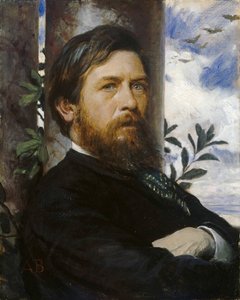
Арнольд Бёклін
1827 - 1901 , Швейцарія
Короткі факти
- Artistic Movement Or Style: Символізм
- Artists Or Movements Influenced By This Artist:
- Ганс Тома
- Прерафаеліти
- Artists Who Influenced This Artist:
- Шірмер
- Фейербах
- Date Of Birth: 16 жовтня 1827
- Date Of Death: 16 січня 1901
- Full Name: Arnold Böcklin
- Nationality: Швейцарський
- Notable Artworks:
- Острів мертвих
- Німфа і сатир
- Сапфо
- Портрет себе з смертю на скрипці
- Place Of Birth: Бейсель, Швейцарія
Пов'язані статті
Timeless Legends: A Curated Guide to the Eternal Allure of Mythological Masterpieces
Embark on a sophisticated journey through the eternal allure of mythological art. Discover how master painters breathe life into ancient legends, from Greek deities to Baroque masterpieces, and learn to curate these timeless narratives within your own exquisite art collection.
Echoes of Olympus: Mythological Narratives in Western Art Through the Ages
Explore the captivating history of mythological narratives in Western art! From ancient Greece to modern masterpieces, discover iconic artworks & symbolism. Expert analysis and high-quality reproductions at OriginalUniqueArt.
Sir Nathaniel Dance-Holland: Portraiture, Patronage & Georgian Identity
Explore the life & art of Sir Nathaniel Dance-Holland, a leading Georgian portraitist. Discover his masterful technique, influential patrons, and lasting impact on 18th-century British society. A guide for discerning collectors.
Move to the Beat: Bold & Iconic Dance Art to Electrify Your Space
Elevate your space with bold, iconic dance art. From street art vibes to Pop Art masterpieces, discover high-impact, hand-painted reproductions and custom commissions designed to move you. Transform your walls with the rhythm of contemporary culture.

Timeless Legends: The Eternal Allure of Mythological Figures in Masterpiece Art
Explore the profound beauty of mythological figures through the lens of art history. From Renaissance masterpieces to custom oil reproductions, discover how legendary tales of heroism and divinity are immortalized in fine art for discerning collectors.
