

 Переглянути в інтер'єрі
 Надіслати як листівку
 Поділитися
 Деталі витвору
 Посібник

 Завантажити
 Схожі екземпляри
 Рентгенівське дослідження
 Слайд-шоу
 Q&A
Q&A Статистика
Figure (verso)
 Surrealism
 70.0 x 55.0 cm
 Manx Museum
 Розгорнути текст
Гікле / Художній принт
Друк جيкле або на полотні музейної якості з оперативним виготовленням та різноманітними варіантами фінішної обробки. ( Замовити картину ручної роботи Перейти до цифрових зображень)




































Обирайте з наших стандартних розмірів, що відповідають оригінальним пропорціям твору мистецтва.

Введіть необхідну ширину та висоту, щоб принт ідеально підійшов до вашої рами або стіни. Принт можна лише обрізати, але не можна зробити більшим за оригінал, тому при зміні пропорцій частина зображення буде втрачена. Перед друком ми надсилаємо вам цифровий макет для затвердження. Зображення на цій сторінці не відображає реальну обрізку — її можна побачити лише на макеті.
Доставка по всьому світу () за 2 тижні замість стандартних 4/5 тижнів. (31 Жовтень)

Безкоштовна експрес-доставка по всьому світу

Високоякісне лляне полотно

Повне страхове покриття доставки

Гарантія повернення митних зборів

Гарантія точного відтворення кольорів

Політика повернення протягом 100 днів (лише у разі виявлення дефектів)

Гарантія повернення 100% коштів

Пропозиція на оптові замовлення
 Скляний варіант доступний лише для розмірів до 110 см

Figure (verso)
Гікле / Художній принт
Розмір репродукції
-


Підсумкова вартість
₴ 3586
Біографія митця
The Poet of Craftsmanship: The Life and Legacy of Archibald Knox
In the delicate interplay between ancient tradition and the burgeoning pulse of modernity, few names resonate with as much quiet elegance as Archibald Knox. Born on April 9th, 1864, in the tranquil village of Cronkbourne near Tromode, Isle of Man, Knox was a man whose very essence seemed woven from the intricate patterns of his heritage. A designer of Scottish descent, his life’s work became a profound synthesis of the Arts and Crafts ideals, the mystical symbolism of the Celtic Revival, and the clean, structural clarity of early Modernism. He did not merely create objects; he composed visual poems that bridged the gap between the utilitarian and the sublime, leaving an indelible mark on the decorative arts of the twentieth century.
The foundations of Knox’s meticulous artistry were laid in his childhood, shaped by the disciplined hands of his father, William Knox. As a skilled cabinet maker at Moore’s Tromric Works, William instilled in his son an reverence for material and a profound appreciation for the integrity of craftsmanship. This early exposure to the tactile world of wood and metal would later manifest in Archibald's ability to breathe life into even the most humble substances. His formal journey took him to the Glasgow School of Art, where he studied under the influential Charles Napier Fry. It was here that the seeds of his commitment to the Arts and Crafts movement were sown—a philosophy rooted in a rejection of the soullessness of industrial mass production in favor of a soulful, handcrafted approach that honored both the maker and the medium.
A Symbiosis of Heritage and Modernity
Knox’s artistic vocabulary was deeply enriched by the Celtic Revival, a movement that sought to rediscover and celebrate Gaelic culture. He drew immense inspiration from the ancient, interwoven knotwork and stylized flora of Manx heritage, translating these ancestral motifs into a contemporary language. This ability to look backward to move forward allowed him to create designs that felt both timeless and strikingly new. His work was never stagnant; it flowed between the organic curves of Art Nouveau and the bold, geometric precision that would eventually define the Modern Style.
The most luminous chapter of his career unfolded within the hallowed halls of Liberty London. Serving as the chief designer for Arthur Lasenby Liberty from 1897 until his death in 1933, Knox became the silent architect of one of Britain’s most iconic aesthetic eras. While Liberty famously kept their designers anonymous, the unmistakable "Knox style" became a global phenomenon. His contributions were vast and varied, ranging from the exquisite Cymric range of precious metalwork to the celebrated Tudric pewter collections. Through these pieces, he brought high art into the domestic sphere, proving that everyday objects—be they inkwells, jewelry, or tableware—could serve as vessels for profound beauty.
A Boundless Creative Vision
The sheer breadth of Knox’s talent is difficult to overstate. He was a polymath of design, possessing an uncanny ability to apply his aesthetic principles to almost any surface or medium. His creative output included:
- Metalwork and Jewelry: The creation of the legendary Cymric and Tudric ranges, characterized by textured surfaces and rhythmic patterns.
- Graphic Arts and Typography: A mastery of calligraphy and font design that integrated seamlessly with his decorative motifs.
- Architectural Elements: Designing everything from intricate house details to the poignant gravestone for Arthur Lasenby Liberty.
- Fine Arts: Exploring the emotive depths of watercolours and even surrealist oil paintings that captured a dreamlike, symbolic atmosphere.
Ultimately, Archibald Knox’s significance lies in his role as a bridge-builder. He connected the rugged, ancient spirit of the Isle of Man to the sophisticated urbanity of London; he connected the hand-wrought traditions of the past to the streamlined efficiency of the future. Though he lived through an era of rapid industrial change, he remained steadfast in his mantra: "Aim for order, hope for beauty." His legacy remains a testament to the idea that true design does not merely decorate life—it elevates it.

Archibald Knox
1864 - 1933
Короткі факти
- Full Name: Archibald Knox
- Nationality: Scottish Descent
- Date Of Birth: 1864
- Date Of Death: 1933
- Place Of Birth: Cronkbourne, Isle of Man
- Notable Artworks:
- Liberty's Iconic Designs
- Tudric Pewter Range
- Artistic Movement Or Style: Arts and Crafts Movement
- Artists Who Influenced This Artist: ['William Morris']
- Artists Or Movements Influenced By This Artist: ['Arthur Lasenby Liberty']
Пов'язані статті

Топ-10 шедеврів абстрактного експресіонізму: мистецтво, яке змінила епоху | OriginalUniqueArt.com
Відкрийте для себе 10 шедеврів абстрактного експресіонізму! Дізнайтесь історію Поллока, Ротко та інших геніїв. Репродукції картин преміум-якості для вашого дому від OriginalUniqueArt.com. Дослідіть колекцію онлайн!

Beyond the Lines: Mastering the High-Impact World of Contemporary Abstraction
Master the high-impact world of contemporary abstraction. Discover how bold colors, textures, and modern movements like Abstract Expressionism can transform your space with premium, high-energy art curated for the design-conscious professional.
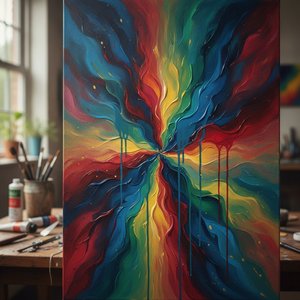
Lyrical Abstraction: The Emotional Power of Color and Form in Modern Art History
Explore the profound emotional depth of Lyrical Abstraction. Discover how masters like Raymond Parker used color and form to bridge Impressionism and Abstract Expressionism. Learn about this pivotal movement through our expert-led art history guide.

Топ-10 шедеврів геометричної абстракції: мистецтво для вашого інтер'єру від OriginalUniqueArt.com
Відкрийте для себе 10 шедеврів геометричної абстракції від Кандинського, Малевича та Мондріана! Історія мистецтва, кольори та форми. Репродукції картин преміум-класу на OriginalUniqueArt.com – ідеальний декор для вашого дому.
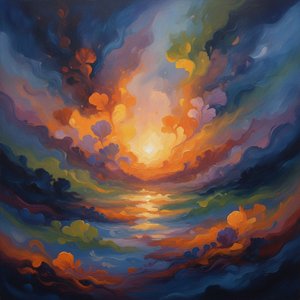
The Soul of Color: A Journey into the Emotional Resonance of Lyrical Abstraction
Embark on a cultural journey through Lyrical Abstraction. Explore how masters like Kandinsky used color and motion to translate emotion into visual poetry. Discover the profound beauty of abstract expressionism and learn to curate emotional resonance in your own art collection.