

 Переглянути в інтер'єрі
 Надіслати як листівку
 Поділитися
 Деталі витвору
 Посібник

 Завантажити
 Схожі екземпляри
 Рентгенівське дослідження
 Слайд-шоу
 Статистика
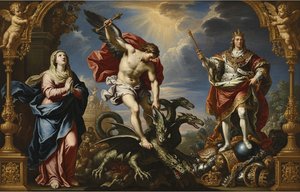
St sebastian

 Розгорнути текст
Олійная репродукція ручної роботи
Написана вручну олією на полотні у вашому розмірі та рамі, виготовлена на замовлення нашими художниками. ( Перейти до друку Перейти до цифрових зображень)




































Обирайте з наших стандартних розмірів, що відповідають оригінальним пропорціям твору мистецтва.

Введіть необхідну ширину та висоту, щоб картина підійшла до вашої рами або стіни. Оскільки це ручний розпис, для зміни пропорцій художник може дописати трохи більше по краях або дещо обрізати композицію — вибір за вами. Перед початком роботи ми надішлемо вам цифровий макет для затвердження. Зображення, показане на цій сторінці, не є реальним результатом — лише макет відображає майбутній вигляд.
Після оформлення замовлення команда OriginalUniqueArt.com зв'яжеться з клієнтом електронною поштою для отримання інструкцій та надасть попередній макет
Доставка по всьому світу () за 3–4 тижні замість стандартних 5 тижнів. (25 Жовтень). Без жодних компромісів у якості.

Безкоштовна експрес-доставка по всьому світу

Високоякісне лляне полотно

Повне страхове покриття доставки

Гарантія повернення митних зборів

Гарантія точного відтворення кольорів

Політика повернення протягом 100 днів (лише у разі виявлення дефектів)

Гарантія повернення 100% коштів

Пропозиція на оптові замовлення
 Скляний варіант доступний лише для розмірів до 110 см

St sebastian
Матеріал репродукції
Розмір репродукції
-


Підсумкова вартість
₴ 15709
Біографія митця
The Grandeur of the Venetian Spirit
Antonio Bellucci stands as a luminous figure within the Venetian artistic tradition, a master whose brush captured the transition from the dramatic intensity of the Baroque to the airy elegance of the Rococo. Born in 1654 in Pieve di Soligo, Italy, Bellucci’s early training under Domenico Difnico in Sebénico provided him with a rigorous foundation in classical principles. However, it was his arrival in Venice that truly ignited his creative spirit. By 1675, he was already making significant contributions to the city's sacred spaces, most notably through his monumental frescoes for San Pietro di Castello. In these works, depicting Saint Lorenzo Giustiniani’s fervent prayers during the plague of 1447, Bellucci demonstrated an extraordinary ability to weave together religious devotion and human emotion, creating a sense of divine drama that resonated deeply with the Venetian public.
His talent was not confined to the spiritual realm; Bellucci possessed a versatile mastery over various genres, from the intimate tenderness of nativity scenes for the church of Ascension to the sweeping narratives of classical mythology. A defining characteristic of his development was his collaborative spirit. He worked in close harmony with the landscape painter Antonio Tempesta, where Bellucci’s skill in rendering human figures breathed life and narrative complexity into Tempesta's expansive vistas. This synergy between figure and landscape became a hallmark of his maturing style, blending movement and grace with structural depth.
A Courtly Ascent and European Legacy
As his reputation grew, Bellucci’s ambitions carried him far beyond the borders of the Venetian Republic, leading him to the heart of European power. His periods in Vienna during the late seventeenth and early eighteenth centuries marked a pinnacle in his career, as he secured the prestigious patronage of the Habsburg court. Under the gaze of Emperor Charles VI, Bellucci undertook monumental projects that showcased his technical prowess on an imperial scale. The four altarpieces he created for Klosterneuburg serve as enduring testaments to his ability to command large-scale religious compositions with both majesty and clarity.
The zenith of his architectural painting is perhaps best exemplified by the breathtaking ceiling frescoes at Palais Liechtenstein. In depicting the Triumph of Hercules, Bellucci utilized the grand manner to create an immersive experience, where mythological heroism meets the sophisticated aesthetics of the burgeoning Rococo era. This ability to synthesize classical grandeur with a lighter, more decorative touch allowed him to navigate the changing tastes of the European aristocracy with ease.
Beyond his individual achievements, Bellucci’s historical significance is cemented by his role as a mentor and an influential force in the lineage of Italian art. Through his instruction of talented students such as Antonio Balestra and potentially Jacopo Amigoni, he ensured that the sophisticated techniques of the Venetian school would endure and evolve. His legacy remains etched in the ceilings of palaces and the altars of cathedrals, representing a period of unparalleled artistic splendor where light, movement, and myth converged to celebrate the human and the divine.

Antonio Bellucci
1654 - 1726 , Italy
Короткі факти
- Artistic Movement Or Style: Rococo
- Artists Or Movements Influenced By This Artist: ['Venetian Art']
- Artists Who Influenced This Artist: ['Domenico Difnico']
- Date Of Birth: 1654
- Date Of Death: 1726
- Full Name: Antonio Bellucci
- Nationality: Italian
- Notable Artworks:
- St Lorenzo Giustiniani Praying
- Nativity
- Hercules Triumph
- Place Of Birth: Pieve di Soligo, Italy
Пов'язані статті

Baroque Classicism: The Grandeur of Order and Drama in 17th-Century Art History
Explore the profound elegance of Baroque Classicism. Discover how 17th-century masters synthesized dramatic emotion with classical order through the lens of the Counter-Reformation and the works of legends like Carlo Maratta and Andrea Sacchi.
The Dramatic Flourish: Exploring Themes of Power, Faith & Emotion in Baroque Artworks
Explore the dramatic world of Baroque art! Discover masters like Zurbarán & the powerful influence of religious zeal on painting techniques. Expert insights for collectors and enthusiasts.

Топ-25 шедеврів Ель Греко: ікона живопису для вашого інтер'єру | OriginalUniqueArt
Відкрийте для себе 25 найзнаковіших шедеврів Ель Греко! Пориньте в світ іспанського живопису, манералізму та духовного мистецтва. Розкішні репродукції картин на OriginalUniqueArt.com – для вашого вишуканого інтер'єру. Дослідіть повну колекцію онлайн!

The Dramatic Flourish: Exploring the Baroque Movement's Enduring Legacy in Art History
Explore the dramatic world of Baroque art! Discover iconic artists like Caravaggio & Rubens, defining techniques, and its lasting impact on art history. Expert insights for collectors & enthusiasts at OriginalUniqueArt.

Theatricality & Triumph: Baroque Drama in Painting & Sculpture
Explore the dramatic world of Baroque art! Discover its history, defining characteristics, & lasting influence on painting & sculpture. Expert insights into Caravaggio, Zurbarán, and Bernini – plus high-quality reproductions at OriginalUniqueArt.


