

 Переглянути в інтер'єрі
 Надіслати
 Поділитися
 Деталі
 Посібник

 Завантажити
 Схожі предмети колекціонування
 Рентгенівське дослідження
 Слайд-шоу
 Статистика переглядів
Palau Güell, Barcelona


 Читати далі
Гікле / Художній принт
Музейна якість друку جيкле або на полотні з оперативним виготовленням та різноманітними варіантами фінішної обробки. ( Купити картину ручної роботи Перейти до цифрових зображень)




P118B $10

P118H $10

P118W $10

P438Z $10

P508JH $12

P508YH $12

P805H $10

P805Z $10

P919BZ $10

P919G $10

P919XJ $10

P959ZH $10

P968JZ $12

W106C $8

W218G $10

W218JH $8

W218Y $10

W307PJ $10

W316G $10

W316PJ $8

W316Y $10

W398PJ $8

W4111J $10

W500HY $15

W500JH $15

W692G $12

W849H $8

W940BG $15

W953PJ $8




Обирайте з наших стандартних розмірів, що відповідають оригінальним пропорціям твору мистецтва.

Ви можете вказати власні розміри, щоб репродукція ідеально підійшла до конкретної рами або інтер'єру. Якщо обраний вами розмір не відповідає пропорціям оригіналу, ми або обріжемо полотно, або розширимо зображення за допомогою дзеркального відображення чи суцільної заливки країв. Перед початком виробництва вам буде надіслано цифровий макет для затвердження.
Будь ласка, зверніть увагу, що попередній перегляд на екрані не відображає фактичне обрізання або розширення. Тільки макет точно покаже фінальну композицію.
Хоча можливість замовлення індивідуальних розмірів доступна, ми рекомендуємо обирати формат із попередньо визначеного списку, щоб зберегти оригінальні пропорції.
Доставка по всьому світу () за 2 тижні замість стандартних 4/5 тижнів. (27 Вересень)

Безкоштовна експрес-доставка по всьому світу

Високоякісне лляне полотно

Повне страхове покриття доставки

Гарантія повернення митних зборів

Гарантія точного відтворення кольорів

Політика повернення протягом 100 днів (лише у разі виявлення дефектів)

Гарантія повернення 100% коштів

Знижка на оптові замовлення
 Скляний варіант доступний лише для розмірів до 110 см

Palau Güell, Barcelona
Гікле / Художній принт
Розмір репродукції
-


Загальна вартість
$ 80
Palau Güell: Gaudí's Vision of Catalan Modernisme
The Palau Güell stands as a testament to Antoni Gaudí’s unparalleled genius and the burgeoning spirit of Catalan Modernisme at the turn of the century. Commissioned by Eusebi Güell, a wealthy industrialist with ambitious visions for Barcelona’s transformation, this mansion isn’t merely a building; it's an embodiment of Gaudí’s revolutionary aesthetic principles—a harmonious fusion of nature, geometry, and craftsmanship that continues to inspire awe today. Situated in the heart of El Raval, Barcelona’s historic Jewish quarter, its location reflects Güell’s desire to elevate Barcelona as a cosmopolitan center of culture and innovation.- Architectural Style: Gaudí's approach defied conventional architectural norms, prioritizing organic forms inspired by geological structures like stalactites and stalagmites. The Palau Güell showcases this influence prominently in its undulating walls and ceilings, creating an illusion of movement and depth that challenges the viewer’s perception of space.
- Materials & Technique: Gaudí skillfully employed a diverse palette of materials—polished limestone, ceramic tiles, wrought iron—each meticulously chosen to contribute to the building's overall textural richness. The innovative use of hydraulic lime mortar allowed for unprecedented flexibility and sculptural possibilities, enabling Gaudí to achieve breathtaking curves and intricate detailing unattainable with traditional methods.
- Symbolism: Beyond its structural brilliance, Palau Güell is laden with symbolic references rooted in Catalan folklore and Christian iconography. The undulating façade mimics the contours of a seashell, symbolizing purity and fertility—a deliberate nod to Güell’s familial heritage. Similarly, the intricate mosaics adorning the interior walls depict biblical scenes, reflecting Gaudí's devout faith and conveying messages of hope and redemption.
The Roof: A Marvel of Engineering and Artistic Imagination
Perhaps Palau Güell’s most celebrated feature is its rooftop garden—a daring experiment in structural engineering that redefined the possibilities of urban landscaping. Gaudí conceived of a terraced platform resembling a honeycomb, supported by parabolic arches constructed without centering—a feat of architectural ingenuity that astonished contemporaries. The undulating surface of the roof mimics the patterns found in beehives, symbolizing productivity and harmony with nature. Plants are strategically positioned to maximize sunlight exposure and create a tranquil oasis amidst the bustling city below. This audacious design solidified Gaudí’s reputation as a visionary innovator who dared to challenge established conventions.A Legacy of Innovation
Palau Güell represents more than just an architectural masterpiece; it embodies the spirit of Catalan Modernisme—a movement that sought to revitalize Catalan culture and identity through artistic experimentation. Gaudí’s groundbreaking techniques and his profound understanding of natural forms continue to inspire architects and artists worldwide. Visiting Palau Güell offers a glimpse into the creative fervor of Barcelona's Belle Époque, reminding us of the transformative power of imagination and the enduring beauty of art that transcends time. Its influence can be seen in countless buildings across Catalonia and beyond—a lasting testament to Gaudí’s unparalleled contribution to architectural history.Further Exploration
For a deeper understanding of Gaudí's artistic vision, consider exploring his other iconic works: Sagrada Família, Park Güell, Casa Batlló, and Casa Milà (La Pedrera). These buildings showcase Gaudí’s unwavering commitment to pushing the boundaries of architectural innovation while simultaneously celebrating the splendor of Catalan heritage.Біографія митця
Antoni Gaudí i Cornet – A Life Forged in Stone and Faith
Antoni Gaudí i Cornet, born on June 25, 1852, in the Catalan town of Reus, Spain, was not merely an architect; he was a visionary who sculpted dreams into reality. His life story is as captivating and unconventional as the buildings that bear his indelible mark – structures that continue to inspire awe and wonder centuries later. Growing up amidst the rolling hills and rugged landscapes of Catalonia profoundly shaped Gaudí’s artistic sensibility. Even as a child, he displayed an extraordinary aptitude for observation, meticulously studying the forms and textures of nature—a fascination that would become the bedrock of his singular architectural language. Family life was marked by both comfort and constraint; his father, a coppersmith, instilled in him a deep respect for craftsmanship, while his mother’s unwavering Catholicism fostered a profound spiritual connection that permeated his later artistic endeavors. These formative experiences laid the foundation for a career dedicated to harmonizing art, nature, and faith—a pursuit that would define his entire life. His formal education commenced at the Piarist school in Reus, followed by studies at the University of Barcelona before ultimately enrolling in the Provincial School of Architecture, where he graduated in 1878. Remarkably, Gaudí’s talent was recognized early on by his professors, who acknowledged his skill but often struggled to reconcile it with prevailing architectural conventions. He supplemented his academic pursuits by working as a draughtsman for architect Josep Fontserè i Mestres, contributing to projects like Ciutadella Park in Barcelona—an initial glimpse into the urban panoramas he would soon transform. This early exposure to diverse artistic styles undoubtedly broadened his horizons and honed his observational skills – qualities that would prove invaluable throughout his illustrious career.The Blossoming of a Unique Vision
Gaudí’s inaugural commissions showcased a developing style characterized by skillful blending of historical influences—Neo-Gothic Revival and Orientalism—yet it was his innate ability to transcend imitation and forge something entirely new that distinguished him from his contemporaries. The Casa Vicens (1883–1888) stands as an early testament to this burgeoning originality, its Moorish and Gothic Revival elements interwoven with a vibrant palette and intricate detailing. Notably, Gaudí utilized recycled ceramic shards—a technique he termed *trencadís*—to create dazzling mosaics that defied conventional decorative practices. This innovative approach reflected his profound connection to nature and his belief in harnessing natural materials to achieve aesthetic grandeur. Simultaneously, Gaudí undertook the ambitious undertaking of constructing Sagrada Família basilica (begun in 1883), a project that would consume him until his death—a monumental edifice conceived as a “stone bible,” embodying Christian symbolism at every level. He radically reimagined Neo-Gothic architecture, rejecting rigid symmetry and embracing organic forms inspired by parabolic arches and catenary curves—structural breakthroughs that revolutionized the field. His architectural philosophy revolved around an unwavering reverence for nature. Gaudí meticulously studied seashells, trees, and animal skeletons, seeking to emulate their structural principles in his designs. This biomimicry wasn’t merely aesthetic; it underpinned his innovative structural techniques—particularly the equilibrated structure he pioneered, which relied on tilted columns and lightweight tile vaults to distribute weight efficiently without external bracing. Beyond nature, Gaudí's deep Catholic faith profoundly influenced his artistic vision, shaping the symbolism and spiritual resonance of Sagrada Família and many other works. He believed that architecture could elevate the human spirit and express divine truths—a conviction that fueled his relentless pursuit of perfection and drove him to create buildings that transcended mere functionality.Major Achievements: A Legacy Etched in Stone
Gaudí’s architectural output spanned a remarkable range of projects, each reflecting his distinctive style and pushing the boundaries of conventional design. Casa Batlló (1904–1906), with its undulating façade inspired by bones and marine motifs, exemplifies Gaudí's mastery of organic forms and innovative structural solutions—a testament to his ability to transform architectural inspiration into breathtaking reality. Similarly, Casa Milà – La Pedrera – completed between 1905 and 1910, challenged the prevailing aesthetic norms with its sculptural qualities and unconventional spatial arrangements. The building’s honeycomb structure and rooftop terraces were conceived as a response to Gaudí's fascination with geological formations—a reflection of his belief in harmonizing architecture with the rhythms of nature. Parc Güell (begun in 1900), featuring whimsical mosaics, undulating benches, and sculptural pavilions, represents Gaudí’s crowning achievement—a utopian vision of urban life that blends art, architecture, and landscape seamlessly. Furthermore, Palau Güell (1886–1888) showcased his pioneering use of parabolic arches and innovative material combinations—demonstrating his commitment to exploring structural possibilities and elevating architectural craftsmanship. His contribution to Catalan culture extended beyond architectural masterpieces; Gaudí championed the revival of traditional crafts and techniques, fostering collaborations with skilled artisans who shared his vision for creating buildings that honored both beauty and functionality. His unwavering dedication to artistic excellence cemented his place as one of Spain’s most celebrated architects—a figure whose legacy continues to inspire awe and admiration worldwide. Tragically, Antoni Gaudí perished on June 10, 1926, in Barcelona—struck by a tram while engrossed in overseeing the final stages of Sagrada Família construction—leaving behind an unfinished cathedral that embodies his enduring spirit and artistic genius. Despite his untimely demise, Gaudí’s visionary ideas continue to resonate through architectural history—a testament to the transformative power of creativity and unwavering devotion to one's craft.- UNESCO World Heritage Site: Sagrada Família, Park Güell, Casa Batlló, Casa Milà
- Influence on Modern Architecture: Gaudí’s structural innovations revolutionized building techniques and inspired generations of architects.
- Symbolic Artistry: His buildings are imbued with religious symbolism and evoke profound spiritual contemplation.

Антоній Гауді
1852 - 1926 , Іспанія
Довідкова інформація
- Artistic Movement Or Style: Каталонський модернізм
- Artists Or Movements Influenced By This Artist: ['Каталонський модернізм']
- Artists Who Influenced This Artist:
- Неоґотіка
- Орієнталізм
- Date Of Birth: 25 червня 1852
- Date Of Death: 10 червня 1926
- Full Name: Antoni Gaudí i Cornet
- Nationality: Іспанія
- Notable Artworks:
- Саграда Фамілія
- Будинок Батльо
- Будинок Міла
- Парк Гуель
- Place Of Birth: Реус, Іспанія
Схожі статті

Josep Cusachs i: Exploring Catalan Modernism Through Social Commentary & Artistic Innovation
Explore the captivating world of Josep Cusachs i, a key figure in Catalan Modernism. Discover his realist paintings, social commentary, and influence on 19th-century Spanish art. Hand-painted reproductions available at OriginalUniqueArt.
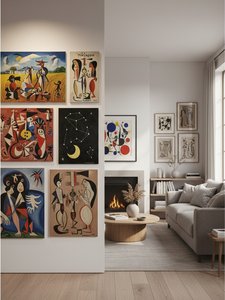
Топ-25 шедеврів Жоана Міро: подорож у світ каталонської фантазії | OriginalUniqueArt
Відкрийте світ каталонської фантазії з топ-25 шедеврами Жоана Міро! Дослідіть сюрреалістичні картини, абстрактні композиції та унікальні кольори. Купіть репродукцію мистецтва для вашого дому на OriginalUniqueArt.com.
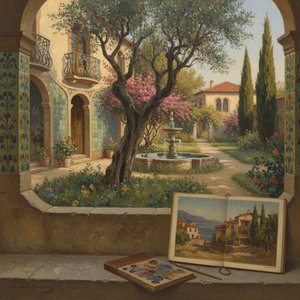
José Mongrell Torrent: A Study of Catalan Modernism's Intimate Landscapes & Artistic Voice
Explore the captivating world of José Mongrell Torrent, a key figure in Catalan Modernism. Discover his intimate landscapes, portraiture mastery & influence from Sorolla. Learn about this Spanish Impressionist's legacy.
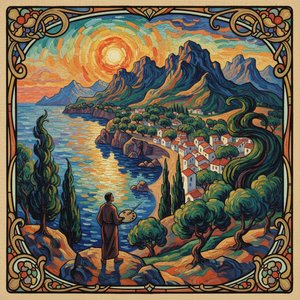
Joaquim Mir: A Catalan Visionary – Exploring Symbolism, Landscape & Modernist Aesthetic
Explore the captivating world of Joaquim Mir, a pivotal Catalan Modernisme painter. Discover his vibrant landscapes, symbolic depth & lasting influence on Spanish art history. Learn more at OriginalUniqueArt.
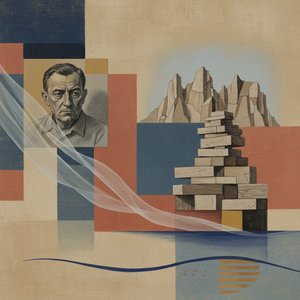
Josep Mompou Dencausse: Exploring Intimacy & Catalan Identity Through Minimalist Expression
Explore the captivating world of Josep Mompou Dencausse, a master of Post-Impressionism whose intimate paintings reflect Catalan identity and minimalist beauty. Discover his life, style & legacy.
