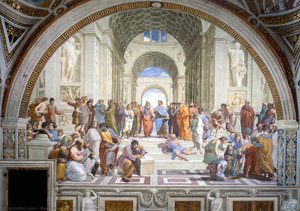
Переглянути в інтер'єрі
 Надіслати як листівку
 Поділитися
 Деталі витвору
 Посібник

 Завантажити
 Схожі екземпляри
 Рентгенівське дослідження
 Слайд-шоу
 Питання та відповіді
 Статистика
Perseus and Andromeda

- 227.0 x 154.0 cm


 Розгорнути текст
Гікле / Художній принт
Друк جيкле або на полотні музейної якості з оперативним виготовленням та різноманітними варіантами фінішної обробки. ( Замовити картину ручної роботи Перейти до цифрових зображень)




P118B ₴10

P118H ₴10

P118W ₴10

P438Z ₴10

P508JH ₴12

P508YH ₴12

P805H ₴10

P805Z ₴10

P919BZ ₴10

P919G ₴10

P919XJ ₴10

P959ZH ₴10

P968JZ ₴12

W106C ₴8

W218G ₴10

W218JH ₴8

W218Y ₴10

W307PJ ₴10

W316G ₴10

W316PJ ₴8

W316Y ₴10

W398PJ ₴8

W4111J ₴10

W500HY ₴15

W500JH ₴15

W692G ₴12

W849H ₴8

W940BG ₴15

W953PJ ₴8




Обирайте з наших стандартних розмірів, що відповідають оригінальним пропорціям твору мистецтва.

Введіть необхідну ширину та висоту, щоб принт ідеально підійшов до вашої рами або стіни. Принт можна лише обрізати, але не можна зробити більшим за оригінал, тому при зміні пропорцій частина зображення буде втрачена. Перед друком ми надсилаємо вам цифровий макет для затвердження. Зображення на цій сторінці не відображає реальну обрізку — її можна побачити лише на макеті.
Доставка по всьому світу () за 2 тижні замість стандартних 4/5 тижнів. (11 Листопад)

Безкоштовна експрес-доставка по всьому світу

Високоякісне лляне полотно

Повне страхове покриття доставки

Гарантія повернення митних зборів

Гарантія точного відтворення кольорів

Політика повернення протягом 100 днів (лише у разі виявлення дефектів)

Гарантія повернення 100% коштів

Пропозиція на оптові замовлення
 Скляний варіант доступний лише для розмірів до 110 см

Perseus and Andromeda
Гікле / Художній принт
Розмір репродукції
-


Підсумкова вартість
₴ 3642
A Vision of Heroic Virtue
Anton Raphael Mengs’ “Perseus and Andromeda” stands as a cornerstone of Neoclassicism, capturing the spirit of Enlightenment ideals within a breathtaking depiction of Greek mythology. Painted in 1774, this monumental oil on canvas transcends mere representation; it embodies a profound philosophical statement about beauty, morality, and triumph over adversity—themes central to the artistic sensibilities of its time.
- Subject Matter: The artwork portrays Perseus, the hero who slew Medusa and rescued Andromeda from Cetus, a monstrous sea serpent. Venus, his mother, and Mercury, his father, accompany him on this perilous journey, symbolizing divine protection and guidance.
- Style: Mengs’ adherence to classical principles is unmistakable. The composition prioritizes clarity and balance, mirroring the ideals of ancient Greek sculpture—a deliberate rejection of Rococo frivolity.
Technical Mastery: Chiaroscuro and Precise Detail
Mengs' skill as a painter is evident in his masterful use of chiaroscuro – dramatic contrasts between light and dark – which sculpts the figures against a rugged landscape backdrop. This technique isn’t merely decorative; it serves to heighten emotional impact, emphasizing Perseus’ muscular physique and conveying the urgency of their quest. Every brushstroke demonstrates meticulous attention to detail, from the folds of drapery to the texture of rock formations.
- Technique: Mengs employed glazing techniques—applying thin layers of translucent paint over previous coats—to achieve luminous colors and subtle gradations of tone. Scumbling adds textural richness, particularly in portraying the rocky terrain.
- Materials: The canvas was primed with gesso, ensuring optimal adhesion for the oil paints used – primarily ochres, browns, reds, blues, and whites.
Symbolism and Emotional Resonance
Beyond its aesthetic beauty, “Perseus and Andromeda” is laden with symbolic significance. Mercury embodies intellect and divine patronage, Venus represents maternal love and grace, while Perseus embodies courage and heroic virtue—qualities revered during the Enlightenment era. The scene speaks to a narrative of overcoming obstacles through strength and piety, resonating with viewers as an affirmation of moral fortitude.
- Mythological Narrative: The story recounts Andromeda’s abduction by Cetus, a terrifying sea monster, and Perseus' daring intervention—killing Medusa with her severed head—to save her life.
- Emotional Impact: Mengs’ depiction aims to inspire awe and admiration for heroic ideals, conveying the triumph of reason over barbarism and highlighting the importance of moral character.
A Legacy Enduring Through Reproduction
Today, a high-quality reproduction of “Perseus and Andromeda” offers an opportunity to experience Mengs’ artistic genius firsthand. Its enduring appeal stems from its timeless depiction of heroism and beauty—a testament to the artist's profound understanding of classical ideals and his ability to translate them into a powerfully emotive visual statement.
Питання та відповіді
До якого періоду творчості Антон Рафаэль Меньґс належить твір "Perseus and Andromeda"?
У межах творчого шляху Антон Рафаэль Меньґс твір "Perseus and Andromeda" належить до періоду Mature Period. Ця фаза дозволяє порівняти його з іншими роботами митця.
Який домінуючий колір у «Perseus and Andromeda» роботи Антон Рафаэль Меньґс?
Переважаючим кольором у творі «Perseus and Andromeda» роботи Антон Рафаэль Меньґс є Quinacridone Magenta (#896344).
Чи можу я скористатися доповненою реальністю, щоб побачити «Perseus and Andromeda» роботи Антон Рафаэль Меньґс у своїй кімнаті?
Для твору "Perseus and Andromeda" доступна функція попереднього перегляду в доповненій реальності: на сторінці Перегляд в AR ви можете побачити його у власному інтер'єрі за допомогою сумісного пристрою.
Біографія митця
Міст між світами: Життя та мистецтво Антона Рафаеля Меньса
Антон Рафаель Меньс з’явився на світ у надзвичайно цікавий період європейського мистецтва — у часи, коли пишні орнаменти рококо починали поступатися місцем новому шануванню класичних ідеалів. Народившись у 1728 році в Усті-над-Лабем, Богемія (регіон, що нині є частиною Чехії), він пройшов шлях митця, глибоко сформований як його походженням, так і інтелектуальми течіями Просвітництва. Його батько, Ізмаїл Меньс, данський живописець, що мав прихильність при дворі Дрездена, рано розпізнав винятковий талант юного Антона. Це визнання призвело до доленосного кроку у 1741 році: переїзду до Рима, де молодий митець занурився у вивчення античних шедеврів та праць майстрів Відродження, таких як Рафаель. Саме цей досвід назавжди відбився на його естетичному сприйнятті, прищепивши йому глибоку повагу до класичної форми, чіткості та композиції — якостей, що стали візитівкою його зрілого стилю. Перші роки були присвячені ретельному копіюванню, що було не просто вправою у техніці, а справжнім мистецьким паломництвом, спрямованим на поглинання самої суті генія Рафаеля.Від Дрездена до Мадрида: Кар'єра крізь європейські двори
Кар'єра Меньса розгорталася в кількох визначних європейських дворах, кожен з яких залишив свій унікальний відбиток на його творчому розвитку. У 1749 році він здобув престижну посаду придворного художника Фрідріха Августа, курфюрста Саксонії, що забезпечило йому як фінансову стабільність, так і свободу підтримувати свою базу в Римі — епіцентрі його художнього натхнення. Проте саме фрески принесли йому справжню славу. «Парнас» у Віллі Альбані в Римі, завершений близько 1761 року, миттєво став сенсацією, отримавши визнання за гармонійну композицію, елегантні постаті та витончене, але потужне відтворення класичної міфології. Ця робота не була просто декоративним елементом; це був маніфест — свідома спроба синтезувати барокову велич із новоприйденими принципами неокласицизму. За цим послідували нові замовлення, зокрема приголомшлива фреска на куполі церкви Сант-Еусебіо в Римі, що продемонструвала його майстерність у монументальному декорі та просторовій ілюзії. Мабуть, найамбітнішим його починанням стало запрошення з іспанського двору у 1761 році. Він вирушив до Мадрида, де отримав завдання прикрасити кілька королівських палаців, що завершилося створенням величного стелі Бенкетної зали Королівського палацу — роботи, яка вважається одним із його найкращих досягнень, демонструючи дивовижну здатність поєднувати італійську елегантність з іспанським темпераментом.Зв'язок із Вінкельманом: Формування неокласичної думки
Еволюція Меньса не була зумовлена лише візуальним вивченням мистецтва; вона була глибоко переплетена з інтелектуальною дискусією. Вирішальним поворотним моментом стала його близька дружба та співпраця з Йоганном Йоахімом Вінкельманом, піонером історії мистецтва, чиї праці стали фундаментом для неокласичного руху. Вінкельман виступав за повернення до чистоти та простоти давньогрецького мистецтва, пропонуючи естетику, засновану на розумі, порядку та ідеалізованих формах. Меньс не просто ілюстрував теорії Вінкельмана; він брав активну участь у їхньому формуванні, перетворюючи абстрактні концепції на відчутні художні вирази. Разом вони вірили, що справжня краса полягає не в поверхневому орнаменті, а в основоположних принципах гармонії та пропорції, знайдених у класичній античності. Це партнерство виходило за межі теоретичних дискусій; воно проявлялося в самих картинах Меньса, які дедалі більше відображали акцент Вінкельмана на шляхетній простоті та стриманості емоцій. Вплив був взаємним: тексти Вінкельмана забезпечили філософську базу для мистецьких пошуків Меньса, тоді як мистецтво Меньса слугувало візуальним доказом життєздатності — і краси — неокласичних ідеалів.Спадщина та вплив: Першопроходець своєї епохи
Антон Рафаель Меньс помер у Римі в 1779 році, залишивши по собі спадщину, що виходить далеко за межі його вражаючого корпусу робіт. Він був більше ніж просто художником; він був ключовою постаттю переходу від однієї мистецької ери до іншої. Хоча він залишався вкоріненим у барокову традицію — що було помітно в його драматичному використанні світла й тіні та майстерності ілюзіоністичних технік — Меньс сміливо прийняв нові принципи неокласицизму, прокладаючи шлях таким митцям, як Жак-Луї Давід та Антоніо Канова. Його акцент на класичних ідеалах у поєднанні з технічною віртуозністю утвердив його як провідну силу у формуванні мистецтва XVIII століття. «Афінська школа», написана для герцога Нортумберлендського, є свідченням його здатності синтезувати історичний прецедент із сучасними художніми відчуттями. Окрім живопису та фресок, вплив Меньса поширився й на освіту: він обіймав посаду директора Ватиканської школи живопису, плекаючи нове покоління митців, виховане на класичних принципах. Він був складною постаттю — відданим католиком, який водночас був прихильником ідей Просвітництва, художником, що балансував між традицією та інновацією. Його життя та творчість представляють захоплююче перетинення мистецької майстерності, інтелектуальної допитливості та історичних обставин, закріплюючи за ним місце справжнього піонера неокласичного мистецтва. Його вплив резонує і сьогодні, нагадуючи нам про незмінну силу класичних ідеалів надихати та трансформувати художнє самовираження.
Антон Рафаэль Меньґс
1728 - 1779 , Чехія
Короткі факти
- Artistic Movement Or Style: Неокласицизм
- Artists Or Movements Influenced By This Artist: ['Жан Жозеф Восьєр']
- Artists Who Influenced This Artist: ['Рафаель']
- Date Of Birth: 12 березня 1728 р.
- Date Of Death: 29 червня 1779 р.
- Full Name: Антон Рафаэль Мэнс
- Nationality: Німецький художник
- Notable Artworks:
- Театр Посейдона
- Парнас
- Place Of Birth: Усті над Лабем, Чехія
Пов'язані статті

Neoclassical Art: The Timeless Elegance of Order, Virtue, and Classical Grace
Explore the profound elegance of Neoclassical art. Discover the principles of order, symmetry, and virtue through the works of masters like David and Mengs. Immerse yourself in a journey of classical grace and timeless aesthetic perfection.
Neoclassicism Explained: The Timeless Elegance of Order, Reason, and the Classical Ideal
Explore the profound elegance of Neoclassicism. Discover how the Enlightenment era embraced Greek and Roman ideals of order, reason, and symmetry to redefine art history through masters like Mengs and Hamilton. A definitive guide for history lovers and art collectors.
The Enduring Legacy of Classicism: Principles, Evolution & Influence in Western Art
Explore the enduring legacy of Classicism in Western art! Discover its historical context, key principles, iconic masterpieces & lasting influence. Learn about Renaissance and Neoclassical movements with OriginalUniqueArt.

Neoclassicism Unveiled: The Timeless Elegance of Order, Reason, and Classical Antiquity
Explore the profound elegance of Neoclassicism. Discover how Enlightenment ideals, the discovery of Pompeii, and masters like Jacques-Louis David revived the glory of Greek and Roman antiquity through art defined by order, reason, and timeless beauty.
Echoes of Olympus: Mythological Narratives in Western Art Through the Ages
Explore the captivating history of mythological narratives in Western art! From ancient Greece to modern masterpieces, discover iconic artworks & symbolism. Expert analysis and high-quality reproductions at OriginalUniqueArt.