Переглянути в інтер'єрі
 Надіслати як листівку
 Поділитися
 Детальніше

 Завантажити
 Схожі експонати
 Рентгенівське дослідження
 Слайд-шоу
Madonna Enthroned with St Matthew
 Олія на полотні
- Настінне мистецтво
- Baroque
 1588
1588 384.0 x 255.0 cm
 Галерея Старих Майстрів
 Читати далі
Олійная репродукція ручної роботи
Написана вручну олією на полотні у вашому розмірі та рамі, виготовлена на замовлення нашими художниками. ( Замовити принт Купити цифрове зображення)




P118B $10

P118H $10

P118W $10

P438Z $10

P508JH $12

P508YH $12

P805H $10

P805Z $10

P919BZ $10

P919G $10

P919XJ $10

P959ZH $10

P968JZ $12

W106C $8

W218G $10

W218JH $8

W218Y $10

W307PJ $10

W316G $10

W316PJ $8

W316Y $10

W398PJ $8

W4111J $10

W500HY $15

W500JH $15

W692G $12

W849H $8

W940BG $15

W953PJ $8




Обирайте з наших стандартних розмірів, що відповідають оригінальним пропорціям твору мистецтва.

Ви можете вказати власні розміри, щоб репродукція ідеально підійшла до конкретної рами або інтер'єру. Якщо вибраний вами розмір не відповідає пропорціям оригіналу, ми або обріжемо полотно, або доповнимо картину додатковими елементами, промальованими вручну. Цифровий макет буде надіслано вам на затвердження перед початком виробництва.
Зверніть увагу, що попередній перегляд на екрані не відображає фактичне обрізання або розширення зображення. Тільки макет точно покаже остаточну композицію.
Хоча ми можемо виготовити виріб у нестандартному розмірі, для збереження оригінальних пропорцій рекомендуємо обирати варіанти зі встановленого списку.
Після оформлення замовлення команда OriginalUniqueArt.com зв'яжеться з клієнтом електронною поштою для отримання інструкцій та надасть попередній макет
Доставка по всьому світу () за 3–4 тижні замість стандартних 5 тижнів. (19 Серпень). Без жодних компромісів у якості.

Безкоштовна експрес-доставка по всьому світу

Високоякісне лляне полотно

Повне страхове покриття доставки

Гарантія відшкодування митних зборів

Гарантія точного відтворення кольорів

Політика повернення протягом 60 днів (лише у разі виявлення дефектів)

Гарантія повернення 100% коштів

Пропозиція на оптові замовлення
 Скляний варіант доступний лише для розмірів до 110 см

Madonna Enthroned with St Matthew
Матеріал репродукції
Розмір репродукції
-


Підсумкова вартість
$ 300
Опис твору
A Divine Tableau: Unveiling Annibale Carracci's Madonna Enthroned with St Matthew
Annibale Carracci’s 1588 painting, *Madonna Enthroned with St Matthew*, is more than just a devotional image; it’s a vibrant testament to the burgeoning Baroque style and a profound exploration of faith, humanism, and artistic innovation. Housed within the Gemäldegalerie in Dresden, Germany, this monumental canvas draws the viewer into a meticulously rendered world where divine grace intertwines with earthly reality. The painting isn't merely a depiction of the Virgin Mary holding the infant Jesus; it’s a carefully constructed narrative brimming with symbolism and radiating an almost palpable sense of serenity and power.
Carracci, along with his brothers Agostino and Ludovico, spearheaded a revolutionary movement in Bolognese art. Rejecting the rigid formality of Mannerism, they embraced a renewed interest in classical antiquity while simultaneously incorporating dynamic composition, rich color palettes, and a heightened sense of realism – elements that would define the Baroque era. *Madonna Enthroned with St Matthew* exemplifies this synthesis perfectly. The painting’s scale—measuring an impressive 384 x 255 cm—immediately commands attention, immersing the viewer in its opulent setting.
The Composition: A Symphony of Light and Gesture
At the heart of the composition lies the Virgin Mary, seated upon a majestic throne adorned with intricate gold detailing. Her pose is both dignified and approachable, radiating maternal tenderness as she presents her son to St Matthew, who stands attentively at her right. The infant Jesus, bathed in soft light, reaches out towards his mother, initiating a tender exchange of affection. The figures are not static; they’re imbued with movement – Mary's hand gestures, the baby’s reaching limb, and even the subtle tilt of St Matthew’s head all contribute to a dynamic sense of life.
Carracci masterfully employs *chiaroscuro*, the dramatic contrast between light and shadow, to sculpt the forms and create a profound sense of depth. The rich reds and blues of the drapery and robes are juxtaposed against the luminous gold of the throne and the soft glow illuminating Mary and Jesus, drawing the eye directly to the central figures. The background, depicting a stylized architectural setting – reminiscent of Roman ruins – provides a grounding element while simultaneously hinting at the timelessness of faith.
Symbolism and Historical Context
Beyond its aesthetic beauty, *Madonna Enthroned with St Matthew* is rich in symbolic meaning. St Matthew, traditionally considered the author of the Gospel according to Matthew, represents the foundation of Christian scripture. His presence underscores the importance of divine revelation and the narrative’s theological significance. The inclusion of architectural elements—particularly those referencing Roman antiquity—reflects the Renaissance revival of classical ideals and the belief that art should strive for both beauty and moral instruction.
Created during a period of intense religious fervor and artistic experimentation, this painting represents a pivotal moment in the development of Baroque art. Carracci’s work served as an inspiration to generations of artists, influencing their approach to composition, color, and subject matter. The Gemäldegalerie's collection offers a unique opportunity to witness firsthand the genius of this transformative artist.
A Legacy Endures: Reproductions for Today
Today, high-quality reproductions of *Madonna Enthroned with St Matthew* are available through OriginalUniqueArt.com, allowing art enthusiasts worldwide to experience the painting’s captivating beauty and profound symbolism. Whether adorning a grand salon or a more intimate space, this iconic artwork continues to inspire awe and reverence. Owning a reproduction is not merely acquiring an image; it's connecting with a masterpiece of Western art history—a testament to the enduring power of faith, beauty, and artistic vision.
Біографія митця
Early Life and the Bolognese Roots
Annibale Carracci, born in Bologna on November 3, 1560, emerged from a family deeply rooted in artistic tradition. His initial training likely unfolded within the nurturing environment of his familial workshop, laying the foundation for a career that would profoundly reshape the landscape of Italian painting. Bologna at this time was a vibrant hub of intellectual and artistic ferment, yet it felt somewhat distant from the dominant currents emanating from Rome and Venice. This sense of provincialism fueled a desire among a group of young artists—Annibale, his brother Agostino, and cousin Ludovico—to forge a new path, one that would revitalize Italian art by looking to the masters of the High Renaissance while simultaneously embracing a more naturalistic approach.
In 1582, this ambition materialized in the establishment of the *Accademia degli Incamminati*, initially known as the Academy of the Desiderosi. This wasn’t merely a studio; it was a crucible for artistic innovation, a space dedicated to rigorous life drawing, spirited debate, and a collective pursuit of artistic excellence. The academy's name itself—the “Progressives”—signified their intent: to move beyond the stylistic complexities of Mannerism and chart a new course toward a more grounded, emotionally resonant form of expression. The Incamminati became a model for art academies across Europe, emphasizing observation from life as the cornerstone of artistic training.
A Synthesis of Styles and Influences
Carracci’s artistic vision wasn't born in a vacuum; it was meticulously crafted through a deep engagement with the legacies of past masters. He possessed an extraordinary ability to synthesize diverse influences, creating a style that felt both deeply rooted in tradition and strikingly original. He admired the clarity of line and compositional balance found in the works of Raphael and Andrea del Sarto, seeking to emulate their grace and harmony. Yet, he also recognized the power of color and atmospheric effects championed by Venetian painters like Titian, infusing his own work with a vibrant luminosity and emotional depth.
The influence of Correggio was particularly profound, evident in Carracci’s dynamic compositions and illusionistic techniques—especially those showcased in his frescoes. He wasn’t simply copying these masters; he was absorbing their strengths and forging them into something new. This eclectic blend became the hallmark of the Bolognese School, a significant branch of Baroque art that emphasized both classical ideals and naturalistic observation. Carracci’s genius lay in his ability to reconcile seemingly disparate elements, creating a harmonious whole that resonated with both intellectual rigor and emotional power.
The Roman Triumph: Palazzo Farnese and Beyond
The invitation to decorate the Palazzo Farnese in Rome marked a pivotal moment in Annibale Carracci’s career. This monumental commission—a vast fresco cycle depicting scenes from mythology—provided him with an unparalleled opportunity to showcase his artistic prowess and establish his reputation on a grand scale. The *Triumph of Bacchus and Ariadne*, arguably his masterpiece, is a breathtaking display of illusionistic technique, dynamic composition, and vibrant color. The frescoes seem to dissolve the boundaries between painting and reality, drawing the viewer into a world of mythic grandeur.
Alongside the *Triumph*, Carracci also undertook *The Loves of the Gods* at Palazzo Farnese, further exploring themes of mythology and love with a blend of classical idealism and keen observation. These works weren’t merely decorative; they were statements about the power of art to elevate the human spirit and celebrate the beauty of the natural world. His success in Rome solidified his position as one of the leading artists of his time, attracting a stream of commissions and influencing generations of painters.
Legacy and Historical Significance
Annibale Carracci’s impact on art history is immeasurable. He played a crucial role in bridging the gap between the High Renaissance and the Baroque period, moving away from the stylized complexities of Mannerism toward a more dynamic, emotionally charged aesthetic. His emphasis on naturalism—on depicting figures with anatomical accuracy and psychological depth—paved the way for artists like Caravaggio, who would further revolutionize Italian painting with their dramatic use of light and shadow.
The Accademia degli Incamminati, founded by Carracci and his associates, served as a model for art academies across Europe, promoting artistic training based on observation and classical principles. His frescoes at Palazzo Farnese remain iconic examples of Baroque illusionism and artistic grandeur, continuing to inspire awe and admiration centuries after their creation. The collective legacy of the Carracci family—Annibale, Agostino, and Ludovico—is one of profound innovation and enduring influence, establishing Bologna as a major center for artistic creativity.
Carracci’s work wasn't simply about technical skill; it was about conveying emotion, telling stories, and celebrating the human experience. He sought to create art that was both beautiful and meaningful, capable of inspiring wonder and provoking thought. His legacy endures not only in his magnificent paintings but also in the enduring principles he championed: a commitment to observation, a reverence for tradition, and an unwavering belief in the power of art to transform the world.
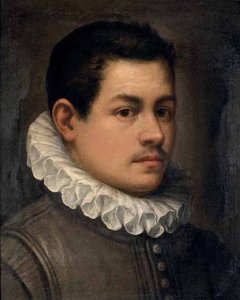
Аннібале Карраччі
1560 - 1609 , Італія
Короткі факти
- Artistic Movement Or Style: Бароко
- Artists Or Movements Influenced By This Artist:
- Манєризм
- Болондська школа
- Artists Who Influenced This Artist:
- Рафаель
- Андреа дель Сарто
- Date Of Birth: 3 квiтня 1560
- Date Of Death: 15 липня 1609
- Full Name: Annibale Carracci
- Nationality: Італійський
- Notable Artworks:
- Тріумф Бахуса
- Кохання богів
- Place Of Birth: Болонья, Італія
Пов'язані статті
Annibale Carracci: Bridging Renaissance Ideals & Baroque Innovation
Explore the life & art of Annibale Carracci, a pivotal figure bridging Renaissance ideals with Baroque innovation. Discover his masterpieces and lasting influence on Italian painting.

The Dramatic Flourish: Exploring the Baroque Movement's Enduring Legacy in Art History
Explore the dramatic world of Baroque art! Discover iconic artists like Caravaggio & Rubens, defining techniques, and its lasting impact on art history. Expert insights for collectors & enthusiasts at OriginalUniqueArt.

The Visceral Stage: Exploring Dramatic Narratives & Emotional Intensity in Baroque Art
Explore the dramatic world of Baroque art! Discover iconic masters like Caravaggio & Rembrandt, their techniques, and the movement's lasting impact. Expert insights for collectors & enthusiasts at OriginalUniqueArt.

Топ-10 шедеврів бароко: картини, що змінили мистецтво | OriginalUniqueArt.com
Відкрийте для себе 10 шедеврів бароко від Караваджо, Рембрандта та Рубенса! Історія мистецтва, техніки живопису та натхнення для вашого інтер'єру. Репродукції картин високої якості – OriginalUniqueArt.com

Барокова драма: мистецтво, що привносить велич у дім
Відкрийте для себе велич бароко! Дізнайтесь про історію стилю, особливості українського бароко та як створити розкішний інтер'єр. Ексклюзивні репродукції картин від .