
 Переглянути в інтер'єрі
 Надіслати як листівку
 Поділитися
 Детальніше

 Завантажити
 Схожі експонати
 Рентгенівське дослідження
 Слайд-шоу
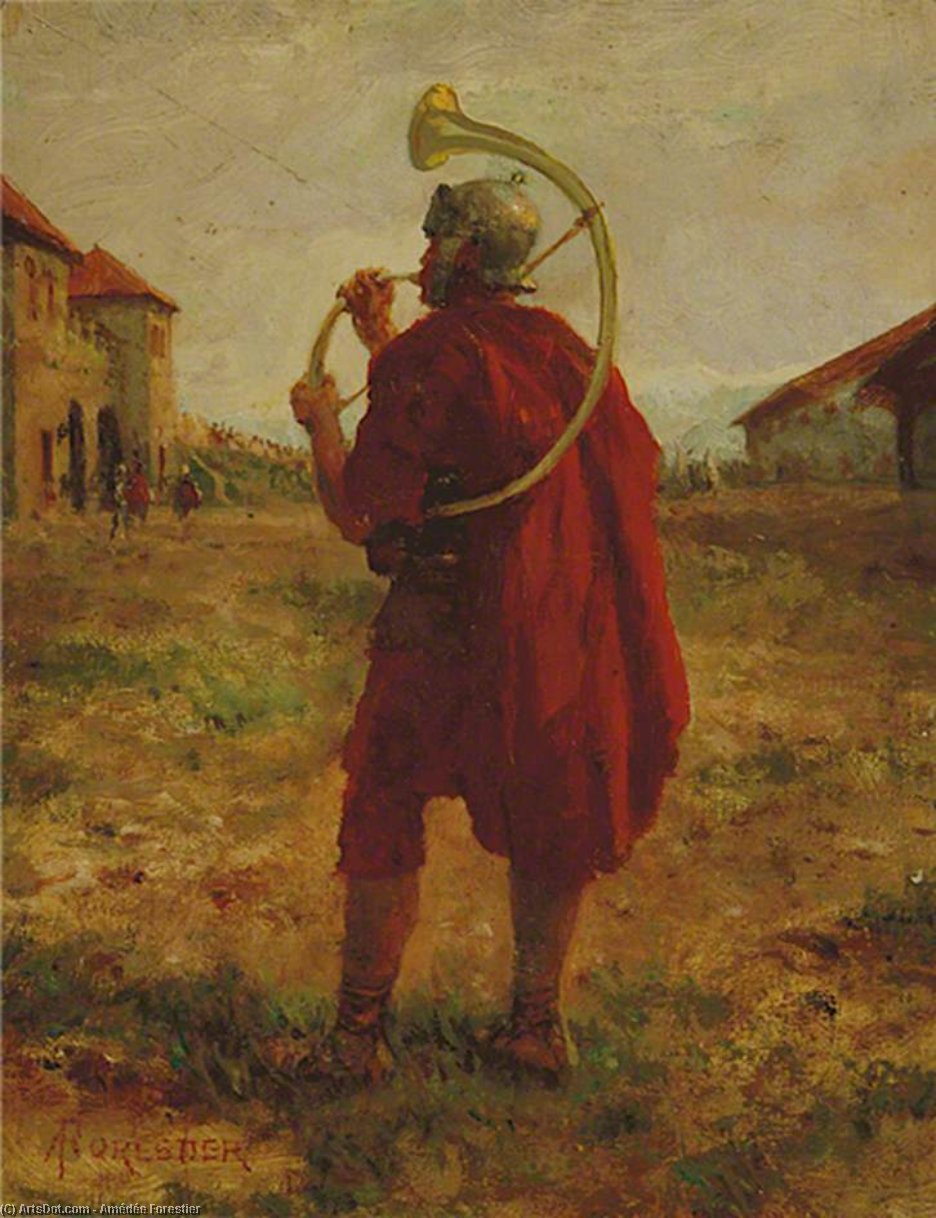
Roman Trumpeter
 Читати далі
Придбайте цифрову копію високої роздільної здатності з покращеною якістю, що значно перевершує онлайн-перегляд.
Кожен файл ретельно підготовлений нашими фахівцями за допомогою сучасних інструментів та професійної ручної ретуші. Ми гарантуємо виняткову чіткість, точну передачу кольору та високу деталізацію кожного зображення.
Фінальний файл надсилається електронною поштою протягом 72 годин і оптимізований для негайного використання у професійних виданнях та друкованих матеріалах. Таку якість обирають провідні дизайнерські студії, видавництва та галереї.
Цифрове зображення
Завантажте файл високої роздільної здатності для особистого використання, друку та творчих проєктів. ( Замовити принт Замовити репродукцію ручної роботи)
Переваги кожного замовлення цифрових зображень
Експертна цифрова доставка з гарантією якості
Обираючи OriginalUniqueArt.com, ви отримуєте не просто зображення — ви отримуєте професійно вдосконалений цифровий витвір мистецтва, створений з надзвичайною точністю та підкріплений гарантією задоволення. Ось усе, що автоматично додається до вашого замовлення:

Швидка доставка на email
Ваш цифровий файл із зображенням високої роздільної здатності буде надісланий вам електронною поштою протягом 72 годин після оформлення замовлення — він буде готовий до негайного використання.

Цифровий файл із покращенням ШІ
Ваш витвір мистецтва професійно оптимізовано за допомогою передових інструментів штучного інтелекту та ручної корекції, що забезпечує максимальну деталізацію, чіткість і точність передачі кольорів.

Безкоштовне повторне завантаження назавжди
Випадково видалили або втратили файл? Не хвилюйтеся — ми надішлемо його вам повторно в будь-який час безкоштовно.

Без митних зборів — ніколи
Насолоджуйтесь вашим витвором мистецтва миттєво без жодних мит, зборів або плати за доставку — цифрові завантаження завжди не оподатковуються.

Гарантія точності кольорів
Ми гарантуємо максимально точне відтворення оригінальних кольорів на вашому цифровому зображенні завдяки використанню професійних інструментів та систем управління кольором.

Гарантія задоволення протягом 60 днів
Якщо ви не задоволені придбаним цифровим зображенням, ми відкоригуємо його або повернемо 100% вартості протягом 60 днів — без жодних запитань.

Гарантія повернення 100% коштів
Не задоволені покупкою? Отримайте повне повернення коштів протягом 60 днів після отримання цифрового файлу — без жодних запитань.

Знижки на оптові замовлення
Купуйте 3 зображення — заощаджуйте 10% — Купуйте 5 — заощаджуйте 15% — Купуйте 10+ — заощаджуйте 20%. Чудово підходить для творчих проєктів, галерей та агентств.
Біографія митця
John Martin: Architect of the Sublime
John Martin (1789–1854) wasn’t merely a painter; he was an architect of the sublime, a visionary who conjured landscapes of immense scale and terrifying beauty. Born in Haydon Bridge, Northumberland, into a family steeped in artistic tradition – his father a fencing master and his brothers involved in heraldry and even arson – Martin's early life instilled within him a deep appreciation for both meticulous craft and dramatic storytelling. His apprenticeship with a china painter provided a foundational skill set, but it was the influence of Bonaface Musso, an Italian artist who taught him perspective and engraving techniques, that truly ignited his artistic fire. This formative period laid the groundwork for the monumental canvases and haunting prints that would define his career.Early Works and the Rise of a Romantic Vision
Martin’s early works, primarily watercolors depicting landscapes of the River Thames Valley, demonstrated an emerging talent for capturing atmospheric effects and conveying a sense of vastness. However, it was his foray into oil painting in 1811 that truly announced his arrival on the London art scene. His paintings immediately garnered attention, not just for their technical skill but for their unsettling power – scenes of biblical catastrophes, apocalyptic landscapes, and figures dwarfed by overwhelming natural forces. These early pieces were characterized by a deliberate obscurity, with tiny, almost lost human forms set against colossal backgrounds, creating an immediate sense of awe and dread. This technique, heavily influenced by the works of Claude Lorrain and the Baroque masters, established Martin as a key figure in the burgeoning Romantic movement. The Royal Academy initially rejected his submissions, but persistent efforts eventually secured him exhibition space, solidifying his position within the artistic community.The Power of Print: Engravings and Public Appeal
Martin’s fame wasn't solely built on canvas; it was significantly amplified by his engravings. He meticulously reproduced his own paintings, often with subtle variations and additions, creating a series of prints that captivated the public imagination. These weren’t mere copies; they were reinterpretations, imbued with an even greater sense of drama and mystery. Works like *The Deluge* (1837) and *The Fall of Nineveh* became instant sensations, selling in enormous quantities and establishing Martin as the most popular painter of his day. The accessibility of prints allowed a wider audience to experience his vision – a world dominated by colossal landscapes, biblical narratives, and the overwhelming power of nature. This success was even recognized by European royalty; the French Academy presented him with medals and honors, acknowledging his unique contribution to the art world.Major Themes and Influences
Martin’s work is profoundly shaped by a complex interplay of influences. The Baroque masters – particularly Claude Lorrain – provided him with a model for dramatic landscape composition, while Milton's *Paradise Lost* instilled within him a fascination with biblical narratives and the consequences of human transgression. The writings of Edmund Burke on the sublime—the experience of awe mixed with terror—were central to his artistic philosophy. He sought to evoke this feeling in his viewers, not through simple beauty but through the depiction of overwhelming scale, dramatic light and shadow, and a sense of impending doom. His paintings frequently depict scenes of destruction – floods, earthquakes, battles – reflecting a pessimistic view of humanity’s place within the universe. The influence of Gothic art is also evident in his use of dark colors, intricate details, and a pervasive atmosphere of foreboding.Legacy and Historical Significance
Despite initial critical acclaim, Martin faced considerable opposition from critics like John Ruskin, who dismissed his work as overly gloomy and lacking in moral substance. However, his influence on subsequent generations of artists is undeniable. His exploration of the sublime—the experience of awe mixed with terror—became a defining characteristic of Romanticism and continues to resonate today. Artists such as Caspar David Friedrich and J.M.W. Turner built upon Martin’s foundation, pushing the boundaries of landscape painting and exploring themes of nature's power and humanity’s vulnerability. John Martin remains a pivotal figure in art history, not just for his stunning visual achievements but for his profound exploration of the human condition within the vastness of the universe—a testament to the enduring power of the sublime.
amédée forestier
1854 - 1930 , France
Основна інформація
- Artistic Movement Or Style: Impressionism, Portraiture
- Artists Or Movements Influenced By This Artist:
- Post-Impressionism
- American Modernism
- Artists Who Influenced This Artist:
- William Merritt Chase
- Jean-Léon Gérôme
- Date Of Birth: January 12, 1856
- Date Of Death: November 3, 1925
- Full Name: John Singer Sargent
- Nationality: American
- Notable Artworks:
- Madame X
- Carnation Women
- The Daughters of Edward Darley Boit
- Place Of Birth: Florence, Italy

