

 Переглянути в інтер'єрі
 Надіслати
 Поділитися
 Деталі
 Посібник

 Завантажити
 Схожі предмети колекціонування
 Рентгенівське дослідження
 Слайд-шоу
 Статистика переглядів
General interrogating a mobile guard, supporting an injured lieutenant


 Читати далі
Олійная репродукція ручної роботи
Написана вручну олією на полотні у вашому розмірі та рамі, виготовлена на замовлення нашими художниками. ( Перейти до друку Перейти до цифрових зображень)




P118B ₴10

P118H ₴10

P118W ₴10

P438Z ₴10

P508JH ₴12

P508YH ₴12

P805H ₴10

P805Z ₴10

P919BZ ₴10

P919G ₴10

P919XJ ₴10

P959ZH ₴10

P968JZ ₴12

W106C ₴8

W218G ₴10

W218JH ₴8

W218Y ₴10

W307PJ ₴10

W316G ₴10

W316PJ ₴8

W316Y ₴10

W398PJ ₴8

W4111J ₴10

W500HY ₴15

W500JH ₴15

W692G ₴12

W849H ₴8

W940BG ₴15

W953PJ ₴8




Обирайте з наших стандартних розмірів, що відповідають оригінальним пропорціям твору мистецтва.

Введіть необхідну ширину та висоту, щоб картина підійшла до вашої рами або стіни. Оскільки це ручний розпис, для розміру іншої форми художник може написати трохи більше навколо картини або трохи обрізати її — вибір за вами. Перед початком роботи ми надішлемо вам цифровий макет для затвердження. Зображення, показане на цій сторінці, не є реальним результатом — лише макет відображає майбутній вигляд.
Після оформлення замовлення команда OriginalUniqueArt.com зв'яжеться з клієнтом електронною поштою для отримання інструкцій та надасть попередній макет
Доставка по всьому світу () за 3–4 тижні замість стандартних 5 тижнів. (24 Жовтень). Без жодних компромісів у якості.

Безкоштовна експрес-доставка по всьому світу

Високоякісне лляне полотно

Повне страхове покриття доставки

Гарантія повернення митних зборів

Гарантія точного відтворення кольорів

Політика повернення протягом 100 днів (лише у разі виявлення дефектів)

Гарантія повернення 100% коштів

Знижка на оптові замовлення
 Скляний варіант доступний лише для розмірів до 110 см

General interrogating a mobile guard, supporting an injured lieutenant
Техніка репродукції
Розмір репродукції
-


Загальна вартість
₴ 16829
A Frozen Moment of Command: Alphonse de Neuville’s “General Interrogating a Mobile Guard Supporting an Injured Lieutenant”
Alphonse de Neuville's "General Interrogating a Mobile Guard Supporting an Injured Lieutenant," painted in 1879, is more than just a depiction of a military scene; it’s a meticulously crafted tableau of tension, duty, and the lingering weight of conflict. The painting transports us to a bleak, snow-swept landscape – likely inspired by the aftermath of the Franco-Prussian War – where a seasoned general, radiating authority, engages in a serious conversation with a young lieutenant bearing the visible wounds of battle. The scene isn’t one of triumphant victory, but rather a quiet assessment amidst the ruins of war, a moment suspended between interrogation and judgment.
De Neuville's artistic lineage is deeply rooted in the Romantic tradition, particularly influenced by Eugène Delacroix’s dramatic use of color and composition. This influence manifests powerfully here through the carefully orchestrated arrangement of figures against the stark backdrop. The triangular structure, anchored by the central interaction between the general and the lieutenant, draws the viewer’s eye directly to this pivotal exchange. The horses, rendered with a remarkable sense of realism – their coats gleaming faintly beneath the overcast sky – contribute significantly to the painting's dynamic energy, suggesting movement and urgency even within the stillness of the scene.
A Palette of Winter: Color, Light, and Atmosphere
The color palette is deliberately restrained, dominated by a muted range of grays, whites, and browns that perfectly capture the harshness and desolation of the winter landscape. Subtle hints of warmer tones – in the uniforms of the officers and the horse coats – provide a delicate contrast, preventing the scene from becoming entirely bleak. De Neuville masterfully employs atmospheric perspective; distant figures are rendered with increasing softness and detail loss, creating an illusion of depth that anchors the viewer within this frozen world. The diffused lighting, characteristic of overcast days, casts a soft, even illumination across the canvas, eliminating strong shadows and contributing to the painting’s somber mood.
The Language of Line and Texture
De Neuville's technique is firmly rooted in academic painting, evident in his skillful rendering of form and detail. Visible brushstrokes – particularly prominent in the depiction of the snow-covered ground and the textures of clothing – add a tactile quality to the work, inviting the viewer to almost feel the cold wind and rough fabric. Lines are used strategically to define shapes and create a sense of realism, while also subtly conveying the tension within the scene. The musculature of the horses is particularly well-defined, adding to their powerful presence. The artist’s attention to detail extends to the subtle nuances of facial expressions – the general's stern gaze, the lieutenant’s wounded composure – revealing a profound understanding of human psychology.
Symbolism and Emotional Resonance
Beyond its realistic depiction of military life, “General Interrogating a Mobile Guard Supporting an Injured Lieutenant” is rich in symbolic meaning. The injured lieutenant represents sacrifice and loss—a tangible reminder of the brutal cost of war. The general’s questioning posture suggests responsibility, authority, and perhaps even regret. The scene evokes feelings of uncertainty, duty, and the lingering trauma of conflict. It's a poignant meditation on leadership, accountability, and the enduring consequences of violence. The painting doesn’t offer easy answers or heroic narratives; instead, it presents a complex and emotionally resonant portrait of a moment caught between action and reflection.
A Legacy in Oil: Materials and Historical Context
Created using traditional oil paints on canvas, this artwork stands as a testament to de Neuville's mastery of his medium. The choice of oil paint allowed for layering and blending, contributing to the painting’s rich textures and nuanced color palette. Painted during the late 19th century, it reflects the artistic and political climate of France following the Franco-Prussian War – a period marked by nationalistic fervor and a desire to commemorate military achievements. De Neuville's work served as both a historical record and a powerful expression of patriotic sentiment. The painting’s acquisition by the Musée de l’Armée in Paris underscores its significance within French art history.
Запитання та відповіді
Де я можу знайти твори мистецтва, схожі на «General interrogating a mobile guard, supporting an injured lieutenant» Альфенс де Невіль?
Схожі твори мистецтва зібрані на сторінці Схожі твори для роботи «General interrogating a mobile guard, supporting an injured lieutenant» Альфенс де Невіль.
Яка насиченість кольорів у «General interrogating a mobile guard, supporting an injured lieutenant» Альфенс де Невіль?
Палітра твору "General interrogating a mobile guard, supporting an injured lieutenant" має Muted насиченості.
Чи є «General interrogating a mobile guard, supporting an injured lieutenant» Альфенс де Невіль живописом, малюнком чи друком?
«General interrogating a mobile guard, supporting an injured lieutenant» Альфенс де Невіль класифікується як WallArt. Ця категорія описує вид художнього твору, яким є оригінал.
Біографія митця
A Life Etched in Conflict: The World of Alphonse de Neuville
Alphonse-Marie-Adolphe de Neuville, a name that resonates with the drama and fervent patriotism of 19th-century France, was born in Saint-Omer in 1835. His life, tragically cut short at the age of forty-nine, unfolded against a backdrop of sweeping historical transformations – an era defined by imperial ambitions, devastating wars, and the burgeoning formation of national identities. Initially drawn to a career at sea, de Neuville’s artistic inclinations ultimately proved too compelling to ignore, leading him away from the waves and toward the studios of Paris. He sought guidance within the established academic system, briefly attending the naval school in Lorient before dedicating himself fully to formal training under the tutelage of François-Edouard Picot. However, it was the profound influence of Eugène Delacroix – a master of Romanticism renowned for his dynamic compositions and deeply emotional narratives – that truly shaped de Neuville’s artistic vision. This mentorship instilled within him a passion for portraying dramatic historical events with compelling power and a keen understanding of how to translate these moments onto canvas in a way that resonated powerfully with viewers.Forging a Reputation Through War and Illustration
De Neuville swiftly established himself as a painter deeply engaged with the conflicts shaping his era. He didn’t merely depict war; he immersed himself within its realities, drawing upon personal experiences – including service during the Franco-Prussian War – to infuse authenticity into his work. This commitment to realism, coupled with an innate talent for capturing the human cost of conflict, propelled him to prominence. Early successes included depictions of battles from the Crimean War and scenes illustrating episodes from Garibaldi’s campaigns in Italy. These works weren't simply historical records; they were carefully constructed narratives designed to evoke empathy and understanding within the viewer. However, it was his collaboration with Jules Verne that significantly broadened de Neuville’s recognition. His illustrations for *Twenty Thousand Leagues Under the Seas* brought a remarkable dynamism to Verne’s fantastical underwater world, captivating readers and solidifying de Neuville's reputation as an artist capable of both meticulous historical accuracy and imaginative storytelling. These illustrations weren’t mere accompaniments to the text; they were integral to shaping public perception of Verne’s groundbreaking novel, breathing life into its extraordinary settings and characters.Master of Military Narrative: Key Works and Artistic Style
De Neuville's artistic strength lay in his ability to transform historical events into emotionally resonant narratives. His paintings weren’t simply records of battles; they were meticulously crafted dramas, brimming with compelling characters and a palpable sense of urgency. “The Charge of the Light Brigade” (1860) stands as a poignant example of this approach – a depiction of the disastrous Crimean War cavalry charge that transcends mere documentation to convey the bravery and ultimately tragic futility experienced by the soldiers caught in the crossfire. The painting doesn’t glorify warfare; instead, it powerfully communicates the human cost of conflict through the faces of those involved. Similarly, “The Defense of Palma Major” (1875) vividly illustrates a harrowing episode from the Zulu War, showcasing de Neuville's mastery of dramatic composition and his ability to capture the intensity of close-quarters combat. His style was characterized by an unwavering commitment to detail, meticulously researched uniforms and weaponry, and a skillful use of light and shadow to create atmosphere and heighten emotional impact. He wasn’t interested in grand allegories or idealized heroism; rather, he focused on the individual experiences of soldiers – their courage, fear, and suffering. This intimate portrayal of human experience is what distinguishes his work from more conventional military paintings.Influences and Artistic Development
De Neuville's artistic journey was shaped by a confluence of influences:- Eugène Delacroix: The most significant influence on de Neuville’s style, imparting a sense of drama, emotional intensity, and dynamic composition – a legacy evident in the sweeping brushstrokes and vibrant colors of his paintings.
- François-Edouard Picot: Provided early training and foundational skills in academic painting techniques, establishing a solid base for his later artistic explorations.
- Personal Experiences: His service during the Franco-Prussian War directly informed his realistic depictions of military life and combat, lending an unparalleled authenticity to his work.
- Jules Verne’s Literature: Collaboration on *Twenty Thousand Leagues Under the Seas* broadened his artistic range and introduced him to a wider audience, demonstrating his versatility as an illustrator and storyteller.
Legacy and Enduring Appeal
Alphonse de Neuville’s untimely death in 1885 tragically cut short a brilliant career. However, his legacy endures through the numerous paintings that continue to captivate audiences today. His works are held in prestigious collections such as the Hermitage Museum in St. Petersburg and the Metropolitan Museum in New York – testaments to their artistic merit and historical significance. Beyond these institutional holdings, de Neuville’s art enjoys a broad popular appeal, fueled by renewed interest in 19th-century military history and a desire for authentic depictions of past conflicts. Today, high-quality reproductions – readily available through platforms like OriginalUniqueArt and OriginalUniqueArt – allow art enthusiasts to bring the drama and historical depth of de Neuville’s masterpieces into their own homes. His paintings serve not only as artistic achievements but also as powerful reminders of the human cost of war and the enduring spirit of those who fought in it, ensuring that his dramatic narratives continue to resonate with viewers for generations to come.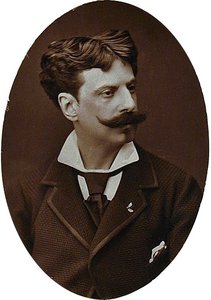
Альфенс де Невіль
1835 - 1885 , Франція
Довідкова інформація
- Artistic Movement Or Style: Академізм
- Artists Or Movements Influenced By This Artist: ['Романтизм']
- Artists Who Influenced This Artist:
- Ежен Делакруа
- Ф. Е. Пікот
- Date Of Birth: 1835
- Date Of Death: 1885
- Full Name: Alphonse-Marie-Adolphe de Neuville
- Nationality: Француз
- Notable Artworks:
- Загін кавалерії
- Оборона Палми-Майор
- Place Of Birth: Saint-Omer, Франція
Схожі статті
Beyond the Fabric: Decoding Identity, Authority, and Symbolism in the Art of Military Uniforms
Explore the profound symbolism of military uniforms in art history. From Victorian portraits to realistic lithographs, discover how artists capture power, identity, and historical legacy through the intricate details of martial regalia and command.

Топ-25 шедеврів Гойї: історія мистецтва для вашого дому | OriginalUniqueArt
Відкрийте 25 шедеврів Франсіско Гойї! Історія мистецтва, глибокі портрети та темні офорти іспанського романтизму. Купіть репродукції картин Гойї для вашого дому на OriginalUniqueArt.com – музейна якість та бездоганний декор.

Willem de Kooning: Abstraction, Gesture & the Evolution of Post-War American Painting
Explore the evolution of Willem de Kooning's iconic Abstract Expressionist paintings. Discover his signature style, key themes & investment potential with expert insights for discerning art collectors.

Про нас
Відкрийте для себе нашу історію! Ми привносимо мистецтво світового класу у ваше життя завдяки експертному відбору, індивідуальним творам та безкоштовним попереднім переглядам. Затверджено приватними особами та компаніями з 2000 року.

William Owen: A Poetic Vision of War & Landscape in British Modernism
Explore the poignant war poetry of Wilfred Owen, a key figure in British Modernism. Discover his innovative style, themes of loss & camaraderie, and lasting impact on 20th-century literature. Analysis & historical context included.