

 Переглянути в інтер'єрі
 Надіслати
 Поділитися
 Деталі
 Посібник

 Завантажити
 Схожі предмети колекціонування
 Рентгенівське дослідження
 Слайд-шоу
 Статистика переглядів
The Model (also known as Figure Study)


 Читати далі
Гікле / Художній принт
Музейна якість друку جيкле або на полотні з оперативним виготовленням та різноманітними варіантами фінішної обробки. ( Купити картину ручної роботи Перейти до цифрових зображень)




P118B $10

P118H $10

P118W $10

P438Z $10

P508JH $12

P508YH $12

P805H $10

P805Z $10

P919BZ $10

P919G $10

P919XJ $10

P959ZH $10

P968JZ $12

W106C $8

W218G $10

W218JH $8

W218Y $10

W307PJ $10

W316G $10

W316PJ $8

W316Y $10

W398PJ $8

W4111J $10

W500HY $15

W500JH $15

W692G $12

W849H $8

W940BG $15

W953PJ $8




Обирайте з наших стандартних розмірів, що відповідають оригінальним пропорціям твору мистецтва.

Ви можете вказати власні розміри, щоб репродукція ідеально підійшла до конкретної рами або інтер'єру. Якщо обраний вами розмір не відповідає пропорціям оригіналу, ми або обріжемо полотно, або розширимо зображення за допомогою дзеркального відображення чи суцільної заливки країв. Перед початком виробництва вам буде надіслано цифровий макет для затвердження.
Будь ласка, зверніть увагу, що попередній перегляд на екрані не відображає фактичне обрізання або розширення. Тільки макет точно покаже фінальну композицію.
Хоча можливість замовлення індивідуальних розмірів доступна, ми рекомендуємо обирати формат із попередньо визначеного списку, щоб зберегти оригінальні пропорції.
Доставка по всьому світу () за 2 тижні замість стандартних 4/5 тижнів. (25 Вересень)

Безкоштовна експрес-доставка по всьому світу

Високоякісне лляне полотно

Повне страхове покриття доставки

Гарантія повернення митних зборів

Гарантія точного відтворення кольорів

Політика повернення протягом 100 днів (лише у разі виявлення дефектів)

Гарантія повернення 100% коштів

Знижка на оптові замовлення
 Скляний варіант доступний лише для розмірів до 110 см

The Model (also known as Figure Study)
Гікле / Художній принт
Розмір репродукції
-


Загальна вартість
$ 80
A Portrait of a Moment – The Model by Alfred Henry Maurer
Alfred Henry Maurer’s “The Model,” painted in 1902, isn't merely a depiction of a woman; it’s a carefully constructed tableau that encapsulates the burgeoning anxieties and aspirations of early 20th-century American modernism. This oil on canvas, now residing within the Hirshhorn Museum’s collection, immediately draws the viewer in with its quiet intensity – a deliberate departure from the grand narratives of history painting and a bold step toward capturing the fleeting moments of everyday life. The painting presents a full-length portrait of a woman standing confidently with her hands on her hips, positioned slightly off-center against a backdrop that suggests an urban interior or perhaps even a dimly lit street corner. It’s a scene both familiar and subtly unsettling, inviting contemplation rather than immediate judgment.
Maurer's choice to render the background in such muted tones – browns, creams, blacks, and subtle greens – is crucial to the painting’s effect. It serves not as a detailed setting but as an atmospheric void, amplifying the figure’s presence and directing our attention entirely onto her. The composition itself utilizes a vertical format, emphasizing the woman's height and commanding stance. A strong diagonal line created by her pose draws the eye across the canvas, injecting a dynamic energy into what could otherwise be a static portrait. This deliberate arrangement speaks to a desire to capture not just likeness but also character – a sense of self-assuredness and perhaps even a hint of guarded vulnerability.
The Fauvist Echoes and American Roots
“The Model” is deeply rooted in the artistic currents of its time, particularly the influence of European modernism. The muted color palette, reminiscent of the work of Paul Gauguin and Vincent van Gogh (Fauvism), creates a sense of emotional resonance rather than strict realism. However, Maurer skillfully infuses this European sensibility with distinctly American characteristics. The painting’s focus on an individual within a contemporary setting—a woman in fashionable attire—reflects a growing interest in depicting the lives of ordinary people and capturing the spirit of the modern urban experience. It's a shift away from traditional subjects and towards a more relatable, psychologically-driven approach to portraiture.
Maurer’s technique is equally noteworthy. The visible brushstrokes, characteristic of an impasto style, lend texture and depth to the canvas. The edges of the figure are deliberately soft and blurred, contributing to a sense of fluidity and movement. This loose handling of paint—a departure from the sharp lines and meticulous detail favored by earlier portraitists—underscores the painting’s modern aesthetic. The use of oil on canvas allows for rich, vibrant colors that subtly shift with the changing light, adding another layer of complexity to the composition.
Symbolism and a Portrait of an Era
Beyond its formal qualities, “The Model” is laden with symbolic meaning. The woman’s confident posture—hands on her hips, gaze direct—suggests independence and self-assurance, yet there's also a subtle air of melancholy in her expression. Some art historians interpret the painting as a commentary on the changing roles of women in society during this period of rapid social and economic change. The dark background could be seen as representing the uncertainties and anxieties of the modern world, while the woman’s presence embodies a quiet resilience.
Furthermore, “The Model” offers a poignant glimpse into the life of Alfred Henry Maurer himself. A man struggling with his father's disapproval and battling against the constraints of artistic convention, Maurer poured his personal struggles into this work. The painting is not simply a portrait; it’s an intimate self-portrait—a reflection on identity, ambition, and the challenges of navigating the complexities of modern life. It stands as a testament to the artist's unique vision and enduring legacy within American art history.
Біографія митця
Alfred Henry Maurer: A Life in Modern Art
Alfred Henry Maurer (April 21, 1868 – August 4, 1932) was an American modernist painter who stands as a poignant emblem of artistic ambition confronted by societal constraints and personal tragedy. Born in New York City to German-born Louis Maurer—a lithographer whose staunch disapproval of avant-garde aesthetics ironically fueled Alfred’s fervent passion for art—Maurer's formative years were defined by this familial discord. At sixteen, he abandoned formal schooling to join his father’s printing firm, gaining invaluable practical experience while simultaneously nurturing a yearning for creative expression beyond the confines of conventional craftsmanship. A self-portrait from his Parisian period encapsulates this youthful optimism and burgeoning artistic confidence—a testament to the transformative power of encountering new ideas and stylistic approaches abroad. This early foray into European art culture proved pivotal, exposing him to the groundbreaking innovations championed by Impressionists and Realists alike. However, Maurer’s artistic trajectory would soon veer sharply away from established traditions, embarking on a journey toward experimentation and abstraction that would ultimately reshape his oeuvre.Parisian Influences and Artistic Breakthrough
Maurer's decision to relocate to Paris in 1897 marked the commencement of a transformative period characterized by immersion within an unparalleled artistic milieu. He enrolled at the Académie Julian, seeking instruction beyond the limitations of his father’s conservative worldview, yet prioritizing independent exploration over rigid adherence to academic dogma. Joining a vibrant community of American and French artists—including luminaries like John Quincy Adams Ward and William Merritt Chase—Maurer absorbed new perspectives on color theory, composition, and artistic technique. This intellectual ferment fueled his creative endeavors and propelled him toward stylistic breakthroughs that would solidify his reputation as a rising talent within the burgeoning modernist movement. The culmination of this Parisian engagement arrived with *An Arrangement*, completed around 1901. This ambitious canvas—a bold departure from conventional realism—captured the essence of Whistler’s influence, prioritizing subtle tonal harmonies and fluid brushwork over meticulous detail. Its premiere at the Carnegie International Exhibition garnered immediate acclaim, securing Maurer a prestigious honor and establishing him as a prominent voice within American art discourse. The exhibition's jurors—including Thomas Eakins and Winslow Homer—recognized Maurer’s daring stylistic choices as indicative of a genuine engagement with the avant-garde spirit of the era.Shifting Styles and Challenges
Maurer’s artistic direction subsequently underwent significant evolution, driven by encounters with influential figures such as Gertrude Stein and Leo Stein. Embracing Cubist and Fauvist aesthetics—movements that challenged traditional notions of representation—he sought to distill visual experience into geometric forms and expressive color palettes. Yet, this stylistic shift proved controversial within the art world, attracting criticism from conservative circles who championed realism and rejecting Maurer’s embrace of abstraction as frivolous or intellectually unsound. Furthermore, he endured persistent familial disapproval throughout his life—a burden compounded by the pressures inherent in navigating a rapidly changing artistic landscape where commercial viability often eclipsed critical acclaim. Despite these obstacles, Maurer remained steadfast in his commitment to artistic freedom and innovation. He participated in landmark exhibitions that defined the American Modernist movement: The Armory Show of 1913 showcased radical new art to an American audience, solidifying Maurer’s position at the forefront of artistic experimentation; “The Forum Exhibition of Modern American Painters” (1916) further cemented his legacy as a pioneer of modernist aesthetics. Elected Director of the Society of Independent Artists in 1919—a testament to his unwavering advocacy for artistic autonomy—Maurer championed the cause of avant-garde expression and challenged prevailing artistic conventions. ## Key Achievements and Recognition Maurer’s prolific output spanned several decades, producing a diverse body of work encompassing landscapes, portraits, and still lifes—each imbued with a distinctive stylistic signature that reflected his evolving engagement with modernist principles. His paintings were exhibited regularly at prestigious galleries such as the Anderson Galleries and garnered considerable attention from discerning collectors and critics alike. Notably, he secured awards from institutions like the Salmagundi Club and the Liege Exposition, recognizing his artistic merit and furthering his reputation as a respected figure within the American art community. ## Later Life and Legacy Maurer’s personal life was marked by profound sorrow—the tragic loss of his wife in 1924 casting a pall over his subsequent artistic endeavors. Despite facing considerable hardship and enduring persistent familial disapproval, he persevered in pursuing his creative vision until his untimely death by suicide on August 4, 1932—a poignant reminder of the sacrifices inherent in dedicating oneself to artistic pursuits. Nevertheless, Maurer’s legacy endures as an exemplar of courage, conviction, and unwavering devotion to artistic innovation—his paintings continuing to inspire contemplation and admiration for generations to come. His work stands as a testament to the enduring power of art to transcend societal expectations and illuminate the complexities of human experience.
Альфред Генрі Мауэр
1868 - 1932 , США
Довідкова інформація
- Artistic Movement Or Style: Модернізм, Фувізм, Кубізм
- Artists Or Movements Influenced By This Artist: ['Едвард Мунк']
- Artists Who Influenced This Artist:
- Герта Стейн
- Лео Стейн
- Date Of Birth: 21 квiвтня 1868
- Date Of Death: 4 серпня 1932
- Full Name: Alfred Henry Maurer
- Nationality: Американський
- Notable Artworks:
- An Arrangement
- Woman in a Garden
- Rockaway Beach
- Place Of Birth: Нью-Йорк, США
Схожі статті

Alfred Jacob Miller: Chronicling the American West Through Artistic Observation & Narrative
Explore the captivating art of Alfred Jacob Miller, chronicler of the American West. Discover his iconic paintings, techniques & lasting legacy – a valuable addition to any serious collection. Learn more at OriginalUniqueArt.

Grant Wood & American Regionalism: Identity, Myth & the Rural Landscape
Explore the world of Grant Wood & American Regionalism with OriginalUniqueArt. Discover the symbolism behind 'American Gothic', recurring themes, and the movement's lasting impact on art history. High-quality reproductions available.
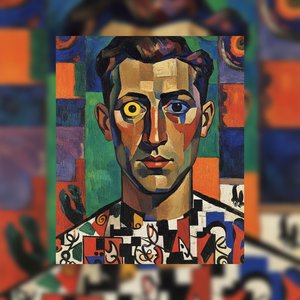
Alfred Henry Maurer: Reassessing the Pioneer of American Modernist Abstraction
Explore the groundbreaking work of Alfred Henry Maurer, a pivotal figure in American Modernism. Discover his Fauvist & Cubist paintings and understand his lasting influence on abstract art. Expert analysis for collectors.

Топ-10 шедеврів американського реалізму: мистецтво правдивого відображення життя | OriginalUniqueArt
Відкрийте для себе 10 шедеврів американського реалізму! Дослідіть історії Ендрю Уайєта, Хопера та інших видатних художників. Купіть репродукції картин преміум-якості для вашого дому на OriginalUniqueArt.com.

Топ-25 шедеврів Альфреда Джеймса Міннінгса: мистецтво коней та англійської глибинки | OriginalUniqueArt
Відкрийте 25 найкращих картин Альфреда Джеймса Міннінгса! Дослідіть шедеври англійського імпресіонізму, мистецтво коней та пейзажі Англії. Купуйте репродукції високої якості для вашого дому на OriginalUniqueArt.com.