

 Переглянути в інтер'єрі
 Надіслати
 Поділитися
 Деталі
 Посібник

 Завантажити
 Схожі предмети колекціонування
 Рентгенівське дослідження
 Слайд-шоу
 Статистика переглядів
Calder's Circus


 Читати далі
Мистецький твір, представлений на цій сторінці, захищений законом про авторське право, що унеможливлює легальне створення або продаж його ідентичної репродукції. Цей захист забезпечується відповідно до міжнародних угод, таких як Бернська конвенція та національним законодавством, зокрема положеннями, що викладені в Законодавство США про авторське право — Розділ 17. Всі права захищені. Будь-яке використання без дозволу заборонено.
Як шанобливу та законну альтернативу, ми пропонуємо унікальні картини ручної роботи, створені натхненням від оригіналу. Наші досвідчені професійні художники ретельно вивчають стиль, настрій та художню сутність оригіналу, щоб створити новий, неповторний твір, який викликає ті ж почуття, — залишаючись при цьому самобутнім творінням.
Цей метод повністю відповідає нормам авторського права, оскільки він не передбачає копіювання чи дублювання захищеного твору мистецтва. Натомість це творче переосмислення — створення нового малюнка під впливом оригіналу, який не є його точним відтворенням.
Олійная репродукція ручної роботи
Написана вручну олією на полотні у вашому розмірі та рамі, виготовлена на замовлення нашими художниками. ( Перейти до друку Перейти до цифрових зображень)




P118B ₴10

P118H ₴10

P118W ₴10

P438Z ₴10

P508JH ₴12

P508YH ₴12

P805H ₴10

P805Z ₴10

P919BZ ₴10

P919G ₴10

P919XJ ₴10

P959ZH ₴10

P968JZ ₴12

W106C ₴8

W218G ₴10

W218JH ₴8

W218Y ₴10

W307PJ ₴10

W316G ₴10

W316PJ ₴8

W316Y ₴10

W398PJ ₴8

W4111J ₴10

W500HY ₴15

W500JH ₴15

W692G ₴12

W849H ₴8

W940BG ₴15

W953PJ ₴8




Обирайте з наших стандартних розмірів, що відповідають оригінальним пропорціям твору мистецтва.

Введіть необхідну ширину та висоту, щоб картина підійшла до вашої рами або стіни. Оскільки це ручний розпис, для розміру іншої форми художник може написати трохи більше навколо картини або трохи обрізати її — вибір за вами. Перед початком роботи ми надішлемо вам цифровий макет для затвердження. Зображення, показане на цій сторінці, не є реальним результатом — лише макет відображає майбутній вигляд.
Після оформлення замовлення команда OriginalUniqueArt.com зв'яжеться з клієнтом електронною поштою для отримання інструкцій та надасть попередній макет
Доставка по всьому світу () за 3–4 тижні замість стандартних 5 тижнів. (23 Жовтень). Без жодних компромісів у якості.

Безкоштовна експрес-доставка по всьому світу

Високоякісне лляне полотно

Повне страхове покриття доставки

Гарантія повернення митних зборів

Гарантія точного відтворення кольорів

Політика повернення протягом 100 днів (лише у разі виявлення дефектів)

Гарантія повернення 100% коштів

Знижка на оптові замовлення
 Скляний варіант доступний лише для розмірів до 110 см

Calder's Circus
Техніка репродукції
Розмір репродукції
-


Загальна вартість
₴ 13486
Alexander Milne Calder's Miniature Circus: A Testament to Precision and Play
Alexander Milne Calder’s “Calder’s Circus,” created in 1931, is more than just a charming miniature scene; it’s a meticulously crafted meditation on movement, spectacle, and the enduring allure of childhood dreams. Born in Aberdeen, Scotland, in 1898, Calder’s journey from architectural sculpture to the creation of these intricate tabletop worlds reveals a lifelong fascination with balance, form, and the expressive potential of space. This particular piece, a testament to his burgeoning skill and artistic vision, captures the vibrant energy of a circus performance within a remarkably compact scale.
The photograph itself presents a world meticulously rendered in miniature. The central circus ring, a three-tiered stage for fantastical acts, immediately draws the eye. Each performer – acrobats poised on ropes, a figure balancing with breathtaking poise, and perhaps even a clown amidst the organized chaos – is imbued with a sense of dynamic action frozen in time. Calder’s genius lies not just in depicting these figures but in conveying their movement through subtle shifts in posture and the carefully considered placement of each element. The dark background serves to amplify the richness of the colors employed, creating a dramatic contrast that enhances the visual impact.
Technique and Materials: A Masterclass in Miniature
Calder’s technique is characterized by an almost obsessive attention to detail. The craftsmanship displayed here is extraordinary, utilizing a variety of materials and textures to achieve remarkable depth within the miniature world. Notice the varied patterns and colors of the performers' costumes – each suggesting a distinct character or act, inviting the viewer to imagine the unfolding spectacle. The flooring, rendered in a realistic wooden texture, contrasts beautifully with the smooth finish of the ropes and banners, further emphasizing the tactile quality of the piece. This careful manipulation of materials speaks to Calder’s dedication to realism within his abstract forms.
The use of bold lettering – “CIRCUS” emblazoned across the flags – adds a layer of theatricality, reinforcing the theme of performance and spectacle. The placement of these banners, along with the surrounding poles, contributes to the overall sense of organized chaos that defines a circus environment. It’s clear Calder wasn't simply replicating a scene; he was constructing an illusion, a carefully orchestrated representation of a beloved tradition.
Symbolism and Historical Context
"Calder’s Circus" reflects the broader artistic trends of the early 20th century, particularly the rise of Surrealism and Dadaism. While Calder wouldn't be formally associated with these movements, his work shares their emphasis on playful distortion, dreamlike imagery, and a rejection of traditional representational norms. The circus itself has long been a potent symbol – representing escape, illusion, and the triumph of imagination over reality. Created in 1931, during the Great Depression, this piece may also be interpreted as a nostalgic yearning for simpler times and a celebration of human ingenuity and entertainment.
This miniature circus is a captivating example of Alexander Milne Calder’s artistic talent and his ability to transform everyday subjects into extraordinary works of art. A hand-painted reproduction offers an unparalleled opportunity to bring this intricate scene into your home, adding a touch of whimsy, elegance, and historical significance to any interior space.
Запитання та відповіді
Яке місце посідає «Calder's Circus» Александр Мильне Кадер в історії мистецтва?
Мистецтвознавча класифікація «Calder's Circus» Александр Мильне Кадер — це Kinetic Sculpture, період 19th Century.
Які емоції дарує «Calder's Circus» як подарунок?
Joyful емоційний тон твору «Calder's Circus» Александр Мильне Кадер ідеально підходить для такого приводу для подарунка: Birthday.
Хто є автором та який рік створення твору "Calder's Circus"?
Автором «Calder's Circus» є Александр Мильне Кадер, а дата створення твору — 1931.
Біографія митця
Introduction to Alexander Milne Calder
Alexander Milne Calder (MILL-nee) was a Scottish-American sculptor whose groundbreaking approach to art revolutionized the visual landscape of the 20th century. Born in Aberdeen, Scotland, on August 23, 1846, Calder’s artistic journey began amidst the burgeoning Arts and Crafts Movement, profoundly shaped by his father's influence as a stonemason—a craft he himself diligently honed early in life. He attended the Royal Academy in Edinburgh, immersing himself in classical sculpture traditions before embarking on a transformative relocation to London where he studied at the South Kensington School and collaborated closely with Thomas Eakins at the Pennsylvania Academy of Fine Arts. This formative period instilled within him an appreciation for both meticulous technique and expressive experimentation.- Early Life & Education: Calder’s childhood was marked by a fascination with art, nurtured by his parents' dedication to creative pursuits. Notably, he posed nude for his father’s sculpture *Man Cub*, demonstrating an early inclination towards artistic representation.
- Parisian Influences: Calder’s travels to Paris exposed him to the avant-garde currents of Surrealism and Kinetic Art—movements that would irrevocably alter his artistic vision.
- Philadelphia & Collaboration: He established himself in Philadelphia, where he partnered with John McArthur Jr., to realize monumental sculptures for City Hall—a project that demanded unparalleled precision and innovation.
Notable Works & Artistic Style
Calder’s oeuvre is characterized by two distinct yet interconnected styles: architectural sculpture and kinetic mobiles. His magnum opus, Philadelphia City Hall, stands as a testament to his mastery of marble and bronze, embodying the grandeur and ambition of Beaux-Arts architecture. The statue of William Penn atop the tower—a colossal undertaking—further cemented Calder’s reputation as a visionary sculptor capable of tackling ambitious projects. However, it was Calder's mobiles – delicately balanced assemblages of metal rods and hanging weights – that truly captivated audiences and established him as a pioneer in Kinetic Art. These sculptures harnessed the principles of chance and movement, reflecting Calder’s belief that “theories may be all very well for the artist himself, but they shouldn’t be broadcast to other people.”- Philadelphia City Hall: Calder's architectural sculpture showcased his meticulous attention to detail and technical prowess.
- William Penn Statue: This monumental sculpture demonstrated Calder’s ability to execute large-scale projects with exceptional artistry.
- Mobiles: Calder’s mobiles—characterized by their balanced movement—became iconic representations of Kinetic Art, embodying the spirit of improvisation and serendipity.
Legacy & Influence
Alexander Milne Calder's influence extended far beyond his own creations, shaping the artistic landscape of subsequent generations. His son, Alexander Stirling Calder, and grandson, Alexander ‘Sandy’ Calder—both accomplished sculptors—carried forward his legacy, perpetuating his innovative spirit and furthering the exploration of kinetic sculpture. Calder’s contributions to art history are recognized globally, with his sculptures housed in prestigious museums worldwide, including the Smithsonian American Art Museum and the Galleria Civica di Arte Moderna e Contemporanea Torino. His unwavering conviction that “art should be a surprise” continues to inspire artists today—a testament to the enduring power of his artistic vision.- Son’s Artistic Contribution: Alexander Stirling Calder, Calder's son, followed in his father's footsteps as a sculptor, furthering the family tradition of artistic excellence.
- Grandson’s Artistic Legacy: Alexander ‘Sandy’ Calder—Calder’s grandson—maintained his grandfather’s pioneering spirit and expanded upon his explorations of Kinetic Art.

Александр Мильне Кадер
1898 - 1976 , Шотландія
Довідкова інформація
- Artistic Movement Or Style: Architectural sculpture
- Artists Or Movements Influenced By This Artist:
- Kinetic art
- Surrealism
- Artists Who Influenced This Artist: ['John Rhind']
- Date Of Birth: August 23, 1846
- Date Of Death: June 14, 1923
- Full Name: Alexander Milne Calder
- Nationality: Scottish-American
- Notable Artworks:
- Philadelphia City Hall
- William Penn statue
- Place Of Birth: Aberdeen, Scotland
Схожі статті

10 легендарних бронзових скульптур, що змінили мистецтво | OriginalUniqueArt
Відкрийте 10 легендарних бронзових скульптур, що змінили хід мистецтва! Дізнайтесь історії Мікеланджело, Родена та інших геніїв. Репродукції картин преміум-класу для вашого дому – на OriginalUniqueArt.com
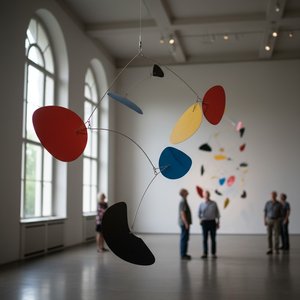
Alexander Calder: Kinetic Sculpture, Mobile Art & the Poetics of Chance
Explore the revolutionary world of Alexander Calder's kinetic sculptures & mobiles. Discover insights for collectors, acquisition advice, and the enduring legacy of this modern master. Expert analysis & art valuation.

The Enduring Form: Sculpture Across History, Technique & Emotional Resonance
Explore the rich history of sculpture with OriginalUniqueArt. Discover key techniques, influential artists & investment potential for discerning collectors. Expert insights into valuing and collecting timeless masterpieces.

The Enduring Form: Exploring Themes & Techniques in Sculpture Across Historical Periods
Explore the rich history of sculpture from ancient masterpieces to contemporary innovations. Discover key techniques, influential artists & investment potential for discerning art collectors.

10 Легендарних Бронзових Шедеврів, Які Змінили Мистецтво | OriginalUniqueArt
Відкрийте для себе 10 легендарних бронзових шедеврів, що змінили мистецтво! Історія створення, художні техніки та вплив скульпторів Ренесансу й Античності. Купуйте репродукції картин на OriginalUniqueArt.com – музейна якість для вашого дому.
