() ·

Картина, створена вручну спеціально для вас

Landscape

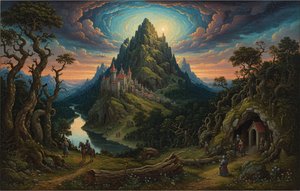
Олійная репродукція ручної роботи

Написана вручну олією на полотні у вашому розмірі та рамі, виготовлена на замовлення нашими художниками. ( Перейти до друку Перейти до цифрових зображень)

Опис експоната

Explore Albrecht Altdorfer’s monochrome engravings – masterful Mannerist landscapes featuring expressive lines & layered compositions. Discover serene scenes of mountains & forests.

Біографія митця

Альбрехт Альтдорфер – німецький художник-пейзажист епохи Віденської школи. Його картини вражають драматизмом, виразністю та глибоким зв’язком з природою. Відкрийте для себе його шедеври!

від ·

Розділ 1

Якого розміру вона має бути?

Гортайте, щоб змінити розмір; на зображенні ліворуч показано рамку її справжньої ширини. Пропорції оригіналу збережено.

Стандартний розмір
індивідуальний розмір
CM
INCH

Обирайте з наших стандартних розмірів, що відповідають оригінальним пропорціям твору мистецтва.

ширина
висота

Введіть необхідну ширину та висоту, щоб картина підійшла до вашої рами або стіни. Оскільки це ручний розпис, для зміни пропорцій художник може дописати трохи більше по краях або дещо обрізати композицію — вибір за вами. Перед початком роботи ми надішлемо вам цифровий макет для затвердження. Зображення, показане на цій сторінці, не є реальним результатом — лише макет відображає майбутній вигляд.

Розділ 2

Яким має бути спосіб доставки?

Оберіть тип країв натяжного полотна

Оберіть свою раму

Corner sample of the WhiteWrap canvas edge finish, stretched on масив дерева bars
Білий край ₴1
Corner sample of the BlurSideWrap canvas edge finish, stretched on масив дерева bars
Розмитий край ₴1
Corner sample of the ExtendedWrap canvas edge finish, stretched on масив дерева bars
З розширенням ₴1
Corner sample of the P118B picture frame: формований полістирол, 5 cm wide and 3 cm thick
P118B ₴10
Corner sample of the P118H picture frame: формований полістирол, 5 cm wide and 3 cm thick
P118H ₴10
Corner sample of the P118W picture frame: формований полістирол, 5 cm wide and 3 cm thick
P118W ₴10
Corner sample of the P438Z picture frame: формований полістирол, 5.5 cm wide and 3.5 cm thick
P438Z ₴10
Corner sample of the P508JH picture frame: формований полістирол, 7 cm wide and 3.5 cm thick
P508JH ₴12
Corner sample of the P508YH picture frame: формований полістирол, 7 cm wide and 3.5 cm thick
P508YH ₴12
Corner sample of the P805H picture frame: формований полістирол, 5 cm wide and 3.5 cm thick
P805H ₴10
Corner sample of the P805Z picture frame: формований полістирол, 5 cm wide and 3.5 cm thick
P805Z ₴10
Corner sample of the P919BZ picture frame: формований полістирол, 7 cm wide and 3.5 cm thick
P919BZ ₴10
Corner sample of the P919G picture frame: формований полістирол, 7 cm wide and 3.5 cm thick
P919G ₴10
Corner sample of the P919XJ picture frame: формований полістирол, 7 cm wide and 3.5 cm thick
P919XJ ₴10
Corner sample of the P959ZH picture frame: формований полістирол, 5 cm wide and 3 cm thick
P959ZH ₴10
Corner sample of the P968JZ picture frame: формований полістирол, 6 cm wide and 4 cm thick
P968JZ ₴12
Corner sample of the W106C picture frame: масив дерева, 5 cm wide and 3 cm thick
W106C ₴8
Corner sample of the W218G picture frame: масив дерева, 5 cm wide and 3 cm thick
W218G ₴10
Corner sample of the W218JH picture frame: масив дерева, 5 cm wide and 3 cm thick
W218JH ₴8
Corner sample of the W218Y picture frame: масив дерева, 5 cm wide and 3 cm thick
W218Y ₴10
Corner sample of the W307PJ picture frame: масив дерева, 6 cm wide and 3 cm thick
W307PJ ₴10
Corner sample of the W316G picture frame: масив дерева, 6 cm wide and 3 cm thick
W316G ₴10
Corner sample of the W316PJ picture frame: масив дерева, 6 cm wide and 3 cm thick
W316PJ ₴8
Corner sample of the W316Y picture frame: масив дерева, 6 cm wide and 3 cm thick
W316Y ₴10
Corner sample of the W398PJ picture frame: масив дерева, 5 cm wide and 3 cm thick
W398PJ ₴8
Corner sample of the W4111J picture frame: масив дерева, 6.5 cm wide and 3.5 cm thick
W4111J ₴10
Corner sample of the W500HY picture frame: масив дерева, 7 cm wide and 5 cm thick
W500HY ₴15
Corner sample of the W500JH picture frame: масив дерева, 7 cm wide and 5 cm thick
W500JH ₴15
Corner sample of the W692G picture frame: масив дерева, 8 cm wide and 4 cm thick
W692G ₴12
Corner sample of the W849H picture frame: масив дерева, 5 cm wide and 3 cm thick
W849H ₴8
Corner sample of the W940BG picture frame: масив дерева, 7.5 cm wide and 4.5 cm thick
W940BG ₴15
Corner sample of the W953PJ picture frame: масив дерева, 6 cm wide and 3.5 cm thick
W953PJ ₴8
Corner sample of the H24-GOLD picture frame: різьблене дерево з левкасом, 10 cm wide and 6 cm thick
H24-GOLD ₴30
Corner sample of the H24-SILVER picture frame: різьблене дерево з левкасом, 10 cm wide and 6 cm thick
H24-SILVER ₴30
Corner sample of the H36-GOLD picture frame: різьблене дерево з левкасом, 15 cm wide and 6.5 cm thick
H36-GOLD ₴45
Corner sample of the H36-SILVER picture frame: різьблене дерево з левкасом, 15 cm wide and 6.5 cm thick
H36-SILVER ₴45

Багет: . Загальний розмір із рамою: .

Розділ 3

Хто це малює, і чи має щось змінитися?

Приклади того, що можна змінити: замінити обличчя на фото клієнта; додати домашню тварину (наприклад, замінити кота на собаку); додати приховане повідомлення на фоні; змінити пейзаж або елементи фону.
Після оформлення замовлення команда OriginalUniqueArt.com надішле клієнту електронний лист із запитом інструкцій та надасть попередній макет для перегляду

Доставка по всьому світу () за 3–4 тижні замість стандартних 5 тижнів. (9 Листопад). Без жодних компромісів у якості.

Розділ 4

Останні штрихи

Табличка, як у музеї?

Деталі гравірування на бронзовій табличці

This elegant plaque features the artist's name and the title of the artwork, finely engraved for a timeless presentation.

It is made from bronze with a refined, elegant finish. The text is precisely laser-engraved for a sharp and permanent result. Measuring 9x2 cm, the plaque is compact yet easy to read. It's built to be durable and scratch-resistant, offering a professional, museum-quality look. Mounting is simple thanks to the included adhesive backing.

Деталі прозорої акрилової таблички

The plaque includes essential engraved details such as the artist's name, the title of the artwork, the date it was created, the type of media used-like oil on canvas or watercolor-a brief description of the piece, and a QR code that links to the complete artwork information.

It is crafted from clear acrylic, offering a sleek, modern appearance. The text is UV-engraved in black to ensure strong visual contrast. With a size of 10x15 cm, it ensures optimal readability. It comes equipped with two metal hooks for secure wall mounting. The plaque is designed to be weather-resistant, making it suitable for various environments, and it includes interactive features that work seamlessly with smartphone scanning.

Деталі чорної акрилової таблички

This elegant plaque includes engraved information such as the artist's name, the title of the artwork, the date it was created, the type of media used (like oil on canvas or watercolor), a short description of the artwork, and a QR code for quick access to more information.

The plaque itself is made from refined black acrylic with a premium finish. The text is laser-engraved in white for high contrast and readability. Its size is 10x15 cm, designed to be easy to read. It comes with two metal hooks for professional mounting. The design is sleek and fits any interior style. It is also weather-resistant and durable, with built-in digital integration for mobile compatibility.

Захисний лак?

Коли вам це потрібно?

Розділ 5

Ваша картина, згідно із вашим замовленням

Landscape

Матеріал репродукції

Розмір репродукції

-

Видатний майстер-художник

Більше деталізації, витонченості та додаткового часу на створення твору

-

Рама для репродукції

-

-

Для творів мистецтва або репродукцій, розмір яких перевищує 105 см (приблизно 41 дюйм) з будь-якого боку, рама доставляється у вигляді розібраного комплекту. Такий метод гарантує безпечну доставку та запобігає пошкодженням під час транспортування.

Потребує професійного збирання — це не продукт для самостійного виготовлення (DIY).
Комплект має бути зібраний, а полотно натягнуте досвідченим майстром багетних робіт із використанням клейового дерева (не входить у комплект), щипців для натягування полотна та затискачів, щоб підрамник залишався рівним під час висихання клею. Неправильне збирання або нерівномірне натягування полотна може призвести до незворотного пошкодження твору мистецтва, що не підпадає під дію нашої гарантії.

  • У комплект входять усі бруски з цільного дерева, точно вирізані за розміром.

  • Збирається за допомогою гвинтів, що входять до комплекту, а також клейового розчину для кутових з'єднань, який не входить до комплекту і має бути підготовлений вашим майстром.

  • Потрібні професійні інструменти, які не входять до комплекту: щипці для натягування полотна (натягувач) та затискачі, щоб утримувати рейки рівно під час висихання клею.

Важливо:
Для з'єднання кутів потрібен клей для дерева, перекладини необхідно затиснути струбцинами до повного висихання клею, а для натягування полотна на зібрану раму знадобляться щипці для натягування полотна. Жоден із цих інструментів не входить до комплекту. Будь ласка, проконсультуйтеся з досвідченим майстром багетного оформлення перед замовленням рами такого розміру.

Етикетка експоната

-

-

Захисний лак

Глянцевий лак (підсилює яскравість кольорів, захищає від світла та вологи)

-

Персоналізувати мій витвір

Приклади можливих змін: заміна обличчя на фото клієнта; додавання домашньої тварини (наприклад, заміна кота на собаку); додавання прихованого повідомлення на фоні; зміна пейзажу або елементів фону.

-

Прискорено

Доставка по всьому світу () за 3–4 тижні замість стандартних 5 тижнів. (9 Листопад). Без компромісів у якості.

-

Експрес-доставка

Доставка по всьому світу () протягом 5 тижнів. (16 Листопад).

Включено в ціну

Підсумкова вартість

₴ 13472

Загальна вартість ₴ 13472

Скляний варіант доступний лише для розмірів до 110 см

До кожного замовлення додається

  • Безкоштовна експрес-доставка по всьому світу
  • Високоякісне лляне полотно
  • Повне страхове покриття доставки
  • Гарантія повернення митних зборів
  • Гарантія точного відтворення кольорів
  • Політика повернення протягом 100 днів (лише у разі виявлення дефектів)
  • Гарантія повернення 100% коштів
  • Пропозиція на оптові замовлення

Albrecht Altdorfer’s “Landscape with Two Pines”: A Pioneer of Pure Vision

Before the rise of Romanticism and its fervent celebration of nature, there existed a profound shift in European art – the emergence of landscape as an independent subject. Within this pivotal moment stands Albrecht Altdorfer (c. 1480-1538), a master of the Danube School, whose “Landscape with Two Pines” (circa 1521-22) isn’t merely a depiction of scenery; it's a declaration of artistic intent, a bold assertion that nature itself could be the primary focus of a painting. This remarkable work, now housed in the Cleveland Museum of Art, represents one of the earliest examples of a purely landscape composition in Western art – a watershed moment before which natural elements were typically relegated to supporting roles within religious or narrative scenes.

Altdorfer’s background profoundly shaped his artistic vision. Born and raised in Regensburg, a vibrant city situated on the Danube River, he was immersed in a landscape of rolling hills, dense forests, and meandering waterways – a setting that would become inextricably linked to his art. His father, Ulrich Altdorfer, a painter and miniaturist, instilled in him an appreciation for detail and craftsmanship, while the city’s bustling cultural environment exposed him to diverse artistic influences. This confluence of personal experience and artistic lineage fueled his desire to capture the essence of the natural world with unprecedented freedom and expressiveness.

A Mannerist Masterpiece: Line, Texture, and Atmospheric Depth

“Landscape with Two Pines” is a quintessential example of Altdorfer’s distinctive style – a potent blend of late Gothic sensibilities and emerging Renaissance ideals. Executed primarily in monochrome etching on iron, the work showcases his mastery of line as both form and emotion. The composition is dominated by elongated, sinuous lines that delineate trees, rocks, and the distant mountains, creating a sense of dynamic movement and unrestrained energy. These aren’t realistic renderings; rather, they are expressive gestures, imbued with a palpable vitality.

  • Line as Form: Altdorfer utilizes hatching and cross-hatching techniques to build up tonal variations and simulate texture – the rough bark of trees, the weathered surface of rocks, and the shimmering water.
  • Atmospheric Perspective: The artist employs a subtle sense of atmospheric perspective, with distant elements rendered in lighter tones and less detailed lines, creating an illusion of depth and recession into the landscape.
  • Expressive Distortion: Altdorfer deliberately distorts forms and proportions, embracing a Mannerist aesthetic characterized by elongated figures, exaggerated perspectives, and a heightened sense of drama. This isn’t about replicating reality; it's about conveying feeling and mood.

The choice of monochrome etching is particularly significant. It forces the viewer to focus on line and texture, intensifying the emotional impact of the scene. The lack of color amplifies the sense of solitude and contemplation, inviting a deeper engagement with the landscape’s inherent beauty.

Symbolism and the Human Connection to Nature

While “Landscape with Two Pines” is undeniably a pioneering work in its depiction of pure landscape, it also subtly hints at symbolic meaning. The two prominent pines, anchoring the composition, can be interpreted as symbols of resilience, endurance, and perhaps even spiritual fortitude. The solitary figure seated beneath one of the trees – a detail often overlooked – suggests a connection between humanity and nature, a moment of quiet contemplation amidst the vastness of the wilderness.

Altdorfer’s approach to landscape reflects a broader shift in artistic thinking during this period. He moved away from the traditional role of landscape as a mere backdrop for human drama, recognizing its intrinsic value as an independent subject worthy of artistic exploration. “Landscape with Two Pines” stands as a testament to his vision – a groundbreaking work that paved the way for future generations of landscape painters and forever altered the course of Western art.

A Legacy of Vision: Reproductions and Artistic Inspiration

Today, “Landscape with Two Pines” continues to captivate viewers with its raw energy, expressive power, and profound connection to nature. High-quality reproductions offer a remarkable opportunity to experience the work’s intricate details and atmospheric depth. Its influence can be seen in the works of later landscape painters, including Caspar David Friedrich, who further developed the Romantic tradition of celebrating the sublime beauty of the natural world. Whether admired as a historical masterpiece or simply appreciated for its aesthetic qualities, “Landscape with Two Pines” remains a powerful reminder of Albrecht Altdorfer’s visionary genius and his enduring contribution to the history of art.

Питання та відповіді

Яким чином твір "Landscape" перегукується з іншими роботами Альбрехт Альтдорфер?

«Landscape» поділяє з іншими творами Альбрехт Альтдорфер характерний стиль Mannerist та притаманні йому теми: renaissance landscape, danube school style, biblical narrative hints, early landscape pioneer, imperial court patronage, altdorfer's visionary", expressive line dominance, nature as spiritual force".

Яка яскравість у «Landscape» роботи Альбрехт Альтдорфер?

Кольори твору "Landscape" мають рівень яскравості Bright Balance.

До якого художнього напряму та якої епохи належить «Landscape» роботи Альбрехт Альтдорфер?

«Landscape» роботи Альбрехт Альтдорфер належить до течії Mannerist, що була створена в епоху — Відродження свого автора.

Більше про цю картину

Переглянути в інтер'єрі Перегляд в AR Перейти до друку Перейти до цифрових зображень Надіслати як листівку
Деталі витвору Посібник Додати до улюблених Завантажити Схожі екземпляри Рентгенівське дослідження Слайд-шоу Питання та відповіді Статистика

У цифрах

  • 29доступні варіанти обрамлення
  • стандартні розміри, у власних пропорціях
  • 5тижнів на написання та доставку
Альбрехт Альтдорфер

Альбрехт Альтдорфер

1480 - 1538, Німеччина

Короткі факти про Альбрехт Альтдорфер

  • Artistic Movement Or Style: Данська школа, Ренесанс
  • Artists Or Movements Influenced By This Artist: ['Німецький романтизм']
  • Artists Who Influenced This Artist:
    • Джорджоне
    • Лукас Кранх
    • Альбрехт Дюрер
  • Date Of Birth: c. 1480
  • Date Of Death: 1538
  • Full Name: Albrecht Altdorfer
  • Nationality: Німецький
  • Notable Artworks:
    • Битва Александра при Іссусі
    • Велика сосна
    • Святий Георгій і дракон
  • Place Of Birth: Регенсбург, Німеччина

Біографія митця

Albrecht Altdorfer: A Pioneer of German Landscape

Albrecht Altdorfer, a name synonymous with the dawn of modern landscape painting in Germany, was more than just an artist; he was a visionary who fundamentally reshaped how artists perceived and depicted nature. Born around 1480 in Regensburg, a vibrant city nestled on the banks of the Danube River – a location that would profoundly influence his artistic sensibilities – Altdorfer emerged from a family steeped in artistic tradition. His father, Ulrich Altdorfer, was himself a painter and miniaturist, providing Albrecht with an early foundation in the visual arts. Yet, unlike many artists of his time who simply inherited techniques, Altdorfer quickly forged his own distinctive path, becoming a pivotal figure bridging the late Gothic period and the burgeoning German Renaissance. He wasn’t merely *of* his era; he actively shaped its artistic trajectory, particularly through his groundbreaking explorations of landscape. The Danube School and a Revolutionary Shift in Perspective Altdorfer's place within art history is inextricably linked to the Danube School, an influential circle of artists active primarily during the early 16th century in southern Germany. This group shared a remarkable commonality: a deep fascination with capturing the expressive potential of landscape. Prior to Altdorfer’s arrival on the scene, landscapes were largely relegated to serving as mere backdrops for religious or historical narratives – functional spaces within larger compositions. However, Altdorfer dared to elevate nature itself to the subject of his art, imbuing it with atmosphere, emotion, and a profound sense of presence. This wasn’t simply about accurately reproducing what he saw; it was about conveying *the experience* of being immersed in a landscape – its awe-inspiring grandeur, its mysterious depths, and even its spiritual resonance. The pivotal journey down the Danube River and into the Alps around 1511 served as a catalyst for this transformation. The dramatic vistas—towering mountains, dense forests, and winding rivers—ignited within him an intense passion for depicting nature with unprecedented fidelity and emotional depth. He became, arguably, the first true landscape painter in the modern sense, pioneering a new approach that would profoundly influence generations of artists to come. Masterpieces Reflecting a New Vision Altdorfer’s artistic output was remarkably diverse, encompassing paintings, engravings, drawings, and even architectural designs. Among his most celebrated achievements is *The Battle of Alexander at Issus* (1529), a monumental painting commissioned by Duke William IV of Bavaria. This work stands as a testament to Altdorfer's mastery not only of composition and detail but also of his innovative use of landscape to heighten the dramatic tension of the battle scene. The swirling clouds, jagged mountain peaks, and chaotic melee of soldiers are rendered with such dynamism that they create an overwhelming sense of energy and spectacle – a far cry from the static, idealized landscapes of earlier works. His collaboration with Emperor Maximilian I in Innsbruck during the years 1513-1516 further expanded his artistic horizons, providing him with opportunities to undertake large-scale projects and explore new creative avenues. Altdorfer’s style wasn't born in a vacuum; he drew inspiration from a variety of sources – the poetic lyricism of Italian Renaissance masters like Giorgione, the expressive figures of Lucas Cranach the Elder, and the meticulous detail of Albrecht Dürer. However, he skillfully synthesized these influences into a uniquely personal vision, characterized by its intense emotionality, dramatic lighting effects, and evocative landscapes. His engravings, such as *Mucius Scaevola Burning His Hand*, demonstrate his exceptional skill in this medium, showcasing delicate lines and intricate details that convey a remarkable sense of movement and drama. Influences and Techniques Altdorfer’s artistic development was shaped by several key factors. He began his career studying the techniques of established engravers like Jacopo de Barbari and Albrecht Dürer, absorbing their knowledge of line and composition. However, he quickly surpassed these influences, developing a distinctive style that combined meticulous detail with expressive brushwork. His use of color was particularly noteworthy – he employed rich, vibrant hues to capture the light and atmosphere of the landscapes he depicted. He also experimented with new techniques, such as *niello* (a black pigment derived from sulfur), which allowed him to create deep shadows and dramatic contrasts. His early drawings, including *Stygmata of St. Francis* and *St. Jerome*, provide valuable insights into his creative process, revealing his meticulous observation skills and his ability to convey emotion through subtle shifts in tone and texture. Legacy and Enduring Significance Albrecht Altdorfer’s artistic legacy extends far beyond the 55 panels, 120 drawings, and numerous engravings he created during his lifetime. He fundamentally altered the way artists approached landscape painting, paving the way for future generations to explore its expressive possibilities. His influence can be seen in the works of later German Romantic painters who similarly sought to capture the sublime beauty and emotional power of nature. Today, Altdorfer’s art is celebrated in major museum collections around the world – including the Museum Ostdeutsche Galerie in Germany (where his *Madonna (Beautiful Maria of Regensburg)* is housed) and the Kunstsammlungen und Museen Augsburg in Austria. His innovative spirit, technical skill, and profound connection to the natural world continue to inspire artists and captivate audiences centuries after his death in 1538. He remains a towering figure of the German Renaissance – a true pioneer who dared to see landscape not merely as scenery but as a powerful force capable of evoking deep emotion and spiritual meaning. His work stands as a testament to the enduring power of art to transform our perception of the world around us, a legacy that continues to resonate with viewers today.

Exploring Altdorfer’s Diverse Works

Beyond his iconic landscapes and battle scenes, Altdorfer's artistic range encompassed religious subjects, mythological narratives, and even architectural designs. His depictions of biblical stories, such as *Abraham’s Sacrifice*, are imbued with a dramatic intensity and emotional depth that set them apart from earlier interpretations. He wasn’t simply illustrating scripture; he was exploring the human condition through the lens of faith.
  • Engravings: Altdorfer's engravings, like *Mucius Scaevola Burning His Hand*, demonstrate his mastery of line and detail, often conveying a sense of movement and drama.
  • Drawings: His drawings offer intimate glimpses into his creative process, revealing his meticulous observation skills and expressive use of shading.
  • Architectural Designs: As town architect of Regensburg, Altdorfer contributed to the city’s fortifications and urban planning, showcasing his practical as well as artistic talents.
His ability to seamlessly blend technical skill with emotional depth solidified his position as a leading artist of the Renaissance. *Altdorfer's work continues to be studied and admired for its innovative approach to landscape painting and its profound exploration of human emotion.*

Основна інформація

  • Medium: Engraving
  • Movement: Danube School
  • Title: Landscape
  • Influences: Early Renaissance
  • Artist: Albrecht Altdorfer

Квіз про мистецтво

У кожному запитанні лише одна правильна відповідь.

Запитання 1:
What artistic movement is most closely associated with Albrecht Altdorfer’s ‘Landscape with Two Pines’?
Запитання 2:
The etching 'Landscape with Two Pines' is significant because it was one of the first examples of:
Запитання 3:
What material was primarily used for creating the etchings 'Landscape with Two Pines'?
Запитання 4:
Based on the description, what is a key characteristic of Altdorfer’s landscape style?
Запитання 5:
Albrecht Altdorfer’s work is often associated with which geographical region?