

 Переглянути в інтер'єрі
 Надіслати як листівку
 Поділитися
 Деталі витвору
 Посібник

 Завантажити
 Схожі екземпляри
 Рентгенівське дослідження
 Слайд-шоу
 Статистика
A Sleeping Girl
 Oil On Canvas
- WallArt
- Pre-Raphaelite
 1875
1875 22.0 x 30.0 cm
 Тейт Брітан
 Розгорнути текст
Гікле / Художній принт
Друк جيкле або на полотні музейної якості з оперативним виготовленням та різноманітними варіантами фінішної обробки. ( Замовити картину ручної роботи Перейти до цифрових зображень)




P118B ₴10

P118H ₴10

P118W ₴10

P438Z ₴10

P508JH ₴12

P508YH ₴12

P805H ₴10

P805Z ₴10

P919BZ ₴10

P919G ₴10

P919XJ ₴10

P959ZH ₴10

P968JZ ₴12

W106C ₴8

W218G ₴10

W218JH ₴8

W218Y ₴10

W307PJ ₴10

W316G ₴10

W316PJ ₴8

W316Y ₴10

W398PJ ₴8

W4111J ₴10

W500HY ₴15

W500JH ₴15

W692G ₴12

W849H ₴8

W940BG ₴15

W953PJ ₴8




Обирайте з наших стандартних розмірів, що відповідають оригінальним пропорціям твору мистецтва.

Введіть необхідну ширину та висоту, щоб принт ідеально підійшов до вашої рами або стіни. Принт можна лише обрізати, але не можна зробити більшим за оригінал, тому при зміні пропорцій частина зображення буде втрачена. Перед друком ми надсилаємо вам цифровий макет для затвердження. Зображення на цій сторінці не відображає реальну обрізку — її можна побачити лише на макеті.
Доставка по всьому світу () за 2 тижні замість стандартних 4/5 тижнів. (27 Жовтень)

Безкоштовна експрес-доставка по всьому світу

Високоякісне лляне полотно

Повне страхове покриття доставки

Гарантія повернення митних зборів

Гарантія точного відтворення кольорів

Політика повернення протягом 100 днів (лише у разі виявлення дефектів)

Гарантія повернення 100% коштів

Пропозиція на оптові замовлення
 Скляний варіант доступний лише для розмірів до 110 см

A Sleeping Girl
Гікле / Художній принт
Розмір репродукції
-


Підсумкова вартість
₴ 3586
A Portrait of Quietude: Exploring Albert Moore’s “Sleeping Girl”
Albert Joseph Moore's "Sleeping Girl," completed around 1875, stands as a quintessential example of Pre-Raphaelite painting—a movement dedicated to reviving artistic ideals considered superior to those prevalent in the academic tradition. More than just a depiction of repose, this oil on canvas delves into themes of vulnerability, beauty, and contemplation, capturing a moment frozen in time with remarkable sensitivity. Tate Gallery houses the original artwork, offering visitors an opportunity to experience its ethereal luminescence firsthand.- Subject Matter: The painting portrays a young woman reclining gracefully on a chaise lounge, enveloped in soft drapery and surrounded by delicate floral arrangements—a deliberate choice reflecting the Pre-Raphaelite fascination with idealized landscapes and mythological narratives rooted in medieval literature.
- Style & Technique: Moore’s meticulous approach to composition and execution aligns perfectly with the stylistic principles of his era. He employed a layered brushstroke technique, building up color and form gradually—a hallmark of Academic painting—to achieve an unparalleled level of luminosity and textural detail. The artist's careful attention to light and shadow contributes significantly to the artwork’s serene atmosphere.
- Historical Context: Emerging in Britain during the Victorian period, Pre-Raphaelite art reacted against the perceived artificiality of academic conventions, championing instead a return to artistic sincerity and emotional expression inspired by early Renaissance masters—specifically those preceding Raphael. This movement sought to recapture the spirit of medieval art, prioritizing beauty and moral contemplation over mere technical virtuosity.
- Symbolism: The inclusion of roses—a recurring motif in Pre-Raphaelite imagery—amplifies the painting’s symbolic resonance. Roses traditionally represent love, passion, and purity—themes interwoven throughout Moore's composition to convey a profound sense of innocence and tranquility. The woman’s closed eyes symbolize sleep, representing not merely physical rest but also spiritual contemplation and detachment from worldly concerns.
- Emotional Impact: “Sleeping Girl” succeeds in evoking a powerful emotional response in the viewer—a feeling of quiet serenity and melancholic beauty. Moore's masterful use of color palettes—muted earth tones combined with soft whites—creates an immersive experience that invites reflection on themes of vulnerability, grace, and fleeting moments of sublime perfection.
Detailed Examination of Composition & Color Palette
Moore’s compositional choices are deliberate and contribute significantly to the artwork's overall impact. The central figure dominates the canvas, positioned at the heart of a carefully arranged space defined by supporting elements—floral cushions and vases—that serve as visual anchors. Lines are predominantly smooth and flowing, particularly in the drapery and the woman’s hair, creating an impression of softness and movement. Perspective is shallow, fostering a sense of intimacy between the viewer and the subject matter. Depth is achieved through subtle tonal variations and layering techniques—a testament to Moore's technical prowess. The color palette leans towards muted earth tones—primarily ochre and ivory—underscored by delicate shades of pink and white—creating an ethereal luminescence that enhances the painting’s dreamlike quality.Materials & Artistic Process
“Sleeping Girl” is executed in oil paints on canvas—a medium favored by Academic artists for its ability to capture nuanced tonal gradations and achieve exceptional textural richness. Moore undertook extensive preparatory studies, meticulously sketching the figure and drapery separately before embarking on the final painting process. He employed a technique known as glazing—applying thin layers of translucent color over underlying pigments—to build up depth and luminosity gradually—a hallmark of Pre-Raphaelite artistry. This painstaking approach ensured that every detail was rendered with meticulous precision, resulting in an artwork of breathtaking beauty and artistic integrity.Питання та відповіді
Чи можна переглянути «A Sleeping Girl» роботи Альберт Джозеф Мур у форматі слайд-шоу?
«A Sleeping Girl» роботи Альберт Джозеф Мур можна переглянути у форматі слайд-шоу на сторінці Слайд-шоу цього твору.
Яка техніка виконання у «A Sleeping Girl» роботи Альберт Джозеф Мур?
«A Sleeping Girl» виконано в техніці Oil On Canvas.
Який емоційний тон має «A Sleeping Girl» роботи Альберт Джозеф Мур?
«A Sleeping Girl» роботи Альберт Джозеф Мур передає Calm емоційний настрій.
Біографія митця
Early Life and Artistic Roots
Albert Joseph Moore, a name synonymous with ethereal beauty and the delicate sensibilities of the Aesthetic Movement, was born on September 4th, 1841, in York, England – a city steeped in history and artistic tradition. He hailed from a family deeply intertwined with the world of art; his father, William Moore, was a respected portrait painter, and several of his brothers followed in his footsteps, including the renowned Henry Moore, a master of marine painting. This familial legacy undoubtedly played a significant role in shaping young Albert’s early artistic inclinations. He received his initial education at Archbishop Holgate's School and St. Peter’s School in York, where he honed his drawing skills under the guidance of his father. These formative years instilled in him a meticulous attention to detail and a profound appreciation for classical forms – influences that would later permeate his distinctive style.The Rise of a Neo-Classical Vision
Moore's artistic journey began with an exploration of Pre-Raphaelite themes, mirroring the vibrant colors and narrative storytelling characteristic of that movement. However, a pivotal moment arrived in 1865 when he encountered James Abbott McNeill Whistler, a key figure in the burgeoning Aesthetic Movement. This encounter proved transformative, leading Moore to embrace a new artistic philosophy centered on formal beauty, decorative harmony, and the pursuit of “art for art’s sake.” He began to shift his focus towards classical subjects, drawing inspiration from ancient sculptures and architectural designs – particularly the Elgin Marbles, which profoundly impacted his understanding of proportion and drapery. This transition marked a significant departure from the more overtly narrative style of the Pre-Raphaelites, establishing a distinct neo-classical aesthetic that would become his hallmark.Notable Works and Artistic Techniques
Moore’s paintings are instantly recognizable for their exquisite detail, graceful figures, and evocative atmosphere. He frequently depicted single female figures, often posed in contemplative or serene settings, enveloped in flowing drapery reminiscent of classical sculpture. These compositions were meticulously crafted, emphasizing idealized proportions and a sense of timeless beauty. Some of his most celebrated works include “The Marble Seat” (1865), a series of decorative panels showcasing his mastery of color and texture; “Elijah’s Sacrifice” (1863), which subtly incorporates elements of Ford Madox Brown's dramatic style; and "The Loves of the Seasons and The Winds" (painted for Mr. McCulloch), an ambitious and painstakingly detailed work that exemplifies his dedication to formal beauty. Moore’s technique involved layering thin glazes of color, creating a luminous effect and capturing subtle nuances of light and shadow – a testament to his exceptional draughtsmanship and artistic sensitivity.Museum Collections and Lasting Influence
Moore's art has found its home in prestigious museums around the world, offering viewers an opportunity to experience his unique vision firsthand. The York Museums Trust proudly houses a collection of his paintings, including the iconic “Kingcups,” while the Royal Academy in London maintains a significant selection of his works. His legacy extends far beyond these collections; Moore’s influence can be seen in the work of subsequent generations of artists who embraced the Aesthetic Movement and sought to elevate art beyond mere representation or moral instruction. He remains a pivotal figure in Victorian art, celebrated for his innovative approach to composition, color, and form – a testament to his enduring artistic vision.A Life Dedicated to Art
Despite facing significant challenges—including a debilitating illness that ultimately claimed his life on September 25th, 1893—Moore remained steadfastly committed to his art until the very end. He eschewed commercial success and societal expectations, prioritizing his creative pursuits above all else. His dedication to formal beauty and decorative harmony set him apart from many of his contemporaries, establishing a unique artistic identity that continues to captivate audiences today. Albert Joseph Moore’s life and work serve as a poignant reminder of the power of art to transcend convention and express the deepest yearnings of the human spirit.
Альберт Джозеф Мур
1841 - 1893 , Великобритания
Короткі факти
- Artistic Movement Or Style: Естетизм
- Artists Who Influenced This Artist:
- Руськин
- Форд Мэддокс Браун
- Эдвард Армитаж
- Date Of Birth: 4 вересня 1841
- Date Of Death: 25 вересня 1893
- Full Name: Albert Joseph Moore
- Nationality: Британський
- Notable Artworks:
- Мраморне сиденье
- Жертва Элиаха
- Любовь сезонов и ветра
- Place Of Birth: Йорк, Великобританія
Пов'язані статті

The Pre-Raphaelite Brotherhood: Rediscovering Beauty, Romance, and Medieval Magic in Victorian Art
Embark on a journey through the Pre-Raphaelite Brotherhood. Discover the romantic symbolism, medieval magic, and radical beauty of Rossetti and Burne-Jones in this expert exploration of Victorian art history.

Pre-Raphaelite Romanticism: A Guide to Vivid Detail and Medieval Beauty in Victorian Art
Explore the vivid detail and medieval beauty of Pre-Raphaelite Romanticism. Discover the history of masters like Rossetti and Millais through our expert guide to Victorian art, perfect for collectors and professionals seeking authentic, museum-quality reproductions.

Sir John Everett Millais: Pre-Raphaelite Rebellion & Victorian Narrative Detail
Explore the revolutionary art of Sir John Everett Millais & the Pre-Raphaelite Brotherhood. Discover their radical realism, symbolic narratives, and lasting impact on Victorian aesthetics. A deep dive into 19th-century masterpieces.

25 шедеврів Данте Габріеля Россетті: мистецтво, краса та декор для вашого дому
Відкрийте 25 захопливих шедеврів Данте Габріеля Россетті! Пориньте у світ прерафаелітів, символізму та неймовірної краси. Купуйте репродукції картин онлайн на OriginalUniqueArt.com – декор для вашого дому з музейною якістю.
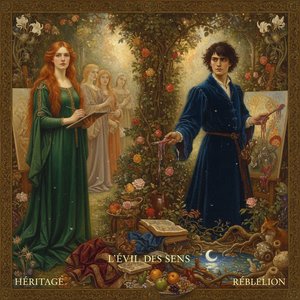
The Pre-Raphaelite Brotherhood: Reclaiming Beauty, Nature, and Truth in Victorian Art History
Explore the revolutionary Pre-Raphaelite Brotherhood. Discover how these visionary artists rejected academic tradition to reclaim beauty, nature, and truth through luminous detail and literary depth in Victorian art history.