Переглянути в інтер'єрі
 Надіслати
 Поділитися
 Деталі
 Посібник

 Завантажити
 Схожі предмети колекціонування
 Рентгенівське дослідження
 Слайд-шоу
 Статистика переглядів
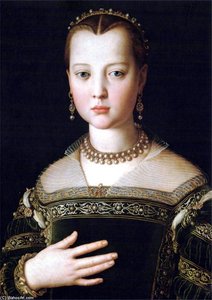
Alessandro de' Medici
 Oil On Panel
- Mannerist Style
 1555
1555- Renaissance
 15.0 x 12.0 cm
 Галерея Уффіці
 Читати далі
Гікле / Художній принт
Музейна якість друку جيкле або на полотні з оперативним виготовленням та різноманітними варіантами фінішної обробки. ( Купити картину ручної роботи Перейти до цифрових зображень)




P118B $10

P118H $10

P118W $10

P438Z $10

P508JH $12

P508YH $12

P805H $10

P805Z $10

P919BZ $10

P919G $10

P919XJ $10

P959ZH $10

P968JZ $12

W106C $8

W218G $10

W218JH $8

W218Y $10

W307PJ $10

W316G $10

W316PJ $8

W316Y $10

W398PJ $8

W4111J $10

W500HY $15

W500JH $15

W692G $12

W849H $8

W940BG $15

W953PJ $8




Обирайте з наших стандартних розмірів, що відповідають оригінальним пропорціям твору мистецтва.

Ви можете вказати власні розміри, щоб репродукція ідеально підійшла до конкретної рами або інтер'єру. Якщо обраний вами розмір не відповідає пропорціям оригіналу, ми або обріжемо полотно, або розширимо зображення за допомогою дзеркального відображення чи суцільної заливки країв. Перед початком виробництва вам буде надіслано цифровий макет для затвердження.
Будь ласка, зверніть увагу, що попередній перегляд на екрані не відображає фактичне обрізання або розширення. Тільки макет точно покаже фінальну композицію.
Хоча можливість замовлення індивідуальних розмірів доступна, ми рекомендуємо обирати формат із попередньо визначеного списку, щоб зберегти оригінальні пропорції.
Доставка по всьому світу () за 2 тижні замість стандартних 4/5 тижнів. (26 Вересень)

Безкоштовна експрес-доставка по всьому світу

Високоякісне лляне полотно

Повне страхове покриття доставки

Гарантія повернення митних зборів

Гарантія точного відтворення кольорів

Політика повернення протягом 100 днів (лише у разі виявлення дефектів)

Гарантія повернення 100% коштів

Знижка на оптові замовлення
 Скляний варіант доступний лише для розмірів до 110 см

Alessandro de' Medici
Гікле / Художній принт
Розмір репродукції
-


Загальна вартість
$ 80
A Portrait of Power: Agnolo Bronzino’s Stoic Alessandro
Agnolo Bronzino’s “Alessandro de’ Medici” stands as a testament to the meticulous artistry and restrained elegance characteristic of Mannerism, a stylistic movement that dominated Florentine art in the mid-16th century. Executed around 1555, this portrait captures Alessandro I de' Medici—the first Duke of Florence—with an arresting stillness that belies the turbulent political landscape of his reign.
- Subject Matter: The painting depicts Alessandro in a formal pose, seated against a dark background. His gaze is direct and unwavering, conveying a sense of solemn authority and intellectual contemplation.
- Style & Technique: Bronzino’s signature style—characterized by polished surfaces, subtle modeling, and an almost sculptural quality—is evident throughout the composition. The artist employed oil paint on panel, utilizing meticulous layering to achieve remarkable tonal gradations and a velvety texture that enhances the portrait's dramatic impact.
- Historical Context: Alessandro’s ascension to the ducal throne followed a complex succession crisis fueled by papal ambition and dynastic disputes. Bronzino’s depiction reflects the prevailing artistic conventions of the time, prioritizing idealized representation over emotional expression—a hallmark of Mannerist aesthetics.
Symbolism: The Chain of Responsibility
Beyond its formal beauty lies a profound symbolic significance. The chain draped around Alessandro's neck serves as a potent emblem of his role as ruler, representing the burdens and responsibilities inherent in leadership. It underscores the seriousness of his position and subtly hints at the pressures faced by those who govern.
Furthermore, Bronzino’s masterful use of chiaroscuro—the dramatic interplay between light and shadow—amplifies this symbolic message. The dark background emphasizes Alessandro's figure, drawing attention to his face and gaze while creating a sense of depth and psychological complexity.
A Window into Renaissance Florence
"Alessandro de’ Medici" offers invaluable insight into the artistic sensibilities of Renaissance Florence during its twilight years. Bronzino’s work exemplifies the Mannerist preoccupation with intellectual contemplation and idealized beauty—a reaction against the exuberant dynamism of earlier High Renaissance styles. It speaks to a desire for clarity, precision, and psychological nuance, reflecting the anxieties and aspirations of an era grappling with political instability.
This portrait remains a captivating study in visual artistry and symbolic representation, inviting viewers to contemplate not only Alessandro’s physical appearance but also the weighty implications of his role as Duke—a figure forever enshrined in Bronzino's enduring legacy.
Біографія митця
Agnolo Bronzino: Florentine Master of Reserved Elegance
Agnolo di Cosimo, known to history as Bronzino, emerged from the vibrant artistic landscape of Renaissance Florence in 1503, a period already brimming with genius. Born the son of a butcher—a humble origin for an artist destined to become one of the most celebrated portraitists of his era and a defining figure of Mannerism—his path diverged sharply from familial trade, guided instead by an innate talent that would see him achieve unparalleled renown. His early artistic training commenced with Raffaellino del Garbo, but it was under the tutelage of Jacopo da Pontormo that Bronzino’s artistic sensibilities truly blossomed. Recognizing Pontormo's groundbreaking experimentation with perspective and color—a bold departure from prevailing stylistic conventions—Bronzino absorbed these innovations while simultaneously forging his own distinctive voice—one characterized by a profound stillness, meticulous detail, and an understated elegance markedly different from Pontormo’s often emotionally turbulent compositions. This formative period was further enriched by studies conducted alongside Andrea del Sarto, exposing him to the legacies of Michelangelo and Leonardo da Vinci—giants whose artistic vision profoundly shaped Bronzino's understanding of art history and technique. The young Bronzino swiftly demonstrated an exceptional aptitude for capturing not merely physical likeness but a subtle psychological depth—a feat rarely accomplished by his contemporaries—even in his earliest commissions.Early Influences and Artistic Development
The influence of Michelangelo’s monumental sculptures and Leonardo da Vinci's scientific observation profoundly impacted Bronzino’s artistic sensibilities. Like Michelangelo, he embraced anatomical precision and sculptural form, striving to convey a sense of grandeur and permanence within his portraits. Similarly, Da Vinci’s meticulous attention to detail—particularly in his sfumato technique—inspired Bronzino to achieve an unparalleled level of surface refinement. These foundational influences instilled in him a conviction that art should transcend mere representation; it must embody intellectual contemplation and elevate the viewer's perception of beauty. His initial artistic explorations focused on mastering traditional techniques—drawing, etching, and fresco painting—before gravitating towards portraiture as his primary medium. This dedication to craft—combined with an innate understanding of human psychology—established him as a uniquely gifted artist capable of capturing not just outward appearance but inner character.The Medici Patronage and Florentine Court Style
Bronzino’s artistic career ascended dramatically with the patronage of Cosimo I de’ Medici, Duke of Tuscany—a relationship that solidified his position as the official court painter for much of his life. Recognizing Cosimo's astute political acumen and unwavering commitment to cultural advancement, Bronzino embraced this opportunity to hone his skills and establish himself as Florence’s foremost artistic voice. The commissions emanating from the Medici Court demanded an uncompromising adherence to stylistic conventions—a preference for cool composure, idealized beauty, and subtle psychological nuance. Cosimo I and Eleonora di Toledo became frequent subjects of Bronzino's portraits—images that convey an aura of aristocratic detachment and refined dignity. These works weren’t merely about replicating physical resemblance; they were carefully constructed statements of power, status, and dynastic ambition—a testament to Bronzino’s ability to transform visual art into a tool for shaping public perception. His meticulous attention to detail—the textures of fabrics, the gleam of jewels, the subtle expressions conveyed by his subjects—exemplified Florentine court style at its zenith.The Art of Mannerism: Stylized Elegance and Intellectual Depth
Bronzino’s artistic style is undeniably Mannerist—a movement that emerged in Italy during the mid-16th century as a deliberate reaction against the harmonious idealism of the High Renaissance. Rejecting the prevailing emphasis on naturalistic representation, Mannerists sought to explore psychological complexity and stylistic innovation—often prioritizing formal elegance over emotional immediacy. Bronzino embraced elongated figures, stylized poses, and an understated emotionality—techniques that distinguished him from his contemporaries and cemented his reputation as a pioneer of artistic experimentation. His approach mirrored Michelangelo’s sculptural ambition—a desire to convey grandeur and permanence through meticulously crafted forms—while simultaneously incorporating Leonardo da Vinci's sfumato technique—creating subtle gradations of light and shadow to heighten visual impact. Venus, Cupid, Folly and Time (c. 1544-45)—perhaps his most iconic masterpiece—perfectly encapsulates this Mannerist aesthetic. The painting’s intricate composition—characterized by asymmetrical balance and subtly distorted perspective—challenges conventional notions of beauty while simultaneously conveying a profound meditation on human experience. Bronzino's mastery extended beyond mere technical proficiency; he possessed an intellectual curiosity that fueled his artistic endeavors—a conviction that art should engage the mind as well as the senses.Legacy and Enduring Influence
Bronzino’s contribution to Florentine art history transcends his prolific output as a painter. He was a founding member of the Accademia delle Arti del Disegno in 1563—an institution dedicated to fostering artistic excellence and promoting scholarly inquiry—solidifying his role as a champion of humanist ideals and artistic innovation. His influence reverberated throughout Europe, shaping court portraiture for generations to come—establishing Florentine Mannerist style as a benchmark of aristocratic representation. Though subsequent artistic movements favored more emotive or naturalistic approaches, Bronzino’s unwavering commitment to stylistic control and intellectual depth ensured his enduring place in art history—a testament to the transformative power of artistic vision. His legacy continues to inspire artists today who strive for elegance, precision, and psychological insight—demonstrating that true artistry lies not merely in replicating reality but elevating it through deliberate stylistic choices.- Born: Florence, Italy, 1503
- Died: Florence, Italy, 1572
- Key Movement: Mannerism
- Notable Works: *Venus, Cupid, Folly and Time*, Portraits of Cosimo I de’ Medici and Eleonora di Toledo
- Institution: Accademia delle Arti del Disegno

Агноло Бронзино
1503 - 1572 , Італія
Довідкова інформація
- Artistic Movement Or Style: Манєризм
- Artists Who Influenced This Artist:
- Якопо да Понтормо
- Мікеланджело
- Леонардо да Вінчі
- Date Of Birth: 17 листопада 1503
- Date Of Death: 23 листопада 1572
- Full Name: Agnolo di Cosimo
- Nationality: Італійський
- Notable Artworks:
- Венера, Купідон і Час
- Портрети Козімо I де' Медичі та Елеонори ді Толеджо
- Place Of Birth: Флоренція, Італія
Схожі статті

Топ-25 шедеврів Гойї: історія мистецтва для вашого дому | OriginalUniqueArt
Відкрийте 25 шедеврів Франсіско Гойї! Історія мистецтва, глибокі портрети та темні офорти іспанського романтизму. Купіть репродукції картин Гойї для вашого дому на OriginalUniqueArt.com – музейна якість та бездоганний декор.

Про нас
Відкрийте для себе нашу історію! Ми привносимо мистецтво світового класу у ваше життя завдяки експертному відбору, індивідуальним творам та безкоштовним попереднім переглядам. Затверджено приватними особами та компаніями з 2000 року.
Agnolo Bronzino: Mastering Courtly Portraiture & the Enigmatic Gaze of Renaissance Florence
Explore the captivating world of Agnolo Bronzino, Renaissance master portraitist. Discover his elegant style, symbolic depth & lasting influence on art history. Expert insights for collectors.

Mannerism: Bridging Renaissance Harmony & Baroque Drama – A Study of Style & Affectation
Explore the fascinating world of Mannerism! Discover its key characteristics, pioneering artists like Pontormo & Bronzino, and its pivotal role in bridging Renaissance harmony to Baroque drama. A comprehensive guide for art enthusiasts.
Beyond Perfection: The Dramatic Elegance and Intellectual Tension of Renaissance Mannerism
Explore the captivating world of Renaissance Mannerism. Discover how artists moved beyond High Renaissance harmony into a realm of elegant distortion, psychological tension, and dramatic beauty that bridged the gap to the Baroque era.