

 Переглянути в інтер'єрі
 Надіслати
 Поділитися
 Деталі
 Посібник

 Завантажити
 Схожі предмети колекціонування
 Рентгенівське дослідження
 Слайд-шоу
 Статистика переглядів
Signs


 Читати далі
Мистецький твір, представлений на цій сторінці, захищений законом про авторське право, що унеможливлює легальне створення або продаж його ідентичної репродукції. Цей захист забезпечується відповідно до міжнародних угод, таких як Бернська конвенція та національним законодавством, зокрема положеннями, що викладені в Законодавство США про авторське право — Розділ 17. Всі права захищені. Будь-яке використання без дозволу заборонено.
Як шанобливу та законну альтернативу, ми пропонуємо унікальні картини ручної роботи, створені натхненням від оригіналу. Наші досвідчені професійні художники ретельно вивчають стиль, настрій та художню сутність оригіналу, щоб створити новий, неповторний твір, який викликає ті ж почуття, — залишаючись при цьому самобутнім творінням.
Цей метод повністю відповідає нормам авторського права, оскільки він не передбачає копіювання чи дублювання захищеного твору мистецтва. Натомість це творче переосмислення — створення нового малюнка під впливом оригіналу, який не є його точним відтворенням.
Олійная репродукція ручної роботи
Написана вручну олією на полотні у вашому розмірі та рамі, виготовлена на замовлення нашими художниками. ( Перейти до друку Перейти до цифрових зображень)




P118B ₴10

P118H ₴10

P118W ₴10

P438Z ₴10

P508JH ₴12

P508YH ₴12

P805H ₴10

P805Z ₴10

P919BZ ₴10

P919G ₴10

P919XJ ₴10

P959ZH ₴10

P968JZ ₴12

W106C ₴8

W218G ₴10

W218JH ₴8

W218Y ₴10

W307PJ ₴10

W316G ₴10

W316PJ ₴8

W316Y ₴10

W398PJ ₴8

W4111J ₴10

W500HY ₴15

W500JH ₴15

W692G ₴12

W849H ₴8

W940BG ₴15

W953PJ ₴8




Обирайте з наших стандартних розмірів, що відповідають оригінальним пропорціям твору мистецтва.

Type the width and the height you need, to fit your frame or your wall. This is hand-painted, so for a size with a different shape the artist can paint a bit more around the picture, or cut a bit — you choose. We send you a digital mockup to approve before the painting starts. The picture shown on this page does not show the real result — only the mockup does.
Після оформлення замовлення команда OriginalUniqueArt.com зв'яжеться з клієнтом електронною поштою для отримання інструкцій та надасть попередній макет
Доставка по всьому світу () за 3–4 тижні замість стандартних 5 тижнів. (14 Жовтень). Без жодних компромісів у якості.

Безкоштовна експрес-доставка по всьому світу

Високоякісне лляне полотно

Повне страхове покриття доставки

Гарантія повернення митних зборів

Гарантія точного відтворення кольорів

Політика повернення протягом 100 днів (лише у разі виявлення дефектів)

Гарантія повернення 100% коштів

Знижка на оптові замовлення
 Скляний варіант доступний лише для розмірів до 110 см

Signs
Техніка репродукції
Розмір репродукції
-


Загальна вартість
₴ 13401
Біографія митця
A Pioneer of Abstract Expressionism: The Life and Art of Adolph Gottlieb
Adolph Gottlieb, born in New York City in 1903, emerged as a pivotal figure in the burgeoning landscape of American Abstract Expressionism. His journey was one of constant exploration—a relentless pursuit to distill universal human experiences into a visual language that resonated with both ancient symbolism and modern anxieties. Growing up as the son of Jewish immigrants, Gottlieb’s early life instilled within him a sensitivity to cultural displacement and the search for meaning in a rapidly changing world, themes that would profoundly shape his artistic vision. He received foundational training at the Art Students League and Parsons The New School for Design, but it was his subsequent travels through Europe during the 1920s that truly ignited his aesthetic sensibilities. Immersing himself in the art and philosophies of Germany and France, he absorbed influences from Constructivism and Surrealism, laying the groundwork for his future innovations.Early Influences and Artistic Formation
Gottlieb’s formative years were marked by exposure to European avant-garde movements—particularly Surrealism—which challenged traditional artistic conventions and championed dreamlike imagery and subconscious exploration. Artists like Giorgio Morandi and Fernand Léger captivated him with their understated compositions and investigations into the relationship between perception and reality. These encounters instilled in Gottlieb a desire to move beyond representational art, seeking instead to express inner emotions and psychological states through abstract forms. His initial experiments involved incorporating fragmented shapes and textures—techniques reminiscent of Cubism—but he quickly abandoned these approaches in favor of a more expressive style.The Founding of “The Ten” and Collaborative Exploration
A crucial step in Gottlieb’s artistic development was his involvement with “The Ten,” a collective of artists who formed in 1935, including Mark Rothko and John D. Graham. This group represented a significant departure from the prevailing artistic trends of the time—rejecting academic formalism and embracing spontaneity and improvisation. “The Ten” fostered an environment of experimentation and intellectual exchange, encouraging members to push boundaries and challenge established norms. Gottlieb’s collaboration with fellow artists broadened his perspective and fueled his creative impulses, contributing to the establishment of a distinctly American voice within the international art scene. The collective's commitment to exploring new artistic languages solidified its position as a cornerstone of postwar American art.The Impact of Arizona and Native American Symbolism
Between 1937 and 1938, Gottlieb undertook a transformative journey to Arizona—a region steeped in ancient Native American culture and mythology. The stark desert landscapes captivated him, sparking an fascination with primal symbolism and the spiritual power of nature. He sought to capture not merely the visual appearance of the desert, but its emotional resonance—a sense of vastness, isolation, and profound contemplation. This experience profoundly influenced Gottlieb’s artistic style, prompting him to incorporate motifs inspired by Amerindian art into his paintings—particularly his *Pictographs*. These series featured biomorphic shapes arranged within rectangular fields, resembling ancient hieroglyphs or tribal markings—a deliberate homage to the traditions of the Southwest.The Pictographs and Burst Paintings: Exploring Universal Archetypes
Gottlieb’s most iconic contribution to Abstract Expressionism was undoubtedly the *Pictographs* (1940s). These paintings represent a pivotal moment in Gottlieb's artistic evolution, marking his decisive move away from representational forms toward abstraction. The series consisted of rectangular fields populated by stylized shapes—often resembling hieroglyphs or tribal markings—that conveyed profound symbolic meaning. Gottlieb drew inspiration from diverse sources—classical mythology, Amerindian art, and African motifs—creating a compelling dialogue between modernity and ancient traditions. He aimed to capture not merely visual impressions but also emotional resonances—expressing universal archetypes through simplified forms. Following the *Pictographs*, Gottlieb embarked on his *Burst Paintings* in the 1950s—characterized by explosive bursts of color and energy—reflecting a more dynamic and emotionally charged approach to abstraction. These paintings explored themes of creation, destruction, and psychological intensity—continuing Gottlieb’s exploration of universal human experience through visual language.Legacy and Recognition
Throughout his prolific career, Adolph Gottlieb exhibited extensively in both the United States and Europe, garnering critical acclaim for his innovative style and profound artistic vision. His work is now housed in major museum collections worldwide—including MoMA in New York City and Tate Modern in London—a testament to its enduring influence on American art history. Gottlieb received numerous awards and accolades recognizing his contribution to Abstract Expressionism and cementing his place as one of the most significant artists of the 20th century. His unwavering commitment to exploring universal themes through a uniquely American lens ensured that Gottlieb’s legacy would continue to inspire generations of artists—a reminder of art's capacity to transcend cultural boundaries and speak to the deepest recesses of human consciousness.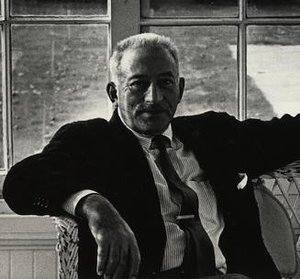
Адволд Голтлиб
1903 - 1974 , США
Довідкова інформація
- Artistic Movement Or Style: Абстрактний експресіонізм
- Artists Who Influenced This Artist:
- Конструктивизм
- Сюрреалізм
- Date Of Birth: 14 березня 1903 р.
- Date Of Death: 4 березня 1974 р.
- Full Name: Adolph Gottlieb
- Nationality: Американський
- Notable Artworks:
- Піктографи
- Розриви
- Знаки
- Place Of Birth: Нью-Йорк, США
Схожі статті
Lyrical Abstraction: The Emotional Power of Color and Form in Modern Art History
Explore the profound emotional depth of Lyrical Abstraction. Discover how masters like Raymond Parker used color and form to bridge Impressionism and Abstract Expressionism. Learn about this pivotal movement through our expert-led art history guide.

Топ-25 шедеврів Василя Кандинського: подорож у світ абстрактного мистецтва | OriginalUniqueArt.com
Відкрийте для себе 25 найвідоміших шедеврів Василя Кандинського! Пориньте у світ абстрактного мистецтва, експресіонізму та кольорових композицій. Репродукції картин Кандинського преміум-якості на OriginalUniqueArt.com – для вашого інтер'єру з душею. Дослідіть повну колекцію онлайн!
The Soul of Color: A Journey into the Emotional Resonance of Lyrical Abstraction
Embark on a cultural journey through Lyrical Abstraction. Explore how masters like Kandinsky used color and motion to translate emotion into visual poetry. Discover the profound beauty of abstract expressionism and learn to curate emotional resonance in your own art collection.

Топ-10 шедеврів абстрактного експресіонізму: мистецтво, яке змінила епоху | OriginalUniqueArt.com
Відкрийте для себе 10 шедеврів абстрактного експресіонізму! Дізнайтесь історію Поллока, Ротко та інших геніїв. Репродукції картин преміум-якості для вашого дому від OriginalUniqueArt.com. Дослідіть колекцію онлайн!

Топ-10 шедеврів геометричної абстракції: мистецтво для вашого інтер'єру від OriginalUniqueArt.com
Відкрийте для себе 10 шедеврів геометричної абстракції від Кандинського, Малевича та Мондріана! Історія мистецтва, кольори та форми. Репродукції картин преміум-класу на OriginalUniqueArt.com – ідеальний декор для вашого дому.