

 Переглянути в інтер'єрі
 Надіслати
 Поділитися
 Деталі
 Посібник

 Завантажити
 Схожі предмети колекціонування
 Рентгенівське дослідження
 Слайд-шоу
 Статистика переглядів
Pavilion
 Oil On Canvas
- WallArt
- Bengal School of Art
 23.0 x 16.0 cm
 Вікторіальний палац
 Читати далі
Олійная репродукція ручної роботи
Написана вручну олією на полотні у вашому розмірі та рамі, виготовлена на замовлення нашими художниками. ( Перейти до друку Перейти до цифрових зображень)




P118B ₴10

P118H ₴10

P118W ₴10

P438Z ₴10

P508JH ₴12

P508YH ₴12

P805H ₴10

P805Z ₴10

P919BZ ₴10

P919G ₴10

P919XJ ₴10

P959ZH ₴10

P968JZ ₴12

W106C ₴8

W218G ₴10

W218JH ₴8

W218Y ₴10

W307PJ ₴10

W316G ₴10

W316PJ ₴8

W316Y ₴10

W398PJ ₴8

W4111J ₴10

W500HY ₴15

W500JH ₴15

W692G ₴12

W849H ₴8

W940BG ₴15

W953PJ ₴8




Обирайте з наших стандартних розмірів, що відповідають оригінальним пропорціям твору мистецтва.

Введіть необхідну ширину та висоту, щоб картина підійшла до вашої рами або стіни. Оскільки це ручний розпис, для розміру іншої форми художник може написати трохи більше навколо картини або трохи обрізати її — вибір за вами. Перед початком роботи ми надішлемо вам цифровий макет для затвердження. Зображення, показане на цій сторінці, не є реальним результатом — лише макет відображає майбутній вигляд.
Після оформлення замовлення команда OriginalUniqueArt.com зв'яжеться з клієнтом електронною поштою для отримання інструкцій та надасть попередній макет
Доставка по всьому світу () за 3–4 тижні замість стандартних 5 тижнів. (25 Жовтень). Без жодних компромісів у якості.

Безкоштовна експрес-доставка по всьому світу

Високоякісне лляне полотно

Повне страхове покриття доставки

Гарантія повернення митних зборів

Гарантія точного відтворення кольорів

Політика повернення протягом 100 днів (лише у разі виявлення дефектів)

Гарантія повернення 100% коштів

Знижка на оптові замовлення
 Скляний варіант доступний лише для розмірів до 110 см

Pavilion
Техніка репродукції
Розмір репродукції
-


Загальна вартість
₴ 13465
Abanindranath Tagore’s “Pavilion”: A Bridge Between East and West
The artwork presented here, Abanindranath Tagore's "Pavilion," isn’t merely a depiction of a building; it’s a carefully constructed visual poem, a pivotal moment in the history of Indian art. Painted in 1907, during a period of intense nationalistic fervor and artistic experimentation, this work represents Tagore’s audacious attempt to synthesize traditional Indian aesthetics with Western influences – a strategy that fundamentally reshaped the landscape of modern Indian painting. It's a piece brimming with symbolism, inviting viewers to contemplate themes of spirituality, identity, and the evolving relationship between tradition and modernity.
Tagore, deeply influenced by the Japanese aesthetic—particularly its emphasis on calligraphy and flattened perspective—and inspired by the Mughal and Rajput miniature traditions, sought to create an art form that resonated with Indian sensibilities. He deliberately rejected the academic realism prevalent in Western art schools, which he viewed as cold and devoid of spiritual depth. Instead, he drew upon the rich visual vocabulary of ancient India – its vibrant colors, stylized forms, and symbolic imagery—and infused it with a distinctly modern sensibility. “Pavilion” exemplifies this approach perfectly; it’s not a photographic representation but rather an evocative interpretation, prioritizing mood and feeling over strict adherence to reality.
A Symphony of Color and Symbolism
The painting immediately captivates the eye with its rich palette—a deliberate departure from the muted tones favored by Western artists. Deep blues and greens dominate the composition, evoking a sense of tranquility and spirituality, while bursts of crimson, gold, and saffron inject vibrancy and energy. These colors aren’t simply decorative; they carry profound symbolic weight. Blue represents the heavens and spiritual realms, red signifies passion and life force, and gold embodies divinity and enlightenment. The use of these hues is deeply rooted in Hindu iconography and reflects Tagore's desire to reconnect with India’s ancient spiritual heritage.
The pavilion itself—a structure reminiscent of Mughal palaces but imbued with a distinctly Indian character—is rendered with a flattened perspective, echoing the style of Japanese woodblock prints. The arched doorway, framed by intricate floral motifs and stylized clouds, serves as a focal point, drawing the viewer’s eye into the heart of the composition. Notice the deliberate simplification of forms – a hallmark of both Mughal and Japanese art—which contributes to the painting's serene and contemplative atmosphere. The figures depicted within the pavilion are not realistically rendered but rather presented as stylized silhouettes, further emphasizing the work’s symbolic nature.
Historical Context and Artistic Significance
“Pavilion” was created during a crucial period in Indian history—the early 20th century—a time marked by growing nationalist sentiment and a desire to reclaim India's cultural identity after centuries of colonial rule. Tagore’s art played a significant role in this movement, providing a visual language for expressing Indian values and traditions. He founded the Bengal School of Art, which championed a distinctly Indian style of painting that drew inspiration from both ancient and contemporary sources. This school challenged the dominance of Western artistic styles and paved the way for a new generation of Indian artists.
Tagore’s work wasn't without its critics. Some accused him of diluting traditional Indian art by incorporating Western elements, while others praised his innovative approach to blending Eastern and Western aesthetics. However, “Pavilion” remains a testament to Tagore’s artistic vision—a bold and ambitious attempt to create an art form that was both deeply rooted in India's cultural heritage and open to new influences. It stands as a pivotal work in the development of modern Indian painting, demonstrating the power of art to shape national identity and express complex ideas.
A Timeless Masterpiece for Your Space
Reproduced on high-quality canvas or paper, Abanindranath Tagore’s “Pavilion” offers a captivating glimpse into India's rich artistic heritage. Its serene composition, vibrant colors, and evocative symbolism make it an ideal addition to any home or office space. Whether you are drawn to its spiritual depth, its historical significance, or simply its aesthetic beauty, this artwork is sure to inspire contemplation and add a touch of timeless elegance to your surroundings. Consider commissioning a hand-painted reproduction from OriginalUniqueArt.com for a truly authentic experience.
Запитання та відповіді
Кольори «Pavilion» Абаніндрат Таґор насичені чи приглушені?
Насиченість твору «Pavilion» Абаніндрат Таґор становить Balanced Soft.
Чи доступне завантаження для "Pavilion"?
Для твору «Pavilion» доступне завантаження: на сторінці Завантажити ви можете завантаження цифрового зображення високої роздільної здатності.
Яка техніка виконання та розміри твору «Pavilion» Абаніндрат Таґор?
Оригінальна робота «Pavilion» Абаніндрат Таґор — це Oil On Canvas, розміром 23 x 16 cm. Техніка та розмір описують оригінальний об'єкт.
Біографія митця
Ранні роки та походження
- Народився: 7 травня 1861 року, Джорансанко, Калькутта, Британська Індія
- Помер: 5 грудня 1951 року
- <𝚕Сім'я: Член видатного роду Таґор; племінник Рабіндраната Таґора. Його дідом був Гіріндранат Таґор, а батьком — Гунендранат Таґор.
- Освіта: У 1880-х роках навчався в Санскритському коледжі в Калькутті, а згодом відвідував Калькуттську школу мистецтв.
Художній розвиток та впливи
- Перше навчання: Опанував роботу з пастеллю під керівництвом О. Гіларді та олійний живопис у Чарльза Палмера в Калькуттській школі мистецтв.
- Стилі Моголів та Раджпутів: Прагнув модернізувати ці стилі, відкидаючи західні зразки мистецтва.
- Цінності Свадеші: Впроваджував ідеї Свадеші у своє мистецтво, популяризуючи індійські традиції.
- Естетизм Вістлера: Був під впливом естетичних принципів Джеймса Вістлера.
- Японський вплив: Пізніше інтегрував китайські та японські каліграфічні традиції у свій стиль після знайомства з художниками Тіканом та Хесідою.
Головні твори та мистецький внесок
- Рохіні II: Визначна робота, що демонструє його художню майстерність.
- Смерть Шахджахана: Ще один значущий живописний твір, що відображає його унікальний стиль.
- Сезонні квіти у вазі: Демонструє його досконале володіння технікою та вибір сюжетів.
- Серія «Сказки зі Східної казки» (1930): Вважається одним із його найвидатніших досягнень, де через історії «Тисячі й однієї ночі» він досліджував колоніальну Калькутту.
- Бхарат Мата: Знакова картина, що символізує Матір Індію.
- Засновник Бенгальської школи мистецтв: Відіграв ключову роль у формуванні сучасного індійського живопису та просуванні націоналістичного мистецтва.
- Індійське товариство східного мистецтва (1907): Заснував це товариство для підтримки традиційних індійських форм мистецтва.
Спадщина та історичне значення
- Першопроходець сучасного індійського живопису: Визнаний ключовою постаттю в розвитку сучасного індійського мистецтва.
- Вплив на наступні покоління митців: Був наставником таких видатних художників, як Нандалал Бос, Асіт Халдер, Кшітіндранат Маджумдар та Джаміні Рой.
- Відродження традиційних форм мистецтва: Виступав за повернення до традиційних індійських технік та стилів.
- Вплив на бенгальську дитячу літературу: Написав впливові дитячі книги, такі як Раджакахіні, Будо Англа, Налак та Кхірер Путул.
- Національні скарби мистецтва: Його роботи вважаються національним надбанням мистецтва.

Абаніндрат Таґор
1871 - 1951 , Індія
Довідкова інформація
- Artistic Movement Or Style: Бенгальська школа мистецтва
- Artists Or Movements Influenced By This Artist:
- Нандалал Бос
- Кшитіндранат Маджумдар
- Джаміні Рой
- Artists Who Influenced This Artist:
- Віслір
- Могольські художники
- Раджпутські художники
- Date Of Birth: 7 травня 1871 р.
- Date Of Death: 5 грудня 1951 р.
- Full Name: Абаніндранат Таґор
- Nationality: Індієць
- Notable Artworks:
- Рохіні II
- Смерть Шах-Джахана
- Сезонна квітка у вазі
- Place Of Birth: Джорансанкo, Індія
Схожі статті

Raja Ravi Varma: Bridging Tradition & Modernity in 19th-Century Indian Art
Explore the life & art of Raja Ravi Varma, a pioneer who fused European techniques with Indian iconography. Discover his iconic paintings, lasting legacy, and influence on modern Indian art at OriginalUniqueArt.
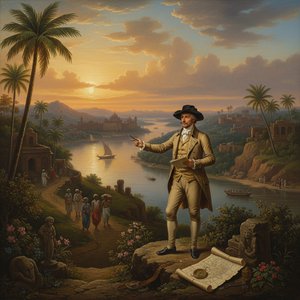
Thomas Daniell: Navigating Light, Landscape & Cultural Exchange in Early 19th-Century India
Explore the captivating landscapes of Thomas Daniell, a pioneering artist who documented India's beauty in the 19th century. Discover his 'Oriental Scenery,' aquatint technique & lasting legacy. Hand-painted reproductions available at OriginalUniqueArt.
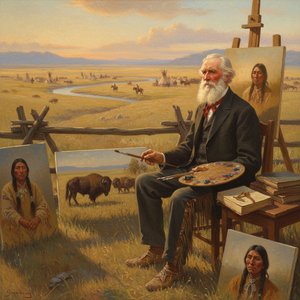
Joseph Henry Sharp: Capturing the Spirit of the Plains – Life, Art & Legacy
Explore the life & art of Joseph Henry Sharp, a founding member of the Taos Society of Artists renowned for his realistic depictions of Native American culture and Western landscapes. Discover his legacy with OriginalUniqueArt.
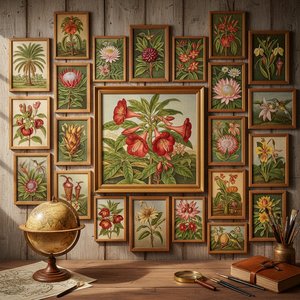
Топ-25 шедеврів Маріанни Норт: екзотична краса природи в інтер'єрі | OriginalUniqueArt
Відкрийте для себе 25 захопливих шедеврів Маріанни Норт! Екзотичні рослини, ботанічна ілюстрація та вікторіанський живопис в унікальних картинах. Придбайте репродукції високої якості для вашого інтер'єру на OriginalUniqueArt.com.
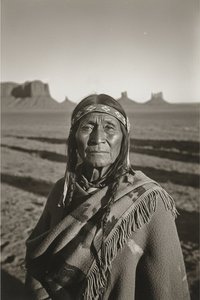
Shadow Catcher: Edward S. Curtis & the Ethnographic Portraiture of a Vanishing West
Explore the life & work of Edward S. Curtis, the 'Shadow Catcher,' and his groundbreaking photographic documentation of Native American cultures. Discover iconic images from *The North American Indian* and a critical look at his lasting legacy.
