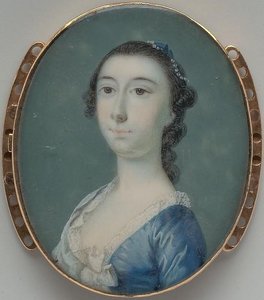
Єрмайло Теус: художник
Jeremiah Theus (1716–1774): Charleston’s Master Portraitist
Jeremiah Theus, born April 5, 1716, in Chur, Switzerland—the eldest child of Simeon and Anna Walser Theüs—stands as a pivotal figure in the artistic landscape of colonial America. His legacy resides primarily within Charleston, South Carolina, where he established himself as the dominant portrait painter for nearly three decades, shaping the visual culture of the burgeoning city and documenting its elite citizenry with remarkable skill and stylistic innovation. While biographical details remain somewhat sparse, scholarly research has illuminated his formative years and propelled him to prominence as a craftsman who skillfully blended European artistic traditions—particularly Rococo—with the evolving sensibilities of the New World.
### Early Life and Artistic Training
Theus’s Swiss upbringing instilled in him a foundational understanding of classical art principles, though precise information regarding his formal training is elusive. Given the limitations of educational opportunities during the 18th century, it's plausible that he honed his artistic abilities through self-directed study and apprenticeship—likely mirroring practices common across Europe at the time. His family’s Huguenot faith propelled them to emigrate to South Carolina in 1735, joining a wave of Protestant refugees seeking refuge from persecution. This relocation afforded him access to the fertile intellectual environment fostered by the General Assembly, which actively encouraged European settlement through land grants and transportation subsidies—a circumstance that undoubtedly contributed to his artistic ambitions.
### Arrival in Charleston and Establishing His Studio
By 1740, Theus had arrived in Charleston, advertising his services in *The South Carolina Gazette*, signaling a decisive step toward establishing himself as a professional artist within the colony. He swiftly secured a substantial land grant—250 acres along the Edisto River—facilitating the creation of a thriving plantation estate and providing him with considerable financial stability. Recognizing the dearth of artistic talent in Charleston, Theus proactively cultivated his reputation by offering comprehensive portraiture services encompassing portraits of men, women, and children; landscapes; crests; and coats of arms for carriages or chariots—a multifaceted approach that catered to the diverse needs of Charleston’s affluent clientele. His studio, situated on the northeast corner of Broad Street and Meeting Streets, became a hub of artistic activity, attracting commissions from prominent families and cementing his position as Charleston's foremost painter.
### Artistic Style and Influences
Theus’s distinctive artistic style—characterized by meticulous attention to detail and an adept incorporation of English decorative conventions—reflects the broader aesthetic trends prevalent in Europe during his era. Like many portraitists of his time, he drew inspiration from mezzotint prints produced in England, meticulously replicating poses and stylistic elements observed in portraits commissioned by aristocratic patrons. Notably, Theus’s penchant for opulent costumes—particularly dresses adorned with ermine—echoed the fashions favored by English nobility, demonstrating a keen awareness of contemporary artistic standards. Furthermore, his collaborations with fellow artists like John Wollaston fostered intellectual exchange and broadened his artistic horizons.
### Major Commissions and Notable Works
Throughout his prolific career, Theus undertook numerous commissions spanning diverse subjects—from ecclesiastical portraits to decorative murals—solidifying his reputation as Charleston’s most respected artist. Among his accomplishments stand the steeple painting for St. Michael's Episcopal Church (1756), a project financed by the church’s commissioners and reflecting his commitment to civic engagement; the weather vane for the same church, symbolizing Charleston’s spiritual identity; and contributions towards the construction of a new edifice—demonstrating his generosity and dedication to furthering artistic endeavors. His most celebrated works include portraits of Colonel Barnard Elliott Jr. and his wife (Gibbes Museum of Art), Mrs. Peter Manigault (Charleston Museum), and Susannah Holmes (Charleston Museum)—each meticulously rendered in oil on canvas, capturing the dignity and grace of their subjects with unparalleled precision. These paintings remain treasured artifacts of Charleston’s artistic heritage, embodying the stylistic sophistication and humanist ideals characteristic of Theus's oeuvre.
### Legacy and Historical Significance
Jeremiah Theus died May 17, 1774, in Charleston—a solemn occasion commemorated in local newspapers as a testament to his enduring influence on Charleston’s cultural landscape. His will revealed considerable assets—including cash holdings totaling nearly £3,000 and substantial property—reflecting the success of his artistic practice and underscoring his contribution to Charleston's economic prosperity. Theus’s paintings continue to be exhibited in museums across North America and Europe, ensuring that his artistic legacy persists for future generations. His meticulous portraits serve as invaluable documents of colonial society, capturing not only physical likenesses but also the social status and cultural values of Charleston’s elite—a lasting testament to Jeremiah Theus's role as a pivotal figure in American art history.