

A Habsburg Legacy: Unveiling the Albertina’s Enduring Allure
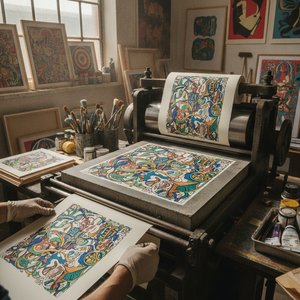
Vienna’s Innere Stadt holds countless treasures, but none quite as captivating as the Albertina Museum – a palace reborn into a beacon of artistic heritage. Founded in 1805 by Duke Albert Casimir as a residence for his family, it swiftly transitioned from fortified walls to a sanctuary dedicated to the exquisite beauty of printmaking and drawing, mirroring its remarkable evolution.
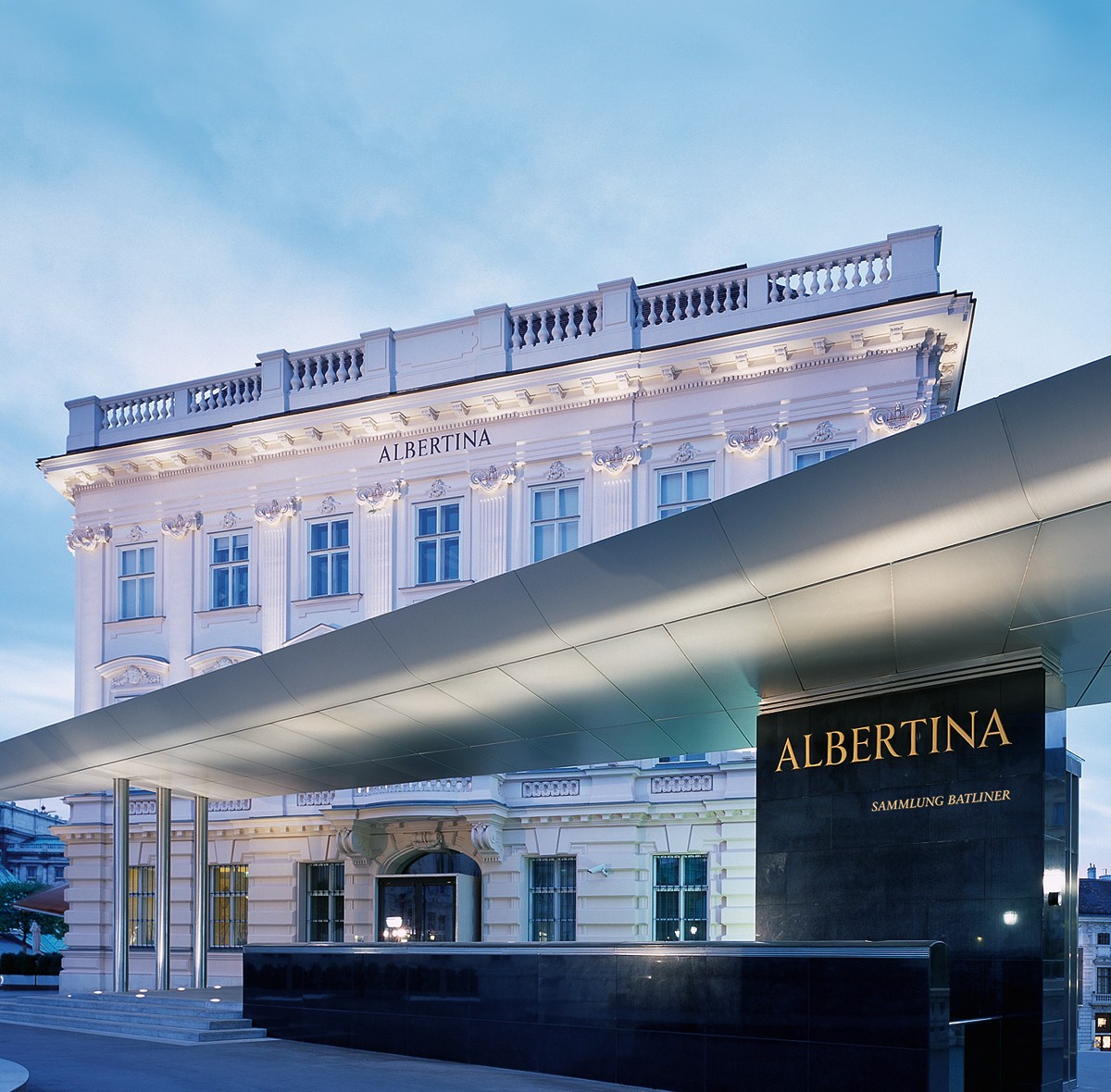
The Albertina’s story begins with Emanuel Teles Count Silva-Tarouca initiating renovations in 1805, followed by Hans Hollein’s transformative roof design completed in 2008 – a bold statement of modernist ambition against the backdrop of Vienna’s historic Habsburg heritage. This architectural dialogue, between the past and the present, is central to the museum's identity. The original palace structure, built upon the last remaining section of Vienna’s fortifications, speaks volumes about the city’s strategic importance throughout history. Hollein’s roof, a dramatic cascade of titanium panels, isn’t merely a functional element; it’s an assertion of the Albertina’s role as a vibrant, forward-looking cultural institution.
At its core lies an astonishing repository: approximately 65,000 drawings and over one million old master prints. This isn't merely a vast quantity; it’s a curated universe of artistic mastery, spanning from the delicate brushstrokes of Albrecht Dürer – his “large clumps of grass” revealing a profound understanding of observation and engraving – to the courtly grandeur of Pisanello's "The Luxury," a lavish depiction of 15th-century life rendered with breathtaking precision. The Albertina’s commitment to preserving this legacy is evident in its ongoing efforts to expand the collection through acquisitions and collaborations with other institutions around the world.
A Tripartite Tapestry: Exploring Art Across Three Distinct Venues
What truly distinguishes the Albertina is its unique structural design – an institution comprised of three interconnected locations, each offering a distinct experience. The main museum on Albertinaplatz provides a comprehensive overview of art history, tracing its evolution from medieval masterpieces to 19th-century paintings. Albertina Modern, housed in the former Austrian Museum for Applied Arts, is dedicated exclusively to contemporary and 20th-century art, serving as a platform for emerging artists and challenging established perspectives. Finally, Albertina Klosterneuburg, located just outside Vienna, showcases works from the Batliner Collection – a treasure trove of post-1945 art that further expands the museum’s reach and provides visitors with a diverse range of artistic experiences.
The Collection’s Soul: A Chronicle of Artistic Dedication
The Albertina's holdings represent a cornerstone of European art history. The collection isn’t simply a collection; it’s a carefully assembled narrative, reflecting the tastes and passions of generations of collectors. From the meticulous detail of early Renaissance sketches to the bold experimentation of modern graphic works, each piece tells a story – a story of artistic innovation, cultural exchange, and the enduring power of visual communication.
Notable Exhibitions & Architectural Significance
Regularly hosting exhibitions that illuminate both its permanent collection and temporary acquisitions, including retrospectives dedicated to renowned artists and thematic explorations of artistic movements—the Albertina consistently engages audiences with groundbreaking displays. Currently, a captivating retrospective on Albrecht Dürer showcases the breadth and depth of his genius, while upcoming exhibitions promise to delve into the evolution of printmaking techniques and the influence of contemporary art on traditional forms.
Situated within the walls of a former fortress—a strategic stronghold throughout Austrian history—the Albertina embodies the spirit of dynastic patronage and its role in shaping Viennese culture. Its architectural layering – Baroque grandeur juxtaposed with Neoclassical restraint – serves as a visual reminder of Vienna’s artistic past and present.