Saint Russia
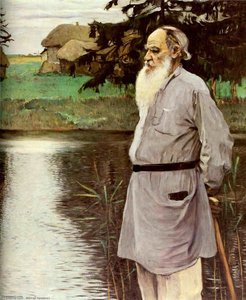
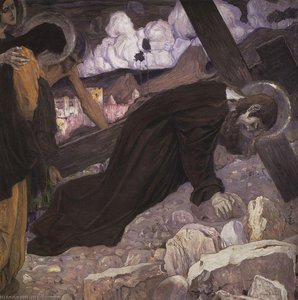
Saint Russia is an oil on canvas work by Mikhail Nesterov. The artist executed this piece between 1901 and 1905. It remains part of the permanent collection at the State Russian Museum in the Russian Federation.
Özetle
Saint Russia, Mihail Nesterov tarafından yapılan ve en çok ilgi çeken tablodur. Ardından göz, Self-Portrait (1918) ve Saint Sergius' labours (right part of the triptych) (1896) üzerine yoğunlaşır. Kataloğumuzdaki Mihail Nesterov imzalı 158 eser arasından seçilen bu 100 eser; yapıldığı yıl, sergilendiği müze ve zamana meydan okuma nedenleriyle birlikte sunulan en ünlü ve her biri eşsiz orijinal çalışmalardır.
Saint Russia is an oil on canvas work by Mikhail Nesterov. The artist executed this piece between 1901 and 1905. It remains part of the permanent collection at the State Russian Museum in the Russian Federation.
The artwork is titled Self-Portrait and was created by the artist Mikhail Nesterov. This specific piece is a monochrome portrait that focuses on a self-representation of the artist. The work was produced in 1918.
A solitary figure moves through a landscape of winter. Dressed in a long coat and hat, a man resembling a monk or priest carries a child in his arms. The scene is set upon a street lined with buildings, where the urban architecture meets a heavy, white blanket of snow. In the background, the presence of a dog and other distant figures adds a sense of lived-in movement to the…
Mikhail Nesterov produced Solovki in 1917. The work provides a representation of the Solovki islands located in Russia. This landscape captures a specific geographic setting through a lens of quietude and natural scale.
In this 1940 work, titled Portrait of Vera Mukhina, the artist Mikhail Nesterov captures a moment of quiet intensity. The painting focuses on the likeness of Vera Mukhina, a woman who lived from 1889 to 1953. It is a study of character and presence, rendered during a period when the artist and his subject had recently become acquainted, having met in the autumn of 1939.
In the quietude of Mikhail Nesterov’s 1909 masterpiece, St. Mark the Apostle, we are invited into a moment of profound spiritual contemplation. The painting presents a striking portrait of the Apostle, depicted with deep, soulful features and a dignified beard, seated in a state of meditative repose upon a rugged rock. Set against a lush, natural backdrop that suggests a secluded garden or a sacred grove, the composition breathes with…
The scene before us is Autumn, a landscape that captures a specific, quiet moment in the changing seasons. Mikhail Nesterov, a painter who sought to translate the very essence of the Russian soul onto canvas, brings this seasonal transition to life through his unique vision. The work, created in 1906, invites a sense of stillness into the viewer's space, as if the air itself has paused to breathe.
The scene unfolds through the Portrait of Olga Nesterova (Woman in a Riding Habit), a work that captures a quiet, suspended moment in time. Mikhail Nesterov brings this figure to life, presenting a woman who exists within a landscape of soft light and natural textures. She stands poised, her presence defined by the elegant lines of her riding habit, a garment that speaks to a specific way of life and…
Youth of Saint Sergiy Radonezhsky is a painting by Mikhail Nesterov. The canvas captures a quiet moment of grace, a stillness held within the brushstrokes of a man who sought the essence of the Russian soul. Nesterov, born in Ufa, Russia, in 1862, spent his life translating the unseen into the visible. His hand moved between the heavy weight of realism and the light, ethereal touch of symbolism.
In "Old painter" by Mikhail Nesterov, the viewer enters a quiet studio where time seems to pause. The composition centers entirely on an elderly artist, whose intense focus anchors the scene as he works upon a large canvas. He sits at his easel, caught in a moment of profound concentration. In the background, a classical sculpture rests in the shadows, acting as a silent focal point that draws the eye…
Bu orijinal eserlerde en sık karşılaşılan ve her biri en seçkin örneğine sahip olan dört konu.
Bu sayfadaki tabloların çoğuna ev sahipliği yapan 4 müze.
| Müze | Şehir | Mihail Nesterov Eserleri | Bu listedeki tablolar |
|---|---|---|---|
| Varşova | 3 | Nun, Sea view., Landscape study | |
| Moskova | 7 | Philosopher | |
| Bratislava | 1 | Nuns | |
| Erivan | 1 | A Litte Fox |
O dönemi tanımlayan orijinal eseri görmek için bir on yıl seçin.
In "Old painter" by Mikhail Nesterov, the viewer enters a quiet studio where time seems to pause. The composition centers entirely on an elderly artist, whose intense focus anchors the scene as he works upon a large canvas. He sits at his easel, caught in a moment of profound concentration. In the background, a classical sculpture rests in the shadows, acting as a silent focal point that draws the eye…
A solitary figure moves through a landscape of winter. Dressed in a long coat and hat, a man resembling a monk or priest carries a child in his arms. The scene is set upon a street lined with buildings, where the urban architecture meets a heavy, white blanket of snow. In the background, the presence of a dog and other distant figures adds a sense of lived-in movement to the…
In the quietude of Mikhail Nesterov’s 1909 masterpiece, St. Mark the Apostle, we are invited into a moment of profound spiritual contemplation. The painting presents a striking portrait of the Apostle, depicted with deep, soulful features and a dignified beard, seated in a state of meditative repose upon a rugged rock. Set against a lush, natural backdrop that suggests a secluded garden or a sacred grove, the composition breathes with…
The artwork is titled Self-Portrait and was created by the artist Mikhail Nesterov. This specific piece is a monochrome portrait that focuses on a self-representation of the artist. The work was produced in 1918.
In Wayfarer, Mikhail Nesterov presents a quiet rural scene that invites a moment of stillness. Painted about 1921, the work centers on a subtle human connection set against a natural backdrop. An elderly woman and a young boy occupy the space, caught in a contemplative exchange that feels both private and significant. There is a sense of shared thought between them, a quietude that suggests the passing of experience from…
In this 1940 work, titled Portrait of Vera Mukhina, the artist Mikhail Nesterov captures a moment of quiet intensity. The painting focuses on the likeness of Vera Mukhina, a woman who lived from 1889 to 1953. It is a study of character and presence, rendered during a period when the artist and his subject had recently become acquainted, having met in the autumn of 1939.
Saint Russia. Ardından Self-Portrait (1918) ve Saint Sergius' labours (right part of the triptych) (1896) geliyor.
Saint Russia, Self-Portrait, Saint Sergius' labours (right part of the triptych), Solovki, Portrait of Vera Mukhina, St. Mark the Apostle, Autumn, Portrait of Olga Nesterova (Woman in a Riding Habit), Youth of Saint Sergiy Radonezhsky ve Old painter. Yukarıdaki sıralama, her birinin yapım yılını ve bulunduğu müzeyi göstermektedir.
Kataloğumuzda Mihail Nesterov tarafından 1875 ile 1940 tarihleri arasında üretilmiş 158 eser bulunmaktadır.
Çoğunlukla Varşova Ulusal Müzesi (Varşova), Tretyakov Galerisi (Moskova) ve Slovak National Gallery (Bratislava) bünyesinde yer almaktadır. Yukarıdaki müze tablosu tümünü listelemektedir.
1900s döneminde: Bu sayfadaki 100 eserin 29 tanesi o dönemde yapılmıştır, bunların St. Mark the Apostle tanesi ise St. Mark the Apostle arasındadır.
Bu sayfadaki en eski eser Portrait of M. M. Nesterova, the artist's mother (1875), en yeni eser ise Portrait of Vera Mukhina (1940)'dir.
Religious (18), Portraits (14) ve Women (12), bu sayfadaki 100 eser genelinde.
Bu sayfadaki 100 eserin 12 tanesi Oil On Canvas türündedir.
bu sayfadaki orijinallerine bakılırsa Symbolist painting,
Nun, Sea view. ve Landscape study: Varşova Ulusal Müzesi, Varşova, bu sayfadaki eserlerden 3 tanesine ev sahipliği yapmaktadır.
Mikhail Vasilyevich Nesterov, 31 Mayıs 1862'de Ufa, Rusya'da doğmuştu. O sadece bir ressam değil, aynı zamanda Rus ruhunun görsel şairiydi. Güçlü ataerkil ve tüccar kökenli bir aileden geliyordu; ailesinde sanatsal eğilimler beklenmedik bir şekilde beslenmişti. Babasının tarih ve edebiyata olan sevgisi, hikayeleri ve duyguları tuvale aktarma isteğini ateşlemişti. Bu erken teşvik onu 1874'te Moskova'ya götürdü ve Voskresensky Realschule’e kaydoldu; bu önemli adım onu Rusya'nın en önemli Sembolist ressamlarından biri olma yoluna soktu. Resmi sanat eğitimi, Pavel Sorokin, Illarion Pryanishnikov ve Vasily Perov gibi saygın sanatçıların altında 1877'de Moskova Resim, Heykel ve Mimarlık Okulu’nda başladı; sonuncusu özellikle etkili bir figür olduğunu kanıtladı. Henüz bu oluşum yıllarında bile Nesterov’un yeteneği açıktı ve eserlerini okulda ilk olarak 1879'da sergilemeye başlamıştı. İmparatorluk Güzel Sanatlar Akademisi’nde kısa, tatmin edici olmayan bir dönem, Moskova'ya dönmesine ve Alexei Savrasov altında ek eğitim almasına neden oldu; bu da sanatsal temellerini pekiştirdi. Bu erken deneyimler ona gerçekçilik ile olgun tarzını karakterize edecek atmosfer ve duygusal derinliğe duyarlılığın karışımını aşıladı.
Nesterov’un dönüm noktası The Hermit (Çilekeş) (1889) ile geldi. Bu tablo, hem halkın hem de eleştirmenlerin ilgisini derhal çekti. Ünlü koleksiyoncu ve Tretyakov Galerisi'nin kurucusu Pavel Tretyakov tarafından satın alınması sadece bir mali işlem değil, Nesterov’un filizlenen sanatsal sesinin doğrulanmasıydı. Bu satın alma ona Avrupa'da kapsamlı seyahat etme fırsatı verdi—Avusturya, Almanya, Fransa ve İtalya; ufuklarını genişletti ve onu çeşitli sanatsal geleneklere maruz bıraktı. Ancak Rusya'ya döndüğünde gerçek çağrısı şekillenmeye başladı. Kendisini Saint Sergius of Radonezh’in hayatına adanmış bir dizi eserin derinlerine kaptırdı; bu ruhani figür neredeyse yarım yüzyıl boyunca yaratıcı enerjilerini domine edecekti. Bu bağlılık sadece sanatsal değildi; o dönemde Rus kültürünü sarmış olan manevi anlam arayışını—bir özlemi yansıtan Rus maneviyatının ve çileciliğinin derin bir keşfiydi. Aynı zamanda Nesterov, gerçekçi sosyal sorunların tasvirleriyle tanınan Peredvizhniki (Gezginler) ile estetikçiliği ve sembolizmi savunan Mir Iskusstva (Sanat Dünyası) arasında Rusya sanat sahnesinin karmaşık akımları içinde hareket etti. Bu çift bağlılık, eserindeki içsel gerilimi yansıtır—Rus hayatına dayanan gerçekçilik ile daha derin ruhani gerçekliklere işaret eden eterik bir kalite arasındaki karışım.
1890'da Kiev’deki St. Volodymyr Katedrali’ni dekore etmek için verilen görev, Nesterov için başka bir dönüm noktası oldu; onu Bizans sanatı ve dini ikonografinin dünyasına daldırdı. Yükümlülüklerini yerine getirirken, genellikle katkılarına kişisel sanatsal ifadesini gizlice aşıladı—bağımsız ruhunun bir kanıtıydı. Bu dönemde, görevle ilgili işler ile kendi yaratıcı vizyonu arasındaki mücadeleyi yaşadı; bu mücadele kariyeri boyunca devam edecekti. Dini temaların ötesinde Nesterov, Ivan Ilyin, Ivan Pavlov ve Sergei Yudin gibi seçkin figürlerin suretlerini yakalamada da mükemmelleşti. 1935'te yaptığı Ivan Pavlov portresi, ünlü bilim adamının entelektüel derinliğini ve karakterini yansıtma yeteneğinin güçlü bir kanıtı olarak duruyor. Kariyeri boyunca Nesterov’un stili, erken gerçekçilikten yumuşak fırça darbeleri, kısık renkler ve sakin bir düşünce atmosferi ile karakterize edilen daha lirik ve sembolik bir yaklaşıma doğru evrildi. Manzaraları genellikle ruhani anlatılar için fon görevi görerek dünyevi ile ilahi arasındaki çizgileri bulanıklaştırdı. Sadece gördüklerini değil, aynı zamanda yüzeyin altında yatanları—konularının iç yaşamlarını ve ruhani mücadelelerini yakalamaya çalıştı.
Mikhail Nesterov, 18 Ekim 1942'de Moskova’da hayatını kaybetti; ardında hayranlık uyandıran ve düşündüren zengin bir sanatsal miras bıraktı. Eseri, Rus gerçekçiliği, Sembolizm ve dini coşkunun benzersiz bir sentezini temsil ediyor. Sadece sahneleri tasvir etmiyordu; aynı zamanda Rus ruhunun özünü yakalamaya çalışıyordu—manevi anlam arayışı ve toprakla olan bağlantısı. Resimleri sadece hayranlık duyulacak görüntüler değil, aynı zamanda inanç, düşünce ve derin duygusal derinliğe açılan pencerelerdir. Nesterov’un etkisi, benzer maneviyat ve ulusal kimlik temalarını keşfeden sonraki nesil Rus sanatçılarının eserlerinde görülebilir. Renk ve ışığı ustaca kullanması ve günlük sahnelere sembolik ağırlık vermesi bugün de izleyicilerde yankı bulmaya devam ediyor.
Nesterov’un sanatsal yolunu tanımlayan önemli parçalar şunlardır:
Nesterov’un sanatsal gelişimi, birkaç önemli etkiden şekillendi: Vasily Perov, erken eserleriyle rezonansa giren sosyal temalara yönelik gerçekçi yaklaşımı; tekniğini geliştirmesine ve manzara resmini anlamasına rehberlik eden Alexei Savrasov; ve ona çok önemli destek ve tanınma sağlayan Pavel Tretyakov. Sonuç olarak Mikhail Vasilyevich Nesterov, Rus sanat tarihinde—insan ruhunun derinliklerini keşaret eden ve bu keşifleri kalıcı güzellik ve güç görüntüleriyle çeviren seçkin bir figür olarak duruyor.