Early Renaissance · 1448
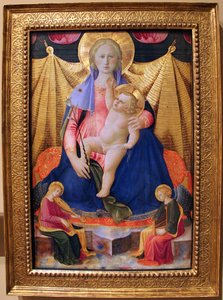
St Agnes (Zanobi Strozzi, 1448)
St Agnes, Zanobi Strozzi (1412–1468) tarafından yapıldı. 1448 yılına aittir. Early Renaissance akımına aittir. Tempera On Panel ile yapılmıştır. Floransa, İtalyadaki San Marco Manastırı bünyesinde korunmaktadır. Boyutları 63 × 47 cm'dir.
- 1448
- Tempera On Panel
- 63 × 47 cm
- San Marco Manastırı, Floransa

 Gerçek Boyutta Önizle

 El Yapımı Yağlı Boya Tablo
 Paylaş
 Paylaş
 Bilgi Formu


 İndir
 Benzer ürünler
 X-Işını
 Slayt Gösterisi
 Soru & Cevap

 İstatistikler
St Agnes hakkında kısa bilgi
- Başlık
- St Agnes
- Sanatçı
- Zanobi Strozzi (1412–1468)
- Sanatçının doğum yeri
- Firenze, İtalya
- Tarih
- 1448
- Teknik
- Tempera On Panel
- Boyutlar
- 63 × 47 cm
- Sergilendiği yerler
- San Marco Manastırı, Floransa, İtalya
- Dönem
- Renaissance
- Konu
- st agnes, zanobi strozzi, renaissance art, tempera panel, religious painting, italian art
St Agnes neyi betimliyor?
Zanobi Strozzi’s ‘St Agnes’: A Florentine Echo of Devotion
The tempera panel painting, “St Agnes,” attributed to Zanobi Strozzi and completed in 1448, is more than simply a depiction of a saint; it's a meticulously crafted window into the artistic sensibilities of early Renaissance Florence. Measuring just 63 x 47 cm, this work housed within the Museo di San Marco possesses an intimate quality that draws the viewer into its serene and profoundly devotional world. Strozzi, a pupil of the celebrated Fra Angelico, established himself as a master of detail and color, creating works imbued with a quiet spirituality that resonated deeply during his time.
- Subject & Narrative: The painting portrays Saint Agnes, martyred for her refusal to succumb to pagan temptations. The narrative is conveyed through the saint’s posture – dignified yet vulnerable – and the surrounding symbolic elements.
- Technique - Tempera on Panel: Strozzi's masterful use of tempera paint on a wooden panel creates a remarkable depth and luminosity. This technique, favored for its durability and ability to achieve rich colors, is evident in the subtle gradations of tone and the meticulous rendering of textures – from the folds of Agnes’ cloak to the intricate patterns adorning her surroundings.
A Symphony of Color and Decorative Detail
The visual impact of “St Agnes” stems largely from Strozzi's bold use of color and his extraordinary attention to decorative detail. Predominantly employing shades of blue, red, and gold – colors deeply associated with piety and royalty in the late medieval period – he constructs a complex tapestry of patterns that frame the central figure. Swirls, floral motifs, and other decorative elements aren’t merely ornamental; they serve as a visual language, amplifying the saint's solemnity and invoking a sense of heavenly grace. The background isn’t a simple backdrop but an active participant in the narrative, contributing to the overall atmosphere of reverence.
Historical Context & Artistic Influences
Created during a period of immense artistic innovation in Florence – a time when artists were rediscovering classical ideals while simultaneously developing their own unique styles – “St Agnes” reflects the evolving aesthetic sensibilities of the era. Strozzi’s close association with Fra Angelico undoubtedly influenced his approach, sharing a commitment to clarity, emotional intensity, and a profound sense of spirituality. The painting's style aligns perfectly with the artistic trends of the Florentine Renaissance, showcasing a sophisticated understanding of perspective and proportion, albeit within the constraints of the tempera medium.
Symbolism & Emotional Resonance
Beyond its technical brilliance, “St Agnes” is rich in symbolism. The red cloak, traditionally associated with sacrifice and martyrdom, underscores the saint’s tragic fate. The serene expression on her face conveys a sense of acceptance and unwavering faith. The overall effect is one of profound contemplation – an invitation to reflect on themes of devotion, courage, and ultimately, redemption. This painting continues to resonate with viewers today, offering a tangible connection to the artistic and spiritual values of Renaissance Florence.
St Agnes adlı eseri hangi müze bünyesinde barındırmaktadır?
San Marco Manastırı
Floransa, İtalya
San Marco Manastırı: İnancın ve Sanatın Kutsal Mekânı İtalya’nın Floransa şehrinin kalbinde yer alan San Marco Manastırı, Rönesans ruhunun derin bir dindarlıkla iç içe geçtiği eşsiz bir anıt olarak yükseliyor. Sadece şaheserlere ev sahipliği yapmakla kalmıyor, aynı zamanda ziyaretçilerini 15. yüzyıla doğru unutulmaz bir yolculuğa çıkararak Fra Angelico ve Girolamo Savonarola’nın mirasını ihtişamlı bir Dominik manastırının duvarları içinde deneyimlemeye davet ediyor.


St Agnes için yüksek çözünürlüklü görseller
Kamu malı: sanatçı 1468 yılında vefat etmiştir.
Zanobi Strozzi, St Agnes (1448), San Marco Manastırı. Kamu malı.
St Agnes hakkında sorular ve cevaplar
"St Agnes" adlı eserin orijinali hangi müzede bulunuyor?
Orijinal Zanobi Strozzi imzalı "St Agnes", San Marco Manastırı, Floransa, İtalya bünyesinde bulunmaktadır. Bir reprodüksiyon, eserin evde sergilenmesine olanak tanır.
Zanobi Strozzi imzalı "St Agnes" hangi yılda üretildi?
"St Agnes", 1448 yılına tarihlenmektedir. Bu tarih, eseri Zanobi Strozzi kariyerinin ve dönemin içerisine yerleştirmektedir.
Zanobi Strozzi imzalı "St Agnes" hangi teknikle icra edilmiştir?
Zanobi Strozzi, "St Agnes" adlı eserinde Tempera On Panel tekniğini kullanmıştır. Bu teknik, orijinal eserin maddi doğasını tanımlar.
Orijinal "St Agnes" eserinin boyutları nedir?
"St Agnes" adlı eserin orijinal boyutları 63 x 47 cm ölçülerindedir. Orijinal boyutlar, bir reprodüksiyon boyutu seçerken yararlı bir referans niteliğindedir.
"St Agnes" neyi betimliyor?
Zanobi Strozzi imzalı "St Agnes" şunları betimler: st agnes, zanobi strozzi, renaissance art, tempera panel, religious painting, italian art, medieval text.
Zanobi Strozzi imzalı "St Agnes" eserinin görüntüsü serbestçe çoğaltılabilir mi?
Zanobi Strozzi imzalı "St Agnes", kamu malıdır - telif hakkı süresi dolmuştur statüsündedir. Bu durum, eserin görüntüsünün nasıl çoğaltılabileceğini belirler.
"St Agnes" eserinin sanatçısı kim?
"St Agnes", Zanobi Strozzi tarafından yaratılmıştır. Bu sayfadaki bilgiler Zanobi Strozzi imzalı orijinal esere aittir.
Zanobi Strozzi imzalı "St Agnes" hangi sanat akımına dahildir?
Zanobi Strozzi imzalı "St Agnes", Early Renaissance akımına aittir. Bu akım, eserin üslup bağlamını sunmaktadır.
"St Agnes" adlı eser, Zanobi Strozzi kariyerinin hangi dönemine ait?
Zanobi Strozzi'in kariyerinde "St Agnes", Early Renaissance dönemine denk gelmektedir. Bu evre, eserin sanatçının diğer çalışmalarıyla kıyaslanmasına olanak tanır.
Sanatçı hakkında, Zanobi Strozzi
1412–1468, İtalya
Zanobi Strozzi
Floransa'nın Vizyoneri: Zanobi Strozzi'nin Yaşamı ve Mirası Işığın ve gölgenin yeni bir hümanist derinlikle dans etmeye başladığı Floransa Rönesansı'nın altın çağında, Zanobi Strozzi ismi şehrin sanatsal dokusunda hayati bir ilmek olarak belirdi. 1412 yılında seçkin Strozzi ailesinin bir ferdi olarak dünyaya gelen Zanobi'nin ilk yılları, Floransa'nın derin siyasi değişimleriyle şekillendi. Soyu onu soyluluğa bağlasa da, Zanobi henüz on beş yaşındayken babasının zamansız ölümü, onu bambaşka bir kaderin içine sürükledi. Bu kişisel kayıp dönemi, onu Battista di Biagio Sanguigni'nin yanında bir çıraklık sürecinin dönüştürücü kucağına itti; bu mentorluk, zamanla sanatçının elini inceltecek ve ona el yazması minyatür sanatı ile panel boyama ustalığı için gereken teknik hassasiyeti kazandıracaktı.
Zanobi Strozzi Hakkında Zanobi Strozzi tarafından yapılmış öne çıkan eserler
Zanobi Strozzi tarafından yapılan diğer eserler
 Madonna and Child with Angels1434
 Camaldolese Friars in Choir1450
 The Annunciation1442
 Virgin and Child with Four Angels and the Redeemer1450
St Agnes üzerine denemeler
 From Gold to Gravity: Italo-Byzantine Style vs. the Proto-RenaissanceMaster the shift from Byzantine gold to Proto-Renaissance naturalism. Learn to spot the evolution of art history today.
 Italian early Renaissance paintersMasterpieces by Botticelli and Giotto define the Italian Early Renaissance. Explore the full collection online at OriginalUniqueArt.com.
 Divine Beauty: The 25 Most Iconic Masterpieces by Fra AngelicoJourney through the divine beauty of Fra Angelico's finest works. Explore 25 iconic Renaissance masterpieces, from ethereal frescoes to sac…