
 Gerçek Boyutta Önizle
 Paylaş
 Paylaş
 Detayları Gör
 Rehber

 İndir
İndir
 Benzer ürünler
 X-Işını
 Slayt Gösterisi
 Soru & Cevap
 İstatistikler
Initial B with David in Prayer

- 140.0 x 135.0 cm


 Tümünü Gör
Web önizlemesinin çok ötesinde, baskıya hazır bir dosya edinin. Sattığımız her dijital görüntü, stok veri tabanımızdaki yüksek çözünürlüklü bir ana dosyadan —genellikle 5.000 ila 15.000 piksel genişliğinde— gelir; böylece büyük boyutlarda baskı alabilir, dar kırpmalar yapabilir veya ince detayları güvenle yeniden üretebilirsiniz.
Stüdyomuzdan çıkan hiçbir dosya işlenmeden çıkmaz. Bir dijital uzman, renkleri orijinal tabloyla karşılaştırarak kontrol eder ve gerekirse düzeltir; ardından profesyonel rötuş araçlarıyla netliği ve detayları artırır — bunu yaparken her zaman sanatçının fırça darbelerine ve üslubuna sadık kalır. Sonuç, filtrelenmiş bir tarama gibi değil, bizzat tablonun kendisi gibi görünen bir görüntüdür.
İşlem tamamlanmadan önce onayınız alınır: Uzmanımız, incelemeniz için görseli 72 saat içinde e-posta ile gönderir. Memnun kalmadınız mı? İyileştirme veya düzeltme talep edebilir ya da kalite beklentinizin altında kalırsa iade isteyebilirsiniz.
Yayıncıların, tasarım stüdyolarının, galerilerin ve matbaaların güvendiği kalite budur.
Dijital Görsel Sanatlar
Kişisel kullanım, baskı ve yaratıcı projeleriniz için yüksek çözünürlüklü bir dosya indirin. ( Baskı Satışına Geç El Yapımı Tablo Satın Al)
Her Dijital Görüntü Siparişine Dahil Olanlar
Uzman Dijital Teslimat Garantisi
OriginalUniqueArt.com seçtiğinizde, sadece bir görsel edinmekle kalmaz; titizlikle hazırlanmış, profesyonelce iyileştirilmiş dijital bir sanat eserine sahip olur ve memnuniyet garantisiyle güvence altına alınırsınız. Siparişinizle birlikte otomatik olarak sunulan her şey şunlardır:

Hızlı E-posta ile Teslimat
Yüksek çözünürlüklü dijital görüntü dosyanız, siparişinizin ardından en geç 72 saat içinde e-posta ile size gönderilecek ve hemen kullanıma hazır olacaktır.

Yapay Zeka Destekli Dijital Görüntü İşleme
Sanat eseriniz; maksimum detay, netlik ve renk doğruluğu sağlamak amacıyla gelişmiş yapay zeka araçları ve manuel düzenleme kullanılarak profesyonelce optimize edilmektedir.

Ömür Boyu Ücretsiz Yeniden Gönderim
Dosyanızı yanlışlıkla mı sildiniz yoksa kayıp mı oldu? Endişelenmeyin; dosyanızı dilediğiniz zaman size ücretsiz olarak tekrar göndereceğiz.

Hiçbir Zaman İthalat Ücreti Ödemeyin
Sanat eserinizin tadını gümrük vergisi, harç veya teslimat ücreti ödemeden anında çıkarın; dijital indirmeler her zaman vergiden muaftır.

Renk Doğruluğu Garantisi
Profesyonel araçlar ve renk yönetimi kullanarak dijital görselinizin orijinal renklere mümkün olduğunca yakın yansıtılmasını sağlıyoruz.

100 Günlük Memnuniyet Garantisi
If you're not satisfied with your digital image, we'll revise it or refund 100% within 100 days - no questions asked.

100% Para İadesi Garantisi
Memnun kalmadınız mı? Dijital dosyanızı teslim aldıktan sonraki 100 gün içinde, hiçbir soru sorulmaksızın tam para iadesi alabilirsiniz.

Toplu Sipariş İndirimleri
Buy 3 images, save 10% - Buy 5, save 15% - Buy 10+, save 20%. Great for creative projects, galleries, and agencies.
A Moment of Profound Devotion: Zanobi Strozzi's Spiritual Narrative
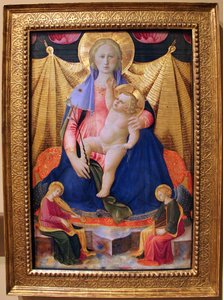
To gaze upon this depiction, Initial B with David in Prayer, is to step directly into the charged atmosphere of the Florentine Renaissance. The scene captures a moment suspended between earthly devotion and divine grace. At its heart kneels a figure, perhaps representing David or another devout soul, whose posture speaks volumes without uttering a single word. His clasped hands and bowed head create an immediate focal point, drawing the viewer into the quiet intensity of personal communion with the sacred. The very act of kneeling suggests humility before something infinitely greater than oneself, a universal human experience rendered with exquisite piety.
Mastery in Early Renaissance Technique
Painted around 1450 by Zanobi Strozzi, this work stands as a testament to his burgeoning genius during the height of Florence's artistic awakening. While the subject matter is deeply spiritual, Strozzi’s handling of paint reveals a sophisticated technical command characteristic of the period. Observe the drapery; it falls with a natural weight, suggesting both the richness of the fabric and the emotional burden or peace carried by the figure. The background elements, including the secondary figures positioned subtly on either side, are not mere decoration but integral parts of the narrative tapestry. Strozzi masterfully balances the intense focus on the central prayer with the necessary context provided by these surrounding lives.
Symbolism and the Human Spirit
The inclusion of the initial letter 'B' alongside the devotional scene suggests a dedication or an inscription, grounding this piece within a specific patronage or textual tradition. Symbolically, the composition speaks to the interplay between individual piety and communal faith. The kneeling figure embodies introspection—the necessary withdrawal from the clamor of daily life to find spiritual clarity. For the modern collector or designer, this artwork offers more than mere decoration; it is an artifact of contemplation. It invites a pause, encouraging the viewer to consider their own moments of quiet reflection amidst the grandeur of life.
Bringing Renaissance Spirituality Home
Reproducing such a significant piece allows one to integrate the profound artistry and spiritual resonance of the Quattrocento into contemporary living spaces. The muted yet rich tones, characteristic of Strozzi’s palette, lend themselves beautifully to various interior décors, adding an immediate layer of cultured depth. Owning a reproduction of this work is not simply acquiring art; it is curating an atmosphere steeped in history, devotion, and the enduring beauty of human aspiration. It serves as a silent, eloquent reminder of timeless faith.
Soru ve Cevaplar
"Initial B with David in Prayer" benzeri eserler var mı?
"Initial B with David in Prayer" ile benzer eserler, eserin Benzer Eserler sayfasında listelenmektedir.
"Initial B with David in Prayer" eserinin yazarı ve yapım yılı nedir?
Zanobi Strozzi, "Initial B with David in Prayer" adlı eseri 1450 yılında yaptı.
"Initial B with David in Prayer" eserinin yaratıcısı kim?
"Initial B with David in Prayer", Zanobi Strozzi tarafından yaratılmıştır. Bu sayfadaki bilgiler Zanobi Strozzi imzalı orijinal esere aittir.
Sanatçı Özgeçmişi
Floransa'nın Vizyoneri: Zanobi Strozzi'nin Yaşamı ve Mirası
Işığın ve gölgenin yeni bir hümanist derinlikle dans etmeye başladığı Floransa Rönesansı'nın altın çağında, Zanobi Strozzi ismi şehrin sanatsal dokusunda hayati bir ilmek olarak belirdi. 1412 yılında seçkin Strozzi ailesinin bir ferdi olarak dünyaya gelen Zanobi'nin ilk yılları, Floransa'nın derin siyasi değişimleriyle şekillendi. Soyu onu soyluluğa bağlasa da, Zanobi henüz on beş yaşındayken babasının zamansız ölümü, onu bambaşka bir kaderin içine sürükledi. Bu kişisel kayıp dönemi, onu Battista di Biagio Sanguigni'nin yanında bir çıraklık sürecinin dönüştürücü kucağına itti; bu mentorluk, zamanla sanatçının elini inceltecek ve ona el yazması minyatür sanatı ile panel boyama ustalığı için gereken teknik hassasiyeti kazandıracaktı.
Strozzi'nin sanatsal evrimi, döneminin ruhani ve estetik akımlarıyla derinden iç içeydi. Ancak onun en önemli bağı, saygıdeğer Fra Angelico ile olan birlikteliğiydi. Bu etkili çemberin bir öğrencisi olarak Strozzi, ustayı yalnızca taklit etmekle kalmadı; kendi üslubunun alametifarikası haline gelecek derin bir bağlılık duygusunu ve ışıl ışıl bir renk yaklaşımını özümsedi. Bu ilişki, Fra Angelico'nun karakteristik ruhani ve ilahi ışığının, Strozzi'nin titiz detaycılığıyla buluştuğu büyüleyici bir üslup sentezine olanak tanıdı. Eserleri, genellikle aydınlatılmış el yazmalarının mahrem, minyatür dünyaları ile dini altarpitoların görkemli ve duygusal varlığı arasında bir köprü kuruyordu.
Detaylardaki Ustalık ve İbadet Dolu Güzellik
Strozzi'nin yeteneğinin genişliği, en çok farklı mecraları aynı zarafetle yönetebilme becerisinde kendini gösterir. O, dini eserlerinde görülen canlı, mücevher benzeri tonlara ulaşmak için muazzam bir sabır ve sarsılmaz bir el ustalığı gerektiren panel üzerine tempera tekniğinin bir ustasıydı. Repertuarı, izleyicide derin ruhani tefekkür uyandırmak için tasarlanmış birçok önemli altarpito ve Meryem ve Çocuk'un dokunaklı tasvirlerini içeriyordu. Bu çalışmalarda Strozli, Floransa Erken Rönesans üslubunu kullanarak inanç anlatılarını dokudu; kutsal figürlere hayat vermek için yumuşak geçişler ve karmaşık desenlerden yararlandı.
Büyük panellerin ötesinde, Strozzi el yazması minyatür sanatına katkılarıyla efsanevi bir statü kazandı. Küçük alanlara hükmetme yeteneği, nefes kesici bir karmaşıklığa sahip minyatür dünyalar yaratmasına olanak tanıdı. En dikkat çekici sanatsal başarılarından bazıları şunlardır:
- Boğulmaktan Kurtarılan Aziz Cosmas ve Damian: İlahi müdahalenin dokunaklı bir anını yakalayan 1435 yapımı bu şaheser, sanatçının toplumsal inancı ve dramatik hareketi betimlemedeki becerisini sergiler.
- Azize Agnes: 1448 yılında yaratılan bu eser, dönemin zarafetini vurgulayan dönen, dekoratif desenler içinde huzurlu profil portreler sunma yeteneğinin bir örneğidir.
- Roma Kullanımı İçin Saatler Kitabı: Bir minyatür sanatçısı olarak maharetinin bir kanıtı olan bu eser, her bir yaprağın Floransa yazıhanesinin titiz işçiliğine açılan bir pencere görevi gördüğü bir hazinedir.
Rönesans Üzerinde Kalıcı Bir İz
Zanobi Strozzi'nin tarihsel önemi, dekoratif minyatür geleneği ile yükselen Rönesans'ın insan duygusu ve natüralizm odağı arasında bir köprü rolü üstlenmesinde yatar. Eserlerinin çoğu Floransa'nın görkemli konaklarında özel ibadetler için üretilmiş olsa da, etkisi şehrin atölyelerinde dalga dalga yayıldı. Hem entelektüel açıdan titiz hem de duygusal olarak erişilebilir olan belirli bir Floransa güzelliğinin yayılmasına yardımcı oldu. Onun ellerinde, azizlerin ve Meryem Ana'nın kutsal hikayeleri, Quattrocento ruhunun özünü yakalayan bir netlik ve canlılıkla hayat buldu.
1468 yılında aramızdan ayrıldığında arkasında altın varak ve tempera ile işlenmiş bir miras bırakan Strozzi, sanatçının en küçük ayrıntıda bile derin anlamlar bulabilme yeteneğinin bir sembolü olarak kalmaya devam ediyor. Soylu bir yetimden kutlanan bir ustaya dönüşümle damgalanan hayatı, Floransa'nın bizzat kendisinin geçirdiği dönüşümü yansıtır: Geçmişin yapılandırılmış geleneklerinden, Rönesans'ın ışıl ışıl ve insan merkezli ihtişamına doğru yapılan bir yolculuk.
Zanobi Strozzi
1412 - 1468 , İtalya
Kısa Bilgiler
- Bu Sanatçıdan Etkilenen Sanatçılar Veya Akımlar: ['Bizans']
- Bu Sanatçıyı Etkileyen Sanatçılar: ['Fra Angelico']
- Doğum Tarihi: 17 Kasım 1412
- Doğum Yeri: Floransa, İtalya
- Sanatsal Akım Veya Üslup: Erken Rönesans
- Tam Adı: Zanobi di Benedetto di Caroccio degli Strozzi
- Uyruğu: İtalyan Rönesansı
- Ölüm Tarihi: 6 Aralık 1468
- Önemli Eserleri:
- Azize Agnes
- Roma Kullanımı İçin Dua Kitabı
- Müjde