

 Önizleme yap
 Paylaş
 Paylaş
 Detayları Gör

 İndir
İndir
 Benzerlerini gör
 X-Işını
 Slayt Gösterisi
 İstatistikler
William III (1650–1702)
 1689
1689 250.0 x 120.0 cm
 County Hall
 Tümünü Gör
Çevrimiçi önizlemeden çok daha üstün, yüksek çözünürlüklü ve iyileştirilmiş bir dijital görüntü satın alın.
Her dosya, uzman ekibimiz tarafından gelişmiş araçlar ve titiz manuel rötuş teknikleri kullanılarak özenle hazırlanır. Her görüntünün olağanüstü netliğe, kusursuz renk doğruluğuna ve ince ayrıntılara sahip olduğundan emin oluruz.
Son dosya; profesyonel, editoryal ve baskı süreçlerinde anında kullanıma uygun şekilde optimize edilerek 72 saat içinde e-posta yoluyla teslim edilir. Bu, seçkin tasarım stüdyoları, yayıncılar ve galerilerin güvendiği aynı kalite standartlarındadır.
Dijital Görsel
Kişisel sergileme, baskı ve yaratıcı projeleriniz için yüksek çözünürlüklü bir dosya indirin. ( Baskı Moduna Geç El yapımı tablo satın al)
Her Dijital Görüntü Siparişinde Dahil Olanlar
Uzman Dijital Teslimat, Garantili
OriginalUniqueArt.com seçtiğinizde, sadece bir görsel edinmekle kalmaz; titizlikle hazırlanmış, profesyonelce iyileştirilmiş dijital bir sanat eserine sahip olur ve memnuniyet garantisiyle güvence altına alınırsınız. Siparişinizle birlikte otomatik olarak sunulan her şey şunlardır:

Hızlı E-posta ile Teslimat
Yüksek çözünürlüklü dijital görüntü dosyanız, siparişinizin üzerinden en geç 72 saat geçmeden e-posta ile size gönderilecektir; hemen kullanıma hazırdır.

Yapay Zeka İle İyileştirilmiş Dijital Dosya
Sanat eseriniz; maksimum detay, netlik ve renk doğruluğu sağlamak amacıyla gelişmiş yapay zeka araçları ve manuel düzenleme kullanılarak profesyonelce optimize edilmektedir.

Ömür Boyu Ücretsiz Yeniden Gönderim
Dosyanızı yanlışlıkla mı sildiniz yoksa kayıp mı oldu? Endişelenmeyin; dosyanızı dilediğiniz zaman size ücretsiz olarak tekrar göndereceğiz.

Hiçbir Zaman İthalat Ücreti Ödemeyin
Sanat eserinizin tadını gümrük vergisi, harç veya teslimat ücreti ödemeden anında çıkarın; dijital indirmeler her zaman vergiden muaftır.

Renk Doğruluğu Garantisi
Profesyonel araçlar ve renk yönetimi kullanarak dijital görselinizin orijinal renklere mümkün olduğunca yakın yansıtılmasını sağlıyoruz.

100 Günlük Memnuniyet Garantisi
If you're not satisfied with your digital image, we'll revise it or refund 100% within 100 days - no questions asked.

100% Para İadesi Garantisi
Memnun kalmadınız mı? Dijital dosyanızı teslim aldıktan sonraki 100 gün içinde, hiçbir soru sorulmaksızın tam para iadesi alabilirsiniz.

Toplu Sipariş İndirimleri
Buy 3 images, save 10% - Buy 5, save 15% - Buy 10+, save 20%. Great for creative projects, galleries, and agencies.
Sanatçı Özgeçmişi
Wolfgang William Claret: A Shadowy Figure of the 18th Century Court
Wolfgang William Claret, a name largely obscured by the passage of time, remains a fascinating enigma within the annals of 18th-century portraiture. Born in Exeter, England, around 1665 – though precise dates remain elusive – and tragically dying in 1706, Claret’s life was marked by both artistic promise and a frustrating lack of documented detail. He operated primarily within the vibrant, yet often secretive, world of London’s court artists, working as a draughtsman and eventually establishing himself as a portrait painter, though his output remains surprisingly modest. Despite this, his work possesses a distinctive elegance and technical skill that warrants renewed attention, offering glimpses into the social dynamics and artistic trends of a pivotal era.Early Life and Influences – A European Education
Claret’s origins are somewhat shrouded in mystery. Records suggest he received an education abroad, likely in continental Europe, possibly France or Italy—a common path for aspiring artists seeking to hone their skills. This exposure undoubtedly shaped his artistic sensibilities, introducing him to the prevailing styles of the time – particularly the refined portraiture favored by French and Italian masters. The influence of Caravaggio’s dramatic use of light and shadow is subtly present in some of his works, while the meticulous detail characteristic of Flemish artists can be detected in his preparatory drawings. It's believed he was influenced by Sir Richard Rainsford, a prominent barrister and fellow artist whose portrait Claret later attempted to replicate, demonstrating a clear desire to emulate established styles and techniques.The Court Painter – Portraits of Power
Claret’s career truly blossomed within the confines of London's court. He secured commissions from notable figures, including Thomas Osborne, 1st Duke of Leeds, a powerful nobleman and Treasurer to King William III and Mary II. These portraits, often characterized by their dignified composure and subtle expressions, offer valuable insights into the personalities and social standing of the era’s elite. His depictions of Mary II are particularly noteworthy – capturing her intelligence and regal bearing with remarkable sensitivity. He also painted Sir Richard Rainsford, a fellow barrister, showcasing his ability to render complex fabrics and intricate details. While many of these portraits were later copied or reworked by other artists, Claret's initial designs demonstrate a considerable level of artistry and understanding of the subject’s character.Technique and Style – A Delicate Balance
Claret’s artistic style is defined by a delicate balance between realism and elegance. His portraits are not overly theatrical or flamboyant, but rather convey a sense of quiet dignity and understated sophistication. He employed a meticulous draughtsmanship, carefully rendering the textures of clothing, hair, and skin with remarkable precision. His use of light and shadow creates a subtle three-dimensionality, adding depth and volume to his subjects. While he primarily worked in monochrome – utilizing pencil and wash techniques – there’s evidence suggesting he experimented with color, particularly in preparatory sketches. His portraits are often described as “delicate” and “refined,” reflecting the prevailing aesthetic sensibilities of the late 17th and early 18th centuries.Legacy and Historical Significance
Despite his relatively small body of work, Wolfgang William Claret’s contribution to British portraiture deserves recognition. He represents a crucial link between the more flamboyant styles of earlier court artists and the emerging trends of the Georgian era. His portraits offer valuable documentation of the personalities and social dynamics of London's elite during a period of significant political and cultural change. Furthermore, his work serves as a reminder that artistic history is often shaped by those whose names are obscured or forgotten—individuals who quietly exerted their influence within the broader context of their time. The copies and reworkings of his initial designs highlight the enduring appeal of his style and demonstrate how his artistic vision continued to resonate with subsequent generations of artists. Research continues to shed light on this enigmatic figure, promising to further illuminate his place in the rich tapestry of British art history.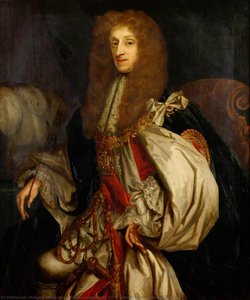
wolfgang william claret
1665 - 1706
Kısa Bilgiler
- Artistic Movement Or Style: Portraiture
- Artists Or Movements Influenced By This Artist: ['None specified']
- Artists Who Influenced This Artist: ['None specified']
- Date Of Birth: 1665
- Date Of Death: 1706
- Full Name: Wolfgang William Claret
- Nationality: Austrian
- Notable Artworks:
- Thomas Osborne Portrait
- Mary II Portrait
- Place Of Birth: WahooArt, Austria