
 Paylaş
 Paylaş
 Detayları Gör

 İndir
İndir
 Benzerlerini gör
 Slayt Gösterisi
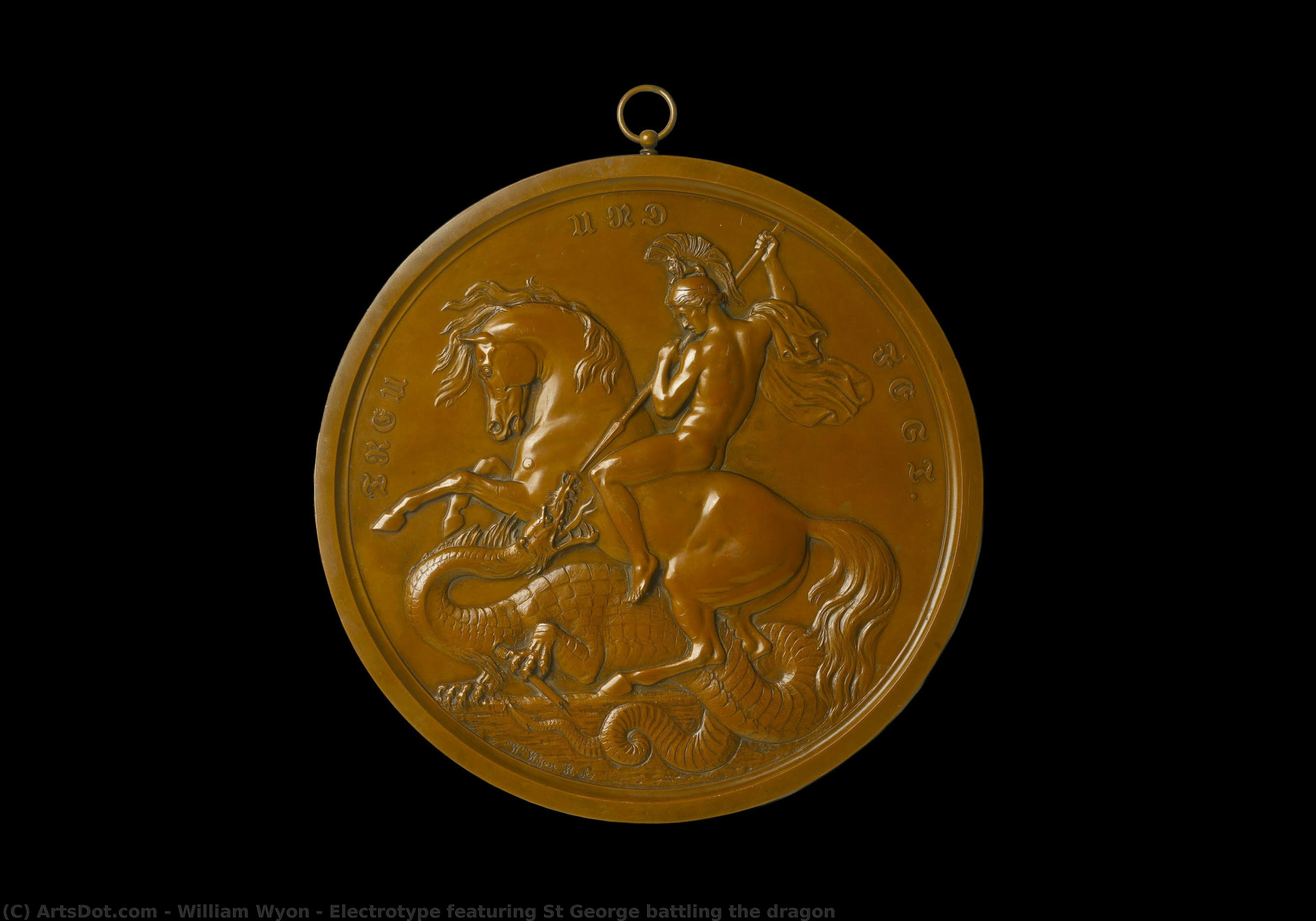
Electrotype featuring St George battling the dragon


 Tümünü Gör
Giclée / Sanat Baskısı
Hızlı üretim ve esnek bitiş seçenekleriyle müze kalitesinde giclée veya kanvas baskı. ( El yapımı tablo satın al Görsel satın al)




































Eserin orijinal oranlarıyla uyumlu, önceden belirlenmiş boyutlarımız arasından seçim yapın.

Belirli bir çerçeveye veya alana uyması için kendi ölçülerinizi girebilirsiniz. Seçtiğiniz boyut orijinal görüntünün oranlarıyla eşleşmiyorsa, sanat eserini kırpacağız veya görüntüyü aynalanmış ya da düz dolgulu bir kenarlıkla genişleteceğiz. Üretim başlamadan önce onayınız için bir dijital taslak gönderilecektir.
Lütfen ekrandaki önizlemenin gerçek kırpma veya genişletmeyi yansıtmadığını unutmayın. Nihai kompozisyonu yalnızca taslak doğru bir şekilde gösterecektir.
Özel boyutlar mevcut olsa da, orijinal oranları korumak için önceden tanımlanmış listeden bir boyut seçmenizi öneririz.
Dünya Çapında Teslimat (); standart 4/5 hafta yerine 2 haftada. (14 Ağustos)

Dünya Çapında Ücretsiz Ekspres Kargo

Yüksek Kaliteli Keten Tuval

Tam Kapsamlı Nakliye Sigortası

Gümrük Vergisi İade Garantisi

Gerçek Renk Uyumu Garantisi

60 Günlük İade Politikası (Sadece Kusurlu Ürünler İçin)

%100 Para İade Garantisi

Toplu Alım İndirimi
 Cam seçeneği yalnızca 110 cm altındaki boyutlar için mevcuttur.

Electrotype featuring St George battling the dragon
Giclée / Sanat Baskısı
Reproduksiyon Boyutu
-


Toplam Tutar
$ 80
Eser Açıklaması
A Masterpiece in Bronze: The Eternal Struggle of St George
In the realm of fine decorative arts, few objects command attention with such visceral intensity as this breathtaking electrotype featuring St George battling the dragon. This remarkable piece, a bronzed copper reproduction of an engraving by the legendary William Wyon, captures a moment of frozen, high-stakes drama. The central composition presents the iconic knight on a rearing stallion, caught in the precise second of a life-or-death encounter. As the horse surges upward on its hind legs, the musculature and tension of both beast and man are rendered with exquisite precision, creating a sense of kinetic energy that seems to vibrate from the metallic surface. The scene is not merely a depiction of combat but a symphony of movement, where the lance pierces the darkness of the dragon's presence, symbolizing the triumph of light over shadow.
The technique of electrotyping allows for an extraordinary level of detail that honors Wyon’s original 1844 mastery. Through this process, the intricate textures of the knight’s armor, the flowing plume of his helmet, and the rugged landscape of rolling hills are brought into sharp, three-dimensional relief. The darkened patina, characteristic of aged bronze, provides a profound depth to the work, allowing light to catch only the most prominent edges of the embossed design. This interplay of shadow and highlight creates a chiaroscuro effect that enhances the mythological atmosphere, making the figures appear as if they are emerging from a primordial mist. For the discerning collector or interior designer, this piece offers a tactile richness that standard prints simply cannot replicate.
Historical Grandeur and Symbolic Resonance
To behold this medallion is to touch a fragment of Victorian history. Originally inspired by a personal medal commissioned by Prince Albert, the design reflects the pinnacle of 19th-century British numismatic art. William Wyon, the celebrated sculptor of Britannia’s coinage, infused this work with a sense of divine purpose. The presence of celestial figures or guardians flanking the central struggle suggests that this battle is more than a terrestrial conflict; it is a cosmic event. These ethereal onlookers lend a layer of spiritual gravity to the piece, transforming a scene of violence into one of sacred protection and destiny.
For those looking to curate a space of distinction, this electrotype serves as a powerful focal point. Whether placed within a library of leather-bound classics or featured in a contemporary gallery setting, its presence evokes themes of courage, resilience, and the perennial struggle between good and evil. It is an investment in storytelling, offering an evocative narrative that invites contemplation. As a high-quality reproduction, it brings the prestige of the Royal Mint’s golden era into the modern home, providing an atmosphere of timeless elegance and intellectual depth that resonates with anyone who appreciates the intersection of fine craftsmanship and historical legend.
Sanatçı Özgeçmişi
William Wyon: The Sculptor of Britannia’s Coinage
William Wyon (1795 – 1851) stands as a monumental figure in British artistic history, primarily recognized for his transformative role at the Royal Mint and his indelible contribution to Victorian coinage. Born in Birmingham, England, into a family steeped in die engraving tradition—his father, Peter Wyon, was himself a respected engraver—Wyon’s early life foreshadowed a lifelong dedication to crafting precision and beauty from metal. He possessed an innate talent for sculpture combined with exceptional technical skill, which would ultimately define his artistic legacy.- Early Life & Training: From Birmingham Die Sinker to Artistic Aspirations
- London Years & Flaxman’s Influence: Studying Under a Master Sculptor
- Royal Mint Career: Shaping Britannia's Image
- Notable Engravings: Coins and Medallions That Defined an Era
- Legacy & Recognition: A Lasting Impact on British Art and Numismatics
Early Life & Training: From Birmingham Die Sinker to Artistic Aspirations
William Wyon’s formative years were spent in Birmingham, where he apprenticed under his father, Peter George Wyon II, a skilled die engraver who operated a family business specializing in producing coins and medals. This upbringing instilled within him not only technical proficiency but also an appreciation for craftsmanship and artistic vision—values that would permeate his entire career. The burgeoning Industrial Revolution provided Birmingham with unparalleled opportunities for innovation and technological advancement, shaping the environment in which Wyon honed his skills. His father’s influence extended beyond mere trade; Peter Wyon II fostered a deep understanding of sculptural techniques and aesthetic principles, laying the groundwork for William's future artistic endeavors.London Years & Flaxman’s Influence: Studying Under a Master Sculptor
Seeking to broaden his artistic horizons, Wyon relocated to London in 1816 where he enrolled at the Royal Academy of Arts and studied under John Flaxman, a celebrated neoclassical sculptor whose work championed idealized forms and moral themes. Flaxman's profound impact on Wyon’s artistic sensibilities is undeniable; he instilled in him a reverence for classical ideals and encouraged experimentation with new sculptural techniques. Flaxman’s emphasis on conveying emotion through form—a cornerstone of neoclassical art—served as an inspiration to Wyon, shaping his approach to portraiture and commemorative sculpture alike. The Academy's rigorous curriculum fostered intellectual curiosity and artistic refinement, equipping Wyon with the tools necessary to excel in his chosen field.Royal Mint Career: Shaping Britannia’s Image
In 1828 William Wyon ascended to the prestigious role of Chief Engraver at the Royal Mint—a position he held until his death in 1851—marking a pivotal moment in British numismatic history. Prior to this appointment, he had served as assistant engraver and gained considerable experience in designing coins for various monarchs. During his tenure, Wyon oversaw the creation of several groundbreaking coin designs, including the second and third effigies of George IV and the portrait of William IV—each meticulously crafted to embody regal dignity and artistic excellence. He championed a revival of neoclassical engraving styles, prioritizing clarity, precision, and harmonious composition. His work elevated British coinage to new heights of aesthetic sophistication, solidifying his reputation as one of the era’s foremost engravers.Notable Engravings: Coins and Medallions That Defined an Era
Wyon's artistic output extended beyond coin design; he produced numerous medals commemorating significant historical events and honoring prominent figures—most notably, the Royal Exchange Medal (1842) celebrating London’s economic prosperity and the St George and Dragon medal (1845), symbolizing England’s martial spirit. His engravings were characterized by remarkable detail and artistic sensitivity, reflecting his mastery of sculptural techniques and his unwavering commitment to conveying emotion through form. The “Young Head” portrait of Victoria—adopted as the coinage emblem from 1838—became an enduring symbol of Victorian Britain, embodying youthful idealism and regal grace. Wyon’s designs captivated collectors worldwide and cemented his place among the most influential artists of the nineteenth century.Legacy & Recognition: A Lasting Impact on British Art and Numismatics
William Wyon's influence resonated throughout British art and numismatic circles for decades after his death. His revival of neoclassical engraving styles inspired subsequent generations of engravers, shaping the visual language of Victorian coinage and contributing to a broader appreciation for classical artistic principles. He was elected a Fellow of the Royal Academy in 1838—a testament to his artistic achievements and scholarly reputation—further solidifying his legacy as one of Britain’s most celebrated sculptors and engravers. His meticulous attention to detail, combined with his unwavering commitment to conveying emotion through form, continues to inspire admiration among art historians and collectors alike. Wyon's enduring contribution to British cultural heritage ensures that his name will forever be associated with the grandeur and beauty of Victorian artistry.
William Wyon
1795 - 1851 , United Kingdom
Kısa Bilgiler
- Artistic Movement Or Style: Neoclassicist
- Artists Or Movements Influenced By This Artist: ['George IV Effigies']
- Artists Who Influenced This Artist: ['John Flaxman']
- Date Of Birth: 1795 Birmingham, United Kingdom
- Date Of Death: 1851 Brighton, United Kingdom
- Full Name: William Wyon
- Nationality: British
- Notable Artworks:
- Royal Exchange Medal
- Electrotype featuring St George battling the dragon
- Place Of Birth: Birmingham
İlgili Makaleler

Georges Braque'ın En İyi 25 Eseri: Kübizm ve Modern Sanatın İkonları | OriginalUniqueArt
Georges Braque'ın en iyi 25 eserini keşfedin! Kübizm hareketinin öncüsü olan bu ikonik tablolar, modern sanatın ruhunu yansıtıyor. Sanat tarihine yolculuk yapın ve evinizi OriginalUniqueArt.com'un yüksek kaliteli baskılarıyla zenginleştirin.

Georges Seurat'ın En İyi 25 Eseri: İzlenimcilikten Modern Sanata Bir Yolculuk
Georges Seurat'ın en iyi 25 eserini keşfedin! İzlenimcilik ve Noktacılık akımının öncüsü bu Fransız ressamın renkli dünyasına yolculuk yapın. Sanat baskıları ve ev dekorasyonu için OriginalUniqueArt.com'da koleksiyonu inceleyin.

The Enduring Legacy of Bronze: A Historical & Artistic Exploration for the Collector
Explore the rich history & enduring appeal of bronze sculpture with expert insights for collectors at OriginalUniqueArt. Learn about casting techniques, iconic artists, collecting tips & contemporary interpretations.

Bronze Age to Modern Masters: 10 Sculptures That Redefined Art | OriginalUniqueArt
Journey through art history with 10 legendary bronze sculptures – from Michelangelo's David to Rodin’s Thinker. Explore the stories, techniques & timeless beauty of these masterpieces. Find museum-quality reproductions & elevate your home decor on OriginalUniqueArt.com.

The Eternal Glow of Bronze: A Guide to Sculpting with Light, Strength, and Timeless Artistry
Explore the profound beauty of bronze sculpture. From the ancient lost-wax technique to the interplay of light and patina, discover how this enduring alloy captures human emotion and history through masterful artistry and strength.

