Gerçek Boyutta Önizle
 Paylaş
 Paylaş
 Detayları Gör
 Rehber

 İndir
İndir
 Benzer ürünler
 X-Işını
 Slayt Gösterisi
 Soru & Cevap
 İstatistikler
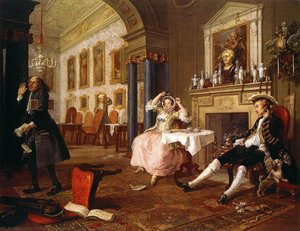
The Death of the Earl


 Tümünü Gör
Giclée / Sanat Baskısı
Hızlı üretim ve esnek bitiş seçenekleriyle müze kalitesinde giclée veya kanvas baskı. ( El Yapımı Tablo Satın Al Dijital Görsele Geç)




P118B ₺10

P118H ₺10

P118W ₺10

P438Z ₺10

P508JH ₺12

P508YH ₺12

P805H ₺10

P805Z ₺10

P919BZ ₺10

P919G ₺10

P919XJ ₺10

P959ZH ₺10

P968JZ ₺12

W106C ₺8

W218G ₺10

W218JH ₺8

W218Y ₺10

W307PJ ₺10

W316G ₺10

W316PJ ₺8

W316Y ₺10

W398PJ ₺8

W4111J ₺10

W500HY ₺15

W500JH ₺15

W692G ₺12

W849H ₺8

W940BG ₺15

W953PJ ₺8




Eserin orijinal oranlarıyla uyumlu, önceden belirlenmiş boyutlarımız arasından seçim yapın.

Çerçevenize veya duvarınıza uygun olması için ihtiyacınız olan genişlik ve yüksekliği yazın. Bir baskı yalnızca kesilebilir, görselden daha büyük hale getirilemez; bu nedenle farklı bir formdaki boyut seçimi, görselin bir kısmının kaybına neden olur. Herhangi bir baskı yapmadan önce onaylamanız için size bir dijital taslak gönderiyoruz. Bu sayfada gösterilen resim gerçek kesimi göstermez — bunu yalnızca taslak gösterir.
Dünya Çapında Teslimat (); standart 4/5 hafta yerine 2 haftada. (4 Kasım)

Dünya Çapında Ücretsiz Ekspres Kargo

Yüksek Kaliteli Keten Kanvas

Tam Nakliye Sigortası

Gümrük Vergisi İadesi Garantisi

Gerçek Renk Uyumu Garantisi

100 Günlük İade Politikası (Sadece Kusurlu Ürünler İçin)

%100 Para İade Garantisi

Toplu Alım İndirimi
 Cam seçeneği yalnızca 110 cm altındaki boyutlar için mevcuttur.

The Death of the Earl
Giclée / Sanat Baskısı
Reproduksiyon Boyutu
-


Toplam Tutar
₺ 3985
The Grim Spectacle of Marriage: William Hogarth’s “The Death of the Earl”
William Hogarth's "The Death of the Earl," painted in 1731, isn’t merely a depiction of mortality; it’s a meticulously crafted indictment of societal values and the corrosive effects of wealth and deceit. Part of his seminal “Marriage A-la-Mode” series, this oil on canvas transports us to a dimly lit chamber within the Earl's estate, where tragedy unfolds with chilling precision. The scene is dominated by the figure of the deceased Earl, sprawled upon his deathbed, a stark contrast to the detached expressions of his family and servants surrounding him. Hogarth masterfully employs chiaroscuro – the dramatic interplay of light and shadow – to heighten the painting’s emotional impact, drawing our attention to the central drama while casting the periphery in an unsettling gloom. The composition itself is carefully orchestrated; the figures are arranged in a pyramidal structure, emphasizing the Earl's vulnerability and the weight of his impending demise. It’s a scene that simultaneously evokes pity and a profound sense of moral judgment, reflecting Hogarth’s satirical eye and his commitment to exposing the hypocrisy of the era.A Portrait of Decadence: The Context of “Marriage A-la-Mode”
To fully appreciate "The Death of the Earl," one must understand its place within the broader context of Hogarth's “Marriage A-la-Mode.” This ambitious series, comprised of six canvases, satirized the fashionable practice of marrying for financial gain rather than genuine affection. Each painting chronicles the disastrous consequences of such unions, exposing the moral decay and social anxieties prevalent in 18th-century England. The Earl’s predicament is emblematic of this larger critique – a man ruined by his own extravagance and the manipulative schemes of those around him. Hogarth was deeply critical of the superficiality and materialism that characterized the upper classes, and he used his art to expose their flaws with unflinching honesty. The series wasn't simply a commentary on individual failings; it served as a broader social critique, questioning the very foundations upon which these marriages were built. The Earl’s death, therefore, isn’t just a personal tragedy but a symbol of the wider societal collapse brought about by greed and infidelity.Decoding the Scene: Symbolism and Narrative
The painting is rich in symbolic details that deepen its meaning. Notice the stark contrast between the Earl's lifeless form and the lively activity surrounding him – his family attending to his death with a disconcerting lack of grief, while servants furtively attempt to conceal evidence of their own involvement. The presence of the lawyer Silvertongue, attempting to escape through a window, underscores the betrayal at the heart of the narrative. Even seemingly innocuous details, such as the scattered books and the bowl on the dining table, contribute to the overall sense of disorder and moral corruption. The arrangement of figures—the Countess kneeling in despair, the Alderman coldly removing his daughter’s ring—highlights the callousness and self-interest that prevail amidst tragedy. The subtle inclusion of a squirrel hanging behind the Countess – a common symbol for a prostitute – adds another layer of intrigue and reinforces the theme of illicit affairs.Hogarth's Technique: A Masterclass in Satirical Realism
William Hogarth’s skill as an artist is undeniable, particularly in his ability to seamlessly blend realism with satire. He meticulously rendered every detail—the textures of the fabrics, the expressions on the faces, the arrangement of objects—creating a scene that feels both immediate and profoundly unsettling. His use of chiaroscuro not only adds drama but also directs our gaze towards the key elements of the composition. Hogarth’s innovative approach to printmaking – his detailed paintings served as models for engravers – allowed him to reach a wider audience than traditional painters could, solidifying his position as a leading figure in 18th-century art. The precision and clarity of his work are remarkable, reflecting his commitment to capturing the nuances of human behavior and exposing the moral failings of society.Bringing “The Death of the Earl” to Life: Custom Portraits & Reproductions
At OriginalUniqueArt.com, we offer exquisite hand-painted reproductions of William Hogarth’s masterpieces, including "The Death of the Earl." We meticulously recreate the painting's dramatic lighting, intricate details, and powerful symbolism, ensuring that your custom portrait captures the essence of this iconic work. Whether you desire a faithful replica for your home or office, or a personalized variation inspired by Hogarth’s style, our team of skilled artists will bring your vision to life. Explore our collection of fine art reproductions and discover how you can own a piece of art history – visit OriginalUniqueArt.com today.Soru ve Cevaplar
William Hogarth imzalı "The Death of the Earl" eserinde hakim olan renk tonu nedir?
William Hogarth imzalı "The Death of the Earl" eserinde Amber to Saffron bir ton hakimdir.
"The Death of the Earl" eserinde hangi ruh hali ve duygu bir araya geliyor?
"The Death of the Earl" eserinde, Dramatic bir ruh hali Melancholic bir duyguya eşlik ediyor.
"The Death of the Earl" adlı eserin atmosferi nasıldır?
"The Death of the Earl" Dramatic bir atmosfere sahip.
Sanatçı Özgeçmişi
William Hogarth (1697 – 1764): A London Life in Ink and Paint
William Hogarth, born into the bustling heart of 18th-century London in 1697, was more than just an artist; he was a visual historian, a keen observer of human nature, and a satirical commentator on the societal currents of his age. His life story is inextricably linked to the very fabric of England during a period of significant transformation – its burgeoning ambitions, underlying anxieties, and pervasive hypocrisies all finding potent expression in his remarkably detailed and often biting works. The son of a struggling Latin schoolmaster, Hogarth’s early experiences instilled within him both a love for learning and a sharp awareness of social inequalities, a foundation that would prove crucial to shaping his artistic vision. Initially apprenticed to an engraver, he quickly demonstrated a talent extending beyond mere technical skill; he possessed an innate ability to observe the nuances of human behavior and translate them into compelling visual narratives. However, he chafed against the constraints of traditional engraving, seeking a more expressive outlet for his burgeoning creativity. This led him to studies at both St Martin’s Lane Academy and under Sir James Thornhill, where he honed his skills in painting and composition, absorbing influences that would later inform his unique style.- Early Life and Influences: Hogarth's father, a teacher, faced considerable hardship during his childhood, including imprisonment for debt – an experience that profoundly shaped his worldview and fueled his fascination with the darker side of human existence. He developed a passion for sketching people he encountered on the streets, drawing inspiration from classic painters such as Albrecht Dürer, Pieter Bruegel the Elder, Leonardo Da Vinci, Raphael, Michelangelo, Nicolas Poussin, Jacques Callot, Peter Paul Rubens and his idol, James Thornhill.
- The Engraving Trade: Hogarth began his artistic career as an engraver’s apprentice, mastering the craft of producing prints from drawings with meticulous precision. His early engravings showcased a remarkable talent for capturing detail and conveying emotion, establishing him as a skilled craftsman and demonstrating his versatility beyond purely decorative pursuits.
- Painting and Composition: Hogarth's artistic vision extended far beyond engraving; he excelled in painting, developing a distinctive style characterized by realism and narrative complexity. He studied under Sir James Thornhill at St Martin’s Lane Academy, absorbing influences that would contribute to his groundbreaking approach to visual storytelling.
- “Modern Moral Subjects”: Hogarth revolutionized artistic practice by pioneering what he termed “modern moral subjects”—series of paintings designed to tell a story and deliver a pointed critique of contemporary society. These weren't isolated portraits or landscapes; they were visual novels unfolding before the viewer’s eyes, offering unflinching commentary on social issues and challenging conventional notions of beauty and virtue.
A Harlot’s Progress: A Pioneering Narrative Sequence
Perhaps Hogarth's most celebrated achievement was *A Harlot’s Progress*, a six-part series of paintings that meticulously chronicles the tragic downfall of Mary, a young woman arriving in London full of hope but swiftly succumbing to the temptations and dangers of city life. Each scene is rendered with painstaking detail, filled with symbolic elements that reveal the moral decay surrounding her. The series exemplifies Hogarth’s innovative technique—combining realistic depiction with narrative storytelling—marking him as a forerunner of comic strip-like visual narratives. He skillfully employed cross-hatching to create depth and texture, bringing his scenes to life with remarkable clarity and capturing the psychological complexities of his subjects.Technique and Style: Mastering Line and Shade
Hogarth’s artistic style was distinguished by a masterful command of line and shade—a hallmark of his engravings and paintings alike. He achieved unparalleled realism through meticulous observation and skillful rendering, capturing the subtleties of human expression with remarkable accuracy. His distinctive cross-hatching technique created depth and texture, transforming flat surfaces into immersive visual experiences. Furthermore, Hogarth’s compositional choices were equally innovative, arranging figures and objects within the frame to generate dynamic narratives that engaged viewers emotionally and intellectually.Legacy and Influence: Shaping British Art History
William Hogarth's influence on British art history is undeniable. He established a distinctly British artistic identity, rejecting continental Mannerism in favor of realism and moral seriousness. His work profoundly impacted subsequent generations of artists—including James Gillray and George Cruikshank—who embraced his satirical tradition and continued to explore social issues with unflinching honesty. Moreover, Hogarth’s pioneering approach to visual storytelling paved the way for the development of political cartoons and comic strips, securing his place as a pivotal figure in popular culture. He remains revered as one of the “Big Three” of 18th-century cartooning, recognized for his originality, his social critique, and his enduring ability to capture the complexities of human life—a legacy that continues to inspire artists and scholars today.Concluding Remarks
Ultimately, William Hogarth stands as a testament to the transformative power of observation and artistic innovation. He demonstrated that art could be both entertaining and enlightening, challenging viewers to confront uncomfortable truths about themselves and their society—a conviction that underpinned his entire creative endeavor. His paintings and engravings endure not merely as historical artifacts but as vibrant windows into a bygone era, offering timeless insights into the follies and foibles of humanity.
William Hogarth
1697 - 1764 , Birleşik Krallık
Kısa Bilgiler
- Artistic Movement Or Style: Satirizm ve gerçekçilik
- Artists Who Influenced This Artist:
- Pieter de Hooch
- Jonathan Swift
- Date Of Birth: 1697
- Full Name: William Hogarth
- Nationality: İngiliz
- Notable Artworks:
- A Harlot's Progress
- A Rake's Progress
- Marriage A-la-Mode
- Place Of Birth: Londra
Benzer Yazılar

Sir William Blake Richmond: A Visionary of Aestheticism & Symbolism
Explore the life & art of Sir William Blake Richmond, a pivotal figure bridging Pre-Raphaelitism and Aestheticism. Discover his stunning portraits, mosaics at St Paul's Cathedral, and lasting influence on Victorian art.
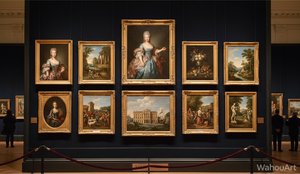
18th Century Masters: 10 Artworks That Define an Era | OriginalUniqueArt
Journey through 18th century art! Explore 10 iconic paintings – from Rococo elegance to Neoclassical grandeur. Discover Fragonard, David & more. Find museum-quality reproductions and elevate your home decor on OriginalUniqueArt.com.

William Hogarth: Satire, Social Commentary & the Birth of Modern British Art
Explore the satirical world of William Hogarth, pioneering British painter & engraver. Discover his iconic works like *A Rake's Progress* and insightful social commentary on 18th-century London life.
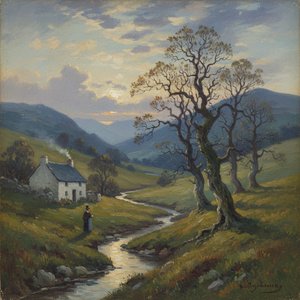
Penry Williams: Evoking Welsh Nostalgia Through Impressionistic Landscapes
Explore the captivating world of Penry Williams (1802-1885), a Welsh artist renowned for his evocative Impressionistic landscapes and scenes of Italy. Discover his life, style & legacy with OriginalUniqueArt.

Christopher Williams: Deconstructing Representation & Materiality in Contemporary Art
Explore the groundbreaking work of Christopher Williams, a pivotal figure in contemporary art. This analysis delves into his deconstruction of representation, materiality, and institutional critique – essential reading for serious collectors.