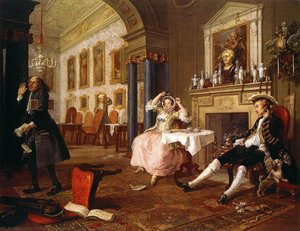
Önizle
 Gönder
 Paylaş
 Detaylar
 Rehber

 Dosyayı İndir
 Benzerleri
 X-Işını
 Slayt Gösterisi
 İstatistikler
Plate One, From A Rake’s Progress


 Devamını Oku
El Yapımı Yağlı Boya Reproduksiyon
Sanatçılarımız tarafından sipariş üzerine hazırlanan; istediğiniz boyut ve çerçevede, tuval üzerine el boyaması yağlı boya. ( Baskı Satışına Geç Dijital Görsel Satışına Geç)




P118B ₺10

P118H ₺10

P118W ₺10

P438Z ₺10

P508JH ₺12

P508YH ₺12

P805H ₺10

P805Z ₺10

P919BZ ₺10

P919G ₺10

P919XJ ₺10

P959ZH ₺10

P968JZ ₺12

W106C ₺8

W218G ₺10

W218JH ₺8

W218Y ₺10

W307PJ ₺10

W316G ₺10

W316PJ ₺8

W316Y ₺10

W398PJ ₺8

W4111J ₺10

W500HY ₺15

W500JH ₺15

W692G ₺12

W849H ₺8

W940BG ₺15

W953PJ ₺8




Eserin orijinal oranlarıyla uyumlu, önceden belirlenmiş boyutlarımız arasından seçim yapın.

Çerçevenize veya duvarınıza uygun olması için ihtiyacınız olan genişliği ve yüksekliği yazın. Bu eser el boyamasıdır; bu nedenle farklı bir formdaki boyutlar için sanatçı, resmin etrafına biraz daha fazla boya ekleyebilir veya biraz daha kırpabilir — seçim sizin. Boyama işlemi başlamadan önce onaylamanız için size bir dijital taslak gönderiyoruz. Bu sayfada gösterilen resim gerçek sonucu yansıtmamaktadır — gerçek sonucu yalnızca taslak göstermektedir.
Siparişten sonra, OriginalUniqueArt.com ekibi talimatlar için müşteriye e-posta gönderecek ve bir taslak önizleme sunacaktır
Dünya Çapında Teslimat (); standart 5 hafta yerine 3/4 haftada. (22 Ekim). Kaliteden ödün verilmez.

Dünya Çapında Ücretsiz Ekspres Kargo

Yüksek Kaliteli Keten Tuval

Tam Nakliye Sigortası

Gümrük Vergisi İadesi Garantisi

Gerçek Renk Uyumu Garantisi

100 Günlük İade Koşulları (Sadece Üretim Hatalı Ürünler İçin)

%100 Para İade Garantisi

Toplu Alım Avantajı
 Cam seçeneği yalnızca 110 cm altındaki boyutlar için mevcuttur.

Plate One, From A Rake’s Progress
Baskı Tekniği
Baskı Boyutu
-


Toplam Fiyat
₺ 24431
Sahne: Yaratıcı Kaosa Bir Bakış
"A Rake's Progress: Birinci Levha" ile bir sanat atölyesinin canlı enerjisine kendinizi bırakın. William Hogarth'ın bu karmaşık gravürü, hareket ve detayla dolu, telaşlı bir sahneyi ustalıkla yakalıyor. Merkezde, şık giyimli bir adam bir şövale üzerindeki sanat eseriyle ilgilenirken, etrafı gayretle çalışan veya derin sohbetlere dalmış figürlerle çevrili. Kompozisyon; masasındaki sanatçıdan eserleri tartışan kadınlara kadar pek çok etkileşim katmanıyla zenginleşerek, kolektif yaratıcılığın dinamik bir anlık görüntüsünü sunuyor.Üslup ve Teknik: Gravürde Ustalık
Hogarth'ın gravür ustalığı bu siyah-beyaz eserde tüm ihtişamıyla parlıyor. Keskin çizgiler ve değişen tonlar, ana figürleri ve nesneleri belirginleştirerek etkileyici bir kontrast ve derinlik yaratıyor. Tarama ve noktalama teknikleri; kumaş, ahşap ve metal gibi yüzeylere doku kazandırırken, hafif gölgeler üç boyutlu etkiyi güçlendiriyor. Doğrusal perspektif ise izleyiciyi sahnenin içine çekerek 18. yüzyıl atölyesinin her bir ayrıntısını keşfetmeye davet ediyor.Tarihsel Bağlam: Hogarth'ın Hicivsel Dehası
Hicivsel çalışmalarıyla tanınan önemli İngiliz sanatçı William Hogarth, "Birinci Levha"yı ünlü "A Rake's Progress" serisinin bir parçası olarak yarattı. Bu gravür, 18. yüzyılın sanatsal uygulamalarını ve sosyal dinamiklerini yansıtan bir ayna niteliğindedir. Hogarth'ın realizmi anlatısal karmaşıklıkla harmanlama yeteneği, o dönemin sanatçılarının yaratıcı süreçlerine ve iş birliğine dayalı çalışma ortamlarına eşsiz bir ışık tutuyor.Sembolizm: Yaratıcılığın Özü
Aletler, malzemeler ve sanat eserleriyle dolu olan bu dağınık atölye, sanatsal yaratımın karmaşık ama ödüllendirici doğasını simgeliyor. Merkezdeki figürün şövaledeki eserle kurduğu bağ, sanat üretiminin eleştirel ve iş birlikçi yönlerini temsil ediyor. Görüntü içindeki metinler ise bağlam sunup mizahi yorumlar katarak anlatıya derinlik katıyor ve izleyiciyi tasvir edilen ilişkiler ile konuşmalar üzerine düşünmeye çağırıyor.Duygusal Etki: Bir Amaç Duygusu
Bu gravür, bir sanat atölyesinin dinamik enerjisini yakalayarak bir hareket ve amaç duygusu aşılıyor. Çeşitli sanat araçlarının ve malzemelerin ayrıntılı tasviri, dönemin sanatsal pratiklerine dair içgörü sunarken; figürler arasındaki etkileşim anlatıya yeni bir katman ekliyor. Hogarth'ın bu çalışması, izleyicide yaratıcı sürecin bir parçasıymış hissi uyandırarak her türlü koleksiyon için büyüleyici bir parça haline geliyor.Bu Sanat Eserini Neden Koleksiyonunuza Katmalısınız?
Sanatseverler, koleksiyonerler ve iç mimarlar için "A Rake's Progress: Birinci Levha", tarihsel önem ile sanatsal dehanın eşsiz bir karışımını sunuyor. Karmaşık detayları ve zengin anlatısı, onu hayranlık uyandıran ve üzerine konuşulmasını sağlayan büyüleyici bir eser kılıyor. İster bir evde ister bir ofiste sergilensin, bu yüksek kaliteli reprodüksiyon modern mekanlara 18. yüzyılın yaratıcılığından ve hicivinden bir dokunuş getiriyor.Hogarth'ın Başyapıtını Mekanınıza Taşıyın
"A Rake's Progress: Birinci Levha"nın el boyaması bir reprodüksiyonu ile iç mekanınızı yüceltin. Hogarth'ın gravürünün zamansız cazibesini deneyimleyin ve koleksiyonunuza sanat tarihinden bir parça ekleyin. Güzel sanata değer veren ve çevresine ilham katmak isteyenler için mükemmel bir seçim.Soru ve Cevaplar
William Hogarth imzalı "Plate One, From A Rake’s Progress" eserinin hangi baskı boyutu önerilen odaya uygun düşer?
Oturma Odası içerisinde, "Plate One, From A Rake’s Progress" adlı eserin Orta Boy baskı boyutunda olması önerilir.
"Plate One, From A Rake’s Progress" eserinin formatı nedir?
William Hogarth imzalı "Plate One, From A Rake’s Progress", Yatay format bir kompozisyona sahiptir. Baskı boyutuna karar vermeden önce oranları kontrol etmeye değer.
"Plate One, From A Rake’s Progress" genel olarak daha mı açık yoksa daha mı koyu tonlarda?
William Hogarth imzalı "Plate One, From A Rake’s Progress" için kaydedilen değerler şöyledir: parlak parlaklık, Yumuşak Aydınlık aydınlık.
Sanatçı Biyografisi
William Hogarth (1697 – 1764): A London Life in Ink and Paint
William Hogarth, born into the bustling heart of 18th-century London in 1697, was more than just an artist; he was a visual historian, a keen observer of human nature, and a satirical commentator on the societal currents of his age. His life story is inextricably linked to the very fabric of England during a period of significant transformation – its burgeoning ambitions, underlying anxieties, and pervasive hypocrisies all finding potent expression in his remarkably detailed and often biting works. The son of a struggling Latin schoolmaster, Hogarth’s early experiences instilled within him both a love for learning and a sharp awareness of social inequalities, a foundation that would prove crucial to shaping his artistic vision. Initially apprenticed to an engraver, he quickly demonstrated a talent extending beyond mere technical skill; he possessed an innate ability to observe the nuances of human behavior and translate them into compelling visual narratives. However, he chafed against the constraints of traditional engraving, seeking a more expressive outlet for his burgeoning creativity. This led him to studies at both St Martin’s Lane Academy and under Sir James Thornhill, where he honed his skills in painting and composition, absorbing influences that would later inform his unique style.- Early Life and Influences: Hogarth's father, a teacher, faced considerable hardship during his childhood, including imprisonment for debt – an experience that profoundly shaped his worldview and fueled his fascination with the darker side of human existence. He developed a passion for sketching people he encountered on the streets, drawing inspiration from classic painters such as Albrecht Dürer, Pieter Bruegel the Elder, Leonardo Da Vinci, Raphael, Michelangelo, Nicolas Poussin, Jacques Callot, Peter Paul Rubens and his idol, James Thornhill.
- The Engraving Trade: Hogarth began his artistic career as an engraver’s apprentice, mastering the craft of producing prints from drawings with meticulous precision. His early engravings showcased a remarkable talent for capturing detail and conveying emotion, establishing him as a skilled craftsman and demonstrating his versatility beyond purely decorative pursuits.
- Painting and Composition: Hogarth's artistic vision extended far beyond engraving; he excelled in painting, developing a distinctive style characterized by realism and narrative complexity. He studied under Sir James Thornhill at St Martin’s Lane Academy, absorbing influences that would contribute to his groundbreaking approach to visual storytelling.
- “Modern Moral Subjects”: Hogarth revolutionized artistic practice by pioneering what he termed “modern moral subjects”—series of paintings designed to tell a story and deliver a pointed critique of contemporary society. These weren't isolated portraits or landscapes; they were visual novels unfolding before the viewer’s eyes, offering unflinching commentary on social issues and challenging conventional notions of beauty and virtue.
A Harlot’s Progress: A Pioneering Narrative Sequence
Perhaps Hogarth's most celebrated achievement was *A Harlot’s Progress*, a six-part series of paintings that meticulously chronicles the tragic downfall of Mary, a young woman arriving in London full of hope but swiftly succumbing to the temptations and dangers of city life. Each scene is rendered with painstaking detail, filled with symbolic elements that reveal the moral decay surrounding her. The series exemplifies Hogarth’s innovative technique—combining realistic depiction with narrative storytelling—marking him as a forerunner of comic strip-like visual narratives. He skillfully employed cross-hatching to create depth and texture, bringing his scenes to life with remarkable clarity and capturing the psychological complexities of his subjects.Technique and Style: Mastering Line and Shade
Hogarth’s artistic style was distinguished by a masterful command of line and shade—a hallmark of his engravings and paintings alike. He achieved unparalleled realism through meticulous observation and skillful rendering, capturing the subtleties of human expression with remarkable accuracy. His distinctive cross-hatching technique created depth and texture, transforming flat surfaces into immersive visual experiences. Furthermore, Hogarth’s compositional choices were equally innovative, arranging figures and objects within the frame to generate dynamic narratives that engaged viewers emotionally and intellectually.Legacy and Influence: Shaping British Art History
William Hogarth's influence on British art history is undeniable. He established a distinctly British artistic identity, rejecting continental Mannerism in favor of realism and moral seriousness. His work profoundly impacted subsequent generations of artists—including James Gillray and George Cruikshank—who embraced his satirical tradition and continued to explore social issues with unflinching honesty. Moreover, Hogarth’s pioneering approach to visual storytelling paved the way for the development of political cartoons and comic strips, securing his place as a pivotal figure in popular culture. He remains revered as one of the “Big Three” of 18th-century cartooning, recognized for his originality, his social critique, and his enduring ability to capture the complexities of human life—a legacy that continues to inspire artists and scholars today.Concluding Remarks
Ultimately, William Hogarth stands as a testament to the transformative power of observation and artistic innovation. He demonstrated that art could be both entertaining and enlightening, challenging viewers to confront uncomfortable truths about themselves and their society—a conviction that underpinned his entire creative endeavor. His paintings and engravings endure not merely as historical artifacts but as vibrant windows into a bygone era, offering timeless insights into the follies and foibles of humanity.
William Hogarth
1697 - 1764 , Birleşik Krallık
Kısa Bilgiler
- Artistic Movement Or Style: Satirizm ve gerçekçilik
- Artists Who Influenced This Artist:
- Pieter de Hooch
- Jonathan Swift
- Date Of Birth: 1697
- Full Name: William Hogarth
- Nationality: İngiliz
- Notable Artworks:
- A Harlot's Progress
- A Rake's Progress
- Marriage A-la-Mode
- Place Of Birth: Londra
İlgili Yazılar

18th Century Masters: 10 Artworks That Define an Era | OriginalUniqueArt
Journey through 18th century art! Explore 10 iconic paintings – from Rococo elegance to Neoclassical grandeur. Discover Fragonard, David & more. Find museum-quality reproductions and elevate your home decor on OriginalUniqueArt.com.

Reflecting Nobility & Nuance: 18th-Century Portraiture as a Window into Societal Values
Explore the world of 18th-century portraiture with OriginalUniqueArt. Discover symbolism, artistic innovation & societal values reflected in masterpieces by Reynolds, Hogarth & more. Expert insights for collectors.

William Hogarth: Satire, Social Commentary & the Birth of Modern British Art
Explore the satirical world of William Hogarth, pioneering British painter & engraver. Discover his iconic works like *A Rake's Progress* and insightful social commentary on 18th-century London life.
Neoklasismin İz Bırakan 10 Başyapıtı: Sanat ve Ev Dekorasyonunda Zarafet
Neoklasisizmin en etkileyici 10 başyapıtını keşfedin! David, Ingres gibi ustaların eserleriyle sanat tarihine yolculuk edin. Evinizi zarif klasik sanata dönüştürün. OriginalUniqueArt.com'da tüm koleksiyonu inceleyin.
The Sharpest Wit: A Critical Exploration of Satire in Art History – From Hogarth to Contemporary Critique
Explore the history of satire in art! From Hogarth's London to contemporary critique, discover how artists use wit & visual power to reflect and challenge society. Expert insights at OriginalUniqueArt.