Önizleme yap
 Paylaş
 Paylaş
 Detayları Gör

 İndir
İndir
 Benzerlerini gör
 X-Işını
 Slayt Gösterisi
David Garrick as Richard III


 Tümünü Gör
Giclée / Sanat Baskısı
Hızlı üretim ve esnek bitiş seçenekleriyle müze kalitesinde giclée veya kanvas baskı. ( El yapımı tablo satın al Görsel satın al)




P118B $10

P118H $10

P118W $10

P438Z $10

P508JH $12

P508YH $12

P805H $10

P805Z $10

P919BZ $10

P919G $10

P919XJ $10

P959ZH $10

P968JZ $12

W106C $8

W218G $10

W218JH $8

W218Y $10

W307PJ $10

W316G $10

W316PJ $8

W316Y $10

W398PJ $8

W4111J $10

W500HY $15

W500JH $15

W692G $12

W849H $8

W940BG $15

W953PJ $8




Eserin orijinal oranlarıyla uyumlu, önceden belirlenmiş boyutlarımız arasından seçim yapın.

Belirli bir çerçeveye veya alana uyması için kendi ölçülerinizi girebilirsiniz. Seçtiğiniz boyut orijinal görüntünün oranlarıyla eşleşmiyorsa, sanat eserini kırpacağız veya görüntüyü aynalanmış ya da düz dolgulu bir kenarlıkla genişleteceğiz. Üretim başlamadan önce onayınız için bir dijital taslak gönderilecektir.
Lütfen ekrandaki önizlemenin gerçek kırpma veya genişletmeyi yansıtmadığını unutmayın. Nihai kompozisyonu yalnızca taslak doğru bir şekilde gösterecektir.
Özel boyutlar mevcut olsa da, orijinal oranları korumak için önceden tanımlanmış listeden bir boyut seçmenizi öneririz.
Dünya Çapında Teslimat (); standart 4/5 hafta yerine 2 haftada. (3 Eylül)

Dünya Çapında Ücretsiz Ekspres Kargo

Yüksek Kaliteli Keten Tuval

Tam Kapsamlı Nakliye Sigortası

Gümrük Vergisi İade Garantisi

Gerçek Renk Uyumu Garantisi

60 Günlük İade Politikası (Sadece Kusurlu Ürünler İçin)

%100 Para İade Garantisi

Toplu Alım İndirimi
 Cam seçeneği yalnızca 110 cm altındaki boyutlar için mevcuttur.

David Garrick as Richard III
Giclée / Sanat Baskısı
Reproduksiyon Boyutu
-


Toplam Tutar
$ 80
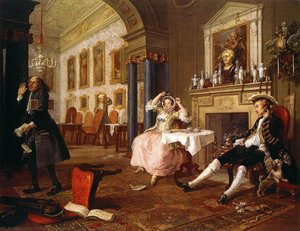
David Garrick as Richard III: A Portrait of Ambition and Moral Decay
William Hogarth’s “David Garrick as Richard III,” completed in 1745, stands as a cornerstone of British Classicism—a movement dedicated to rational order and idealized beauty—yet it achieves its grandeur through a masterful deployment of unsettling realism. More than just a depiction of an actor embodying Shakespeare's villainous monarch, the painting delves into profound psychological complexities and critiques the societal values of Enlightenment England. This meticulously crafted oil on canvas resides within The Fitzwilliam Museum in Cambridge, offering visitors a glimpse into a pivotal moment in artistic history.Composition and Technique: Capturing Dramatic Tension
Hogarth’s compositional brilliance is immediately apparent. He employs a theatrical arrangement, mirroring the stage upon which Garrick performed—a deliberate choice designed to heighten the viewer's engagement. The central figure dominates the canvas, positioned prominently against a backdrop of crimson curtains that serve as both framing device and symbolic representation of regal authority. Garrick himself gestures outwards, seemingly addressing the audience directly, fostering an intimate connection between performer and spectator. Hogarth’s technique is characterized by painstaking detail—every wrinkle on Garrick's face, every gesture of his hand—reflecting a commitment to capturing not merely appearance but also inner emotion. The artist skillfully utilizes chiaroscuro – dramatic contrasts between light and dark – to sculpt the figure and emphasize his commanding presence.Historical Context: Enlightenment Critique
“David Garrick as Richard III” emerged during the Age of Reason, an era defined by intellectual optimism and a belief in scientific progress. However, Hogarth wasn’t simply celebrating these advancements; he was simultaneously exposing their darker side—the hypocrisy and moral failings that lurked beneath the veneer of sophistication. Richard III is portrayed not as a triumphant king but as a man consumed by ambition and driven by ruthless desires. Garrick's pose subtly conveys this internal conflict, hinting at the corrupting influence of power. The inclusion of a dog – positioned at the bottom left corner – adds an element of pathos, symbolizing vulnerability and perhaps representing the moral decay that threatens to engulf even the most influential individuals.Symbolism: Crimson Curtains and Regal Decay
The crimson curtains serve as more than just decorative elements; they embody the grandeur of monarchy but also foreshadow its inevitable decline. Hogarth’s masterful use of color reinforces this symbolic message, highlighting the dramatic tension inherent in the scene. Garrick's gaze directs towards the viewer, inviting contemplation on themes of vanity and moral responsibility—questions central to Enlightenment thought. By juxtaposing the idealized image of Richard III with the unsettling realism of Garrick’s portrayal, Hogarth compels viewers to confront uncomfortable truths about human nature and societal values.Emotional Impact: A Portrait Beyond Appearance
Ultimately, “David Garrick as Richard III” transcends mere visual representation; it evokes a powerful emotional response. The painting captures not just Garrick's physical likeness but also his psychological state—a man wrestling with ambition and haunted by moral dilemmas. Hogarth’s unflinching gaze at the viewer encourages introspection, prompting us to consider our own vulnerabilities and responsibilities. This enduring masterpiece continues to fascinate audiences today because it speaks to universal themes of power, morality, and the human condition—themes that resonate powerfully across centuries.Sanatçı Özgeçmişi
William Hogarth (1697 – 1764): A London Life in Ink and Paint
William Hogarth, born into the bustling heart of 18th-century London in 1697, was more than just an artist; he was a visual historian, a keen observer of human nature, and a satirical commentator on the societal currents of his age. His life story is inextricably linked to the very fabric of England during a period of significant transformation – its burgeoning ambitions, underlying anxieties, and pervasive hypocrisies all finding potent expression in his remarkably detailed and often biting works. The son of a struggling Latin schoolmaster, Hogarth’s early experiences instilled within him both a love for learning and a sharp awareness of social inequalities, a foundation that would prove crucial to shaping his artistic vision. Initially apprenticed to an engraver, he quickly demonstrated a talent extending beyond mere technical skill; he possessed an innate ability to observe the nuances of human behavior and translate them into compelling visual narratives. However, he chafed against the constraints of traditional engraving, seeking a more expressive outlet for his burgeoning creativity. This led him to studies at both St Martin’s Lane Academy and under Sir James Thornhill, where he honed his skills in painting and composition, absorbing influences that would later inform his unique style.- Early Life and Influences: Hogarth's father, a teacher, faced considerable hardship during his childhood, including imprisonment for debt – an experience that profoundly shaped his worldview and fueled his fascination with the darker side of human existence. He developed a passion for sketching people he encountered on the streets, drawing inspiration from classic painters such as Albrecht Dürer, Pieter Bruegel the Elder, Leonardo Da Vinci, Raphael, Michelangelo, Nicolas Poussin, Jacques Callot, Peter Paul Rubens and his idol, James Thornhill.
- The Engraving Trade: Hogarth began his artistic career as an engraver’s apprentice, mastering the craft of producing prints from drawings with meticulous precision. His early engravings showcased a remarkable talent for capturing detail and conveying emotion, establishing him as a skilled craftsman and demonstrating his versatility beyond purely decorative pursuits.
- Painting and Composition: Hogarth's artistic vision extended far beyond engraving; he excelled in painting, developing a distinctive style characterized by realism and narrative complexity. He studied under Sir James Thornhill at St Martin’s Lane Academy, absorbing influences that would contribute to his groundbreaking approach to visual storytelling.
- “Modern Moral Subjects”: Hogarth revolutionized artistic practice by pioneering what he termed “modern moral subjects”—series of paintings designed to tell a story and deliver a pointed critique of contemporary society. These weren't isolated portraits or landscapes; they were visual novels unfolding before the viewer’s eyes, offering unflinching commentary on social issues and challenging conventional notions of beauty and virtue.
A Harlot’s Progress: A Pioneering Narrative Sequence
Perhaps Hogarth's most celebrated achievement was *A Harlot’s Progress*, a six-part series of paintings that meticulously chronicles the tragic downfall of Mary, a young woman arriving in London full of hope but swiftly succumbing to the temptations and dangers of city life. Each scene is rendered with painstaking detail, filled with symbolic elements that reveal the moral decay surrounding her. The series exemplifies Hogarth’s innovative technique—combining realistic depiction with narrative storytelling—marking him as a forerunner of comic strip-like visual narratives. He skillfully employed cross-hatching to create depth and texture, bringing his scenes to life with remarkable clarity and capturing the psychological complexities of his subjects.Technique and Style: Mastering Line and Shade
Hogarth’s artistic style was distinguished by a masterful command of line and shade—a hallmark of his engravings and paintings alike. He achieved unparalleled realism through meticulous observation and skillful rendering, capturing the subtleties of human expression with remarkable accuracy. His distinctive cross-hatching technique created depth and texture, transforming flat surfaces into immersive visual experiences. Furthermore, Hogarth’s compositional choices were equally innovative, arranging figures and objects within the frame to generate dynamic narratives that engaged viewers emotionally and intellectually.Legacy and Influence: Shaping British Art History
William Hogarth's influence on British art history is undeniable. He established a distinctly British artistic identity, rejecting continental Mannerism in favor of realism and moral seriousness. His work profoundly impacted subsequent generations of artists—including James Gillray and George Cruikshank—who embraced his satirical tradition and continued to explore social issues with unflinching honesty. Moreover, Hogarth’s pioneering approach to visual storytelling paved the way for the development of political cartoons and comic strips, securing his place as a pivotal figure in popular culture. He remains revered as one of the “Big Three” of 18th-century cartooning, recognized for his originality, his social critique, and his enduring ability to capture the complexities of human life—a legacy that continues to inspire artists and scholars today.Concluding Remarks
Ultimately, William Hogarth stands as a testament to the transformative power of observation and artistic innovation. He demonstrated that art could be both entertaining and enlightening, challenging viewers to confront uncomfortable truths about themselves and their society—a conviction that underpinned his entire creative endeavor. His paintings and engravings endure not merely as historical artifacts but as vibrant windows into a bygone era, offering timeless insights into the follies and foibles of humanity.
William Hogarth
1697 - 1764 , Birleşik Krallık
Kısa Bilgiler
- Artistic Movement Or Style: Satirizm ve gerçekçilik
- Artists Who Influenced This Artist:
- Pieter de Hooch
- Jonathan Swift
- Date Of Birth: 1697
- Full Name: William Hogarth
- Nationality: İngiliz
- Notable Artworks:
- A Harlot's Progress
- A Rake's Progress
- Marriage A-la-Mode
- Place Of Birth: Londra
İlgili Makaleler
Romantic Realism's Finest: 10 Masterpieces for Your Home | OriginalUniqueArt
Explore 10 defining masterpieces of Romantic Realism! Discover Courbet, Millet & Daumier's powerful paintings—capturing emotion and social realities. Find museum-quality reproductions for your home at OriginalUniqueArt.com.
David Bomberg: Reassessing the Pioneering Spirit of Early British Abstraction
Explore the groundbreaking work of David Bomberg, a pivotal figure in British abstraction. Discover his artistic evolution, influences, and lasting legacy through insightful analysis & expert commentary.

10 Iconic Masterpieces That Defined Contemporary Realism
Journey through the breathtaking world of Contemporary Realism. Explore 10 iconic masterpieces, their legendary artists, and the techniques that define modern realism. Find museum-quality art reproductions for your decor. Discover all masterpieces on OriginalUniqueArt.com.
25 Must-See Masterpieces at the British Museum: A Journey Through Human History
Embark on a journey through time with the 25 most iconic masterpieces of the British Museum. From ancient sculptures to legendary artifacts, explore the stories behind these timeless treasures and find museum-quality art inspiration. Discover all masterpieces on OriginalUniqueArt.com.

Echoes of Society: Exploring Social Realism's Enduring Legacy in Art
Explore the powerful world of Social Realism art! Discover key artists, masterpieces & its profound social commentary. Expert insights into this influential movement's history and enduring legacy.