
 Önizleme yap
 Paylaş
 Paylaş
 Detayları Gör

 İndir
İndir
 Benzerlerini gör
 X-Işını
 Slayt Gösterisi
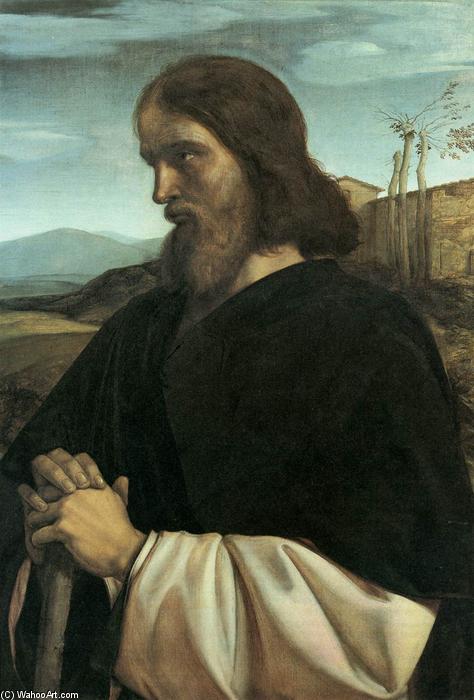
St Joseph
 Oil On Canvas
- WallArt
- Pre-Raphaelite
 1847
1847 79.0 x 55.0 cm
 Royal Collection
 Tümünü Gör
El Yapımı Yağlı Boya Reproduksiyon
Sanatçılarımız tarafından sipariş üzerine hazırlanan; istediğiniz boyut ve çerçevede, tuval üzerine el boyaması yağlı boya. ( Baskı satın al Görsel satın al)




P118B $10

P118H $10

P118W $10

P438Z $10

P508JH $12

P508YH $12

P805H $10

P805Z $10

P919BZ $10

P919G $10

P919XJ $10

P959ZH $10

P968JZ $12

W106C $8

W218G $10

W218JH $8

W218Y $10

W307PJ $10

W316G $10

W316PJ $8

W316Y $10

W398PJ $8

W4111J $10

W500HY $15

W500JH $15

W692G $12

W849H $8

W940BG $15

W953PJ $8




Eserin orijinal oranlarıyla uyumlu, önceden belirlenmiş boyutlarımız arasından seçim yapın.

Belirli bir çerçeveye veya alana uyması için kendi boyutlarınızı girebilirsiniz. Seçtiğiniz boyut orijinal görüntünün oranlarıyla eşleşmiyorsa, sanat eserini kırparak veya ek el boyaması öğelerle resmi uzatarak ayarlayacağız. Üretim başlamadan önce onayınız için dijital bir taslak gönderilecektir.
Lütfen ekrandaki önizlemenin gerçek kırpmayı veya uzatmayı yansıtmadığını unutmayın. Nihai kompozisyonu yalnızca hazırlanan taslak doğru şekilde gösterecektir.
Özel boyutlar mevcut olsa da, orijinal oranları korumak adına önceden tanımlanmış listeden bir boyut seçmenizi öneririz.
Siparişten sonra, OriginalUniqueArt.com ekibi talimatlar için müşteriye e-posta gönderecek ve bir taslak önizleme sunacaktır
Dünya Çapında Teslimat (); standart 5 hafta yerine 3/4 haftada. (7 Eylül). Kaliteden ödün verilmez.

Dünya Çapında Ücretsiz Ekspres Kargo

Yüksek Kaliteli Keten Tuval

Tam Kapsamlı Nakliye Sigortası

Gümrük Vergisi İade Garantisi

Gerçek Renk Uyumu Garantisi

100 Günlük İade Politikası (Sadece Kusurlu Ürünler İçin)

%100 Para İade Garantisi

Toplu Alım İndirimi
 Cam seçeneği yalnızca 110 cm altındaki boyutlar için mevcuttur.

St Joseph
Reproduksiyon Tekniği
Reproduksiyon Boyutu
-


Toplam Tutar
$ 300
The Serene Figure: William Dyce’s St. Joseph
William Dyce's "St. Joseph" is more than a portrait; it’s a carefully constructed meditation on faith, domesticity, and the quiet dignity of a biblical figure. Painted in 1847 during a period of burgeoning Pre-Raphaelite influence in England, this oil-on-canvas work transcends mere representation to become a deeply evocative study of human character. Dyce, a pivotal figure in establishing art education within the British system, imbues the scene with an almost palpable sense of contemplation – Joseph’s gaze, slightly turned leftward, suggests a man lost in thought, perhaps reflecting on his role as guardian of Mary and infant Jesus.
The composition itself is remarkably restrained. Dyce eschews dramatic gestures or elaborate drapery, opting instead for a directness that draws the viewer into Joseph’s world. The muted palette – dominated by earthy browns, ochres, and subtle greens – contributes to the painting's overall sense of solemnity and timelessness. Notice how Dyce masterfully employs light and shadow; it isn’t harsh or theatrical but rather a gentle diffusion that softens the features and emphasizes the texture of Joseph’s clothing, hinting at both its practicality and the inherent value placed upon his role.
A Pre-Raphaelite Echo
Dyce's work firmly resides within the orbit of the Pre-Raphaelites, though he never formally joined their brotherhood. The influence is evident in his meticulous attention to detail, his preference for naturalistic rendering, and his exploration of religious themes with a heightened sense of emotional resonance. The painting shares similarities with works by Millais and Rossetti – particularly in its focus on the domestic sphere and the portrayal of biblical figures as relatable human beings. However, Dyce’s approach is subtly different; there's a greater emphasis on psychological depth and a quiet reverence that distinguishes his style.
The choice of subject matter itself—St. Joseph—is significant. Often overshadowed by Mary and Jesus in traditional iconography, Joseph represents the steadfastness, humility, and protective spirit essential to the Christian narrative. Dyce’s portrayal elevates him beyond a mere supporting character, presenting him as a man of quiet strength and unwavering devotion.
Craftsmanship and Context
Created in 1847, “St. Joseph” reflects the artistic climate of Victorian England. The Royal Collection, where it currently resides at Windsor Castle, speaks to its historical importance and enduring appeal. Dyce’s technical skill is undeniable; his brushwork is smooth and controlled, creating a sense of depth and texture that invites close examination. The canvas itself, likely prepared by a skilled craftsman, provides an ideal surface for Dyce's meticulous rendering.
Furthermore, the painting was commissioned by Prince Albert, highlighting its significance within the royal household. This connection adds another layer to the artwork’s narrative – it wasn’t merely a devotional image but also a symbol of familial piety and the values championed by the Victorian monarchy. The inclusion of the landscape background—rolling hills under a cloudy sky—further grounds the scene in a tangible reality, suggesting that Joseph's faith is rooted in the everyday world.
A Legacy of Reflection
“St. Joseph” remains a powerful and moving work of art. It’s a testament to Dyce’s artistic vision and his ability to capture the essence of human emotion through meticulous observation and skillful execution. More than just a depiction of a biblical figure, it's an invitation to contemplate themes of faith, family, and the quiet dignity of ordinary lives. Reproductions of this piece offer a beautiful opportunity to bring a touch of Victorian serenity and contemplative grace into any space.
Sanatçı Özgeçmişi
Erken Yaşam ve Sanatsal Eğitim
William Dyce (1806–1864), İskoçya'nın Aberdeen kentinde, Kraliyet Cemiyeti üyesi ve hekim Dr. William Dyce FRSE ile varlıklı bir bankacının kızı Margaret Chalmers'ın oğlu olarak dünyaya geldi. Ailesinin öğrenmeye ve kültüre verdiği değer, sanat yolculuğu için ona sarsılmaz bir temel kazandırdı. Aberdeen'in köklü üniversitesi Marischal College'da eğitim gören Dyce, henüz on altı yaşındayken yüksek lisans derecesini alarak dönemi için olağanüstü bir başarıya imza attı. Tasarım konusundaki yeteneğini fark eden sanatçı, Edinburgh ve Londra'daki Royal Academy okullarında aldığı resmi eğitimle klasik sanatın derinliklerine daldı; burada edindiği teknik ustalık, ilerideki kariyerinin yapı taşlarını oluşturdu. Formatif yılları, İskoçya ve İngiltere arasında dolaşan etkileyici sanatsal fikirlerle şekillenirken, bu süreç estetik duyarlılığını olgunlaştırarak onu mükemmeliyetçi bir sanatçı adayı haline getirdi.İtalyan Etkileri ve Sanatsal Gelişim
Dyce'ın sanat hayatının rotasını geri dönülemez biçimde değiştiren en kritik an, 1825 yılında gerçekleştirdiği Roma yolculuğuydu. Rönesans sanatının görkeminden ilham alan ve Nazarene ressamlarının ruhundan büyülenen Dyce, dokuz ay boyunca Titian ve Poussin'in eserlerini büyük bir titizlikle inceledi; onların kompozisyon ilkelerini özümsedi ve renk kullanımındaki ustalığını kendi fırçasına aktardı. İtalyan sanat geleneğine olan bu derin bağlılık, üslubuna detaycı bir gözlem yeteneği ve derin bir ruhsal tefekkür kazandırdı ki bunlar onun eserlerinin imzası haline gelecekti. 1826 yılında Aberdeen'e döndüğünde, ressamlık becerilerini geliştirmeye devam ederek, büyük beğeni toplayan Bacchus Nursed by the Nymphs of Nysa gibi önemli yapıtlar ortaya koydu.Edinburgh Yılları ve Portre Sanatı
1830'ların ortalarında Dyce, İskoç toplumunun önde gelen isimlerinden siparişler alarak Edinburgh'da bir portre sanatçısı olarak adını duyurdu. Özellikle ince ifadeleri ve psikolojik nüansları yakalama konusundaki titizliği, ona büyük bir şöhret kazandırdı. Klasik etkileri Romantik duyarlılıklarla ustaca harmanlayarak, hem estetik açıdan rafine hem de duygusal derinliği olan portreler yarattı. Sanatçı, bu dönemde sadece bir ressam değil, aynı zamanda sanat eğitiminin savunucusu olarak da öne çıktı; Edinburgh'da bir tasarım okulunun kurulması için yürüttüğü çalışmalar, 1rasında modernleşme ve genişleme süreçlerini yönettiği bu kurumun temellerini attı.Londra Dönemi ve Mimari Destek
1837 yılında Londra'ya taşınan Dyce, Somerset House'daki Tasarım Okulu'nun Başkanı olma görevini üstlendi. Bu dönüm noktası, onu Viktorya dönemi sanat tartışmalarının kalbine taşıdı ve Prens Albert gibi nüfuzlu hamilerin desteğini almasını sağladı. Yurt dışındaki sanat eğitimi uygulamaları üzerine yürüttüğü kapsamlı araştırmalar, İngiliz sanat eğitimine on yıllarca yön verecek olan “South Kensington Sistemi”nin doğuşuna ışık tuttu. Dyce'ın katkıları pedagojik çalışmalarla sınırlı kalmadı; yeni Parlamento Binası'nın tasarımı gibi mimari projelerde danışmanlık yaparak, fresk tekniğindeki ustalığını sergiledi ve Britanya'nın en önemli sanatçılarından biri olarak konumunu perçinledi.Büyük Başarılar ve Miras
Dyce'ın sanatsal mirası, temelde iki devasa esere dayanmaktadır: Westminster Abbey'nin dekorasyonu ve Parlamento Binası'nın inşası. Özellikle Neptune Resigning to Britannia adlı freski, Viktorya dönemi hırsının ve sanatsal vizyonunun bir zaferi niteliğindedir; imparatorluk Britanyası'nın görkemini yansıtırken Dyce'ın eşsiz fresk tekniğini gözler önüne serer. Ancak onun en çok takdir edilen eseri, doğanın titiz bir gözlemini ve derin duygusal yoğunluğu sunan Pegwell Bay, Kent manzara resmi olmaya devam etmektedir. Ayrıca, Royal College of Art'ın kurulmasına öncülük etmesi ve yenilikçi eğitim yaklaşımlarını savunması, sanat eğitiminin dönüştürücü gücüne olan sarsılmaz inancının bir kanıtı olarak tarihe geçmiştir. William Dyce, entelektüel merak, ahlaki ciddiyet ve insan kültürünü yüceltme tutkusuyla karakterize edilen Viktorya dönemi Britanyası'nın ruhunu eserlerinde yaşatan bir sanatçı olarak kalacaktır.
William Dyce
1806 - 1864 , Birleşik Krallık
Kısa Bilgiler
- Artistic Movement Or Style: Pre-Raphaelites (Ön-Rafaelciler)
- Artists Or Movements Influenced By This Artist: ['Nazarenes (Nazarenler)']
- Artists Who Influenced This Artist:
- Friedrich Overbeck
- John Ruskin
- Date Of Birth: 1806-09-19
- Date Of Death: 1864-02-14
- Full Name: William Dyce
- Nationality: İskoç
- Notable Artworks:
- Pegwell Bay, Kent
- Meryem Ana ve Çocuk
- Dunstan Edwy ve Elgiva'yı ayırıyor
- Place Of Birth: Aberdeen, Birleşik Krallık
İlgili Makaleler

Oil on Canvas: A Historical & Technical Exploration of a Timeless Artistic Medium
Explore the rich history & enduring techniques of oil painting on canvas. Discover the science behind its longevity, conservation practices, and contemporary relevance. Expert insights for art enthusiasts.

El Greco'nun En İyi 25 Eseri: Sanat Tarihinin İkonik Yorumları ve Ev Dekorasyonu İçin İlham Veren Seçkiler
El Greco'nun en iyi 25 eserini keşfedin! İspanyol Rönesansı'nın mistik dehasının dini tabloları, dramatik renkleri ve maniyerizm tarzıyla evinizi sanatla doldurun. OriginalUniqueArt.com'da yüksek kaliteli baskılarla El Greco koleksiyonuna göz atın.

The Enduring Legacy of Oil on Canvas: Technique, History & Aesthetic Impact
Explore the rich history & techniques of oil painting – from Renaissance masters to Impressionism. Discover pigments, layering methods, and why this timeless medium endures. Expert insights for artists & art enthusiasts.

The Enduring Power of Painting: A Historical & Contemporary Exploration of Form and Emotion
Explore the rich history & enduring techniques of oil painting with OriginalUniqueArt. Discover masterpieces, learn about art collecting, and find authentic handmade reproductions crafted by skilled artists.

Tuval Üzerindeki Zamanın İzleri: Teknikler, Tarih ve Çağdaş Uygulamalar
Tuval üzerine yağlı boya resmin tarihini, tekniklerini ve çağdaş uygulamalarını keşfedin. Bizans sanatından modern restorasyona kapsamlı bir rehber. Sanatseverler için uzman bilgileri!