

 Önizleme yap
 Paylaş
 Paylaş
 Detayları Gör

 İndir
İndir
 Benzerlerini gör
 X-Işını
 Slayt Gösterisi
 İstatistikler
Isabella Appiani


 Tümünü Gör
Çevrimiçi önizlemeden çok daha üstün, yüksek çözünürlüklü ve iyileştirilmiş bir dijital görüntü satın alın.
Her dosya, uzman ekibimiz tarafından gelişmiş araçlar ve titiz manuel rötuş teknikleri kullanılarak özenle hazırlanır. Her görüntünün olağanüstü netliğe, kusursuz renk doğruluğuna ve ince ayrıntılara sahip olduğundan emin oluruz.
Son dosya; profesyonel, editoryal ve baskı süreçlerinde anında kullanıma uygun şekilde optimize edilerek 72 saat içinde e-posta yoluyla teslim edilir. Bu, seçkin tasarım stüdyoları, yayıncılar ve galerilerin güvendiği aynı kalite standartlarındadır.
Dijital Görsel
Kişisel sergileme, baskı ve yaratıcı projeleriniz için yüksek çözünürlüklü bir dosya indirin. ( Baskı Moduna Geç El yapımı tablo satın al)
Her Dijital Görüntü Siparişinde Dahil Olanlar
Uzman Dijital Teslimat, Garantili
OriginalUniqueArt.com seçtiğinizde, sadece bir görsel edinmekle kalmaz; titizlikle hazırlanmış, profesyonelce iyileştirilmiş dijital bir sanat eserine sahip olur ve memnuniyet garantisiyle güvence altına alınırsınız. Siparişinizle birlikte otomatik olarak sunulan her şey şunlardır:

Hızlı E-posta ile Teslimat
Yüksek çözünürlüklü dijital görüntü dosyanız, siparişinizin üzerinden en geç 72 saat geçmeden e-posta ile size gönderilecektir; hemen kullanıma hazırdır.

Yapay Zeka İle İyileştirilmiş Dijital Dosya
Sanat eseriniz; maksimum detay, netlik ve renk doğruluğu sağlamak amacıyla gelişmiş yapay zeka araçları ve manuel düzenleme kullanılarak profesyonelce optimize edilmektedir.

Ömür Boyu Ücretsiz Yeniden Gönderim
Dosyanızı yanlışlıkla mı sildiniz yoksa kayıp mı oldu? Endişelenmeyin; dosyanızı dilediğiniz zaman size ücretsiz olarak tekrar göndereceğiz.

Hiçbir Zaman İthalat Ücreti Ödemeyin
Sanat eserinizin tadını gümrük vergisi, harç veya teslimat ücreti ödemeden anında çıkarın; dijital indirmeler her zaman vergiden muaftır.

Renk Doğruluğu Garantisi
Profesyonel araçlar ve renk yönetimi kullanarak dijital görselinizin orijinal renklere mümkün olduğunca yakın yansıtılmasını sağlıyoruz.

100 Günlük Memnuniyet Garantisi
If you're not satisfied with your digital image, we'll revise it or refund 100% within 100 days - no questions asked.

100% Para İadesi Garantisi
Memnun kalmadınız mı? Dijital dosyanızı teslim aldıktan sonraki 100 gün içinde, hiçbir soru sorulmaksızın tam para iadesi alabilirsiniz.

Toplu Sipariş İndirimleri
Buy 3 images, save 10% - Buy 5, save 15% - Buy 10+, save 20%. Great for creative projects, galleries, and agencies.
Sanatçı Özgeçmişi
Pieter Bruegel the Elder: A Window into 16th-Century Life
Pieter Bruegel the Elder, a name synonymous with Flemish art of the 16th century, wasn’t merely a painter; he was a chronicler of his time, a keen observer of human nature, and a master storyteller rendered in oil on panel. Born around 1525 in Breda, a bustling city within the Duchy of Brabant (now part of Belgium), Bruegel’s life unfolded against a backdrop of political upheaval, religious reform, and burgeoning urban centers. While details about his early years remain somewhat elusive, it's believed he was apprenticed to Pieter Coecke van Aelst, a prominent Antwerp artist known for his versatility as a sculptor, architect, and tapestry designer – an experience that undoubtedly shaped the foundations of Bruegel’s artistic development.
Bruegel’s career blossomed in Brussels, a vibrant hub of commerce and culture. He quickly established himself as a respected painter, attracting commissions from wealthy patrons including Margaret of Austria, regent of the Netherlands, and various noble families. His early works often showcased a refined elegance, reflecting the influence of Italian Renaissance art – particularly the subtle color palettes and classical motifs prevalent in the work of artists like Raphael and Giovanni Bellini. However, it was his later paintings that truly cemented his legacy, marking a distinct shift towards a uniquely Bruegelian style characterized by earthy tones, dynamic compositions, and an unparalleled ability to capture the essence of everyday life.
The Landscapes and Scenes of Rural Life
Bruegel’s artistic trajectory is marked by a fascinating evolution. Initially, his landscapes were imbued with a delicate beauty reminiscent of Flemish tradition. But as he matured, he began to infuse them with a distinctly observational quality, depicting scenes of peasant life with remarkable realism and psychological depth. These weren't idealized depictions; instead, they presented a raw and often humorous portrayal of rural existence – harvests, festivals, hunts, and the simple routines of daily labor. His paintings aren’t simply records of events; they are imbued with social commentary, subtly critiquing human folly and celebrating the resilience of ordinary people.
Consider his iconic “Peasant Wedding” (1567), a masterpiece that captures the chaotic energy and boisterous joy of a rural celebration. The painting is not just visually arresting; it’s packed with symbolic details – the drunken farmer, the dancing couple, the discarded food – all contributing to a broader meditation on human behavior and societal values. Similarly, “The Goldsmith” (1564) offers a poignant glimpse into the solitary life of a craftsman, highlighting his dedication and the potential for both reward and disappointment in his profession.
Technique and Innovation
Bruegel’s artistic technique was as innovative as it was masterful. He employed a distinctive palette dominated by earthy browns, greens, and ochres, creating a sense of groundedness and realism. His brushwork is often loose and expressive, conveying movement and emotion with remarkable immediacy. Crucially, Bruegel was a pioneer in the use of perspective, particularly atmospheric perspective – employing variations in color and detail to create the illusion of depth and distance. This technique, combined with his meticulous attention to detail, allowed him to render landscapes with astonishing accuracy and realism.
Furthermore, Bruegel’s mastery of composition is evident in his ability to pack a great deal of information into each painting – figures, objects, and symbolic elements all vying for the viewer's attention. He frequently utilized crowded scenes, creating a sense of dynamism and immediacy that draws the eye across the canvas. His use of diagonals and overlapping forms further enhances this effect, contributing to the overall feeling of movement and energy.
Influence and Legacy
Pieter Bruegel the Elder’s influence on subsequent generations of artists is profound. His focus on everyday life, his realistic depictions of rural scenes, and his innovative use of perspective paved the way for later masters such as Jan Bruegel the Younger (his son), Lucas Cranach the Elder, and Pieter de Hooch. His work also resonated with the rise of Northern Mannerism, a style characterized by elongated figures, distorted perspectives, and an emphasis on psychological expression.
Beyond his direct influence on individual artists, Bruegel’s paintings offer invaluable insights into 16th-century society – its customs, beliefs, and values. His works serve as a powerful reminder of the enduring appeal of depicting the human condition in all its complexity and contradictions. Today, Bruegel's paintings are celebrated for their artistic merit, their historical significance, and their timeless ability to connect with viewers across centuries.
Key Works
- The Peasant Wedding (1567)
- The Goldsmith (1564)
- Landscape with the Fall of Icarus (c. 1560-1563)
- Hay Harvest (c. 1560-1563)
- Tower Scene (c. 1563)
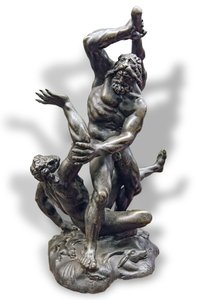
willem danielsz van tetrode
1525 - 1587 , Netherlands
Kısa Bilgiler
- Artistic Movement Or Style: Flemish Renaissance
- Artists Or Movements Influenced By This Artist: ['His sons (Jan & Pieter)']
- Artists Who Influenced This Artist: ['Pieter Coecke van Aelst']
- Date Of Birth: c. 1525
- Date Of Death: 1569
- Full Name: Pieter Bruegel the Elder
- Nationality: Flemish
- Notable Artworks:
- Peasant Wedding
- Hunters in the New World
- The Goldsmith
- Fall of the Innocents
- Place Of Birth: Breda, Brabant