

 Önizle
 Gönder
 Paylaş
 Detaylar
 Rehber

 Dosyayı İndir
 Benzerleri
 X-Işını
 Slayt Gösterisi
 İstatistikler
Kostüm Augustus


 Devamını Oku
Giclée / Sanat Baskısı
Hızlı üretim ve esnek bitiş seçenekleriyle müze kalitesinde giclée veya kanvas baskı. ( El Yapımı Tablo Satın Al Dijital Görsel Satışına Geç)




P118B ₺10

P118H ₺10

P118W ₺10

P438Z ₺10

P508JH ₺12

P508YH ₺12

P805H ₺10

P805Z ₺10

P919BZ ₺10

P919G ₺10

P919XJ ₺10

P959ZH ₺10

P968JZ ₺12

W106C ₺8

W218G ₺10

W218JH ₺8

W218Y ₺10

W307PJ ₺10

W316G ₺10

W316PJ ₺8

W316Y ₺10

W398PJ ₺8

W4111J ₺10

W500HY ₺15

W500JH ₺15

W692G ₺12

W849H ₺8

W940BG ₺15

W953PJ ₺8




Eserin orijinal oranlarıyla uyumlu, önceden belirlenmiş boyutlarımız arasından seçim yapın.

Çerçevenize veya duvarınıza uygun olması için ihtiyacınız olan genişlik ve yüksekliği yazın. Bir baskı yalnızca kesilebilir, görselden daha büyük hale getirilemez; bu nedenle farklı bir formdaki boyut seçimi, görselin bir kısmının kaybına neden olur. Herhangi bir baskı yapmadan önce onaylamanız için size bir dijital taslak gönderiyoruz. Bu sayfada gösterilen resim gerçek kesimi göstermez — bunu yalnızca taslak gösterir.
Dünya Çapında Teslimat (); standart 4/5 hafta yerine 2 haftada. (23 Ekim)

Dünya Çapında Ücretsiz Ekspres Kargo

Yüksek Kaliteli Keten Tuval

Tam Nakliye Sigortası

Gümrük Vergisi İadesi Garantisi

Gerçek Renk Uyumu Garantisi

100 Günlük İade Koşulları (Sadece Üretim Hatalı Ürünler İçin)

%100 Para İade Garantisi

Toplu Alım Avantajı
 Cam seçeneği yalnızca 110 cm altındaki boyutlar için mevcuttur.

Kostüm Augustus
Giclée / Sanat Baskısı
Baskı Boyutu
-


Toplam Fiyat
₺ 3909
Cosimo as Augustus – Vincenzo Danti’s Reverie in Marble
Antwerp’s artistic landscape during the mid-16th century pulsed with creativity and ambition, fueled by burgeoning trade routes and the patronage of wealthy families like the Medici. Among those shaping this era was Vincenzo Danti (1530-1576), a sculptor whose work embodies the humanist spirit of his time – specifically exemplified in “Cosimo as Augustus,” a monumental marble sculpture that continues to captivate viewers with its serene beauty and subtle grandeur.Subject Matter & Historical Context
The sculpture depicts Cosimo I de Medici, ruler of Florence and arguably the most influential patron of the arts during the Renaissance. Danti’s depiction isn't merely biographical; it’s a deliberate allusion to Augustus Caesar, Rome’s first emperor – a figure revered for his wisdom, stability, and artistic patronage. This conscious comparison speaks volumes about Cosimo’s aspirations: he sought to emulate Augustus’s legacy, establishing Florence as a beacon of culture and intellectual achievement. The statue captures Cosimo in contemplative repose, gazing outwards with an expression that conveys both thoughtfulness and regal dignity.Sculptural Style & Technique
Danti's mastery lies in his ability to translate classical ideals into marble – a notoriously challenging medium. He employs meticulous carving techniques, utilizing Romanesco sculpting—a method characterized by its smooth surface finish achieved through grinding and polishing—to create an astonishingly lifelike representation of Cosimo. The sculptor’s attention to detail is remarkable; the musculature is subtly rendered, conveying strength without ostentation, while drapery folds cascade gracefully around Cosimo's torso, demonstrating a profound understanding of anatomy and fabric behavior. This technique reflects the influence of Michelangelo Buonarroti, whose monumental sculptures championed realism and anatomical accuracy – Danti clearly drew inspiration from the Florentine maestro’s groundbreaking achievements.Symbolism & Artistic Significance
The laurel wreath encircling Cosimo's head is a potent symbol of victory and honor—a direct reference to Augustus’s imperial insignia. It underscores Cosimo’s ambition to elevate Florence to the status of Rome, associating his reign with glory and intellectual prestige. Furthermore, the statue’s posture embodies Stoicism – a philosophical ideal prevalent during the Renaissance that emphasized self-control, virtue, and acceptance of fate. This deliberate choice reinforces Danti's message: Cosimo represents not just power but also moral excellence, embodying the humanist values championed by thinkers like Erasmus and Pico della Mirandola.Emotional Impact & Aesthetic Appreciation
“Cosimo as Augustus” transcends mere representation; it evokes a feeling of tranquility and contemplation. The sculpture’s serene countenance invites viewers to pause and reflect on themes of leadership, wisdom, and artistic aspiration. Its polished surface gleams softly in the light, highlighting Danti's exceptional skill and capturing the enduring beauty of classical art. It remains an inspiring testament to the transformative power of patronage and the pursuit of excellence—a masterpiece that continues to resonate with audiences centuries later.Soru ve Cevaplar
Vincenzo Danti imzalı "Kostüm Augustus" eseri bugün nerede sergileniyor?
Orijinal Vincenzo Danti imzalı "Kostüm Augustus", Museo Nazionale del Bargello, Floransa, İtalya bünyesinde bulunmaktadır. Bir reprodüksiyon, eserin evde sergilenmesine olanak tanır.
"Kostüm Augustus" adlı eser bir sanat baskısı olarak mevcut mu?
Vincenzo Danti imzalı "Kostüm Augustus" eserinin bir baskası doğrudan ilgili Sanat Baskısı sayfasından sipariş edilebilir: pamuklu kanvas veya arşivlik kanvas kağıt üzerine yüksek kaliteli sanat baskısı.
"Kostüm Augustus" genel olarak ne kadar açık tonlu?
Algılanan parlaklık açısından, Vincenzo Danti imzalı "Kostüm Augustus", parlak düzeyindedir.
Sanatçı Biyografisi
The Sculptural Legacy of Vincenzo Danti
Born in the vibrant artistic atmosphere of Perugia, Italy, Vincenzo Danti emerged as a profound figure of the Italian Renaissance, carving his name into the history of sculpture through a mastery of form and classical reverence. The son of an architect and goldsmith, Danti’s early exposure to the delicate precision of metalwork and the structural grandeur of architecture laid the foundation for a career defined by anatomical rigor and monumental ambition. His journey took him from the formative studies in Rome to the prestigious artistic circles of Florence, where he would eventually become one of the leading court sculptors of the late sixteenth century.
Danti’s artistic development was deeply shaped by the shadows of the masters who preceded him. In his early years, the influence of Donatello is evident in his bronze reliefs, such as his depiction of Moses and the Brazen Serpent, where he explored the nuances of low relief with a sensitivity to texture and narrative. As his career progressed, the monumental presence of Michelangelo Buonarroti became a guiding light, particularly in Danti's ability to imbue stone and bronze with an elegant, elongated grace characteristic of the Mannerist style. This stylistic evolution allowed him to navigate the complex tension between realistic anatomical detail and the stylized, sophisticated beauty demanded by his high-profile patrons.
Mastery of Form and Patronage
The trajectory of Danti’s career was inextricably linked to the powerful dynasties of the era, most notably the Medici. His ability to translate political ambition into physical permanence is perhaps best captured in his work Cosimo as Augustus. In this striking sculpture, Danti utilized Carrara marble to elevate Cosimo I de’ Medici to the legendary status of a Roman Emperor, blending meticulous musculature with the idealized aesthetics of antiquity. Such works were not merely artistic endeavors but powerful instruments of propaganda, designed to project stability and divine authority through the language of classical iconography.
Danti's technical prowess was frequently tested by the scale and difficulty of his commissions. His achievements include:
- The Beheading of St John the Baptist: A breathtaking bronze group positioned above the doors of the Baptistero di San Giovanni in Florence, showcasing the elegant, elongated limbs and dramatic drapery of the Mannerist tradition.
- Honour Triumphant over Falsehood: A remarkable feat of skill where Danti carved a statue in the round from a single block of marble, a testament to his extraordinary command over his medium.
- Bronze Statuary for Perugia: His early success in securing commissions, such as the bronze statue of Pope Julius III, which established his reputation far beyond his native city.
Beyond the chisel and the forge, Danti was a man of intellectual depth, attempting to codify the very principles of his craft. He dedicated himself to writing a treatise on the rules of order and proportion in architecture, seeking to bridge the gap between the physical act of sculpting and the mathematical harmony of design. Though much of his theoretical work remained unfinished, his life remains a testament to the Renaissance ideal: a seamless integration of technical skill, classical scholarship, and the pursuit of eternal beauty.

Vincenzo Danti
1530 - 1576 , Italy
Kısa Bilgiler
- Artistic Movement Or Style: Renaissance, Mannerist
- Artists Who Influenced This Artist:
- Donatello
- Michelangelo Buonarroti
- Full Name: Vincenzo Danti
- Nationality: Italian
- Notable Artworks:
- Cosimo as Augustus
- Moses and the Brazen Serpent
- Beheading of St John the Baptist
- Honour Triumphant over Falsehood
- Place Of Birth: Perugia, Italy
- Date Of Birth: 1530
- Date Of Death: 1576
İlgili Yazılar

Bronze Age to Modern Masters: 10 Sculptures That Redefined Art | OriginalUniqueArt
Journey through art history with 10 legendary bronze sculptures – from Michelangelo's David to Rodin’s Thinker. Explore the stories, techniques & timeless beauty of these masterpieces. Find museum-quality reproductions & elevate your home decor on OriginalUniqueArt.com.

The Enduring Form: Exploring Themes & Techniques in Sculpture Across Historical Periods
Explore the rich history of sculpture from ancient masterpieces to contemporary innovations. Discover key techniques, influential artists & investment potential for discerning art collectors.

Bronze Sculptures That Defined Art History | OriginalUniqueArt
Journey through art history with our Top 10 bronze sculptures! Explore masterpieces by Rodin, Michelangelo & more. Discover stories behind iconic statues and find museum-quality reproductions for your home decor at OriginalUniqueArt.com.

The Enduring Form: Sculpture Across History, Technique & Emotional Resonance
Explore the rich history of sculpture with OriginalUniqueArt. Discover key techniques, influential artists & investment potential for discerning collectors. Expert insights into valuing and collecting timeless masterpieces.
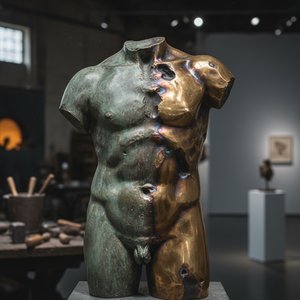
Bronz Heykelin Kalıcı Mirası: Tarih, Teknikler ve Çağdaş Yorumlar
Bronz heykelin tarihini, antik döküm tekniklerini ve çağdaş yorumlarını keşfedin. Uzman analizler, restorasyon bilgileri ve koleksiyon rehberleri ile sanat dünyasına adım atın. Sanat yatırımcıları için ideal kaynak!
