

 Önizle
 Gönder
 Paylaş
 Detaylar
 Rehber

 Dosyayı İndir
 Benzerleri
 X-Işını
 Slayt Gösterisi
 İstatistikler
Judith
 Tuval Üzerine Akrilik Boya
- Duvar Sanatı
- Venetian Renaissance
 1520
1520 82.0 x 65.0 cm
 Fondazione Querini Stampalia
 Devamını Oku
Giclée / Sanat Baskısı
Hızlı üretim ve esnek bitiş seçenekleriyle müze kalitesinde giclée veya kanvas baskı. ( El Yapımı Tablo Satın Al Dijital Görsel Satışına Geç)




P118B ₺10

P118H ₺10

P118W ₺10

P438Z ₺10

P508JH ₺12

P508YH ₺12

P805H ₺10

P805Z ₺10

P919BZ ₺10

P919G ₺10

P919XJ ₺10

P959ZH ₺10

P968JZ ₺12

W106C ₺8

W218G ₺10

W218JH ₺8

W218Y ₺10

W307PJ ₺10

W316G ₺10

W316PJ ₺8

W316Y ₺10

W398PJ ₺8

W4111J ₺10

W500HY ₺15

W500JH ₺15

W692G ₺12

W849H ₺8

W940BG ₺15

W953PJ ₺8




Eserin orijinal oranlarıyla uyumlu, önceden belirlenmiş boyutlarımız arasından seçim yapın.

Çerçevenize veya duvarınıza uygun olması için ihtiyacınız olan genişlik ve yüksekliği yazın. Bir baskı yalnızca kesilebilir, görselden daha büyük hale getirilemez; bu nedenle farklı bir formdaki boyut seçimi, görselin bir kısmının kaybına neden olur. Herhangi bir baskı yapmadan önce onaylamanız için size bir dijital taslak gönderiyoruz. Bu sayfada gösterilen resim gerçek kesimi göstermez — bunu yalnızca taslak gösterir.
Dünya Çapında Teslimat (); standart 4/5 hafta yerine 2 haftada. (25 Ekim)

Dünya Çapında Ücretsiz Ekspres Kargo

Yüksek Kaliteli Keten Tuval

Tam Nakliye Sigortası

Gümrük Vergisi İadesi Garantisi

Gerçek Renk Uyumu Garantisi

100 Günlük İade Koşulları (Sadece Üretim Hatalı Ürünler İçin)

%100 Para İade Garantisi

Toplu Alım Avantajı
 Cam seçeneği yalnızca 110 cm altındaki boyutlar için mevcuttur.

Judith
Giclée / Sanat Baskısı
Baskı Boyutu
-


Toplam Fiyat
₺ 3914
Vincenzo Catena’s Judith: A Venetian Echo of Classical Tragedy
Venetian Renaissance painter Vincenzo Catena (c. 1480 – 1531) stands as a fascinating figure within the artistic landscape of his era, blending influences from masters like Giovanni Bellini and Giorgione with burgeoning innovations spearheaded by Titian. While biographical details remain scarce—records concerning his upbringing are fragmentary—Catena’s legacy resides in a collection of religious paintings that capture the spirit of humanist thought prevalent during the period. This particular depiction of Judith – measuring 82 x 65 cm – exemplifies Catena's stylistic evolution and offers a compelling glimpse into Venetian artistic sensibilities around 1520.A Synthesis of Bellini’s Serenity and Giorgione’s Vision
Initially, Catena’s artistic approach mirrored the tranquil beauty championed by Giovanni Bellini, particularly evident in his Madonna portraits characterized by luminous color palettes and meticulous detail. The inscription on La Laura by Giorgione – where he was described as Giorgione's *colego* – underscores this formative connection, highlighting their shared stylistic sensibilities. However, Catena’s artistic journey took a decisive turn after Giorgione’s untimely death in 1510. This pivotal moment catalyzed his embrace of bolder compositional choices and expressive brushwork, mirroring the burgeoning dynamism championed by Titian. The resulting paintings demonstrate a sophisticated understanding of perspective and chiaroscuro—techniques perfected by Titian—resulting in dramatic visual impact.The Dramatic Narrative: Judith Before Holofernes
The painting portrays Judith, a biblical heroine famed for her cunning defiance of Assyrian King Holofernes’ siege of Jerusalem. Catena skillfully renders the scene with meticulous realism, focusing on Judith's unwavering gaze as she confronts Holofernes’ emissaries. Her posture exudes confidence and determination—a testament to Bellini’s influence in conveying psychological depth through gesture and expression. The gruesome decapitation of Holofernes – depicted with unflinching precision – serves as a stark reminder of the horrors endured by Jerusalem during that era, reflecting the broader anxieties surrounding political instability and religious persecution characteristic of Renaissance Italy.Symbolism and Artistic Technique: Venetian Mastery
Catena’s masterful technique—characterized by smooth glazing and subtle tonal gradations—is particularly noteworthy. He employs layering pigments to achieve a velvety surface texture and imbues the painting with an ethereal luminescence reminiscent of Bellini's luminous Madonna paintings. The use of red – prominently featured in Judith’s dress – symbolizes courage, nobility, and divine grace—themes frequently explored by Venetian artists during this period. Furthermore, Catena’s meticulous attention to anatomical accuracy aligns seamlessly with the humanist ideals that underpinned Renaissance art, demonstrating a profound respect for observation and representation.Emotional Resonance: A Portrait of Resilience
Beyond its technical brilliance, Judith embodies an enduring emotional resonance. The painting captures not merely a historical event but also the psychological fortitude required to resist oppression—a theme resonating powerfully across cultures and epochs. Catena’s depiction invites contemplation on themes of bravery, faith, and moral conviction. It stands as a testament to Venetian artistic prowess and continues to inspire viewers with its dramatic narrative and evocative visual language. This stunning reproduction captures the essence of Catena's vision, offering an exceptional opportunity to appreciate the grandeur of Renaissance art within your own home.Soru ve Cevaplar
"Judith" eserinin 1520 tarihli olması, Vincenzo Catena'in kariyerinin hangi dönemine denk gelmektedir?
1520 yılında yaratılan "Judith", Vincenzo Catena kariyerinin Mature Period dönemine aittir.
Vincenzo Catena imzalı "Judith" eserinin renk kompozisyonu nasıl kurgulanmıştır?
"Judith" eserinde, Beyan bir kontrast, Uyumlu Palet bir uyumla eşleşiyor.
Vincenzo Catena imzalı "Judith" sanatçının kendi ülkesinde mi bulunuyor?
Hayır - sanat eseri yurt dışında bulunmaktadır. Vincenzo Catena adlı sanatçının doğum yeri Italy iken, "Judith" eserinin orijinalini barındıran müze İtalya konumundadır.
Sanatçı Biyografisi
Vincenzo Catena: A Venetian Renaissance Painter
Life and Background
- Born in Venice, Italy around 1470, Vincenzo Catena was a painter of the Venetian Renaissance.
- Little is known about his early life or formal training. Records are scarce regarding his upbringing and initial artistic development.
- He was also sometimes referred to as Vincenzo de Biagio.
- Catena passed away in 1531, leaving behind a modest but significant body of work.
Artistic Development and Influences
- Initially, Catena’s style closely resembled that of Giovanni Bellini, a leading Venetian painter known for his serene Madonnas and refined technique.
- The earliest documented mention of Catena is an inscription on the back of La Laura by Giorgione, where he’s described as Giorgione's *colego* (colleague).
- However, it wasn’t until after Giorgione’s death in 1510 that his innovative influence began to manifest itself in Catena’s paintings.
- He also shows some influences from Titian, another prominent figure of the Venetian School, particularly in his use of color and composition.
Major Works and Style
- Approximately a dozen paintings are confidently attributed to Catena based on signatures.
- The Martyrdom of St. Christina (1520), located in the church of Santa Maria Mater Domini in Venice, is his most securely dated work thanks to an inscription on its marble surround.
- Other notable works include The Adoration of the Shepherds, and several depictions of the Madonna and Child with Saints and Donors.
- Catena’s paintings often feature religious scenes and portraits, characterized by a blend of Bellini's precision and Giorgione’s atmospheric qualities.
- His style is marked by detailed realism, warm color palettes, and rich symbolism, typical of Venetian Renaissance art.
Historical Significance and Legacy
- While not as widely celebrated as some of his contemporaries like Titian or Giorgione, Catena played a role in the development of Venetian painting during a crucial period.
- His work demonstrates the transition between the High Renaissance and the emerging Mannerist styles.
- Wills left by Catena reveal he was a man of considerable wealth and had connections within Venetian humanist circles, suggesting his artistic success extended beyond purely aesthetic recognition.
- Today, Vincenzo Catena’s paintings are valued for their historical importance and offer insights into the artistic landscape of 16th-century Venice.
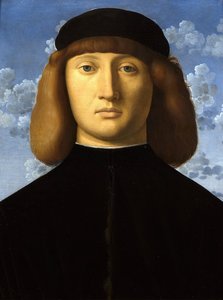
Vincenzo Catena
1470 - 1531 , Italy
Kısa Bilgiler
- Name: Vincenzo Catena
- Movement: Renaissance, Venetian School
- Birth Date: 1470
- Death Date: 1531
- Birth Place: Venice, Italy
- Nationality: Italian
- Date Of Birth: 1470
- Date Of Death: 1531
- Influenced By:
- Giovanni Bellini
- Giorgione
- Notable Works:
- Santa Cristina Altarpiece
- The Adoration of the Shepherds
- Madonna and Child with a Holy Female Martyr, Saint Francis of Assisi and the Donor
- Place Of Birth: Venice, Italy
İlgili Yazılar

Venetian Renaissance: The Golden Age of Color, Light, and Luminous Artistry
Embark on a journey through the Venetian Renaissance. Discover how masters like Giorgione and Titian revolutionized art through luminous color and light. Explore the profound legacy of the Venetian School and its enduring influence on the world of fine art.

Venetian Renaissance: The Mastery of Color, Light, and the Art of Colorito
Explore the luminous mastery of the Venetian Renaissance. Discover how masters like Titian and Giorgione revolutionized art through colorito, light, and atmosphere. An expert guide to the golden age of Italian painting for collectors and enthusiasts.

Giorgione: Enigma and Innovation in Early Venetian Renaissance Painting
Explore the enigmatic world of Giorgione, a pivotal figure in the Venetian Renaissance. Discover his innovative techniques, iconic paintings like 'The Tempest', and lasting influence on art history. Learn more at OriginalUniqueArt.
Titian: Innovation, Technique & the Venetian Renaissance Portrait Tradition
Explore the revolutionary techniques & enduring legacy of Titian, the master of Venetian Renaissance portraiture. Discover insights for collectors & appreciate his impact on art history.

The Golden Light of Innovation: Exploring the Venetian Renaissance Art Movement (1430–1580)
Explore the Golden Age of Venetian art (1430–1580). Discover Giorgione, Titian & Tintoretto's techniques, the 'colorito' revolution, and lasting influence. Expert insights for collectors & enthusiasts.
