

 Önizle
 Gönder
 Paylaş
 Detaylar
 Rehber

 Dosyayı İndir
 Benzerleri
 X-Işını
 Slayt Gösterisi
 İstatistikler
Figure


 Devamını Oku
Giclée / Sanat Baskısı
Hızlı üretim ve esnek bitiş seçenekleriyle müze kalitesinde giclée veya kanvas baskı. ( El Yapımı Tablo Satın Al Dijital Görsel Satışına Geç)




P118B ₺10

P118H ₺10

P118W ₺10

P438Z ₺10

P508JH ₺12

P508YH ₺12

P805H ₺10

P805Z ₺10

P919BZ ₺10

P919G ₺10

P919XJ ₺10

P959ZH ₺10

P968JZ ₺12

W106C ₺8

W218G ₺10

W218JH ₺8

W218Y ₺10

W307PJ ₺10

W316G ₺10

W316PJ ₺8

W316Y ₺10

W398PJ ₺8

W4111J ₺10

W500HY ₺15

W500JH ₺15

W692G ₺12

W849H ₺8

W940BG ₺15

W953PJ ₺8




Eserin orijinal oranlarıyla uyumlu, önceden belirlenmiş boyutlarımız arasından seçim yapın.

Çerçevenize veya duvarınıza uygun olması için ihtiyacınız olan genişlik ve yüksekliği yazın. Bir baskı yalnızca kesilebilir, görselden daha büyük hale getirilemez; bu nedenle farklı bir formdaki boyut seçimi, görselin bir kısmının kaybına neden olur. Herhangi bir baskı yapmadan önce onaylamanız için size bir dijital taslak gönderiyoruz. Bu sayfada gösterilen resim gerçek kesimi göstermez — bunu yalnızca taslak gösterir.
Dünya Çapında Teslimat (); standart 4/5 hafta yerine 2 haftada. (23 Ekim)

Dünya Çapında Ücretsiz Ekspres Kargo

Yüksek Kaliteli Keten Tuval

Tam Nakliye Sigortası

Gümrük Vergisi İadesi Garantisi

Gerçek Renk Uyumu Garantisi

100 Günlük İade Koşulları (Sadece Üretim Hatalı Ürünler İçin)

%100 Para İade Garantisi

Toplu Alım Avantajı
 Cam seçeneği yalnızca 110 cm altındaki boyutlar için mevcuttur.

Figure
Giclée / Sanat Baskısı
Baskı Boyutu
-


Toplam Fiyat
₺ 3909
A Symphony of Motion: Unveiling Umberto Boccioni’s “Figure”
Umberto Boccioni's "Figure," painted in 1912, isn’t merely a depiction of a human form; it’s an embodiment of the Futurist ethos—a fervent celebration of dynamism, speed, and the fractured beauty of modern life. This artwork, rendered against a striking blue backdrop, immediately commands attention with its bold lines, fragmented composition, and palpable sense of movement. It's a window into the revolutionary artistic spirit that defined early 20th-century Italy, offering a glimpse into the mind of one of its most influential figures.
Boccioni’s approach to painting during this period was radically different from the established traditions of academic art. He rejected static representation in favor of capturing the fleeting essence of experience—the sensation of movement and change. “Figure” exemplifies this perfectly, utilizing a technique that anticipates elements of Cubism while firmly rooted within the tenets of Futurism. The figure itself is not presented as a solid, unified entity but rather as a collection of intersecting planes and angles, suggesting an ongoing process of becoming. This deliberate deconstruction mirrors the Futurist fascination with industrialization and the breakdown of traditional forms in the face of technological advancement.
The Language of Futurism
To truly understand “Figure,” one must appreciate the context of its creation – the explosive rise of Futurism. Spearheaded by Filippo Tommaso Marinetti in 1909, this movement rejected the past as a source of stagnation and embraced the future with unbridled enthusiasm. Futurist artists sought to capture the energy of machines, the speed of automobiles, and the dynamism of urban life. They celebrated violence, war, and all that was new and exciting. Boccioni, deeply involved in the movement, translated these ideals onto canvas, employing techniques designed to convey a sense of velocity and instability.
The use of color is particularly significant. The dominant blue serves not as a neutral background but rather as an active element, contributing to the overall feeling of motion. It’s a cool, almost vibrating hue that seems to push forward, drawing the viewer's eye into the fragmented form of the figure. Notice how the lines themselves are not smooth or continuous; they are broken and angular, mimicking the sharp edges of machinery and the fractured perspectives of modern urban landscapes. This deliberate disruption of traditional perspective was a key element of Futurist aesthetics – a rejection of illusionism in favor of conveying an immediate, visceral experience.
Symbolic Resonance and Emotional Impact
While “Figure” resists easy interpretation, it’s clear that the artist is exploring themes of transformation and dynamism. The elongated tail, reminiscent of a fish or perhaps a bird in flight, suggests movement, fluidity, and an escape from earthly constraints. It could be interpreted as representing the individual's journey through the complexities of modern life—a constant state of flux and change. The figure’s posture is ambiguous; it appears to be caught in a moment of transition, neither fully grounded nor entirely airborne.
Despite its fragmented composition, “Figure” evokes a powerful emotional response. It's not simply a depiction of an object or person but rather a representation of the *feeling* of movement—the exhilaration and disorientation that accompany rapid change. The artwork’s bold lines and vibrant colors create a sense of urgency and excitement, inviting the viewer to participate in this dynamic visual experience. It’s a testament to Boccioni's ability to capture the spirit of his time – a period of unprecedented technological advancement and social upheaval.
A Legacy of Innovation
Umberto Boccioni’s “Figure” stands as a pivotal work in the history of modern art. Its innovative use of line, color, and composition paved the way for subsequent movements such as Cubism and Constructivism. Reproductions of this artwork offer a unique opportunity to experience the energy and dynamism of Futurist aesthetics firsthand. OriginalUniqueArt’s hand-painted reproductions faithfully capture the original's intensity and detail, allowing you to bring this revolutionary masterpiece into your home or office – a vibrant reminder of a time when artists dared to challenge convention and embrace the future.
Soru ve Cevaplar
"Figure" eseri telif hakkından muaf mı?
Umberto Boccioni imzalı "Figure" için telif hakkı durumu: eser kamu malıdır - telif hakkı süresi dolmuştur kapsamındadır. Bu durum, görüntünün çoğaltmalarının serbestçe yapılıp yapılamayacağını belirler.
Umberto Boccioni imzalı "Figure" eserinin el boyaması bir reprodüksiyonunu nereden satın alabilirim?
"Figure", keten kanvas üzerine el boyaması yağlı boya reprodüksiyon olarak temin edilebilir. Siparişinizi farklı boyut seçenekleriyle birlikte El Boyası Reproduksiyon sayfasından verebilirsiniz.
"Figure" (1912), Umberto Boccioni kariyerinin hangi dönemine ait?
1912 yılında yaratılan "Figure", Umberto Boccioni kariyerinin Early Futurism dönemine aittir.
Sanatçı Biyografisi
Hareketin Demir Yolu: Umberto Boccioni’nin Devrimci Vizyonu
Umberto Boccioni, 1882'de Reggio Calabria'da doğmuş, İtalyan Fütürist hareketinin öncü figürlerinden biriydi – sanatsal gelenekleri parçalamayı ve modern dünyanın dinamizmini kucaklamayı amaçlayan bir güç. Hayatı, otuz üç yaşında trajik bir şekilde kesilmiş olmasına rağmen, ilerleme, hız ve makine çağının büyüleyici enerjisine dair bu ateşli inancın bir kanıtı haline geldi. Boccioni’nin ilk yılları, babasının memuriyeti nedeniyle sürekli olarak değişen yerleşimlerle işaretlenmişti; bu durum ona çeşitli manzaralar sergileyerek içinde huzursuz bir ruh aşıladı. Bu göçebe varoluş nihayetinde onu Roma'ya götürdü; burada başlangıçta dekoratif sanatlar alanında eğitim almadan önce resme yöneldi ve o dönemde Liberty tarzı poster sanatçılarından etkilenerek sanatsal gelişimini şekillendirdi. Ancak, Filippo Tommaso Marinetti’nin yazılarını tetikleyen Fütürizm ile karşılaşması onun sanatsal yolculuğunu gerçekten alevlendiren şey oldu.Fırtınaya Katılmak: Bir Fütüristin Yükselişi
1910 yılı Boccioni için dönüm noktası oldu. *Pittori Futuristi Manifestosu*’nu imzalayarak, teknolojiyi, hızı ve hatta şiddeti modernliğin sembolleri olarak kutlayan bir harekete bağlılığını pekiştirdi. Bu sadece estetik bir seçim değildi; geleneklerin ağırlığına karşı felsefi bir başkaldırıydı; belirsiz bir geleceğe doğru hızla ilerleyen bir dünyanın özünü yakalama arzusu. Boccioni hızla Fütürizm’in en yetkin teorisyenlerinden biri haline geldi, Marinetti'nin ilk ilanlarını genişleterek bunları görsel sanatlara uyguladı. Geleneksel temsili doğruluğun tamamen terk edilmesi gerektiğini savunarak, nesnelerin nasıl göründüğünü değil, hareket halinde nasıl hissettiklerini ileten resimleri savundu – hızın duyumu, biçimin parçalanması ve kentsel yaşamın ezici enerjisi. Erken dönem eserleri, hala Empresyonist ve Bölünmecilik etkilerini taşısa da, bu büyüyen dinamizm takıntısını göstermeye başladı. *Şehir Yükseliyor* (1910-1911) gibi eserler, devasa boyutları ve hırsıyla modern bir metropolün kaotik inşaatını tasvir ediyor – insan figürleri, binalar ve makinelerden oluşan girdap eden bir girdap; Fütürist ideali somutlaştırıyor.Gerçeğin Parçalanması: Teknik ve Temalar
Boccioni’nin sanatsal gelişimi giderek daha radikal bir yaklaşımla karakterize edildi. Geleneksel perspektif ve kompozisyon kavramlarından uzaklaşarak, hareketi ve enerjiyi iletmek için parçalanmayı bir araç olarak benimsedi. Nesneler bileşenlerine ayrıldı, kuvvet çizgileri dışa doğru yayıldı ve renkler girdap eden desenlerde karıştırıldı – bunların hepsi görsel titreşim duygusu yaratmak için tasarlandı. Bu parçalanma sadece stilistik değil; gerçekliğin kendisinin akışkan ve sürekli değişen olduğuna dair Boccioni’nin inancına kök salmıştı. Nesnelerin statik görünümünü değil, dinamik özünü temsil etmeye çalıştı. Dinamizm, modernliğin kutlanması ve enerji ile hareketi ifade etmek için insan vücudunun kullanımı gibi temel temalar bütün eserlerinde ortaya çıktı. Bu, *İnsan Vücudunun Dinamiği* (1913) eserinde güçlü bir şekilde örneklendi; burada bir figür katı bir biçim olarak değil, uzayda hareketin bir serisi olarak gösterilen parçalanmış şekillerden oluşuyor. Belki de onun en ikonik yaratımı olan *Uzayda Devamlılık Formları* (1913), boyayı tamamen aşan bir bronz heykel; Fütürist ideali nefes kesici bir güçle somutlaştırıyor. Figür, durdurulamaz bir ivme duygusu veren uzatılmış ve çarpıtılmış uzuvlar ve gövdeyle ortasında yakalanmış gibi görünüyor.Mirası ve Kalıcı Etkisi
1916'daki I. Dünya Savaşı sırasında Boccioni’nin erken ölümü, sanat dünyasını gerçekten vizyoner bir yeteneğin kaybına uğrattı. Ancak fikirleri ve eserleri ölümünden çok sonra bile yankılanmaya devam etti. Sadece sonraki Fütürist sanatçıları değil, aynı zamanda Konstrüktivizm ve Soyut İfadecilik gibi hareketleri de derinden etkiledi. Hareketin, dinamizmin ve modern yaşamın temsilinin keşfi, geleneksel güzellik ve temsiliyet kavramlarını zorlayarak yeni sanatsal ifade biçimleri için öncü oldu.- Etkiler: Giacomo Balla’nın Bölünmecilik teknikleri, Kübizm'in formun parçalanması ve Nietzsche’nin felsefi yazıları.
- Önemli Eserler: *İnsan Vücudunun Dinamiği*, *Uzayda Devamlılık Formları*, *Şehir Yükseliyor*, *Bisikletçinin Dinamiği*.
- Tarihi Önem: 20. yüzyıl sanatında kilit bir figür olan Boccioni sanatsal gelenekleri zorladı ve modern sanatın seyrini şekillendirmeye yardımcı oldu. Hareket ve hareketin temsiline ilişkin teorileri bugün de sanatçıları ilham vermeye devam ediyor.
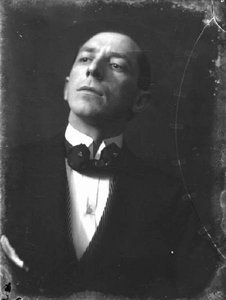
Umberto Boccioni
1882 - 1916 , İtalya
Kısa Bilgiler
- Artistic Movement Or Style: Fütücülük
- Artists Or Movements Influenced By This Artist:
- Konstrüktivizm
- Soyut Ekspresyonizm
- Artists Who Influenced This Artist:
- Giacomo Balla
- Divisionizm
- Kübizm
- Date Of Birth: 19 Ekim 1882
- Date Of Death: 17 Ağustos 1916
- Full Name: Umberto Boccioni
- Nationality: İtalyan
- Notable Artworks:
- The City Rises
- Dynamism of a Cyclist
- Unique Forms of Continuity
- Dynamism of a Human Body
- Place Of Birth: Reggio Calabria, İtalya
İlgili Yazılar

Serene Blue Backgrounds: Discover Soulful Art to Transform Your Space with Timeless Elegance
Transform your home with soulful blue art. From serene Monet impressions to modern textured sculptures, discover curated masterpieces designed to inspire calm. Explore expert art consultations and bespoke hand-painted reproductions to create your personal sanctuary.
The Allure of Azure: Exploring the Symbolic & Aesthetic Depths of Blue in Art History
Explore the rich history of blue in art! Discover its symbolism, from ancient pigments to modern masterpieces by Kandinsky & Seurat. Uncover the psychological impact and cultural meanings behind this captivating hue.

Umberto Boccioni: Dynamism, Futurist Ideals & the Evolution of Modern Sculpture
Explore the revolutionary art of Umberto Boccioni, a leading figure of Futurism. Discover his iconic sculptures & paintings, and delve into the movement's impact on modern art history with OriginalUniqueArt.

Speed, Power, and Motion: A Journey Through the Energetic Soul of Futurism
Explore the exhilarating energy of Futurism. From Italian dynamism to Russian Cubo-Futurism, journey through a masterclass in speed, power, and motion in art history with our expert cultural reflections.

Slate Blue Masterpieces: 10 Iconic Paintings & Timeless Home Decor Ideas
Immerse yourself in the captivating world of slate blue! Explore 10 iconic paintings by Monet, Van Gogh & Renoir. Discover their stories, techniques & find museum-quality art reproductions for your home at .


