Romanticism · 1905
Venice (Thomas Moran, 1905)
Venice, Thomas Moran (1837–1926) tarafından yapıldı. 1905 yılına aittir. Romanticism akımına aittir. Oil On Canvas ile yapılmıştır.
- 1905
- Oil On Canvas

 Gerçek Boyutta Önizle

 El Yapımı Yağlı Boya Tablo
 Paylaş
 Paylaş
 Bilgi formu


 İndir
 Benzer ürünler
 X-Işını
 Slayt Gösterisi
 Soru & Cevap

 İstatistikler
Venice hakkında kısa bilgi
- Başlık
- Venice
- Sanatçı
- Thomas Moran (1837–1926)
- Sanatçının doğum yeri
- Bolton, Birleşik Krallık
- Tarih
- 1905
- Teknik
- Oil On Canvas
- Akım
- Romanticism
- Dönem
- 19th Century
- Konu
- venetian landscape, sunset reflections, gondola scene, bell tower view, golden light effect, coastal italy art
Venice neyi betimliyor?
Identification of the Artwork and Artist
This work, titled Venice, was painted by Thomas Moran in 1905. It offers a quiet glimpse into the Venetian landscape, capturing a specific moment of light and activity along the waterways. The artist, who was born in Bolton, United Kingdom, on February 12, 1837, brought a unique perspective to this European setting, moving away from the rugged terrains of his earlier career to focus on the atmosphere of the Italian coast. He remained active in his craft until his death in 1926.
Moran’s presence in the art world was marked by a transition from the meticulous precision of wood-engraving to a more fluid, emotive application of oil. In this particular piece, his ability to handle color and light is central to the work's character. The scene focuses on the interaction between the architecture of the city and the movement of the water, rendered with a sensitivity to the shifting qualities of the sky and its reflections.
The Composition and Visual Elements
The scene unfolds through a broadly horizontal composition, emphasizing the quiet expanse of the Venetian waterway. In the foreground, a sandy bank provides a grounded entry point to the work, where several individuals are gathered. These figures appear engaged in quiet, everyday tasks, perhaps collecting shells or fishing, which lends a sense of lived-in reality to the setting. The water itself is tranquil, reflecting the soft, golden light of a sunset that bathes the entire landscape in warm hues.
Moving into the middle ground, several gondolas drift across the surface, their dark forms cutting through the shimmering reflections. These boats, occupied by various figures, add a rhythmic movement to the water without disturbing its inherent peace. The architecture of the city lines the edges of the canal, providing a structured boundary to the liquid path. In the distance, a prominent campanile rises above the rooftops, anchoring the composition and providing a sense of vertical depth against the low horizon.
The arrangement of elements creates a deep perspective, drawing the eye from the active shoreline toward the softer, hazy details of the distant cityscape. The interplay of light and shadow is central here, as the setting sun casts long shadows and illuminates the textures of the water and stone. It is a study of atmosphere and the quietude of Venetian life at dusk.
Technique and Artistic Style
The work is executed in oil, utilizing a technique that leans toward Romanticism. Moran employs loose brushwork to define the movement of the water and the soft edges of the distant architecture. These fluid and expressive lines allow the forms of the gondolas and the buildings to merge subtly with the surrounding atmosphere. There is a palpable sense of air and light, achieved through a sophisticated use of atmospheric perspective that recedes into the distance.
The lighting is central to the composition, casting a strong sunset glow across the scene. This warmth illuminates the water's surface and the sandy bank in the foreground, creating long shadows that anchor the figures and boats within the landscape. The interplay of this golden light with the organic shapes of the canal creates a quiet, luminous presence. The texture of the paint is visible, lending a physical depth to the depiction of the Venetian waterway.
Related Works by Thomas Moran
Moran’s fascination with the Venetian landscape is evident through several other studies of the city. He captured the movement of the canals in The Gate of Venice in 1895, a work that focuses on the rhythm of gondolas and the activity of people within the waterways. His interest in the city's atmosphere also led him to explore its nocturnal character. In 1898, he produced Moonlight in Venice, which examines the interplay between light and shadow under a lunar glow, and he also painted Venice during that same year.
The artist continued to return to these maritime settings, later producing Grand Canal, Venice in 1906. These various iterations show a persistent preoccupation with how light settles upon the liquid surfaces and the stone architecture of the Adriatic. His approach to the subject matter shifted between the lively, active scenes of the canals and more quiet, contemplative studies of the water and its reflections.
Venice için yüksek çözünürlüklü görseller
Kamu malı: sanatçı 1926 yılında vefat etmiştir.
Thomas Moran, Venice (1905). Kamu malı.
Venice hakkında sorular ve cevaplar
Thomas Moran imzalı "Venice" hangi tarihte yapılmıştır?
Thomas Moran imzalı "Venice" eserinin yapım tarihi 1905 olarak kaydedilmiştir.
"Venice" hangi teknikle yapılmıştır?
"Venice", Oil On Canvas kullanılarak icra edilmiştir.
"Venice" neyi betimliyor?
Thomas Moran imzalı "Venice" eserinde yer alan temalar venetian landscape, sunset reflections, gondola scene, bell tower view, golden light effect, coastal italy art, romantic venice unsurlarını içermektedir. Bunlar birlikte, eserin konu içeriğini özetlemektedir.
Thomas Moran imzalı "Venice" kamu malı mı?
Thomas Moran imzalı "Venice" için telif hakkı durumu: eser kamu malıdır - telif hakkı süresi dolmuştur kapsamındadır. Bu durum, görüntünün çoğaltmalarının serbestçe yapılıp yapılamayacağını belirler.
"Venice" eserinin yaratıcısı kim?
"Venice", Thomas Moran tarafından yaratılmıştır. Bu sayfadaki bilgiler Thomas Moran imzalı orijinal esere aittir.
"Venice" hangi sanat akımına aittir?
Thomas Moran imzalı "Venice", Romanticism akımına aittir. Bu akım, eserin üslup bağlamını sunmaktadır.
"Venice" adlı eser, Thomas Moran'in sanat kariyerinin hangi dönemini temsil ediyor?
"Venice", Thomas Moran kariyerinin Mature Period dönemine aittir. Bu sınıflandırma, eseri sanatçının gelişim süreciyle ilişkilendirir.
Thomas Moran, "Venice" eserini kaç yaşında yaptı?
"Venice" adlı eser 1905 yılında yaratıldığında, 1837 yılında doğan Thomas Moran, 68 yaşındaydı.
Thomas Moran imzalı "Venice" adlı eser kamu malı mıdır ve neden?
Thomas Moran imzalı "Venice" adlı eser kamu malıdır - telif hakkı süresi dolmuştur statüsündedir. Telif hakları süresi sanatçının ölüm tarihinden itibaren hesaplanmaktadır ve Thomas Moran, 1926 yılında vefat etmiştir.
Sanatçı hakkında, Thomas Moran

1837–1926, Birleşik Krallık
Thomas Moran
Erken Yaşam, Aile ve Sanatsal Eğitim 12 Şubat 1837 tarihinde, İngiltere'nin Lancashire bölgesindeki Bolton şehri, Thomas Moran'ın dünyaya gelişine tanıklık eder. Thomas Moran Sr. ve Mary Higson çiftinin evladı olarak hayata gözlerini açan sanatçının yaşamındaki dengeler, 1844 yılında köklü bir değişim yaşar. Henüz yedi yaşındayken, ailesiyle birlikte Atlas Okyanusu'nun ötesinde, bambaşka bir yaşamın kapılarını aralamak üzere doğduğu topraklardan ayrılarak Amerika Birleşik Devletleri'ne doğru yola çıkar.
Thomas Moran Hakkında Thomas Moran tarafından yapılmış öne çıkan eserler
Thomas Moran tarafından yapılan diğer eserler
 The Teton Range1897
 East Moriches1900
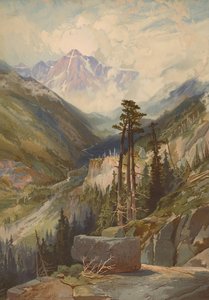 The Mountain of the Holy Cross, Colorado1876
 Fingal's Cave, Island of Staffa, Scotland1884
Venice üzerine denemeler
 Masterpieces of the Dutch Golden Age: Top 25 Jan van Goyen ArtworksExplore 25 iconic Jan van Goyen masterpieces of the Dutch Golden Age. Discover the beauty of tonal landscapes on OriginalUniqueArt.com.
 Reflections of Venice: The Mastery of Canal Scene Painting from Canaletto to ImpressionismTrace the evolution of Venetian canal scenes from Canaletto to Monet. Explore this masterclass in art history now.
 20th century British paintersIconic 20th century British art from David Hockney to Henry Moore. Explore the full collection online at OriginalUniqueArt.com.