

 Önizleme yap
 Paylaş
 Paylaş
 Detayları Gör

 İndir
İndir
 Benzerlerini gör
 X-Işını
 Slayt Gösterisi
Şehitlerin Başı


 Tümünü Gör
Giclée / Sanat Baskısı
Hızlı üretim ve esnek bitiş seçenekleriyle müze kalitesinde giclée veya kanvas baskı. ( El yapımı tablo satın al Görsel satın al)




P118B $10

P118H $10

P118W $10

P438Z $10

P508JH $12

P508YH $12

P805H $10

P805Z $10

P919BZ $10

P919G $10

P919XJ $10

P959ZH $10

P968JZ $12

W106C $8

W218G $10

W218JH $8

W218Y $10

W307PJ $10

W316G $10

W316PJ $8

W316Y $10

W398PJ $8

W4111J $10

W500HY $15

W500JH $15

W692G $12

W849H $8

W940BG $15

W953PJ $8




Eserin orijinal oranlarıyla uyumlu, önceden belirlenmiş boyutlarımız arasından seçim yapın.

Belirli bir çerçeveye veya alana uyması için kendi ölçülerinizi girebilirsiniz. Seçtiğiniz boyut orijinal görüntünün oranlarıyla eşleşmiyorsa, sanat eserini kırpacağız veya görüntüyü aynalanmış ya da düz dolgulu bir kenarlıkla genişleteceğiz. Üretim başlamadan önce onayınız için bir dijital taslak gönderilecektir.
Lütfen ekrandaki önizlemenin gerçek kırpma veya genişletmeyi yansıtmadığını unutmayın. Nihai kompozisyonu yalnızca taslak doğru bir şekilde gösterecektir.
Özel boyutlar mevcut olsa da, orijinal oranları korumak için önceden tanımlanmış listeden bir boyut seçmenizi öneririz.
Dünya Çapında Teslimat (); standart 4/5 hafta yerine 2 haftada. (22 Ağustos)

Dünya Çapında Ücretsiz Ekspres Kargo

Yüksek Kaliteli Keten Tuval

Tam Kapsamlı Nakliye Sigortası

Gümrük Vergisi İade Garantisi

Gerçek Renk Uyumu Garantisi

60 Günlük İade Politikası (Sadece Kusurlu Ürünler İçin)

%100 Para İade Garantisi

Toplu Alım İndirimi
 Cam seçeneği yalnızca 110 cm altındaki boyutlar için mevcuttur.

Şehitlerin Başı
Giclée / Sanat Baskısı
Reproduksiyon Boyutu
-


Toplam Tutar
$ 80
Eser Açıklaması
Teotihuacan’s Great Goddess: A Vision of Fertility and Cosmic Order
The Tepantitla murals—a breathtaking testament to Teotihuacan’s artistic prowess—present us with an enigmatic figure that has captivated scholars for decades. Known as the Great Goddess, this deity embodies a profound understanding of Mesoamerican cosmology and represents far more than just a stylized depiction of femininity; she is arguably the cornerstone of Teotihuacan’s spiritual worldview. Painted in vibrant hues of ochre, turquoise, and crimson on monumental walls, these frescoes depict a complex tableau reflecting the cyclical rhythms of life and death—a visual echo of the Aztec belief system that would later dominate Mesoamerica.- Style: The murals exemplify Teotihuacan’s distinctive artistic style, characterized by bold geometric patterns interwoven with intricate floral motifs. Artists skillfully employed encaustic painting—a technique combining beeswax resin and pigment—creating surfaces remarkably durable and retaining their brilliance over centuries.
- Technique: Encaustic was favored for its ability to fuse pigments directly onto the plaster surface, resulting in an unparalleled level of detail and luminosity. The meticulous layering of colors achieved through multiple applications of encaustic demonstrates a mastery of pigment manipulation that rivals techniques practiced by European artists during the Renaissance.
Symbolism: Seeds of Creation and Divine Femininity
The Great Goddess’ iconography is laden with symbolic significance. Dominating the central panel, she wears a headdress adorned with a bird—typically interpreted as an owl or quetzal—representing wisdom and vigilance. Below the headdress hangs a pendant featuring three descending fangs, symbolizing power and regeneration – mirroring the Aztec deity Huītzilōpōchtli’s role as protector god. The goddess' hands extend outwards offering water and jade treasures, representing nourishment and abundance—essential elements of Teotihuacan’s agricultural economy and spiritual beliefs. Furthermore, the presence of spiders—a recurring motif throughout Teotihuacan art—suggests a connection to fertility and transformation, reflecting the Aztec understanding of the cosmos as an interconnected web of life.Historical Context: A Precursor to Aztec Mythology
Teotihuacan’s artistic legacy extends far beyond its immediate surroundings. The Great Goddess’ imagery foreshadowed similar depictions found in later Mesoamerican cultures, notably the Aztec Pantheon. While Teotihuacan’s influence on Aztec religion is debated, the shared symbolism—particularly the bird headdress and the fangs—indicates a continuity of cosmological ideas across millennia. This artistic tradition speaks to the enduring fascination with themes of creation, duality, and divine feminine power that permeate Mesoamerican spirituality.Emotional Impact: Reverence for Life’s Cycle
Looking upon these murals is akin to gazing into the heart of Teotihuacan’s spiritual imagination. The vibrant colors evoke a sense of awe and wonder, transporting viewers back to a time when humanity perceived the universe as governed by divine forces—forces that nurtured life and ensured its continuation. The Great Goddess embodies not merely beauty but also profound reverence for the cyclical rhythms of existence—a message that resonates powerfully with contemporary audiences seeking inspiration from ancient civilizations.Sanatçı Özgeçmişi
Teotihuacan: A Legacy in Stone
Teotihuacan represents not an individual artist, but a powerful ancient Mesoamerican city and civilization that flourished in what is now Mexico. This biography explores its rise, achievements, and enduring legacy.
Origins and Historical Context
Located in the Valley of Mexico, approximately 40 kilometers (25 miles) northeast of modern-day Mexico City, Teotihuacan began as a religious center around 100 BCE. Its major monuments were continuously constructed until roughly 250 CE. The city reached its zenith between 150 and 450 CE, becoming the largest in the Americas with an estimated population exceeding 125,000.
Urban Planning and Architecture
Teotihuacan was meticulously planned, showcasing advanced urban design. Key features included:
- The Avenue of the Dead: A central thoroughfare stretching over a mile long, flanked by monumental structures.
- Pyramid of the Sun: One of the largest buildings in Mesoamerica, likely dedicated to a deity associated with solar power.
- Pyramid of the Moon: Situated at the northern end of the Avenue of the Dead, possibly dedicated to a lunar or fertility goddess.
- Residential Compounds: Complex multi-family dwellings accommodating a significant portion of the population.
Artistic Style and Themes
Teotihuacan art is characterized by:
- Monumental Murals: Vibrant, well-preserved murals depicting religious iconography, deities, and cosmological beliefs. These murals provide invaluable insights into Teotihuacan worldview.
- Sculptural Representations: Stone sculptures of gods, animals, and human figures, often adorned with elaborate headdresses and ornamentation.
- Obsidian Craftsmanship: The city was a major producer of finely crafted obsidian tools and artifacts, traded throughout Mesoamerica.
Influences and Cultural Impact
Teotihuacan exerted considerable influence over much of Mesoamerica:
- Religious Beliefs: Its pantheon of deities and cosmological concepts spread to other cultures, including the Maya.
- Architectural Styles: Teotihuacan’s architectural innovations influenced building designs in various regions.
- Trade Networks: The city controlled extensive trade routes, distributing obsidian, pottery, and other goods across a wide area.
Decline and Collapse
The reasons for Teotihuacan's decline remain debated. Around 550 CE, the city experienced widespread destruction, with its major monuments sacked and burned. Possible contributing factors include:
- Internal Strife: Social unrest or political instability may have weakened the city’s foundations.
- Environmental Factors: Prolonged drought or other environmental changes could have disrupted agricultural production.
- External Invasion: Although evidence is limited, some scholars suggest an external invasion played a role.
Legacy and Historical Significance
Despite its eventual collapse, Teotihuacan left an indelible mark on Mesoamerican history:
- Inspiration for Later Cultures: The Aztecs revered Teotihuacan as a sacred city, claiming ancestry with its inhabitants.
- Archaeological Insights: Ongoing archaeological research continues to reveal new information about this fascinating civilization.
- A Testament to Human Ingenuity: Teotihuacan stands as a remarkable example of urban planning, artistic achievement, and cultural complexity in the pre-Columbian Americas. Its ruins continue to captivate and inspire awe today.

teotihuacan
Mexico
Kısa Bilgiler
- Birth_Place: Mexico
- Influenced:
- Aztec civilization
- Maya civilization
- Movement: Pre-Columbian Mesoamerican
- Name: Teotihuacan
- Nationality: Mexican
- Notable Works:
- Pyramid of the Sun
- Pyramid of the Moon
- Avenue of the Dead
- Mural fragments (Feathered Serpent)
İlgili Makaleler
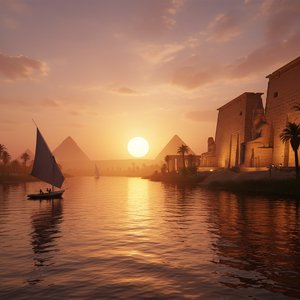
Golden Hour on the Nile: Symbolism & Artistic Legacy of Egyptian Sunsets
Explore the rich symbolism of Egyptian sunset paintings & their artistic legacy. Discover how color, ritual, and landscape shaped ancient beliefs – a guide for discerning collectors.

Sun-Drenched Masterpieces: Capturing the Golden Glow of Summer in Fine Art
Embark on a visual journey through the golden glow of summer fine art. Discover how masters captured sunlight through Impressionism and landscape painting. Explore premium hand-painted reproductions and expert curation for your collection.

Sun-Drenched Masterpieces: A Visual Journey Through the Iconic Art of Arles
Embark on a visual journey through the sun-drenched landscapes of Arles. Discover how Van Gogh captured the golden light of Provence through iconic Post-Impressionist masterpieces and explore the enduring legacy of these textured, emotive works of art.

Timeless Echoes: Capturing the Majesty of Ancient Ruins through the Lens of Fine Art History
Explore the profound beauty of ancient ruins through fine art history. Discover how masters like Pannini captured Roman grandeur, and learn how to bring this timeless architectural majesty into your home with museum-quality, hand-painted oil reproductions.
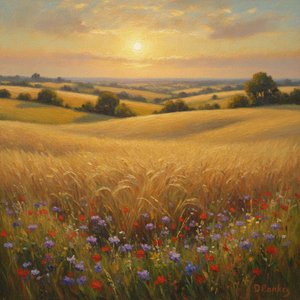
Golden Fields & Sun-Drenched Meadows: Capturing the Soul of Impressionist Landscapes
Immerse yourself in the luminous world of Impressionist landscapes. Discover how masters like Monet and Gauguin captured ephemeral light through plein air painting, and learn to bring the soul of sun-drenched meadows into your home with exquisite, hand-painted oil reproductions.


