
 Gerçek Boyutta Önizle
 Paylaş
 Paylaş
 Detayları Gör
 Rehber

 İndir
İndir
 Benzer ürünler
 X-Işını
 Slayt Gösterisi
 Soru & Cevap
 İstatistikler
Giara II

 Tümünü Gör
Web önizlemesinin çok ötesinde, baskıya hazır bir dosya edinin. Sattığımız her dijital görüntü, stok veri tabanımızdaki yüksek çözünürlüklü bir ana dosyadan —genellikle 5.000 ila 15.000 piksel genişliğinde— gelir; böylece büyük boyutlarda baskı alabilir, dar kırpmalar yapabilir veya ince detayları güvenle yeniden üretebilirsiniz.
Stüdyomuzdan çıkan hiçbir dosya işlenmeden çıkmaz. Bir dijital uzman, renkleri orijinal tabloyla karşılaştırarak kontrol eder ve gerekirse düzeltir; ardından profesyonel rötuş araçlarıyla netliği ve detayları artırır — bunu yaparken her zaman sanatçının fırça darbelerine ve üslubuna sadık kalır. Sonuç, filtrelenmiş bir tarama gibi değil, bizzat tablonun kendisi gibi görünen bir görüntüdür.
İşlem tamamlanmadan önce onayınız alınır: Uzmanımız, incelemeniz için görseli 72 saat içinde e-posta ile gönderir. Memnun kalmadınız mı? İyileştirme veya düzeltme talep edebilir ya da kalite beklentinizin altında kalırsa iade isteyebilirsiniz.
Yayıncıların, tasarım stüdyolarının, galerilerin ve matbaaların güvendiği kalite budur.
Dijital Görsel Sanatlar
Kişisel kullanım, baskı ve yaratıcı projeleriniz için yüksek çözünürlüklü bir dosya indirin. ( Baskı Satışına Geç El Yapımı Tablo Satın Al)
Her Dijital Görüntü Siparişine Dahil Olanlar
Uzman Dijital Teslimat Garantisi
OriginalUniqueArt.com seçtiğinizde, sadece bir görsel edinmekle kalmaz; titizlikle hazırlanmış, profesyonelce iyileştirilmiş dijital bir sanat eserine sahip olur ve memnuniyet garantisiyle güvence altına alınırsınız. Siparişinizle birlikte otomatik olarak sunulan her şey şunlardır:

Hızlı E-posta ile Teslimat
Yüksek çözünürlüklü dijital görüntü dosyanız, siparişinizin ardından en geç 72 saat içinde e-posta ile size gönderilecek ve hemen kullanıma hazır olacaktır.

Yapay Zeka Destekli Dijital Görüntü İşleme
Sanat eseriniz; maksimum detay, netlik ve renk doğruluğu sağlamak amacıyla gelişmiş yapay zeka araçları ve manuel düzenleme kullanılarak profesyonelce optimize edilmektedir.

Ömür Boyu Ücretsiz Yeniden Gönderim
Dosyanızı yanlışlıkla mı sildiniz yoksa kayıp mı oldu? Endişelenmeyin; dosyanızı dilediğiniz zaman size ücretsiz olarak tekrar göndereceğiz.

Hiçbir Zaman İthalat Ücreti Ödemeyin
Sanat eserinizin tadını gümrük vergisi, harç veya teslimat ücreti ödemeden anında çıkarın; dijital indirmeler her zaman vergiden muaftır.

Renk Doğruluğu Garantisi
Profesyonel araçlar ve renk yönetimi kullanarak dijital görselinizin orijinal renklere mümkün olduğunca yakın yansıtılmasını sağlıyoruz.

100 Günlük Memnuniyet Garantisi
If you're not satisfied with your digital image, we'll revise it or refund 100% within 100 days - no questions asked.

100% Para İadesi Garantisi
Memnun kalmadınız mı? Dijital dosyanızı teslim aldıktan sonraki 100 gün içinde, hiçbir soru sorulmaksızın tam para iadesi alabilirsiniz.

Toplu Sipariş İndirimleri
Buy 3 images, save 10% - Buy 5, save 15% - Buy 10+, save 20%. Great for creative projects, galleries, and agencies.
Sanatçı Özgeçmişi
The Tang Dynasty: A Crucible of Artistic Innovation
The Tang dynasty (618–907) stands as an unparalleled epoch in Chinese history and artistic achievement, a period characterized by political stability, economic prosperity, and a fervent embrace of cosmopolitan culture. Emerging from the fragmented aftermath of the Sui dynasty’s collapse—a testament to resilience amidst turmoil—the Tang emperors ushered in an era that profoundly shaped the trajectory of Chinese art, literature, and philosophy for centuries to come. This golden age witnessed unprecedented artistic experimentation, fueled by royal patronage and facilitated by burgeoning trade routes connecting China with Persia, India, and Central Asia, resulting in a breathtaking synthesis of styles and techniques.- Political Landscape: The reign of Emperor Taizong (626–649) marked the dynasty’s formative years, consolidating power through military conquest and establishing centralized administrative structures that prioritized meritocracy—a revolutionary concept for its time—over hereditary privilege. This commitment to capable governance underpinned subsequent imperial policies aimed at fostering economic growth and promoting cultural flourishing.
- Economic Boom: Silk production soared during the Tang period, driven by expanding trade networks and fueled by innovations in weaving technology. Agricultural productivity increased thanks to advancements in irrigation and fertilization methods, bolstering the nation’s food supply and supporting a burgeoning urban population. The prosperity of this era extended beyond mere material wealth; it fostered a vibrant intellectual environment where scholars debated philosophical ideas and artists pursued new creative horizons.
- Cultural Synthesis: Chang'an—the Tang capital—became a magnet for intellectuals, artisans, and envoys from across Eurasia, transforming into one of the world’s most cosmopolitan cities. Buddhist monasteries flourished, commissioning monumental sculptures and paintings that reflected Eastern Orthodox iconography. Nestorian Christianity gained adherents, establishing churches in major urban centers. Zoroastrianism also found converts among Tang elites, demonstrating the dynasty's openness to diverse religious traditions.
The Art of Landscape Painting: Capturing Sublime Beauty
Landscape painting reached its zenith during the Tang dynasty, achieving a level of sophistication and expressive power unmatched in preceding centuries. Artists sought to depict not merely scenic vistas but also profound spiritual truths—a reflection of Confucian ideals emphasizing harmony with nature and reverence for the cosmos. The stylistic innovations championed by masters like Wang Wei (699–759) revolutionized artistic practice. He pioneered a “mountain spirit” style, characterized by subtle tonal gradations and atmospheric perspective that conveyed an illusion of depth and luminosity. This technique—influenced by Buddhist cosmology—captured the grandeur of mountainous landscapes with breathtaking accuracy and imbued them with symbolic resonance.- Technique: Artists employed meticulous brushwork to render textures and contours, utilizing mineral pigments mixed with silk or paper glue to achieve remarkable color fidelity. The use of aerial perspective—a technique pioneered by Wang Wei—created a hazy atmosphere that softened outlines and enhanced the sense of distance.
- Symbolism: Landscape paintings conveyed complex philosophical ideas rooted in Confucianism and Buddhism. Mountains represented stability, permanence, and moral virtue; pine trees symbolized resilience and longevity; rocks embodied steadfastness and endurance. These motifs resonated deeply with viewers, conveying messages about spiritual enlightenment and ethical conduct.
- Notable Works: Wang Wei’s *Dwelling Among the Pines* exemplifies the mountain spirit style, capturing the serene beauty of a pine grove bathed in moonlight—a masterpiece that continues to inspire admiration for its masterful execution and profound symbolic significance.
Silk Painting: A Legacy of Elegance and Refinement
Silk painting emerged as another dominant artistic genre during the Tang dynasty, distinguished by its exquisite delicacy and luminous colors. Artists skillfully applied pigment onto silk fabric—a material imported from Central Asia—creating images that celebrated imperial grandeur and idealized beauty. The technique involved layering translucent glazes over opaque pigments to achieve a shimmering effect—a hallmark of Tang art that captivated audiences both domestically and abroad.- Materials: Silk fabric served as the substrate for paintings, providing an ideal surface for capturing subtle tonal variations and luminous colors. Pigments derived from minerals and plants were meticulously blended with silk glue to produce vibrant hues—often incorporating gold leaf—that enhanced the visual impact of the artwork.
- Style: Tang silk painters favored a refined aesthetic characterized by graceful compositions and meticulous detail. They employed techniques such as “wet-on-wet” painting—allowing pigments to blend seamlessly together—to create soft, diffused effects that conveyed an ethereal quality.
- Iconography: Silk paintings depicted mythological figures, floral motifs, and landscapes—often imbued with symbolic meaning—reflecting the prevailing cultural values of the Tang dynasty. Floral imagery—particularly peonies—represented prosperity and good fortune—a motif frequently employed in imperial portraits and ceremonial decorations.
Influence and Legacy
The artistic achievements of the Tang dynasty exerted a profound influence on subsequent Chinese art history, establishing standards for stylistic innovation and aesthetic excellence that endured for centuries. Landscape painting continued to inspire artists throughout the Song dynasty (960–1279), while silk painting retained its prestige as a medium for imperial commissions—a testament to its enduring beauty and artistic sophistication. Moreover, Tang artistic ideals—such as harmony with nature and reverence for tradition—shaped the broader cultural landscape of China—leaving an indelible mark on its intellectual heritage and artistic sensibilities. The legacy of Tang art persists today, serving as a source of inspiration for artists worldwide and reminding us of the transformative power of creativity and cultural exchange.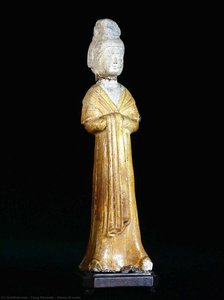
Tang Dynasty
China
Kısa Bilgiler
- Full Name: Tang Dynasty
- Nationality: Chinese
- Place Of Birth: China
- Notable Artworks: ['Crane Pine Rock Art']
- Artistic Movement Or Style: Landscape Painting